
The twin-screw extruder is the undisputed champion of versatility in modern food and feed processing. More than just a machine, it’s a continuous, high-throughput biochemical reactor that transforms raw ingredients into an astonishing array of products through precise control of shear, temperature, pressure, and moisture. Its co-rotating, intermeshing screws provide superior mixing, pumping, and cooking capabilities compared to single-screw models. Puffed snack food making machine Here’s a comprehensive look at the diverse product categories a twin-screw extruder can create.
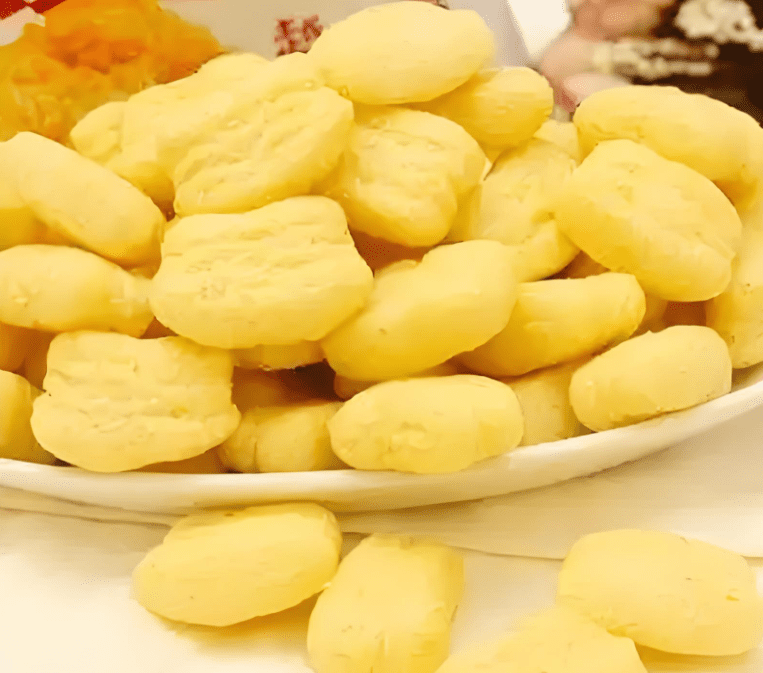
1. Direct-Expanded (DX) Snacks & Breakfast Cereals
This is the classic “puffing” application that showcases the extruder’s ability to create novel textures.
- Products: Corn puffs, cheese balls, 3D-shaped snacks, potato sticks, and ready-to-eat (RTE) breakfast cereals (balls, flakes, loops).
- Process: A high-temperature, high-shear process where the starchy or cereal-based melt exits the die at high pressure, causing instantaneous steam expansion. This creates a light, crispy, porous structure.
- Key Advantage: Ability to incorporate diverse flours (rice, corn, wheat, oat, even legumes) and precisely inject colors, flavors, and nutrients directly into the barrel.
2. Textured Vegetable Protein (TVP) & Meat Analogues
The extruder is the core technology behind the plant-based protein revolution.

- Products: Meat extender chunks (for ground meat applications), structured plant-based strips, and high-moisture meat analogues (HMMA) that mimic whole-muscle meat like chicken or beef.
- Process: Using protein-rich materials (soy, pea, wheat gluten, etc.), Puffed snack food making machine the extruder’s thermal-mechanical energy denatures and aligns proteins. Upon exiting the die, texturization occurs, creating a fibrous, meat-like structure. Specific cooling dies are used for HMMA.
- Key Advantage: Precise control over texture—from tender to chewy—and the ability to create layered, anisotropic structures.
3. Pre-Cooked Flours & Modified Starches
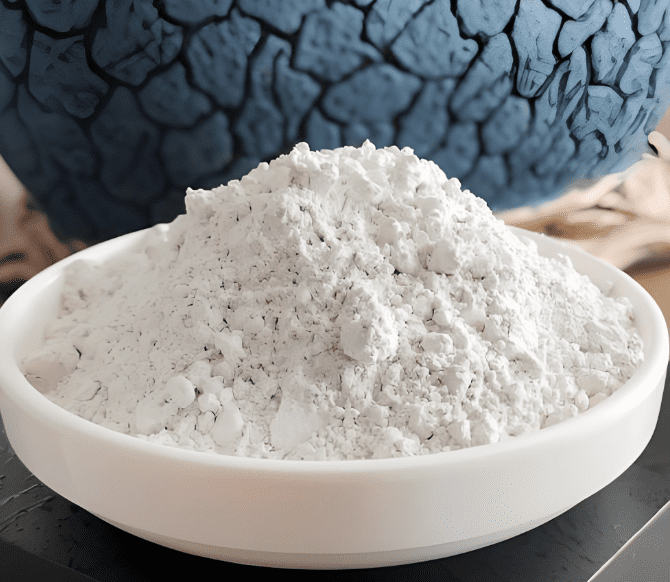
A critical but less visible application that provides ingredients for other food industries.
- Products: Pre-gelatinized flours (for instant soups, baby food), modified starches with specific cold-water solubility or viscosity, and binders for meat products.
- Process: The extruder cooks and gelatinizes starch under controlled conditions, altering its functional properties without chemical modification.
- Key Advantage: Continuous, efficient, and consistent cooking that improves digestibility and functionality of raw ingredients.
4. Pet Food & Aquafeed
The dominant application for twin-screw extruders in terms of global tonnage.
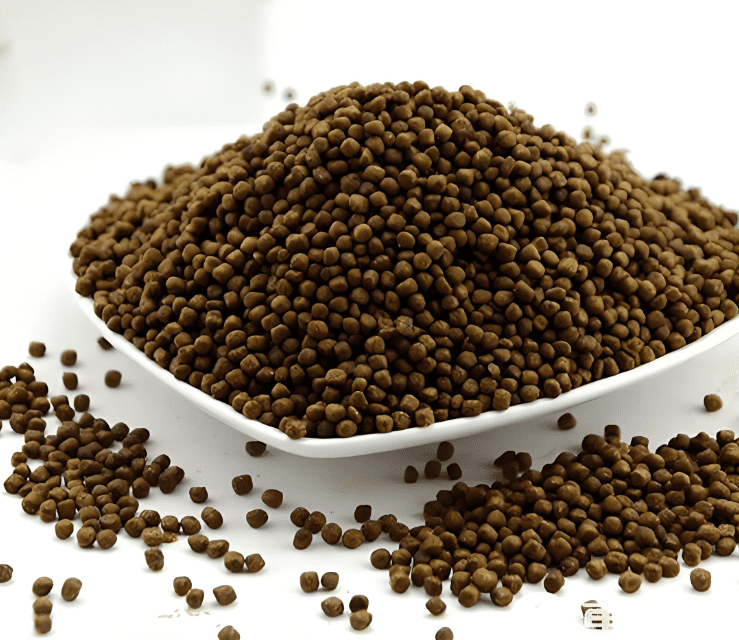
- Products: Dry kibble for dogs and cats, floating or sinking pellets for fish and shrimp, and functional treats.
- Process: Precisely mixes meat meals, grains, vitamins, and fats. The extrusion process cooks the mixture, destroys anti-nutritional factors, sterilizes the feed, and shapes it into durable, digestible pellets. Density is controlled via recipe and die design.
- Key Advantage: Unmatched flexibility in formula changes, superior fat coating and infusion capabilities post-extrusion, and production of highly complex, nutrient-dense shapes.
5. Confectionery & Functional Foods
A growing area that leverages the extruder’s precision as a mixing and cooking device.
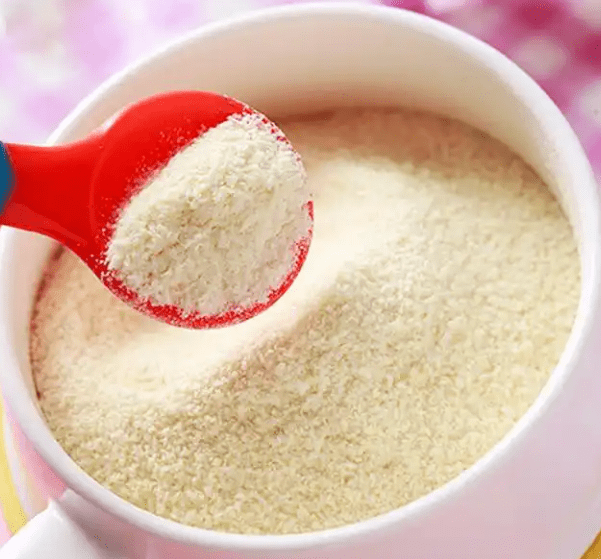
- Products: Licorice, fruit chews, cereal bars, co-extruded products (e.g., a cereal tube filled with fruit paste), and fiber- or protein-fortified functional foods.
- Process: Operates at lower temperatures and shear for sensitive ingredients. Can precisely meter in sugars, syrups, and heat-sensitive additives downstream in the barrel.
- Key Advantage: Continuous, uniform cooking of candy masses and the ability to create innovative multi-component products in a single step.
6. Pasta & Noodles
An advanced alternative to traditional pasta presses. Puffed snack food making machine
- Products: Short-cut pasta (elbows, shells), instant noodles (both steamed-and-fried and air-dried types), and novel grain/legume-blended noodles.
- Process: Low-shear mixing and kneading of semolina or flour with water under vacuum to eliminate air bubbles, resulting in a dense, non-expanded product with excellent cooking quality and bright color.
- Key Advantage: Faster formulation changes and the ability to incorporate additives (eggs, vitamins, vegetable purees) uniformly with superior mixing.
Conclusion: The Engine of Food Innovation
The twin-screw extruder’s power lies in its modularity—barrel sections, screw elements, and dies can be configured for an almost infinite number of processes. By manipulating the “Process Engineering Parameters” (moisture, temperature, shear, residence time, and screw configuration), one machine platform can seamlessly switch from producing a light, aerated snack to a dense, fibrous protein or a nutritious pet food kibble. It is not merely a shaping tool but a transformative reactor that enables the creation of novel textures, enhances nutritional profiles, and drives efficiency, making it the cornerstone of innovative food manufacturing.