
Unveiling the Process: The Intricate Science and Technology Behind Modern Aquatic Feed
Introduction
Beneath the serene surface of a farmed fish pond or a modern aquaculture recirculating system (RAS) lies a silent, complex, and technologically driven revolution: the science of aquatic nutrition. The humble fish feed pellet, often dismissed as mere fish food, is in fact a pinnacle of modern biotechnology, a carefully engineered product designed to fuel one of the world’s fastest-growing food sectors. fish feed making machine As wild fish stocks plateau or decline, aquaculture has emerged as the primary source of seafood for human consumption, and its efficiency hinges entirely on the quality and sustainability of its feed.
The journey from raw, terrestrial ingredients to a water-stable, nutritious, and palatable pellet that sinks or floats at a predetermined rate is a story of immense complexity. It involves overcoming fundamental challenges of physics, chemistry, and biology—how to get a feed that doesn’t dissolve in water, how to ensure a carnivorous fish gets its necessary proteins from plant-based sources, and how to prevent pollution from feed waste.
This article aims to pull back the curtain on this critical industry. We will embark on a detailed exploration of the entire manufacturing process of aquatic feed, from ingredient sourcing and formulation to extrusion, drying, coating, and packaging. We will delve into the “why” behind each step, examining the scientific principles that ensure optimal growth, health, and environmental sustainability. Furthermore, we will address the pressing challenges of the industry, including the shift away from fishmeal, the quest for novel proteins, the role of functional additives, and the precision required for different species, from shrimp to salmon. This is not just a story of grinding and pressing; it is a narrative of ecological responsibility, nutritional precision, and the relentless pursuit of efficiency in feeding a growing planet.
Part 1: The Blueprint – Formulation and Ingredient Sourcing
The creation of aquatic feed begins not in a factory, but on a computer screen and in a laboratory. The formulation is the intellectual blueprint, the recipe that dictates the nutritional, physical, fish feed making machineand economic profile of the final product. This is where animal nutrition science meets practical economics.
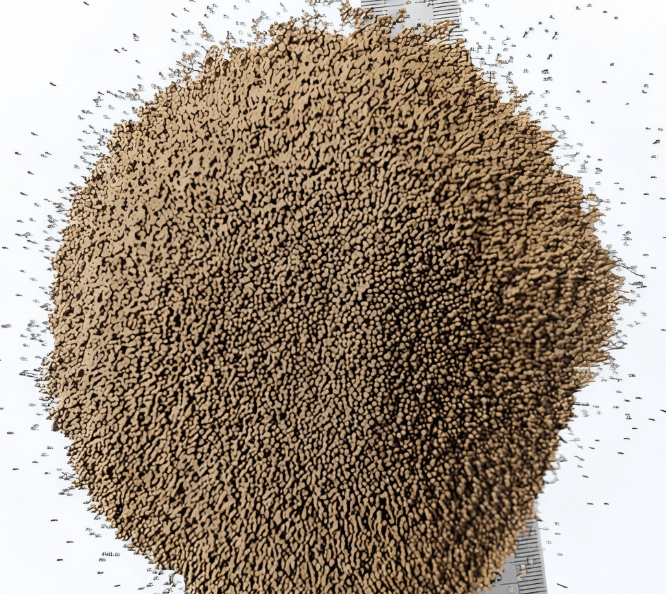
1.1. Understanding Nutritional Requirements by Species
Unlike terrestrial livestock, aquatic species are incredibly diverse in their nutritional needs. A feed designed for a herbivorous tilapia would be wholly inadequate for a carnivorous Atlantic salmon or a crustacean like shrimp. Formulators must be experts in the specific requirements of the target species:
- Protein and Amino Acids: Protein is the most critical and expensive component. The requirement varies dramatically: over 40% for carnivorous fish like trout and salmon, 28-35% for omnivorous species like carp and tilapia, and even specific amino acid profiles (e.g., high lysine and methionine for shrimp). The concept of the “ideal protein” profile, where the amino acid composition matches the animal’s requirement, is paramount.
- Lipids and Fatty Acids: Fats are a dense energy source and crucial for cell membrane integrity and hormone production. More importantly, the type of fat is critical. fish feed making machineLong-chain polyunsaturated fatty acids (LC-PUFAs), especially EPA (Eicosapentaenoic acid) and DHA (Docosahexaenoic acid), are essential for marine fish and shrimp, as they cannot synthesize them in sufficient quantities. These are the famed “Omega-3s” that make seafood healthy for humans.
- Carbohydrates: While a cheaper energy source, fish, especially carnivorous species, have a limited ability to digest complex carbohydrates. Their inclusion must be carefully managed to avoid liver glycogen accumulation and other health issues. However, some carbohydrates are necessary as binders to ensure pellet stability.
- Vitamins and Minerals: A complex cocktail of vitamins (A, D, E, K, C, and B-complex) and minerals (phosphorus, calcium, zinc, selenium, etc.) is essential for metabolic functions, immunity, and skeletal health. Vitamin C, for instance, is crucial for collagen formation and is highly susceptible to degradation during processing.
- Attractants and Palatability: Fish and shrimp “taste” their environment through chemoreception. As formulations shift away from traditional, highly palatable ingredients like fishmeal, the use of attractants such as betaine, amino acids (glycine, alanine), and nucleotides becomes critical to ensure feed intake.
1.2. The Ingredient Matrix: A Global Sourcing Puzzle
The formulation is a dynamic puzzle, fish feed making machine with each ingredient piece contributing nutrients, functional properties, and cost.
- Protein Sources: The Fishmeal Dilemma and Alternatives
- Fishmeal: Historically the gold standard, fishmeal is a dense, highly digestible protein source with an excellent amino acid profile and high palatability. It is produced from wild-caught, small, oily fish (e.g., anchoveta, menhaden) considered unsuitable for direct human consumption. However, its supply is finite, prices are volatile, and its sustainability is questioned. The industry is under immense pressure to reduce its reliance on fishmeal.
- Plant Proteins: Soybean meal is the dominant alternative, due to its good protein content and relatively balanced amino acid profile. Other plant proteins include corn gluten meal, rapeseed/canola meal, and sunflower meal. The challenges with plant proteins are:
- Antinutritional Factors (ANFs): Compounds like trypsin inhibitors, lectins, and phytate can interfere with digestion and nutrient absorption. These must be deactivated through heat processing (toasting).
- Amino Acid Imbalances: Plant proteins are often deficient in essential amino acids like methionine and lysine, which must be supplemented in synthetic crystalline form.
- Palatability: They are generally less palatable than fishmeal.
- Novel Proteins: The search for sustainable proteins has led to a boom in R&D for novel ingredients:
- Insect Meal: From black soldier fly larvae, mealworms, etc. It is a promising, natural protein source with a good profile and chitin, which may have prebiotic benefits.
- Single-Cell Proteins: Proteins from bacteria, yeast, or microalgae grown on various substrates. They offer a high-protein, land-independent production system.
- Algae Meal: Certain microalgae strains are also cultivated specifically as a rich source of proteins and, more importantly, as a sustainable source of DHA, potentially replacing fish oil.
- Poultry By-Product Meal: A rendered product from poultry processing, it is a high-protein ingredient used where permitted and accepted.
- Lipid Sources: Beyond Fish Oil
- Fish Oil: The traditional source of EPA and DHA, facing the same sustainability constraints as fishmeal.
- Vegetable Oils: Rapeseed oil, soybean oil, and palm oil are widely used as energy sources. However, they are rich in Omega-6 fatty acids and lack EPA and DHA. The resulting farmed fish can have a lower Omega-3 content, impacting its nutritional value for humans.
- Genetically Modified (GM) Oils: A breakthrough has been the development of camelina and canola oils genetically modified to produce EPA and DHA, offering a land-based, sustainable source of these critical fatty acids.
- Algal Oils: Oils extracted from specific marine microalgae are a direct, vegetarian source of DHA and are already widely used in hatchery feeds and premium aquaculture products.
- Carbohydrates and Binders:
- Wheat, corn, and other cereals provide starch, which is crucial for the expansion of extruded feeds. The level and type of starch directly influence pellet durability and water stability.
- Binders are additives that improve pellet stability. Common binders include lignosulfonates, hemicellulose extracts, and gelatin. For shrimp feed, which requires exceptional water stability over several hours, binders are non-negotiable.
- Microingredients: The Precision Layer
- This includes synthetic vitamins, minerals, amino acids, attractants, antioxidants (to prevent fat rancidity), and functional additives like probiotics, prebiotics, and immunostimulants (e.g., beta-glucans) that promote gut health and disease resistance.
1.3. The Formulation Software: Balancing the Equation
Formulators use sophisticated least-cost formulation software. fish feed making machineThe operator inputs the nutritional requirements of the species, the nutritional composition and price of all available ingredients, and any constraints (e.g., maximum inclusion level for a certain ingredient due to ANFs). The software then calculates the cheapest blend that meets all the nutritional and physical constraints, creating the final formula for the batch.
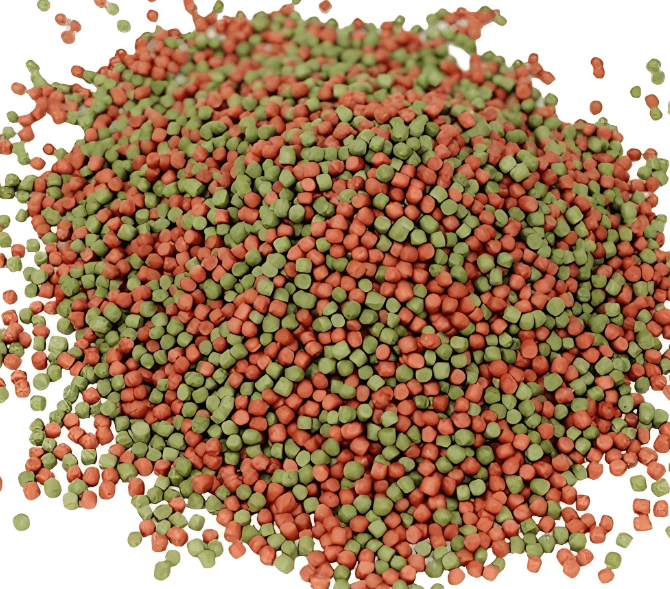
Part 2: Pre-Processing – Preparing the Raw Mass
Once the formula is set, the physical transformation of the raw materials begins. The goal of this stage is to create a homogeneous mash with the right particle size and conditioning for the subsequent cooking and shaping processes.
2.1. Grinding: The Quest for Optimal Particle Size
The first and one of the most critical mechanical steps is grinding. All solid ingredients are passed through a hammer mill or a roller mill to reduce their particle size.
- Why Grind?
- Increased Surface Area: Smaller particles have a larger surface area, which enhances water penetration and heat transfer during subsequent conditioning and extrusion. This is vital for efficient starch gelatinization and protein denaturation.
- Homogeneous Mixing: Uniform particle size prevents the segregation of ingredients during mixing and handling, ensuring every pellet contains the precise formulation.
- Pellet Integrity: A fine, uniform grind allows for tighter particle packing, leading to a more durable pellet that is less likely to crumble.
- Digestibility: Properly ground ingredients are more easily attacked by digestive enzymes.
The target particle size is measured in microns and is species-specific. For example, shrimp feed requires an ultra-fine grind (often 95% passing through a 150-200 micron sieve) to achieve the necessary water stability for their slow, grazing feeding behavior. Finfish feeds can tolerate a slightly coarser grind.
2.2. Weighing and Mixing: The Art of Homogeneity
Precision is paramount. Each ingredient is weighed with extreme accuracy using digital scales, fish feed making machine often in a fully automated batching system.
The weighed ingredients are then discharged into a mixer. The type of mixer is crucial for achieving a homogeneous blend.
- Horizontal Ribbon Mixers: The most common type in feed mills. They consist of a U-shaped trough with a central shaft carrying inner and outer helical ribbons. As the shaft rotates, the ribbons move the material in opposing directions, creating a highly efficient mixing action. A typical batch mix takes 3-5 minutes.
- Vertical Mixers: Less common for main mixes but used for adding small amounts of liquids or for pre-mixing microingredients with a carrier like rice bran to ensure their even distribution in the main mixer.
The mixing process is validated through tracer studies and chemical analysis to ensure that the coefficient of variation (CV) for critical nutrients like vitamins and amino acids is less than 5-10%, meaning the blend is statistically uniform.
2.3. Conditioning: The Prelude to Cooking
The mixed powder, known as “mash,” is then transferred to a conditioner. This is a critical pre-treatment step that begins the cooking process. The conditioner is typically a steam-heated vessel with a single or twin shaft equipped with paddles that gently mix and convey the mash.
- The Role of Steam: Dry saturated steam at low pressure (typically 1-3 bar) is injected into the mash.
- The Objectives of Conditioning:
- Hydration: The steam adds moisture (typically 3-5%), which is essential for starch gelatinization.
- Heating: It raises the temperature of the mash to between 70°C and 95°C (158°F – 203°F).
- Partial Gelatinization: This heat and moisture begin to swell the starch granules, initiating gelatinization.
- Protein Denaturation: Heat partially unfolds protein structures, making them more digestible and improving their binding properties.
- Pasteurization: The heat helps to reduce the microbial load (bacteria, molds) in the raw materials.
Proper conditioning is the foundation for a high-quality pellet. Inadequate conditioning leads to poor starch gelatinization, resulting in weak, crumbly pellets. Over-conditioning can destroy heat-sensitive nutrients and make the mash too sticky, leading to processing problems.
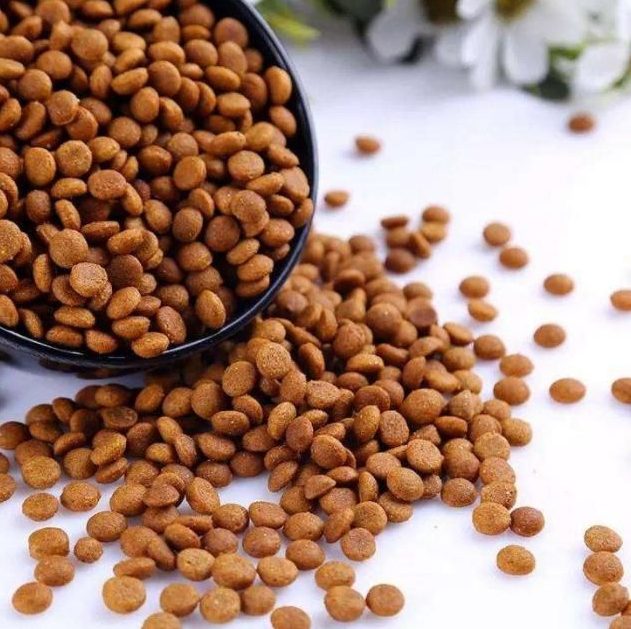
Part 3: The Heart of the Matter – Pelletizing Technologies
This is where the conditioned mash is transformed into its final, dense form. The industry primarily uses two technologies: pelleting for sinking feeds and extrusion for floating (and sophisticated sinking) feeds.
3.1. Sinking Feeds: The Ring Die Pellet Mill
The pellet mill is a workhorse for producing dense, sinking feeds for many species like shrimp, catfish, and some marine fish.
- The Components:
- Die: A thick, rotating steel ring drilled with precision holes of a specific diameter (e.g., 2mm for shrimp, 8mm for large fish).
- Rollers: Typically two or three stationary, free-rolling rollers positioned inside the die.
- The Process: The conditioned mash is fed into the chamber between the rollers and the die. As the die rotates, the rollers press the mash against the inner surface of the die, forcing it through the holes. The immense pressure (friction) generates additional heat, further cooking the feed.
- The Result: Long, spaghetti-like strands of compacted feed emerge from the outer surface of the die. Stationary knives slice these strands into pellets of the desired length.
- Characteristics of Pelleted Feeds:
- Dense and Sinking: The high compression creates a dense pellet with a low porosity, causing it to sink rapidly.
- Lower Starch Gelatinization: While conditioning and friction provide heat, the level of starch gelatinization is lower than in extrusion, resulting in less water stability.
- Simplicity and Lower Cost: Pellet mills are generally less complex and have lower operational costs (energy) than extruders.
3.2. Floating and Specialty Feeds: The Twin-Screw Extruder
Extrusion is a more versatile and complex process that has revolutionized aquatic feed production, especially for species like salmon, trout, tilapia, and ornamental fish that require floating or slow-sinking feeds.
- The Extruder Anatomy: A twin-screw extruder consists of a barrel housing two intermeshing, co-rotating screws. The barrel is divided into sections that can be independently heated or cooled. fish feed making machine The screws are composed of individual conveying and kneading elements that can be arranged in countless configurations to control shear, pressure, and residence time.
- The Extrusion Process, Step-by-Step:
- Feeding and Conveying: The conditioned mash is fed into the extruder inlet. The initial screw elements are designed to convey the material forward.
- Kneading and Cooking: Further down the barrel, the screw configuration changes to include kneading blocks. These create intense mechanical shear. Combined with the direct injection of steam into the barrel (providing thermal energy), this shear rapidly cooks the mixture. The combination of heat (110-150°C / 230-300°F), moisture (20-30%), and shear leads to full starch gelatinization and protein denaturation. The material transforms into a viscous, plasticized dough.
- The Die and Expansion: The cooked dough is forced under high pressure through a die plate at the end of the barrel. The die holes give the pellet its shape (cylindrical, spherical, etc.). As the pressurized material exits the die into the ambient atmosphere, the superheated water within it instantly flashes into steam. This causes the pellet to “puff” or expand, creating a porous, cellular structure.
- Floating vs. Sinking: The density of the pellet is controlled by the degree of expansion. A highly expanded pellet with lots of air pockets is less dense than water and will float. To create a sinking pellet, the operator reduces the expansion by adjusting recipe (less starch), moisture, and screw speed, or by mechanically compressing the extrudate post-die.
- Cutting: A rotating knife assembly positioned right against the die face cuts the expanding strands into pellets of precise length.
- Advantages of Extrusion:
- Versatility in Density: Can produce floating, slow-sinking, and fast-sinking feeds for different feeding behaviors and water layers.
- Superior Starch Gelatinization: Results in better digestibility, improved water stability, and enhanced binding.
- Wide Variety of Shapes and Sizes: From micro-pellets for fry to large, odd-shaped pellets for specific species.
- High Pasteurization: The high temperatures and pressures effectively destroy pathogens and antinutritional factors.
- Ability to Handle High-Fat Formulations: While the pellet itself can only incorporate 8-12% internal fat, the extrusion process creates a stable, porous structure that can absorb large amounts of oil in a subsequent coating step.
Part 4: Post-Processing – Finishing and Fortification
The pellets exiting the pellet mill or extruder are hot, moist, and soft. They are far from finished and require several downstream processes to become a stable, shelf-ready product.
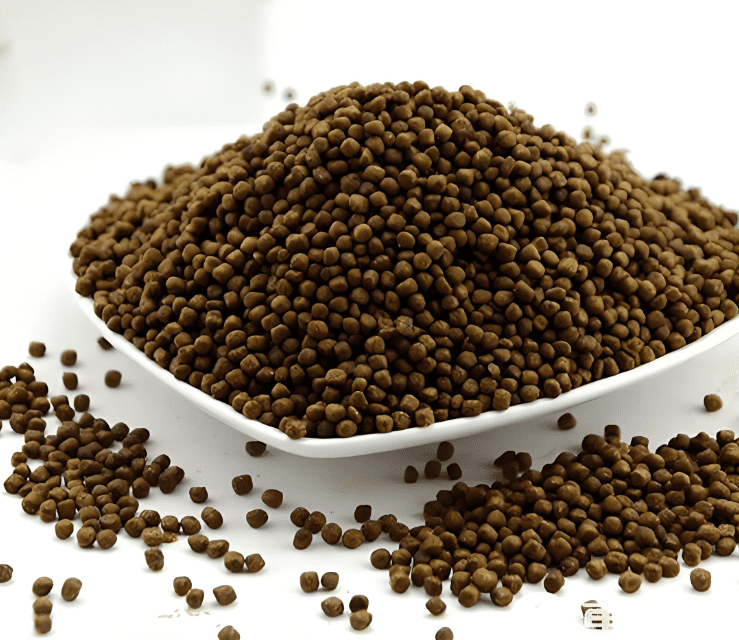
4.1. Drying: The Critical Dehydration
The hot, expanded extrudates or pelleted feed have a moisture content of 20-30%. This must be rapidly reduced to around 10% to prevent mold growth and ensure shelf stability.
- The Dryer: A multi-pass conveyor dryer is standard. The pellets are conveyed on a series of stacked, perforated belts while hot air is forced through the pellet bed.
- The Drying Curve: The process is carefully controlled. Initial stages use high temperatures to quickly remove surface moisture. Later stages use lower temperatures to gently remove the internal moisture without case-hardening (creating a hard shell that traps moisture inside). Inadequate drying leads to spoilage; over-drying can damage heat-sensitive nutrients and create brittle pellets.
- Cooling: After drying, the pellets are hot and must be cooled to near ambient temperature using a cooler, which works similarly to a dryer but uses ambient or slightly cooled air. This prevents condensation and subsequent mold growth inside the storage bins and bags.
4.2. Coating and Vacuum Impregnation: Delivering Fat and Heat-Sensitive Nutrients
This is a defining step for high-energy aquatic feeds, particularly for carnivorous species.
- Liquid Coating (Fat Application): The dry, porous, and cool pellets enter a horizontal drum coater. Fish oil, vegetable oil, or a blend is sprayed onto the tumbling pellets. The porosity created by extrusion allows the pellet to act like a sponge, absorbing the oil. This is how salmon feeds can achieve fat levels of 24-35%. This fat coating also:
- Reduces dust (fines).
- Improves palatability.
- Acts as a barrier to reduce leaching of water-soluble nutrients.
- Provides a concentrated energy source.
- Vacuum Coating: A Technological Marvel: A significant limitation of standard coating is that it cannot add large quantities of water-soluble, heat-sensitive ingredients like vitamin C, certain probiotics, and some attractants, as they would be destroyed during the drying process. Vacuum coating solves this.
- Evacuation: The dried, cooled pellets are placed in a sealed vessel, and a vacuum pump removes almost all the air from the chamber and from the pores of the pellets.
- Impregnation: A liquid solution containing the heat-sensitive nutrients is introduced into the vessel. With the air removed, the liquid is forcibly drawn into the porous core of the pellets by the pressure difference.
- Release: The vacuum is released, and the liquid is locked inside the pellet structure.
This technology ensures that critical but fragile additives are protected within the pellet and are delivered directly to the fish, vastly improving the efficacy of vitamins and probiotics.
Part 5: Quality Control, Packaging, and Storage
The final stages are dedicated to preserving the quality that has been so meticulously engineered.
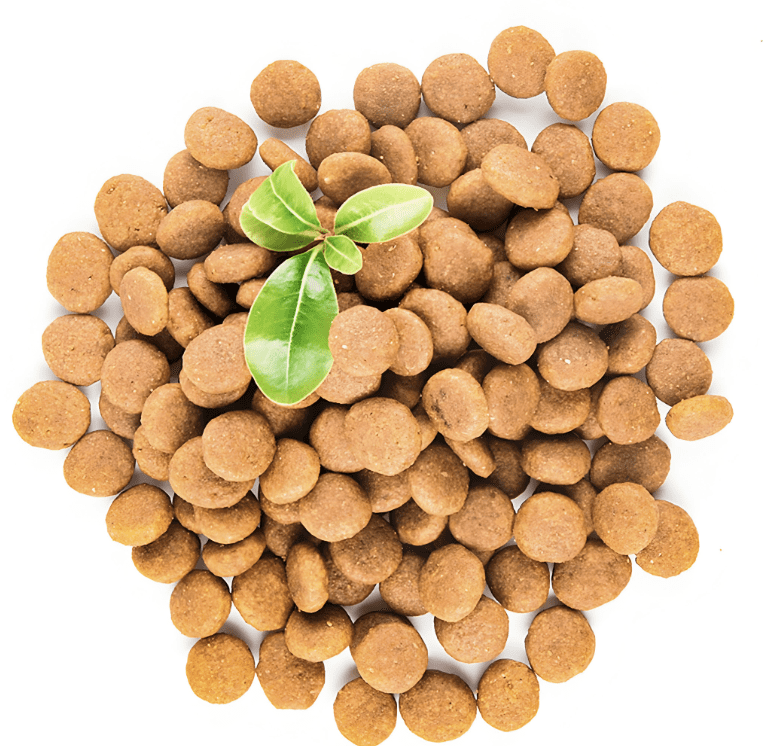
5.1. Final Quality Control (QC)
Samples are taken throughout the process, but final product QC is exhaustive.
- Physical Quality:
- Pellet Durability Index (PDI): Pellets are tumbled in a standardized box for a set time, and the percentage of intact pellets remaining is measured. A high PDI (>95%) is crucial to minimize fines, which pollute the water and are uneaten.
- Water Stability: For shrimp feed, pellets are submerged in water for specified periods (e.g., 2 hours) and then assessed for disintegration. This is a non-negotiable test.
- Sinking Velocity: Measured in a water column to ensure the feed behaves as intended for the specific species and farming system.
- Chemical/Nutritional Analysis: Proximate analysis (protein, fat, fiber, moisture, ash) is conducted to verify the product matches the formulation. Near-Infrared (NIR) spectroscopy is often used for rapid, in-line analysis.
- Microbiological Testing: Checks for Salmonella, E. coli, and total mold and yeast counts.
5.2. Packaging and Storage
The finished feed is packaged in multi-layer, plastic-woven bags with an inner plastic liner to provide a barrier against moisture and oxygen. For bulk shipments, it is stored in silos. The storage environment must be cool, dry, and well-ventilated to prevent rancidity and mold growth. The entire logistics chain is managed to ensure a first-in, first-out (FIFO) inventory system.
Part 6: Future Frontiers and Sustainability Challenges
The evolution of aquatic feed processing is continuous, driven by the need for greater sustainability and efficiency.
- The Zero-Fishmeal Challenge: The race is on to create commercially viable, high-performance diets for carnivorous species using no fishmeal or fish oil. This relies on novel proteins, advanced attractants, and precision nutrition.
- Digitalization and Precision Manufacturing: The use of AI and machine learning to optimize formulations in real-time based on ingredient price fluctuations and to control the extrusion process for perfect pellet quality every time.
- Functional Feeds: The move beyond basic nutrition to feeds that actively promote health, reduce stress, and improve resistance to diseases through the strategic use of immunostimulants, prebiotics, and probiotics.
- Environmental Footprint: Reducing the carbon and water footprint of feed production itself, including the energy-intensive extrusion and drying processes.
Conclusion: More Than Just a Pellet
The journey of a fish feed pellet is a profound demonstration of applied science. It is a product that must satisfy the complex nutritional demands of an aquatic animal, fish feed making machine the physical demands of an underwater environment, the economic demands of a farmer, and the sustainability demands of our planet. From the geneticist developing a new oilseed to the extrusion operator fine-tuning the die pressure, a global network of expertise converges to create this vital tool for modern aquaculture.
The next time you see a farmed salmon or a plate of shrimp, remember the intricate, technologically advanced process that went into producing their feed—a process that is fundamental to meeting the global demand for healthy, sustainable seafood. The humble pellet is, in truth, a cornerstone of the Blue Revolution.