
The Unappetizing Truth: Exposing the Process of Industrial-Style Breadcrumbs
For generations, home cooks and chefs have used breadcrumbs to add a satisfying crunch to fried foods, to bind meatballs, or to top a comforting casserole. The image is often one of simplicity and resourcefulness—using stale bread, perhaps leftover from a family meal, given new life. However, the reality behind the vast majority of breadcrumbs making machine found on supermarket shelves, particularly the fine, uniform product often called “Japanese-style” or “panko” (and here referred to broadly as “needle-style” for its characteristic shape), tells a far more industrialized and chemically dependent story. This article unveils the highly processed journey of industrial breadcrumb manufacturing, raising questions about nutrition, transparency, and food ethics.
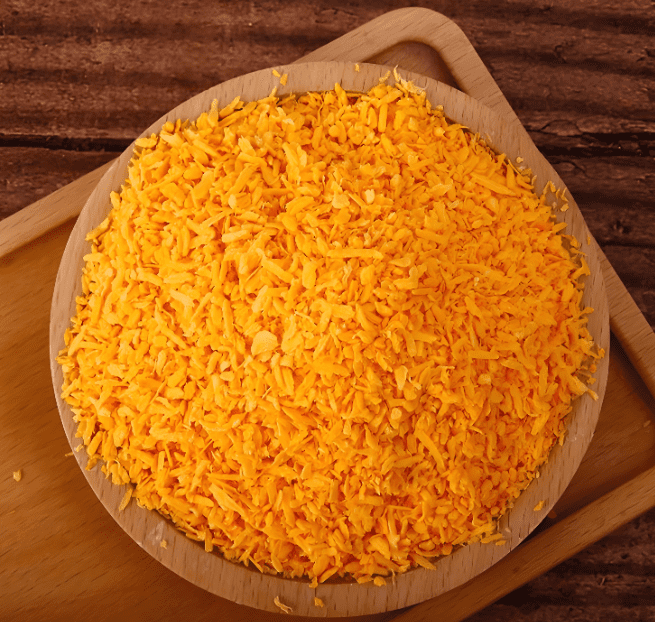
Stage 1: The “Bread” That Never Was a Loaf
Contrary to the nostalgic image, most commercial breadcrumbs do not start with baked loaves of bread.
- The Batter, Not the Dough: The process begins with a slurry, not a dough. In large industrial vats, manufacturers mix low-cost, often bleached, wheat flour with water, yeast, sugar, salt, and a cocktail of additives. The goal is not flavor or nutrition, but functionality and speed.
- Additive Cocktail: This is where the first layer of processing appears. Common additions include:
- Dough Conditioners and Improvers (e.g., azodicarbonamide, calcium peroxide): These chemicals accelerate production, strengthen the weak gluten from fast-rising processes, and ensure uniformity. Some, like azodicarbonamide (also used in yoga mats and shoe rubber), have been banned for human consumption in the EU and Australia due to health concerns, though they may still be used in some regions.
- Emulsifiers (e.g., mono- and diglycerides, DATEM): These keep the industrial “batter” stable and improve the final crumb’s texture, preventing staleness—a necessity for a product with a long shelf-life.
- Preservatives (e.g., calcium propionate, sorbic acid): To inhibit mold and bacterial growth during storage and transportation.
- The “Baking” Illusion: This batter is then pumped directly into massive, multi-electrode industrial ovens. Instead of baking in a pan, an electrical current is passed through the batter, causing it to almost instantaneously “puff” and set into a pale, spongy, airy structure with minimal browning. This method is chosen for its incredible speed and efficiency, not for quality. The result is a product that has the texture of Styrofoam more than bread—utterly bland, devoid of crust, and with a uniform, airy cell structure perfect for crumbling.
Stage 2: Creation of the “Needle” or “Flake”
This is the stage that defines the product’s signature airy, flaky crunch.
- Shredding, Not Grinding: The massive blocks of this foamy bread-substance are fed through specially designed shredders. Unlike traditional breadcrumbs made by grinding or pulsing, these machines use blades or needles to tear the material apart.
- The “Needle” Effect: This tearing action, rather than crushing, creates long, jagged, sliver-like flakes or shards—the “needles.” These shards have more surface area and sharper edges than ground crumbs. The industrial advantage is clear: they absorb less oil during frying (saving costs for commercial kitchens) and create a noticeably crispier, flakier, and lighter coating. However, this structure is a direct result of the unique, processed “bread” base it comes from; you cannot replicate it perfectly with real, crusty bread.
Stage 3: Drying and “Toasting” for Shelf-Stability
The moist shreds must be dried to prevent spoilage.
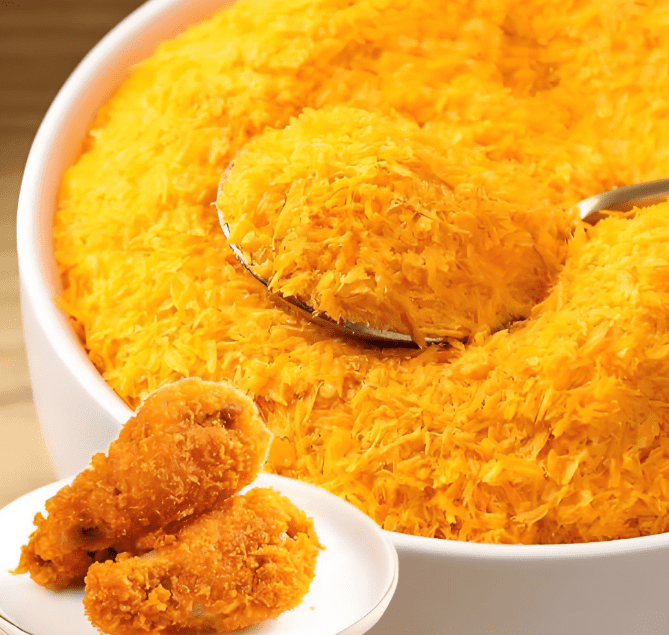
- Industrial Dehydration: The shreds are conveyed through massive hot-air dryers or fluidized bed dryers, which rapidly remove moisture. This step is crucial for the long shelf-life (often years) of the product.
- Flavor and Color Enhancement (The Illusion of Baking): The naturally pale shreds are unappetizing. To mimic the golden-brown color of real toasted bread, manufacturers often apply:
- Dustings of paprika or turmeric extract: For color.
- Spray-on “toast” or “butter” flavors: These are artificial or “natural” flavors created in labs to simulate the Maillard reaction (the complex browning process of real baking) without actually undergoing it. The ingredient list may simply say “natural flavors,” masking the specific chemicals used.
- Sugar or dextrose: Often added before drying to promote superficial browning (caramelization) during the drying process and to provide a subtle sweetness that appeals to the palate.
Stage 4: Blending, Coating, and Fortification
The final product is often a blend designed for specific applications.
- Blending: Different shred sizes (fine, coarse) may be blended. Seasoned varieties have their flavor arsenal added here: salt, yeast extract (for umami/cheesy flavor), onion powder, garlic powder, MSG, and more artificial flavors.
- “Enrichment” or Fortification: Having stripped the original wheat of its bran and germ (if using refined flour) and subjected it to intense processing, the final product is nutritionally barren. To counter this, manufacturers often “fortify” the breadcrumbs with a synthetic mix of vitamins (like B vitamins and iron) to meet regulatory standards or make marketing claims. This is a classic example of nutritionism—removing nutrients through processing and then adding them back in inferior, synthetic forms.
The Hidden Costs: Health, Environment, and Deception
- Nutritional Emptiness: The end product is a far cry from whole-grain bread. It is primarily a refined carbohydrate vehicle for salt, sugar, and artificial flavors. The fiber is minimal, the protein low-quality, and any vitamins are typically synthetic additions.
- Chemical Load: While all additives used are “generally recognized as safe” (GRAS) by regulators in doses, the cumulative effect of consuming multiple additives from various processed foods is a growing concern among nutritionists and functional medicine practitioners. Many consumers seek to avoid them altogether.
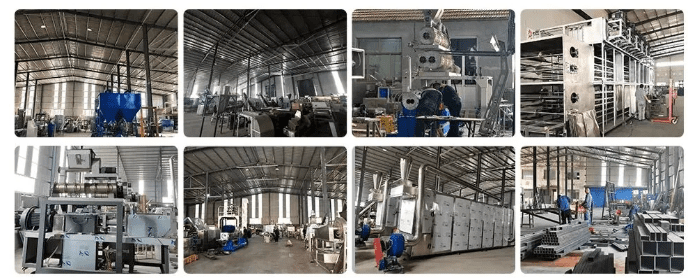
- Environmental Impact: The process is energy-intensive, breadcrumbs making machine relying on industrial-scale mixing, electrical “baking,” and hot-air drying. It represents a linear, extractive food model.
- The Transparency Problem: Packaging often features images of golden, crusty bread or uses terms like “homestyle” or “traditional,” creating a profound disconnect between marketing and the stark industrial reality. The ingredient list tells the true story, but it requires careful deciphering.
A Return to Authenticity: What Are the Alternatives?
The good news is that real breadcrumbs are perhaps one of the easiest processed foods to replace.
- Homemade: Simply take leftover bread (any kind—sourdough, breadcrumbs making machinewhole wheat, rye), dry it out in a low oven, and pulse it in a food processor to your desired consistency. You control the ingredients, the texture, and the flavor.
- Small-Batch Artisan Brands: A growing number of companies are making breadcrumbs the old-fashioned way: from actual baked bread, often using surplus bread from bakeries, which reduces food waste. These products have shorter, cleaner ingredient lists.
- Other Crunch Alternatives: For coatings, consider crushed nuts (almonds, pecans), seeds (sesame, flax), unsweetened coconut flakes, or even rolled oats for a different nutritional profile.
Conclusion
The industrial needle-style breadcrumb process is a marvel of food engineering, designed for maximum profit, shelf-life, and functional performance in deep-fryers. However, it sacrifices the nutritional integrity, authentic flavor, and transparency that consumers increasingly value.breadcrumbs making machine It is a product born not from culinary tradition but from a factory line, breadcrumbs making machineconstructed from a slurry of refined ingredients and chemicals. By understanding this process, consumers can make informed choices, opting to support simpler, more honest ways to achieve a satisfying crunch—ways that often lead back to their own kitchens. The revelation here is not about a single dangerous ingredient, but about the systemic nature of a hyper-processed food system that prioritizes convenience and cost over wholesomeness and truth.