
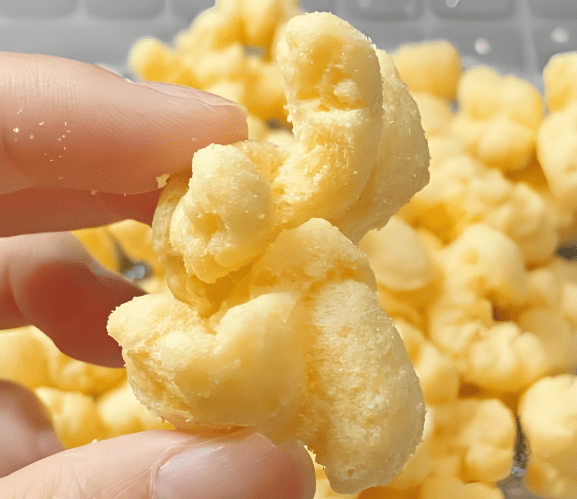
The bright, quirky shapes and airy crunch of cheese puffs, snacks machinery corn curls, and many breakfast cereals are the result of one of the most ingenious manufacturing processes in the food industry: extrusion. This high-tech method transforms simple raw ingredients like corn and rice into the beloved, crispy snacks found on shelves worldwide. Far from being simple, the process is a fascinating journey of physical and chemical transformations.
The Heart of the Process: The Extruder
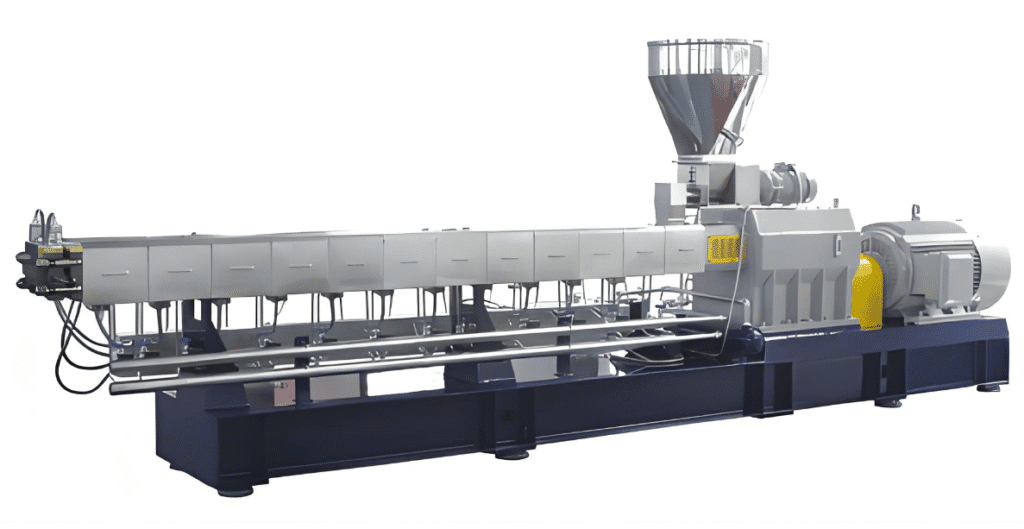
At the core of this operation is a machine called an extruder. Think of it as a sophisticated, high-pressure cooking barrel that performs multiple functions in one continuous flow. It mixes, kneads, heats, and shapes the ingredients in a matter of seconds . The main components include a hopper to feed the materials in, a rotating screw (or twin screws) inside a barrel, and a specialized opening at the end called a die, which shapes the final product .
From Raw Grains to Puffed Snacks: A Step-by-Step Journey
The transformation of basic grains into a puffed snack can be broken down into a few key stages.
1. Preparation and Feeding
The process begins with raw ingredients, typically grains like corn, rice, or wheat, which are ground into flour or grits. These are often mixed with other components, snacks machinery such as starches from potatoes or cassava, protein sources, vitamins, and even vegetable or fruit powders to enhance nutritional value . This dry mixture is fed from the hopper into the extruder barrel. At this point, water or steam may be added to adjust the moisture content, which is crucial for the process .
2. Cooking Under Pressure
Inside the sealed barrel, the rotating screw(s) convey the material forward while subjecting it to intense mechanical shearing and pressure. snacks machinery The barrel is heated to very high temperatures—often between 120°C and 200°C—but only for a very short time (a matter of seconds) . This is known as a high-temperature short-time (HTST) process. In this high-pressure environment, the starch molecules in the grains undergo gelatinization (absorbing water and swelling), and proteins are denatured (their structure is broken down and reformed) . This thermo-mechanical action essentially “cooks” the raw mixture into a plasticized, molten dough .
3. The Magic of Expansion
This is where the signature puffiness is created. The cooked dough is continuously forced by the immense pressure toward the die at the end of the barrel. As the dough is pushed through the small opening of the die, it experiences a sudden and dramatic drop in pressure as it exits into the normal atmosphere . This causes the superheated water trapped within the dough to instantly vaporize into steam, expanding the bubbles of the product, much like a balloon being inflated . The dough puffs up immediately, and as it cools and the steam escapes, it sets into a solid, porous structure with the light, crispy texture we associate with puffed snacks .
4. Shaping and Cutting
The shape of the snack is determined by the die. Dies can be cut into various forms—circles, stars, fun shapes, or even flat ribbons for products that will be rolled or folded . As the expanded product emerges, a rotating blade cuts it off at the die face to the desired length .
Second-Generation vs. Third-Generation Snacks
The process described above creates what are known as second-generation snacks—directly expanded, ready-to-eat puffs. However, extrusion can also produce third-generation snacks (3G snacks), also called pellets or half-products. For these, the extrusion conditions are controlled to cook the ingredients but prevent them from puffing at the die . The resulting dense pellets are then dried and packaged. They only transform into their final, puffed form when later subjected to high heat by the consumer or in a food service setting, either by frying, hot-air baking, or microwaving . These are often made with starches from tuberous plants like potatoes and cassava .
Adding Flavor and Finishing Touches
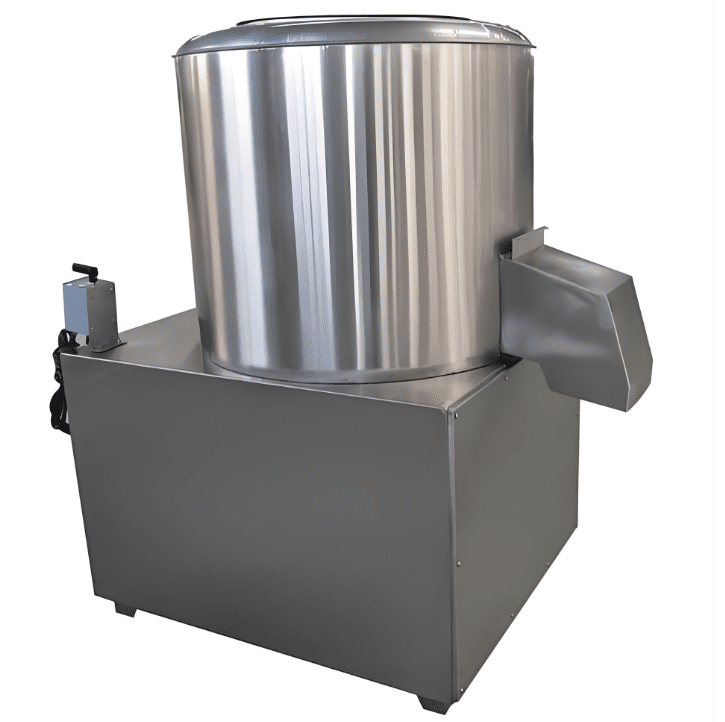
While the extruder creates the base texture and shape, the iconic flavors are usually added afterward. Most puffed snacks leave the extruder with little more than a cooked grain taste. They are tumbled in large drums where they receive their flavor coating . This is often done in two ways:
- Dry Coating: A small amount of vegetable oil is sprayed onto the snacks to act as an adhesive, followed by a dusting of finely ground seasoning powder .
- Wet Coating: For sweeter snacks, a coating made of sugar and syrup might be applied, after which the product is baked again to dry .
Innovations: Co-Extrusion and Beyond
Modern extrusion technology continues to evolve, allowing for even more complex products. Co-extrusion is a technique that uses a specialized die to combine two or more product streams at the point of exit . This allows for the creation of snacks with an outer shell made from one dough and an inner filling—such as cheese, peanut butter, or fruit jam—made from another . This process requires precise engineering to get the right ratio of shell to filling, ensuring the snack doesn’t burst or have a hollow bite .
From the precise control of temperature and pressure to the intricate design of dies, the creation of an extruded snack is a testament to modern food engineering. It’s a process designed for versatility, efficiency, and the consistent delivery of the satisfying crunch that consumers love .