
The Hidden Reality of Fortified Rice: An Investigation into Its Production
Introduction
Fortified rice, marketed as a powerful tool against global malnutrition, promises essential vitamins and minerals to billions. Governments and aid organizations champion it as a cost-effective solution. However, the journey from a nutritional concept to a plate of cooked rice involves complex, fortified rice making machine often opaque industrial processes with significant ethical, economic, and practical dilemmas. This article investigates the key stages of fortified rice production, revealing a system fraught with challenges.
Stage 1: The Core Premise – Why Fortify?
The rationale is undeniable: staple crops like milled white rice lose crucial nutrients during processing. Deficiencies in iron, folic acid, vitamin A, and zinc affect over two billion people, causing anemia, birth defects, and impaired immunity. Fortification aims to “add back” what is lost, targeting vulnerable populations with minimal dietary change. fortified rice making machine The promise is public health improvement through silent, mass intervention.
Stage 2: Creating the “Premix” – The Fortified Kernel
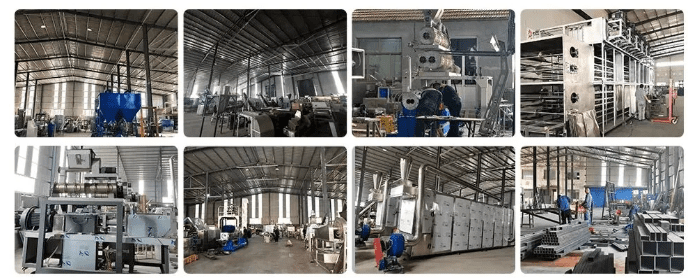
This is the technological heart of the process. Nutrients are not simply sprayed onto regular rice grains; they would wash off in cooking. Instead, a “premix” is manufactured:
- A powder blend of micronutrients (vitamins and minerals) is mixed with rice flour and binders.
- This mixture is extruded under high pressure and heat to form artificial rice kernels that resemble natural grains in size and shape.
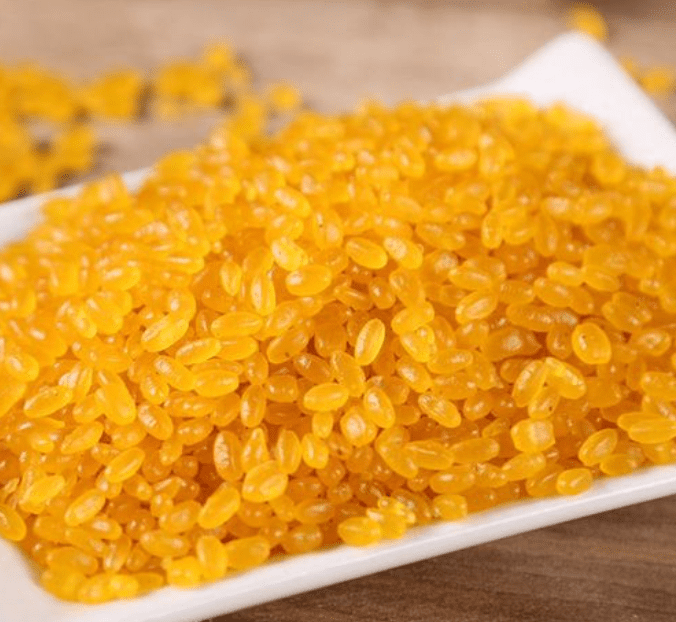
- These kernels are typically yellow or off-white and contain a high, concentrated dose of nutrients.
Critical Issues at This Stage:
- Nutrient Stability: Heat-sensitive vitamins like Vitamin A and thiamine can degrade significantly during extrusion and subsequent storage, especially in hot, humid climates. The final nutritional content can be far lower than labeled.
- Bioavailability: The form of iron used is critical. Inexpensive, poorly-absorbed forms like ferric pyrophosphate are often chosen to cut costs and avoid altering color/taste, but they may offer little physiological benefit.
- The “Taste-Mask” Imperative: The entire process is engineered to avoid detection. Any change in color, taste, or smell leads to consumer rejection. This technological imperative can overshadow nutritional efficacy.
Stage 3: Blending – The Illusion of Uniformity
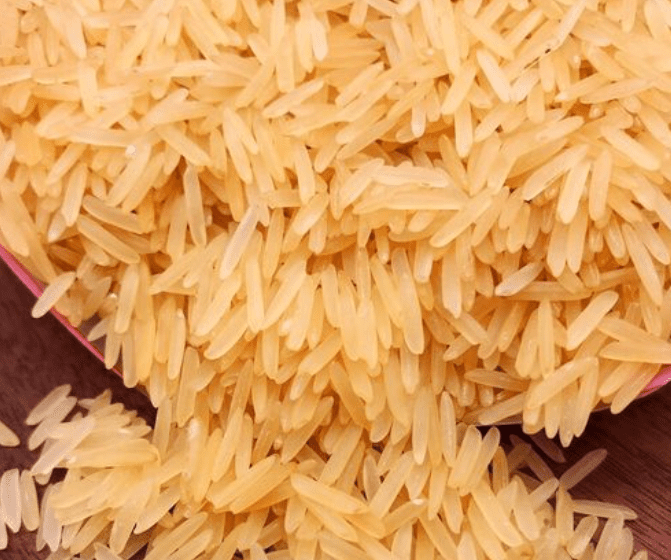
The fortified kernels (usually 0.5% to 2% by weight) are mechanically blended with bulk natural rice. The ideal is a perfectly uniform mix, ensuring each small portion contains the intended nutrients.
Critical Issues at This Stage:
- Segregation: During handling, packing, transportation, and even in consumer sacks, the denser, often smoother fortified kernels can separate from natural rice. fortified rice making machine This leads to an uneven distribution—some get no nutrients, while others get an excessive dose.
- Lack of Monitoring: In large-scale government or aid programs, blending quality checks may be inconsistent or corrupt, rendering entire batches ineffective.
Stage 4: Distribution & “The Last Mile”
Fortified rice enters complex supply chains: government safety-net programs, school feeding schemes, UN aid, or commercial markets.
Critical Issues at This Stage:
- Leakage & Diversion: In corrupt or poorly managed systems, subsidized fortified rice is siphoned off to black markets, sold without premium, or replaced with ordinary rice. The intended needy never receive it.
- Consumer Misunderstanding: Without clear, culturally appropriate education, people may wash fortified rice vigorously (as they traditionally do), stripping away any surface nutrients that might exist from coating methods, or may simply pick out the strange-looking kernels.
Stage 5: Cooking & Consumption – The Final Hurdle
Nutrients must survive cooking, often in excess water that is discarded. While extruded kernels are designed to withstand this, losses of 15-30% for heat-labile vitamins are common. Furthermore, if a household’s diet is severely lacking, adding one or two micronutrients is a band-aid, not a cure for broader food insecurity and poverty.
The Larger Controversies: A System in Question
- Corporate Capture & Profiteering: The fortification industry is dominated by a few large multinational food and chemical companies. They lobby hard for mandatory fortification policies, creating a captive market. Critics argue this diverts resources from sustainable, diverse agricultural solutions that address the root causes of poor nutrition.
- The “Silver Bullet” Fallacy: Fortified rice risks creating a false sense of having “solved” malnutrition. It can undermine support for more holistic, long-term strategies like dietary diversification, breastfeeding support, and poverty reduction.
- Informed Consent & Autonomy: When mandated nationally, consumers are stripped of choice. They become subjects in a mass experiment, often unaware of what has been added to their staple food and why.
- Fortified rice is not inherently evil; in controlled, well-monitored settings, it can provide a short-term nutritional boost. However, its production and distribution reveal a system where technological promise often collides with logistical reality, economic interests, and ethical concerns. It is a industrial food product masquerading as a natural staple, backed more by political and corporate will than by consistent, on-the-ground efficacy
True food security will not be extruded, blended, and shipped from a factory. fortified rice making machine It will be grown in diverse, resilient local food systems where people have access to and agency over genuinely nourishing food. Fortified rice, at its best, is an emergency measure. At its worst, it is a distracting, profitable compromise that keeps the deeper problems of our global food system conveniently out of sight.