
Introduction: The Industrial Aquafeed Reality
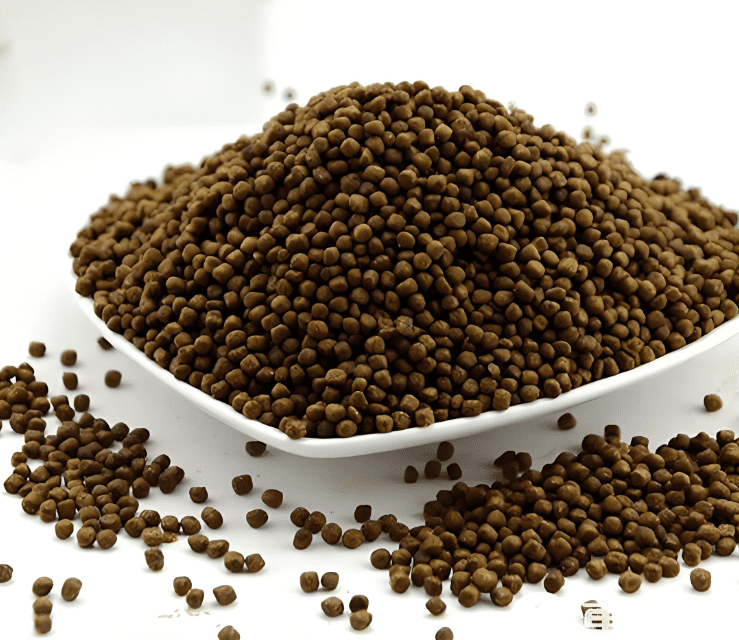
Commercial fish food, marketed as scientifically-formulated nutrition for aquarium and farmed fish, undergoes intensive industrial processing that bears little resemblance to natural feeding patterns. fish feed extruder This article examines the manufacturing processes behind common fish flakes, pellets, and specialty feeds.
Raw Material Sources and Quality Concerns
1. Primary Protein Sources
- Fishmeal Alternatives: While premium brands use whole fish or fishmeal, many budget products rely on:
- Soybean meal (50-60% of some formulations)
- Poultry by-product meal (feathers, organs, rendered carcasses)
- Corn gluten meal
- Meat and bone meal from unspecified sources
- Sustainability Issues: Wild-caught forage fish for fishmeal contribute to ocean depletion, while plant proteins often come from GMO crops.
2. Fillers and Binders
- Wheat/Flour: 20-30% of many formulas as inexpensive carbohydrates
- Potato/Starches: Used for pellet cohesion but offer limited nutrition
- Gums and Cellulose: Artificial binding agents (guar gum, xanthan gum) that can cause digestive issues in some fish species
The Manufacturing Process: From Waste to “Complete Nutrition”
1. Grinding and Homogenization
- Raw materials are ground into fine powder, often including:
- Outdated human food products
- Agricultural by-products
- Stabilized oils (some nearing expiration)
- This mixture creates a uniform but nutrient-variable base material.
2. Extrusion Processing (Most Common Method)
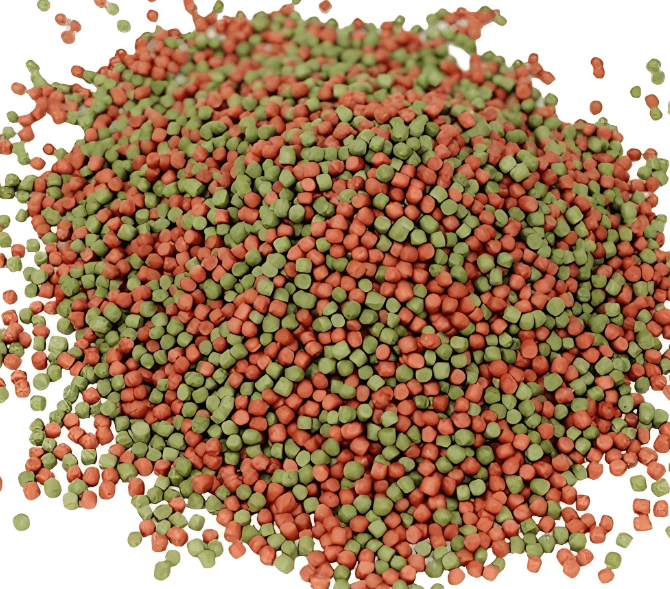
- High-Temperature Cooking: Mixture undergoes extrusion at 120-150°C (250-300°F), causing:
- Natural vitamin degradation (especially C and B vitamins)
- Protein denaturation that reduces bioavailability
- Formation of advanced glycation end-products (AGEs)
- Shaping and Sizing: The dough-like mixture is forced through dies, creating various pellet shapes and sizes.
- Rapid Drying: High-heat drying reduces moisture to <10% but further degrades heat-sensitive nutrients.
3. Post-Processing Additions
- Surface Coating: After extrusion, synthetic vitamins, minerals, fish feed extruder and antioxidants are sprayed on pellets
- These synthetic nutrients have lower bioavailability than whole-food nutrients
- Fat coatings (often fish or plant oils) are applied, some of which may be partially oxidized
- Color Enhancers: Artificial pigments (canthaxanthin, astaxanthin) added to improve consumer appeal, not fish health
- Some pigments accumulate in fish tissue, potentially affecting long-term health
4. Flake Food Production
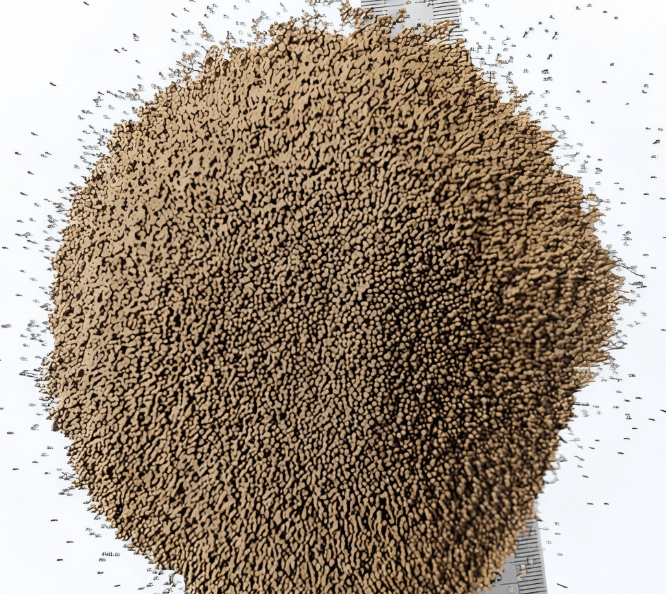
- Thin layers of mixture are baked on heated drums
- Scraped off and broken into irregular flakes
- More surface area exposed to oxidation than pellets
Nutrient Degradation and Compensation Strategies
1. The “Over-Fortification” Practice
Manufacturers intentionally add 30-100% more synthetic vitamins than labeled because:
- Processing destroys significant amounts
- Storage degradation continues post-production
- Regulatory requirements only guarantee label amounts at manufacture, not consumption
2. Preservative Systems
- Chemical Preservatives: Ethoxyquin (banned in human food in many countries), BHA, BHT
- Natural Alternatives: Mixed tocopherols (vitamin E), rosemary extract (less effective, more expensive)
- Stabilization Challenges: High-fat content makes fish food prone to rancidity, especially in transparent packaging
Quality Disparities Across Market Segments
1. Economy vs. Premium Lines
| Component | Economy Feed | Premium Feed |
|---|---|---|
| Protein Source | Plant-based blends, by-products | Whole fish meal, squid, krill |
| Carbohydrates | 30-40% (wheat, corn) | 10-20% (spirulina, seaweed) |
| Additives | Artificial colors, synthetic vitamins | Natural pigments, whole-food supplements |
| Processing | High-heat extrusion | Lower-temperature methods |
| Packaging | Simple plastic bags | Oxygen-barrier bags, nitrogen flushing |
2. Specialized Formulations Reality
- “Color-Enhancing” Foods: Often just higher pigment content, not necessarily better nutrition
- “Herbivore” Formulas: May still contain significant fishmeal (5-15%)
- “Medicated” Feeds: Antibiotics (like oxytetracycline) added prophylactically in aquaculture settings
Environmental and Ethical Implications
1. Resource Utilization
- Fish-in/fish-out ratios for farmed species: Up to 5kg wild fish to produce 1kg farmed fish
- Water usage: Significant water required for crop ingredients in feeds
- Energy intensity: Extrusion and drying processes consume substantial energy
2. Supply Chain Transparency Issues
- Ingredient origin often obscured as “marine products” or “animal protein”
- Batch-to-batch variability significant but rarely disclosed
- Limited regulation on feed contamination (heavy metals, microplastics, toxins)
Aquatic Health Concerns
1. Digestive Compatibility
- Many farmed and ornamental fish species lack enzymes to efficiently process high carbohydrate loads
- Plant proteins contain anti-nutritional factors (lectins, phytates) that can affect nutrient absorption
- Excessive binding agents may contribute to constipation and swim bladder issues
2. Long-Term Effects
- Vitamin deficiencies despite “complete” labeling
- Fat-soluble vitamin toxicity possible from over-fortification
- Immune function impacts from preservative accumulation
- Reproductive issues linked to hormone disruptors in some ingredients
Industry Practices and Consumer Realities
1. Marketing vs. Formulation
- “Natural” claims often refer to only 1-2 ingredients
- Pictures of whole seafood on packaging despite minimal content
- Misleading “scientifically formulated” claims based on minimum requirements, not optimal health
2. Storage and Shelf Life
- Nutrient degradation accelerates after opening
- Light exposure destroys vitamins and oxidizes fats
- Recommended shelf life (12-24 months) exceeds stability of many nutrients
Emerging Alternatives and Trends
1. Sustainable Developments
- Insect-based proteins (black soldier fly larvae)
- Single-cell proteins (yeast, bacteria)
- Algae and seaweed integration
- By-product utilization improvements
2. Processing Innovations
- Low-temperature extrusion
- Vacuum coating for nutrient preservation
- Micro-encapsulation of sensitive nutrients
- Fermentation to improve digestibility
Conclusion: Navigating the Aquafeed Landscape
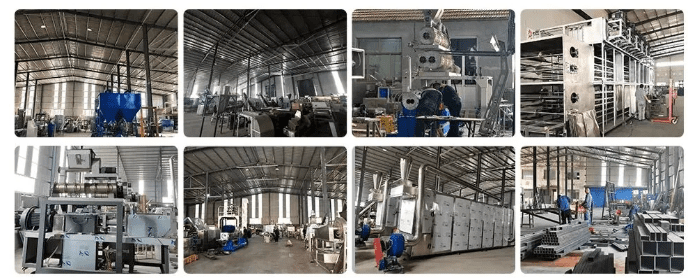
Commercial fish food manufacturing represents a compromise between nutritional science, production efficiency, and economic reality. While providing convenient nutrition, fish feed extruder the processes involved often degrade natural nutrients, require artificial fortification, and utilize ingredients of varying quality.
For consumers:
- Understand that all processed fish foods involve compromises
- Premium brands generally offer better ingredient quality and processing
- Variety and supplementation with fresh/frozen foods remain important
- Storage conditions significantly affect nutritional value
- Transparency varies greatly between manufacturers
For the industry:
- Need for improved processing methods that preserve nutrients
- Greater ingredient transparency and traceability
- Development of truly species-appropriate formulations
- Reduced reliance on wild-caught forage fish
- Honest marketing about product limitations
The ideal fish diet would mimic natural feeding patterns, but until production methods evolve significantly, most commercial fish foods remain engineered products designed more for manufacturing efficiency and shelf stability than optimal aquatic nutrition.