
The Golden Shroud: A Comprehensive Exposé on the Industrial Production of Breadcrumbs
Introduction: More Than Just a Coating
In the pantheon of culinary ingredients, few are as ubiquitous yet anonymously functional as the breadcrumb. This humble, often golden-brown particulate is the unsung hero of the food world, the final, crispful act in a drama starring proteins and vegetables. It is the shattering crust on a perfectly fried chicken cutlet, the textured topping on a creamy macaroni and cheese, the binding agent in a savory meatball, and the flavorful filler in a stuffings. For most consumers, breadcrumbs are a simple commodity, an afterthought purchased in a canister or a bag from the supermarket aisle, with little consideration given to their origin or the complex journey they undertook to get there.

The common perception is one of delightful simplicity: take bread, dry it, and crumble it. While this is the foundational principle, the industrial-scale production of breadcrumbs is a world away from this domestic image. It is a sophisticated, multi-stage process that intersects food science, mechanical engineering, and global supply chain logistics. It is a tale of transforming waste into value, of creating consistency from variability, and of engineering a shelf-stable product from one of the most perishable foods known to humanity: bread.
This article will serve as a definitive guide, pulling back the curtain on the massive, largely invisible industry of breadcrumb production. We will embark on a detailed journey from the very first ingredient to the final packaged product, exploring the myriad variations in formulation and technique that give us the diverse world of breadcrumbs—from Japanese panko to Italian seasoned crumbs. We will delve into the science of staling, the engineering of grinding and sifting, and the critical importance of quality control in an industry that often repurposes the waste streams of other food sectors. We will uncover the fact that the breadcrumb on your plate may have begun its life as the crusts from a sandwich loaf factory, the mis-shaped buns from a fast-food supplier, or as a batch of bread specifically engineered to become nothing but a crumb. This is the story of the golden shroud, a deep dive into the industrial alchemy that turns simple bread into a global culinary staple.
Part 1: The Raw Material – Not All Bread is Created Equal
The production of breadcrumbs begins, unsurprisingly, with bread. However, the type, form, and source of this bread are the first and most critical variables in determining the final product’s character, quality, and cost. The industrial breadcrumb industry can be broadly divided into two primary sourcing streams, each with its own sub-categories and implications.
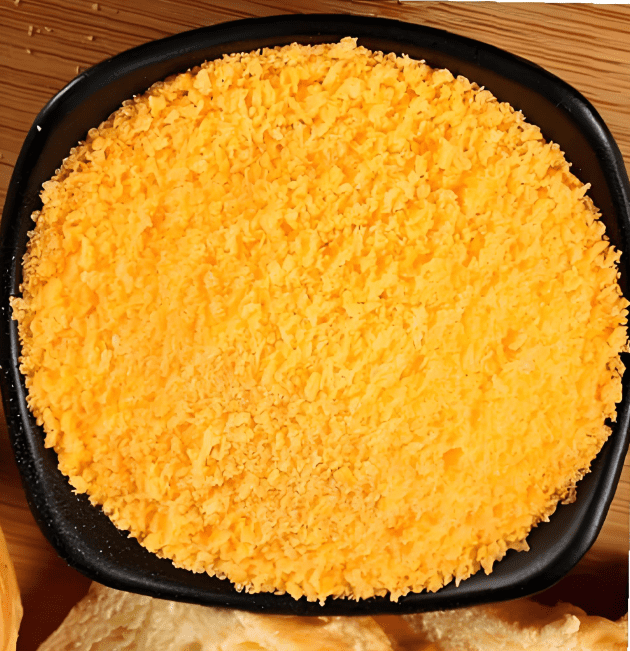
1.1. The Specific Loaf: Purpose-Built Bread for Crumbing
At the higher end of the quality spectrum, many manufacturers produce bread specifically and exclusively for conversion into breadcrumbs. This approach allows for maximum control over the final product’s attributes, such as color, texture, flavor, and absorption capacity.
- Formulation for Functionality: This is not the soft, preservative-laden sandwich bread found in supermarkets. Bread designed for crumbing is formulated with specific functional goals in mind.
- Minimal Fat and Sugar: Unlike consumer bread, which often includes fat for softness and sugar for flavor and browning, breadcrumb-specific loaves typically have very low levels of both. Fat can become rancid, limiting shelf life, and excess sugar can cause over-browning or burning during the final frying or baking by the end-user. A lean formula (flour, water, yeast, salt) is the standard base.
- High Protein Flour: Bread flour with a higher protein content (typically 12-14%) is often used. This gluten strength creates a chewier, more structured crumb that, when dried and ground, yields a coarser, more resilient particle—highly prized for its textural qualities.
- Controlled Fermentation: The fermentation process is carefully managed to develop just enough flavor without creating an overly open or irregular crumb structure that could lead to inconsistency in grinding.
- The Panko Paradigm: The most famous example of purpose-built breadcrumbs is Panko. Panko is not a seasoning or a brand, but a type of breadcrumb defined by its production process. It is made from a specific, crustless white bread that is baked by passing an electrical current through the dough. This unique method, rather than traditional oven baking, creates a bread with a unique, airy, shard-like structure and no crust. The resulting crumbs are larger, flakier, and crispier than traditional breadcrumbs, and they absorb less oil, leading to a lighter, less greasy fried food. The production of this specialized bread is a testament to the lengths manufacturers will go to engineer a specific textural experience.
1.2. The Second Life: Reclaiming Bakery By-Products
A significant, and perhaps more economically driven, segment of the breadcrumb industry is built on the principle of upcycling or reclaiming bakery waste. This is a sustainable and cost-effective model that converts what would be a disposal problem into a valuable commodity.

- Sources of “Bread Reclaim”:
- Crusts and Heels: In large-scale sandwich bread production, the perfectly uniform, crustless loaves used for pre-packaged sandwiches generate enormous volumes of crust trimmings. These are a primary raw material for many industrial breadcrumb producers.
- Unsold and Stale Goods: Bakery outlets, supermarkets, and food service distributors often have unsold bread, rolls, and buns that are past their “sell-by” date but are still perfectly safe for processing. These items are collected and diverted to breadcrumb plants.
- Production Errors: Mis-shaped loaves, under-baked or over-baked batches, and other products that fail a manufacturer’s quality control checks are frequently sent for crumbing rather than to a landfill.
- Bun Butts: The fast-food industry, with its massive consumption of hamburger and hot dog buns, generates specific waste in the form of the “butt ends” or the top and bottom slices that are discarded during the preparation of certain products.
- The Logistics of Reclaim: The collection of this material is a complex logistical operation. It must be gathered, transported, and stored in a manner that prevents spoilage, mold growth, and pest infestation. Often, it is frozen shortly after collection to preserve its quality until it can be processed. The variability of this input stream is a major challenge; a single batch might contain everything from whole wheat sandwich bread crusts to sweet, egg-rich brioche buns, requiring sophisticated blending and processing to achieve a consistent final product.
1.3. The Ingredient Breakdown: Deconstructing the Loaf
Whether purpose-built or reclaimed, all bread shares a common set of core ingredients whose properties fundamentally shape the resulting crumb.
- Flour: The backbone of the bread. The type of flour (white, whole wheat, rye) determines the crumb’s color, flavor, and nutritional profile. The protein content dictates the gluten network’s strength, influencing the crumb’s texture.
- Water: The hydration level of the dough affects the crumb’s density. A wetter dough often leads to larger, more irregular air pockets.
- Yeast: The primary leavening agent, responsible for the production of carbon dioxide that creates the bread’s airy structure. The by-products of yeast fermentation also contribute significantly to the characteristic flavor of bread.
- Salt: A critical ingredient for flavor and for controlling yeast activity and strengthening the gluten network.
- Additives (in commercial breads): Many industrial breads include dough conditioners (e.g., ascorbic acid), emulsifiers (e.g., soy lecithin, DATEM), and preservatives (e.g., calcium propionate). These compounds carry through into the breadcrumbs and can affect their performance and shelf life.
Part 2: The Primary Processing – From Loaf to Dry Fragments
Once the raw bread material has been sourced and delivered to the processing facility, it undergoes a series of transformative steps designed to stabilize it and prepare it for size reduction.
2.1. The Art of Staling: A Controlled Dehydration
The first and most crucial step is drying. The goal is to reduce the moisture content of the bread from approximately 35-40% down to between 8% and 12%. This is not a simple matter of applying heat; it is a carefully controlled process that aims to preserve the bread’s color and structure while eliminating the water that would lead to microbial spoilage.
- The Science of Staling: Contrary to popular belief, bread staling is not primarily about moisture loss but about a process called “retrogradation.” As bread cools, the gelatinized starch molecules begin to re-crystallize, reorganizing themselves into an ordered, crystalline structure. This process expels water (syneresis), making the bread firm and hard. Industrial drying accelerates this process under controlled conditions.
- Drying Technologies:
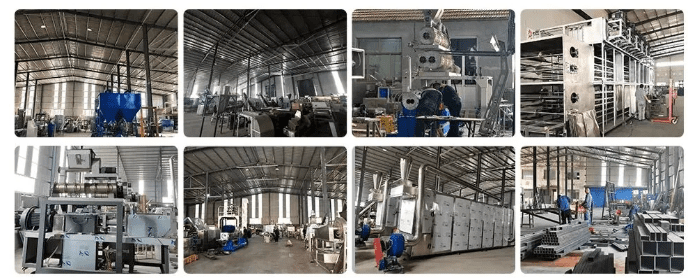
- Multi-Pass Conveyor Dryers: This is the workhorse of the industry. Bread is conveyed through a long, insulated oven on a series of stacked belts. Heated air is circulated through the oven, often in a counter-current flow (hot air moves in the opposite direction to the product) for maximum efficiency. The temperature is carefully controlled, typically starting lower (e.g., 120°F / 50°C) to drive moisture from the center without case-hardening (forming a hard, impermeable shell), and then gradually increased. The journey through the dryer can take anywhere from 20 minutes to over an hour, depending on the size of the bread pieces and the desired final moisture.
- Toasting for Color and Flavor: For products like “toasted breadcrumbs” or “Italian-style” crumbs, the drying stage is more aggressive. Higher temperatures (e.g., 350-450°F / 175-230°C) are used to initiate Maillard browning reactions. This process creates complex, nutty, roasted flavors and a deeper golden-brown color that is highly desirable. This is a critical step where precision is key; a few seconds too long can mean the difference between a perfectly toasted crumb and a burnt, bitter one.
- Fluidized Bed Dryers: In some advanced systems, a stream of hot air is blown upwards through a perforated plate, suspending the bread particles in a “fluidized” state. This maximizes the surface area exposed to the hot air, leading to very rapid and uniform drying.
2.2. The Milling and Grinding Stage: Engineering Particulate Size
Once the bread is thoroughly dried and brittle, it is ready for the size-reduction phase. This is where the diverse textures of different breadcrumb types are born. The choice of grinding equipment is the single greatest determinant of the final product’s physical characteristics.
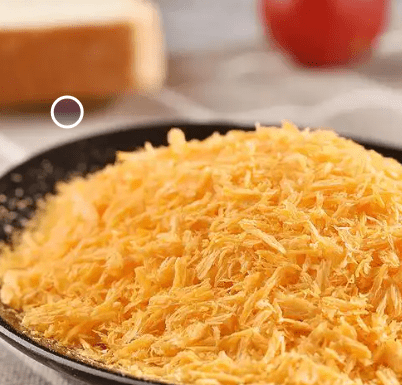
- Coarse Grinding – The Panko Process: For Panko, the goal is to create large, flaky shards. The crustless, electrically-baked loaves are fed through coarse-grinding rollers or a special mill that literally shreds the bread, tearing it apart along its natural structural lines. This shearing action, as opposed to a crushing action, preserves the elongated, flaky structure that gives Panko its signature light and crispy texture. The resulting crumbs are then sifted to ensure uniformity.
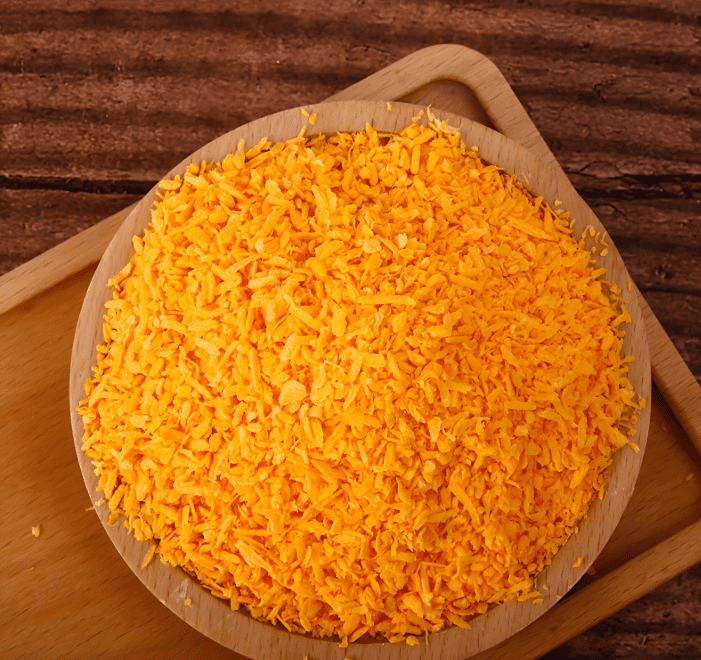
- Medium Grinding – The Standard Crumb: For traditional, all-purpose breadcrumbs, hammer mills are the most common tool. A hammer mill consists of a high-speed rotor inside a sealed chamber, with fixed or pivoting hammers that smash the dried bread against a metal screen or grate. The size of the holes in the screen determines the final particle size. A medium-sized screen (e.g., 1/8 to 1/4 inch) produces the familiar, sandy-textured breadcrumb found in standard canisters. The process is violent and generates heat, which can slightly alter the flavor if not controlled.
- Fine Grinding – The Powdered Crumb: For applications requiring a very fine, flour-like consistency—such as a binder in sausages or a thickener in sauces—the breadcrumbs are ground a second time through a much finer screen or using a different type of mill, such as a pin mill. These “powdered breadcrumbs” have a very high surface area and act as a powerful absorbent and binder.
- Cracker Meal: It is important to distinguish breadcrumbs from cracker meal. While similar in application, cracker meal is made from, as the name implies, dried and ground saltine-style crackers. It has a denser, finer texture and a distinct, saltier flavor profile.
2.3. The Sifting and Classification Stage: Achieving Uniformity
After grinding, the resulting product is a mixture of particles of various sizes. To meet strict industrial specifications, this mixture must be classified and separated.

- Vibratory Screens and Sieves: The ground crumbs are passed over a series of vibrating screens with progressively smaller mesh sizes. The first screen removes any oversized particles, which are sent back to the grinder for further processing. The subsequent screens separate the product into distinct fractions: coarse, medium, and fine.
- Air Classification: In some advanced systems, an air classifier (or sifter) uses a stream of air to separate particles by both size and density. Lighter, finer particles are carried away by the air current, while heavier, coarser particles fall out. This allows for a very precise separation.
- Dust Control: The grinding and sifting processes generate a significant amount of fine dust. This is not wasted. It is captured by cyclones and baghouse dust collectors and can be sold as a separate, low-grade product or reintroduced in controlled amounts into other batches.
Part 3: The Secondary Processing – Flavor, Fortification, and Blending
At this stage, the processor has a base product: a dry, stable, and consistently sized plain breadcrumb. For many industrial customers (e.g., food manufacturers who will use it as a coating for frozen fish sticks), this is the final product. However, for the consumer market, this is where value is added through flavoring, seasoning, and functional enhancements.
3.1. The Seasoning Kitchen: Creating Flavor Profiles
The blending of plain breadcrumbs with seasonings is a precise science. A typical “Italian Seasoned” breadcrumb, for example, might contain:
- Salt
- Dehydrated Garlic and Onion
- Spices (Oregano, Basil, Thyme, Marjoram, Rosemary)
- Parmesan Cheese Powder (Whey, Cheese Solids, Salt)
- Sugar
- Maltodextrin (a carrier and bulking agent)
- Yeast Extract (for savory, umami notes)
- Natural Flavors
- Anti-caking Agents (e.g., silicon dioxide)
The process involves large, slow-tumbling ribbon blenders. The dry, plain crumbs are fed into the blender, and the pre-mixed, dry seasoning blend is added in a precise ratio. The blender rotates gently but thoroughly to coat every crumb particle evenly without breaking it. The addition of oil or liquid seasonings is less common in dry consumer products, as it can compromise shelf life, but it is sometimes used in specialized industrial applications.
3.2. Functional Fortification: Beyond Flavor
Breadcrumbs can also be used as a vehicle for nutritional fortification. Vitamins and minerals, such as iron (ferrous sulfate), B-vitamins (niacin, thiamine, riboflavin), and folic acid, can be sprayed onto the crumbs in a liquid form or blended in as a fine powder premix. This is often done to market “enriched” breadcrumbs, replacing the nutrients lost when using white flour.
3.3. The Blending of Bases
To achieve a consistent color and flavor profile year-round, especially when using a variable raw material like bakery reclaim, manufacturers often create master blends. They may mix crumbs from different batches or different base breads (e.g., a blend of white bread crumbs and whole wheat crumbs) to hit a specific color target or nutritional specification.
Part 4: Quality Control, Packaging, and Storage
The final stages of production are dedicated to preserving the quality that has been engineered into the product and preparing it for its journey to the consumer.
4.1. Rigorous Quality Control (QC)
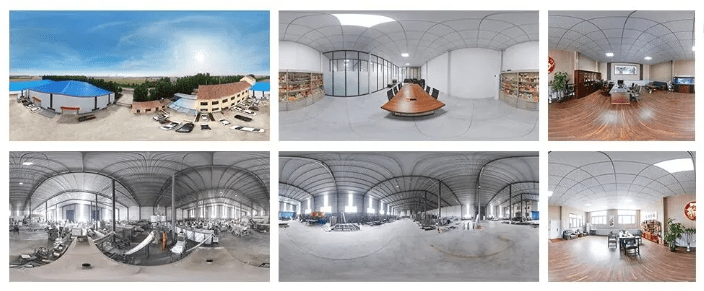
A modern breadcrumb plant has a dedicated QC laboratory that monitors the process at every stage.
- Raw Material Inspection: Incoming bread is checked for mold, off-odors, and foreign material.
- In-Process Checks: Moisture levels are constantly monitored after drying. Particle size distribution is analyzed using a set of standardized sieves.
- Finished Product Analysis: Every batch of finished crumbs is tested for:
- Moisture Content: Using a rapid moisture analyzer or the loss-on-drying method. This is critical for shelf-life prediction.
- Water Activity (aw): A more precise measure of the “free” water available for microbial growth. A safe level is below 0.65.
- Color: Measured using a colorimeter to ensure batch-to-batch consistency.
- Bulk Density: How much a given volume of crumbs weighs. This is crucial for manufacturers who use volumetric filling for their packages.
- Microbiological Testing: Regular checks for pathogens like Salmonella and E. coli, as well as for total plate count, yeast, and mold.
4.2. Packaging: The Final Barrier
Packaging serves two primary functions: containment and protection.
- Protection from the Environment: The three great enemies of breadcrumbs are moisture, oxygen, and light. Moisture will make them soft and clumpy, oxygen will lead to rancidity (especially if any fat is present from the original bread), and light can degrade colors and flavors.
- Multi-Layer Bags: Consumer canisters are often lined with a multi-layer plastic film that includes a barrier layer like ethylene vinyl alcohol (EVOH) to prevent oxygen transmission. The bags are often flushed with nitrogen gas before sealing. By displacing the oxygen-rich air with inert nitrogen, the manufacturer drastically slows down oxidative rancidity, ensuring a long shelf life.
- Bulk Packaging: For industrial customers, breadcrumbs are shipped in 25-50 kg multi-wall paper bags with plastic liners, or in large, returnable totes (bulk bags) that can hold over 1,000 pounds of product.
4.3. Storage and Distribution
The packaged product is stored in a clean, dry, and cool warehouse. From there, it is distributed to grocery store chains, food service distributors, and other food manufacturing plants that will use it as an ingredient in their own products, from frozen appetizers to prepared stuffings.
Part 5: The Global Context and Future Trends
The breadcrumb industry, while seemingly mundane, is a dynamic global business that responds to changing consumer demands and technological advancements.
5.1. A Global Market
The demand for breadcrumbs is universal, mirroring the global consumption of breaded and fried foods. Japan remains the epicenter of Panko production and consumption, while Europe and North America have mature markets for traditional and seasoned crumbs. Emerging economies are seeing rapid growth as Western-style fried foods become more popular.
5.2. Consumer Trends Driving Innovation
- Clean Label: Consumers are increasingly seeking products with simple, recognizable ingredients. This has pushed manufacturers to move away from artificial flavors, colors, and preservatives in their seasoned crumbs. “No Added Sugar” and “Low Sodium” variants are also growing in popularity.
- Health and Wellness: There is a growing market for breadcrumbs made from “healthier” base breads, such as whole grain, multigrain, gluten-free, keto-friendly (using almond or coconut flour), and high-fiber options.
- Sustainability: The use of bakery reclaim is a powerful sustainability story that more companies are highlighting. It aligns with a growing consumer desire to reduce food waste.
- Functional Crumbs: Research is ongoing into crumbs with enhanced functional properties, such as crumbs that adhere better with less oil pickup, or those that contain probiotics.
Conclusion: The Unsung Hero of the Culinary World
The journey of a breadcrumb, from a loaf of bread—whether purpose-baked or rescued from waste—to the perfectly crisp coating on a piece of fish, is a testament to human ingenuity in food processing. It is a story that intertwines basic food science with complex industrial engineering, all in the service of creating a consistent, reliable, and versatile ingredient. The next time you sprinkle breadcrumbs on a casserole or bite into a crunchy fried cutlet, consider the intricate, controlled, and fascinating process that gave that simple, golden particle its form and function. The humble breadcrumb, far from being a mere afterthought, is a finely engineered food product, a crucial component in global food systems, and truly, the golden shroud that elevates the ordinary to the extraordinary.