
The Critical Six: A Comprehensive Guide to Key Considerations in Fish Feed Manufacturing
1. Ingredient Selection and Quality Control: The Foundation of Excellence
The adage “garbage in, garbage out” is unequivocally true in feed manufacturing. The quality of the final pellet is intrinsically bounded by the quality of its constituent ingredients. fish food making machine price This stage is the first and arguably most critical control point.
1.1. Sourcing and Nutritional Variability
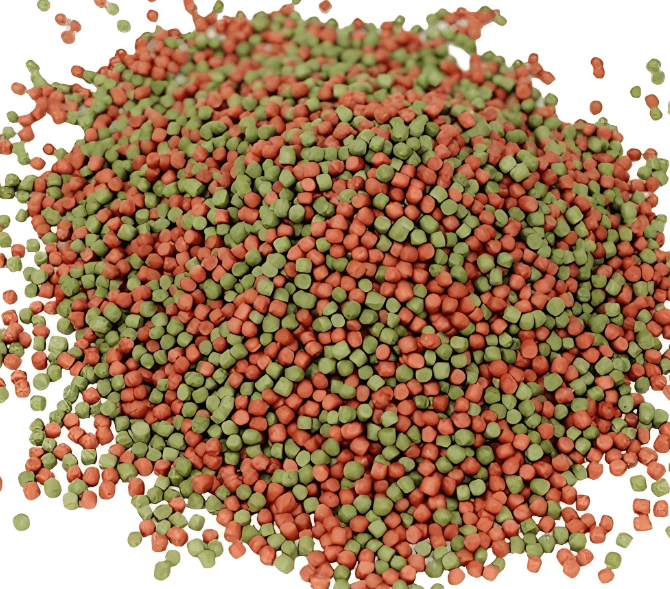
Ingredients for fish feeds are derived from a wide spectrum: marine resources (fishmeal, fish oil), terrestrial animal by-products (poultry meal, meat and bone meal), fish food making machine price plant proteins (soybean meal, corn gluten meal, wheat gluten, rapeseed meal), grains and carbohydrates (wheat, corn, rice), microalgae, single-cell proteins, and a suite of micro-ingredients (vitamins, minerals, amino acids, binders, antioxidants). Each source presents inherent variability.
- Fishmeal and Fish Oil: Their proximate composition (protein, fat), amino acid profile, fatty acid profile (especially EPA and DHA levels), and freshness indicators (e.g., free fatty acids, peroxides) vary dramatically based on species of origin (e.g., anchoveta vs. menhaden), season, fishing ground, and onboard handling/processing. Sustainable sourcing certifications (e.g., IFFO RS, MarinTrust) are now integral to procurement policies.
- Plant Proteins: Variability arises from genetic differences, climatic conditions during growth, soil quality, and processing methods. Anti-nutritional factors (ANFs) such as trypsin inhibitors (soybean), glucosinolates (rapeseed), gossypol (cottonseed), and non-starch polysaccharides (NSPs) must be quantified and mitigated. fish food making machine price The genetic modification of crops (e.g., glyphosate-resistant soy) also factors into sourcing decisions.
- By-Product Meals: Consistency is a major challenge. The nutritional profile of poultry meal depends on the proportions of feathers, viscera, and trimmings, and the rendering temperature/time.
1.2. Incoming Quality Control (IQC) Protocols
A robust IQC system is non-negotiable. It should be risk-based, focusing on frequency and depth of testing according to the ingredient’s risk profile and historical supplier performance.
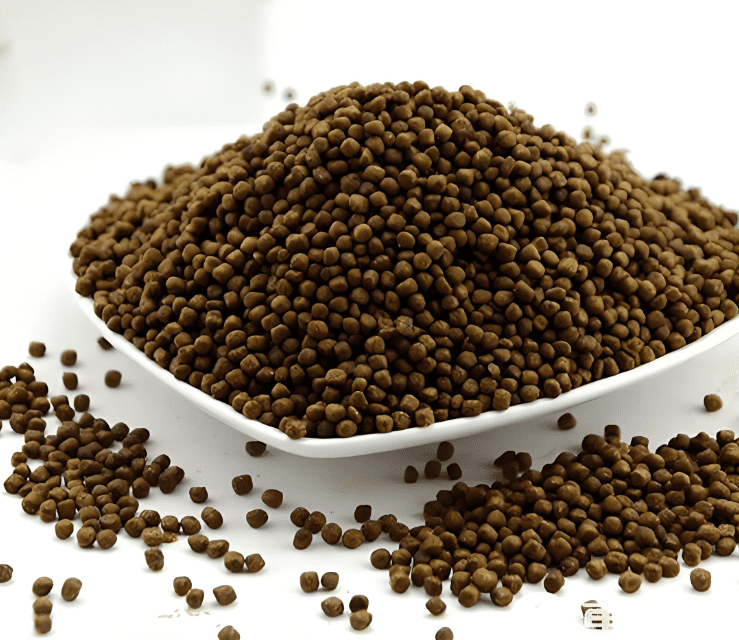
- Visual and Sensory Inspection: The first line of defense. Check for color consistency, abnormal odors (rancidity, moldiness), signs of contamination (e.g., insect infestation, foreign material), and uniform particle size.
- Proximate Analysis: Rapid, often in-house, determination of moisture, crude protein (via Kjeldahl or Dumas combustion), crude fat (via solvent extraction), crude ash, and crude fiber. These provide a basic nutritional snapshot.
- Advanced Analytical Chemistry:
- Amino Acid Analysis: Using HPLC to ensure the ingredient delivers the promised essential amino acid (EAA) levels, particularly lysine, methionine, threonine for protein sources.
- Fatty Acid Profiling: GC analysis to verify the levels of key fatty acids, especially for oils.
- Mycotoxin Screening: Using ELISA test kits or HPLC-MS/MS for potent toxins like aflatoxin, ochratoxin, fumonisin, and zearalenone, which are prevalent in grains and their by-products.
- Pro-Nutrient Analysis: For vitamin premixes, periodic assay via HPLC to verify potency, as vitamins degrade over time.
- Contaminant Screening: Heavy metals (lead, cadmium, mercury, arsenic), dioxins, PCBs, and pesticide residues require periodic monitoring, often at external accredited laboratories.
- Functional Testing: For binders (e.g., testing gel strength of starches, viscosity of gums), evaluating the pelleting ability of a meal, or measuring the water stability of a prototype ingredient.
1.3. Supplier Relationship and Traceability
Developing long-term partnerships with reliable suppliers is more strategic than spot purchasing. A qualified supplier program, with shared specifications and audit protocols, fish food making machine price enhances consistency. Full traceability back to the field, vessel, or processing batch is increasingly demanded by certification schemes and retailers. Digital systems (Blockchain, ERP integrations) are being employed to manage this complex data.
1.4. Storage and Preservation
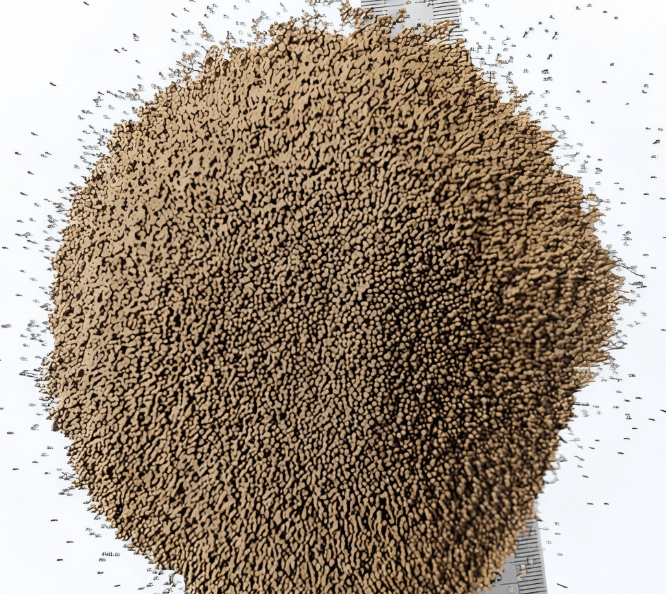
Proper storage is an extension of quality control. Ingredients must be stored under conditions that minimize deterioration.
- Temperature and Humidity Control: Cool, dry warehouses prevent microbial growth (molds, bacteria) and chemical reactions like Maillard browning. Silo and bin aeration systems are crucial.
- Pest Management: A comprehensive integrated pest management (IPM) program using rodenticides, insecticides, traps, and strict sanitation prevents contamination and loss.
- Stock Rotation: Enforcing a “First-In, First-Out” (FIFO) inventory system to prevent ingredient aging and degradation, particularly for unstable materials like oils, vitamins, and certain proteins.
- Antioxidants: Direct application of antioxidants (e.g., ethoxyquin, BHT, BHA, natural tocopherols) to fats and oils during storage or upon receipt can delay oxidative rancidity.
2. Nutritional Formulation and Balance: The Art and Science of Precision
Formulation is the intellectual blueprint that translates nutritional requirements into a physical feed. It is a dynamic optimization problem balancing biology, cost, and physical constraints.
2.1. Understanding Species-Specific Requirements
There is no universal “fish feed.” Nutrient requirements differ profoundly.
- Carnivores vs. Herbivores/Omnivores: Salmonids (trout, salmon) and marine finfish (sea bass, bream) require high levels (40-50%) of high-quality, animal-based protein with a balanced EAA profile. Tilapia and carp can thrive on lower protein levels (28-35%) with higher inclusion of plant proteins and carbohydrates.
- Life Stage Specificity: Larval feeds (microdiets) require ultra-high protein and energy, fish food making machine price extreme digestibility, and leach-proofing. Grow-out feeds prioritize efficient growth and FCR. Broodstock feeds are tailored for gamete quality, often with specialized fatty acid and vitamin profiles (e.g., elevated vitamin E, astaxanthin for coloration in salmonids).
- Essential Nutrient Specifications: The formulator must target precise levels for:
- Amino Acids: Providing all ten EAAs in the correct proportions, with lysine and methionine typically being first-limiting. The concept of ideal protein profile is key.
- Fatty Acids: For marine species, ensuring adequate long-chain polyunsaturated fatty acids (LC-PUFA), specifically EPA (20:5n-3) and DHA (22:6n-3). For freshwater species, providing the precursor linolenic acid (18:3n-3) may suffice.
- Vitamins and Minerals: Formulating to meet established dietary levels, considering bioavailability (e.g., organic vs. inorganic minerals, phosphate digestibility), interactions (e.g., vitamin C and copper), and processing losses.
- Energy Balance: The critical ratio of digestible protein to digestible energy (DP/DE). An imbalanced ratio leads to protein being catabolized for energy (wasteful) or poor feed intake.
2.2. Least-Cost Formulation (LCF) with Biological Constraints
LCF software is the industry standard. It uses linear programming to select the combination of ingredients from a database that meets all set nutritional constraints (e.g., min. protein, min. lysine, max. fiber, max. phosphorus) at the lowest possible cost per ton. The art lies in setting intelligent constraints. Over-constricting leads to high cost; under-constricting risks nutritional deficiency or poor physical quality. Modern software incorporates “shadow prices” to show the cost impact of each constraint.

2.3. Nutrient Delivery and Bioavailability
Formulation is about deliverable nutrients, not just chemical analysis.
- Anti-Nutritional Factors (ANFs): Plant ingredients contain ANFs that impair digestion (protease inhibitors), bind nutrients (phytate binds minerals), or cause intestinal damage (lectins). Formulation strategies include setting maximum inclusion limits, selecting processed ingredients (e.g., fermented soybean meal, protein concentrates), and incorporating exogenous enzymes (phytase, proteases, carbohydrases) to liberate nutrients.
- Palatability: Feed must be eaten. Attractants like betaine, amino acids (glycine, alanine), and nucleotides are often added, especially when fishmeal levels are reduced. Poor palatability leads to feed refusal, waste, and uneven growth.
- Gut Health: The formulation is the primary driver of intestinal health. Functional ingredients like prebiotics (MOS, FOS, beta-glucans), probiotics, organic acids, and yeast products are strategically included to modulate microbiota, enhance barrier function, and improve immune competence, reducing the need for antibiotics.
2.4. Adapting to Ingredient Market Dynamics
Formulators must be agile. Volatility in the price and availability of key ingredients (e.g., fishmeal, soy) necessitates rapid reformulation. This requires maintaining a diverse portfolio of validated alternative ingredients (e.g., insect meal, algal meal, single-cell proteins) and understanding their functional limitations in processing.
3. Feed Processing Technology and Parameters: Engineering Nutrition
The transformation of a powder mix into a durable, fish food making machine price water-stable pellet is a multi-step thermal-mechanical process where parameters critically influence nutritional value and physical quality.
3.1. Grinding and Particle Size Reduction
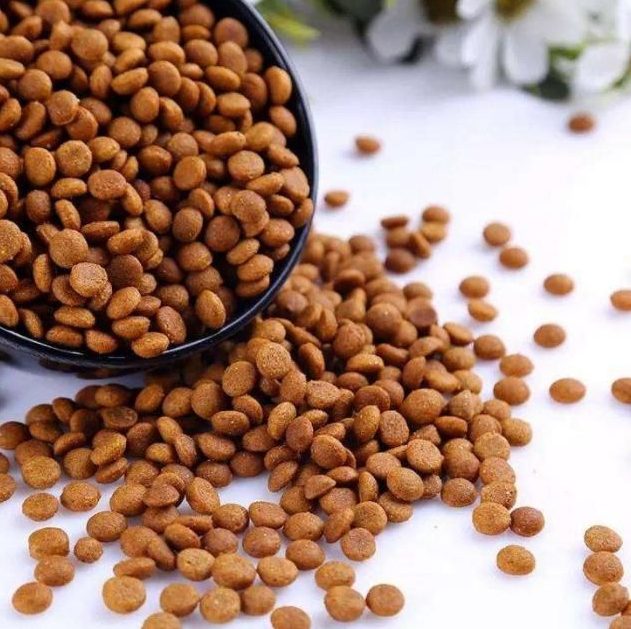
The primary goal is to increase the surface area of ingredients for efficient mixing, conditioning, and digestion. A uniform, fine particle size is crucial.
- Hammer Mills vs. Roller Mills: Hammer mills are common, using screens to control top particle size. Roller mills crush particles, creating a more uniform size distribution with less heat generation and fines, beneficial for high-fat formulas.
- Particle Size Distribution (PSD): Measured via sieving or laser diffraction. Optimal PSD depends on the feed type. For extruded feeds, a D90 (90% of particles below this size) of 250-400 microns is typical. Too many fines hinder conditioning; too many coarse particles lead to poor pellet integrity and nutrient leaching.
- Impact on Nutrition: Fine grinding improves starch gelatinization and protein denaturation during conditioning, enhancing binding. It also increases digestibility by exposing more surface area to digestive enzymes.
3.2. Mixing
Achieving a homogeneous distribution of micro-ingredients (vitamins, minerals, medications) in a macro-batch is fundamental for consistent nutrition.
- Batch Mixing: The industry standard. Mixing time is critical; both under-mixing and over-mixing (leading to segregation) must be avoided. Coefficient of Variation (CV) for key tracers (e.g., salt, a vitamin) should be less than 5-10%.
- Liquid Addition: Post-mixing, fats, oils, and heat-sensitive liquids (e.g., some vitamins, enzymes) are often coated onto the pellets. Precise metering pumps and coating systems are required for uniform application.
3.3. Conditioning
This is the heart of the process where steam, water, and mechanical shear are applied to the meal. It hydrates and cooks the mixture, initiating physicochemical changes.
- Thermal Conditioning: In conventional pelleting, a short-term conditioner (30-120 seconds) at 70-85°C gelatinizes starches and plasticizes proteins, acting as natural binders.
- High-Shear Conditioning/Expanding: For extrusion, a longer, more intense pre-conditioning stage (often at >90°C) achieves superior starch gelatinization (>90%) and protein denaturation, which is essential for the extrusion process and water stability.
3.4. Pelleting vs. Extrusion
- Pelleting (Compression Pelleting): The conditioned mash is forced through holes in a die by rollers. Simpler, lower cost, lower energy input. Produces dense, sinking pellets. Limited ability to incorporate high fat levels (>12-15%) into the mash. Primarily used for shrimp feeds, tilapia, carp, and salmon early-feeding diets.
- Extrusion (Thermoplastic Extrusion): The conditioned mash is subjected to high temperature (110-150°C), high pressure (20-40 bar), and intense shear inside the extruder barrel before being forced through a die. The sudden pressure drop at the die causes moisture to flash off, creating an expanded, porous structure.
- Key Advantages: Controls buoyancy (sinking, slow-sinking, floating) via density control. Can incorporate very high fat levels (>25%) via post-extrusion vacuum coating. Produces pellets with superior water stability and durability.
- Critical Parameters: Screw configuration, barrel temperature profile, die geometry, knife speed (cutting pellet length), and drying/cooling conditions.
3.5. Post-Processing: Drying, Cooling, Coating
- Drying: Extruded pellets have 22-28% moisture and must be dried to 8-10% for stability. Multi-pass, horizontal dryers with controlled temperature (90-110°C) and airflow are used. Drying must be uniform to prevent mold growth and nutrient degradation.
- Cooling: Brings pellets to ambient temperature, preventing condensation in bags. Counter-flow coolers are efficient.
- Coating (Enrobing): The primary method for adding fats, oils, and other liquids. Vacuum coating chambers are state-of-the-art, pulling a vacuum to remove air from the pellet pores, then injecting oil, which is drawn deep into the structure, allowing for very high fat uptake (30-40%+) without surface oiliness.
3.6. Process Control and Automation
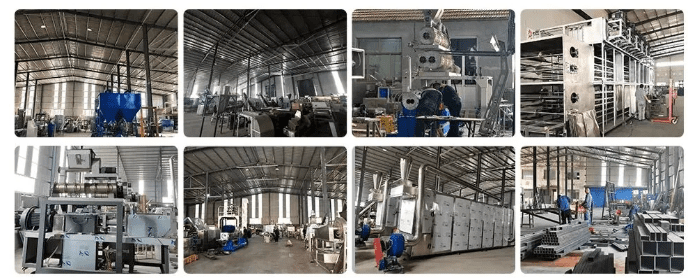
Modern mills employ Programmable Logic Controllers (PLCs) and Supervisory Control and Data Acquisition (SCADA) systems to monitor and control every parameter: steam pressure and temperature, fish food making machine price conditioner retention time, extruder motor load, die pressure, dryer temperatures, and coating percentages. This ensures batch-to-batch consistency and allows for precise recipe execution.
4. Feed Physical Quality and Stability: The Performance Determinants
A nutritionally perfect formulation is worthless if it disintegrates before consumption or leaches nutrients into the water.
4.1. Pellet Durability and Hardness
- Durability Index (DI): Measured using a standardized tumbling box (e.g., Holmen tester, Pfost tester). A high DI (>95%) indicates resistance to breakage during handling, transport, and pneumatic feeding systems, minimizing fines. Fines are wasteful, polluting, and often uneaten.
- Hardness: Measured with a hardness tester. Optimal hardness is species-specific. Very hard pellets may be rejected by some fish; too-soft pellets break easily.
4.2. Water Stability
This is paramount, especially for slow-feeding species like shrimp and bottom-feeders.
- Testing: Pellets are submerged in water for a prescribed time (e.g., 30 mins, 2 hours), then assessed for physical integrity and nutrient leaching (measured by analyzing the water for nitrogen, phosphorus).
- Factors Influencing Stability: The degree of starch gelatinization and protein denaturation during processing is the primary driver. Use of binders (e.g., wheat gluten, lignosulfonates, specific gums) enhances stability. Particle size and formulation (fiber level, fat level) also play a role.
4.3. Pellet Size, Shape, and Buoyancy
- Size and Shape: Must match the mouth gape of the target species and life stage. Dies are customized to produce crumbles, mini-pellets, or various diameters. Shrimp feeds are often elongated.
- Buoyancy (Density): Precisely controlled in extrusion by adjusting recipe (starch level), processing parameters (water injection, screw speed), and dryer settings. Salmon feeds are dense and sink rapidly; catfish feeds may be floating for observation.
4.4. Nutritional Integrity Post-Processing
The harsh conditions of processing can destroy heat-labile nutrients.
- Vitamin Losses: Vitamins A, C, D, thiamine, and folic acid are particularly susceptible. Overages in the premix (often 20-50% above declared levels) are added to compensate for processing and storage losses.
- Amino Acid Availability: The Maillard reaction (between reducing sugars and lysine’s epsilon-amino group) can render lysine biologically unavailable. Controlling moisture, temperature, and time during drying is key to minimizing this.
- Fat Oxidation: The combination of heat, oxygen, and metals during processing can initiate lipid oxidation. Use of antioxidants (synthetic or natural) in the fat blend is essential.
5. Safety and Contaminant Control: The Non-Negotiable Mandate
Feed safety is a prerequisite for animal health, human consumer safety, and market access.
5.1. Biological Hazards
- Pathogenic Bacteria: Salmonella spp. is the primary concern. Its control requires a holistic approach: sourcing from Salmonella-free suppliers, implementing heat treatment during processing (pelleting/expulsion provides a lethal pasteurization step), and preventing recontamination in cooler, coating, and bagging areas through strict hygiene, zoning, and environmental monitoring.
- Molds and Mycotoxins: Prevention through proper storage of ingredients is primary. Processing heat does not destroy most mycotoxins. Routine monitoring of high-risk ingredients is essential.
5.2. Chemical Hazards
- Heavy Metals: Accumulate from environmental pollution. Regular testing of fishmeal, mineral premises, and plant ingredients from certain regions is required.
- Persistent Organic Pollutants (POPs): Dioxins, PCBs, and certain pesticides can contaminate marine ingredients and fats. Sourcing from clean regions and using purification technologies (e.g., activated carbon filtering for fish oil) are control measures.
- Veterinary Drug Residues: Cross-contamination from medicated feeds is a major risk. This is managed by strict scheduling (running non-medicated batches after medicated ones), physical separation of lines, and dedicated equipment for micro-ingredient addition.
- Processing-Induced Hazards: Acrylamide (from overheated carbohydrates), chloropropanols (from hydrolyzed vegetable proteins) are emerging concerns monitored by food safety authorities.
5.3. Physical Hazards
Metal fragments from worn equipment, glass, plastics, or stones. Managed by magnets at multiple points, sieves, and metal detectors at the final product stage.
5.4. The Food Safety Management System
A proactive, documented system like HACCP (Hazard Analysis Critical Control Point) is the global benchmark. It involves:
- Hazard Analysis.
- Identifying Critical Control Points (CCPs) – e.g., conditioning/extrusion (for microbial kill), metal detection.
- Establishing critical limits for each CCP.
- Monitoring procedures.
- Corrective actions.
- Verification procedures (e.g., calibration, testing).
- Record-keeping.
Certifications like FAMI-QS, GMP+, and ISO 22000 provide frameworks for implementation and are often required by customers.
6. Sustainability and Environmental Impact: The License to Operate
Modern feed manufacturing is inextricably linked to environmental stewardship.fish food making machine price The feed dictates the environmental footprint of the farm.
6.1. Resource Efficiency and Circular Economy
- Fish-In: Fish-Out (FIFO) Ratio: A key metric measuring how many kilograms of wild fish are used to produce one kilogram of farmed fish. Through the use of fishery by-products, trimmings, and alternative ingredients, the FIFO ratio for species like salmon has fallen below 1.0, meaning aquaculture is a net producer of marine protein.
- Alternative Ingredients: The driving force for sustainability.
- Plant Proteins: The main alternative, but their sustainability is linked to land use change and water footprint.
- Insect Meal: From black soldier fly or mealworm. Efficient converters of organic waste into high-quality protein and fat.
- Single-Cell Proteins: From bacteria, yeast, or microalgae grown on methane, ethanol, or sugars.
- Algal Oils: As a direct, renewable source of DHA and EPA, relieving pressure on forage fish stocks.
- By-Product Utilization: Using trimmings from seafood processing, poultry processing, and rendering not only improves sustainability but also adds value to the human food chain.
6.2. Nutrient Retention and Waste Minimization
The goal is to maximize the proportion of ingested nutrients retained for growth and minimize excretion.
- Precision Nutrition: Formulating to exact requirements using digestible nutrient values minimizes excess nitrogen and phosphorus in feces.
- Phosphorus Management: Using highly digestible inorganic phosphates (MCP) or incorporating the enzyme phytase to liberate plant-bound phosphorus dramatically reduces phosphorus excretion, a major cause of eutrophication.
- High Digestibility: Optimizing ingredient selection, processing, and enzyme use to maximize nutrient uptake.
6.3. Energy and Carbon Footprint of Manufacturing
Feed mills are energy-intensive. Sustainability initiatives include:
- Energy Efficiency: Using variable-speed drives, heat recovery systems from dryers, and energy-efficient motors.
- Renewable Energy: Installing solar panels or sourcing green electricity.
- Logistics and Sourcing: Sourcing ingredients locally where possible to reduce transport emissions (food-miles).
6.4. Social Responsibility and Governance
Sustainable sourcing also encompasses social aspects: ensuring fair labor practices in the supply chain, supporting local communities, and engaging in transparent reporting (e.g., following ESG – Environmental, Social, and Governance – principles).
Conclusion: The Symphony of Six
The manufacture of modern fish feed is a symphony, where the six sections—Ingredient Quality, Nutritional Formulation, Processing Technology, Physical Quality, Safety, and Sustainability—must perform in perfect harmony under the conductor’s baton of rigorous science and meticulous management. Neglecting any one section creates dissonance that manifests as poor growth, diseased stock, polluted water, financial loss, or consumer rejection.
The industry’s future trajectory points towards ever-greater precision, digitization, and circularity. Precision aquaculture will demand feeds tailored not just to species and life stage, but to specific genetic lines, health status, and even real-time environmental conditions. Digital twins of manufacturing processes will optimize efficiency and consistency in real-time. fish food making machine price The integration of novel, sustainable ingredients will continue to decouple aquaculture growth from environmental constraints.
Ultimately, the fish feed manufacturer’s role is that of a vital enabler and steward. By mastering these six critical elements, the industry provides the essential link that allows global aquaculture to fulfill its promise: supplying healthy, safe, and affordable protein to a growing population while actively regenerating our aquatic and terrestrial ecosystems. The attention to detail in every gram of feed produced today echoes in the health of our oceans and the resilience of our food systems tomorrow.