
The global aquaculture industry continues to expand, driving an insatiable demand for efficient, sustainable, and high-performance aquafeeds. Protein is the most critical and expensive component in fish diets, essential for growth, tissue repair, and overall health. Producing high-protein fish feed is a complex process that involves careful ingredient selection, precise formulation, and advanced manufacturing technologies. This article explores the modern methodologies behind creating these feeds, from novel sustainable ingredients to the engineering principles of extrusion.
1. How To Selecting High-Quality Protein Ingredients
The foundation of any high-protein fish feed is its ingredients. Traditionally, fishmeal (FM) has been the gold standard due to its excellent amino acid profile and palatability. However, the high cost and ecological concerns regarding the sustainability of wild-caught fish for fishmeal have driven the industry to seek alternative protein sources .
Alternative Protein Sources
Modern aquafeeds utilize a diverse range of ingredients to achieve the desired protein content (often 30-55% crude protein, depending on the species). These can be broadly categorized into:
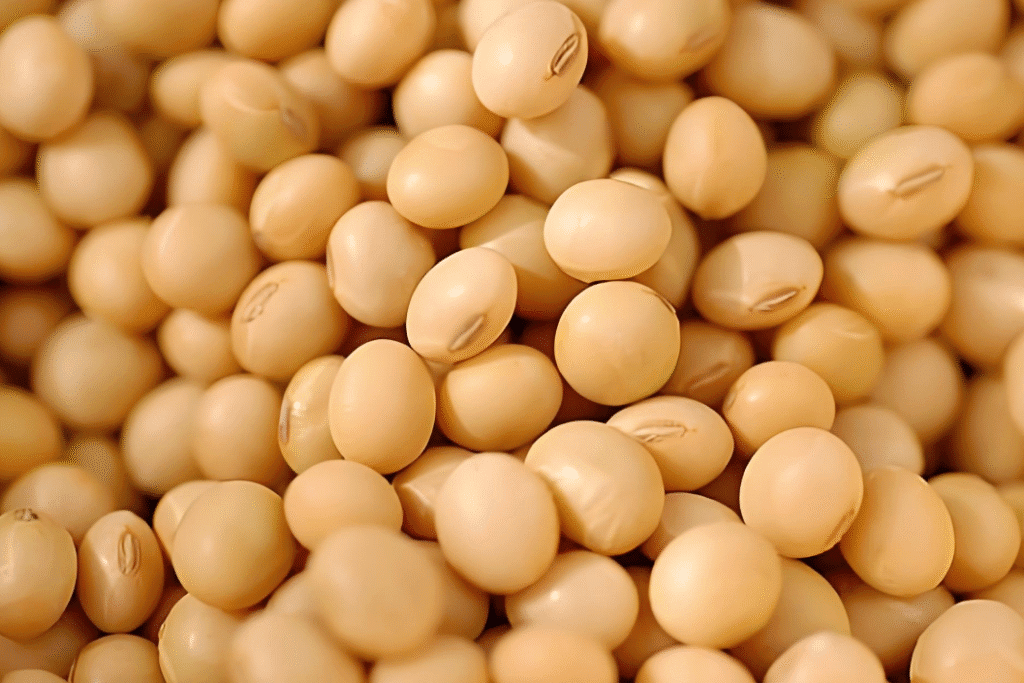
- Plant-Based Proteins: These are the most common alternatives.
- Soybean Meal: A widely used standard, though it can contain anti-nutritional factors that must be managed .
- Faba Bean Protein Concentrate: Recent innovations focus on developing faba bean protein concentrates with enhanced protein content and amino acid profiles, offering a low-carbon-footprint alternative to soy .
- Cottonseed Protein Concentrate (CPC): Through advanced processing like methanol washing, CPC is produced with high protein purity (60-65%) and reduced anti-nutritional factors, making it a suitable alternative for species like largemouth bass .
- Grass Protein Concentrate: Researchers are even exploring green biorefining of grass. By pressing fresh grass and extracting the protein-rich juice, a concentrate containing approximately 40% protein with a good amino acid profile can be produced .
- Novel and Single-Cell Proteins: Cutting-edge technology is creating new sources.
- Microbial Protein: German company b.fab has developed a method to produce a high-protein feed ingredient (up to 80% protein) using carbon dioxide and electricity. The process uses a bacteria to convert formate (derived from CO₂ and power) into a protein-rich biomass with an amino acid profile similar to fishmeal .
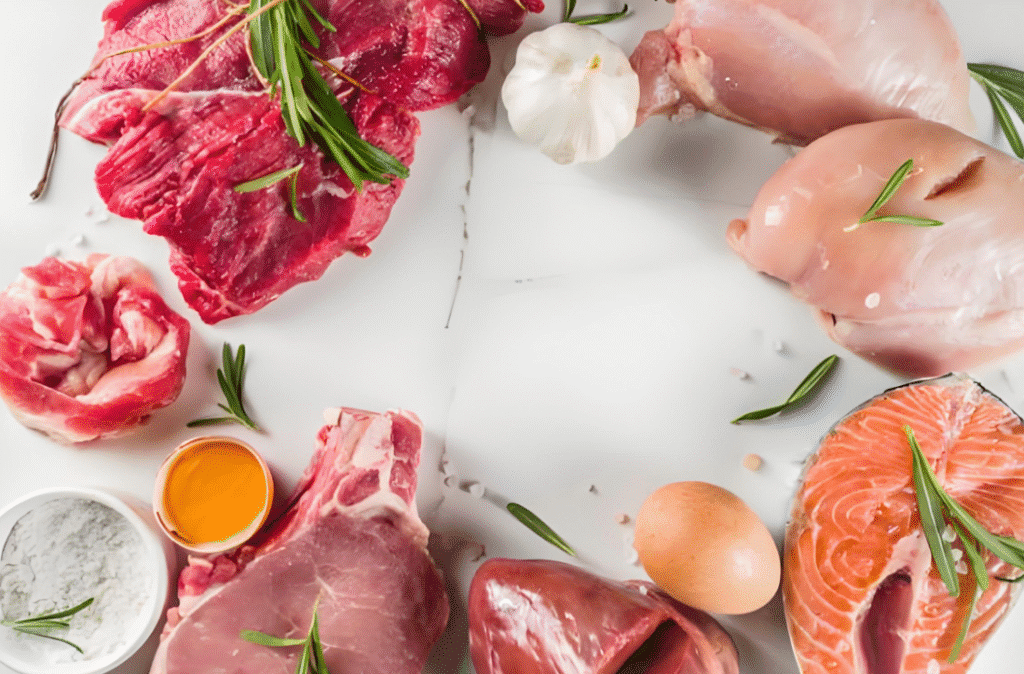
- Animal By-Product Proteins:
- Feather Meal: Millions of tons of poultry feathers are processed through hydrolysis to create a high-protein, sustainable ingredient for aquafeeds .
2. The Manufacturing Process: From Formulation to Pellet
Once the protein sources are selected, they undergo a rigorous manufacturing process to create a stable, nutritious, and palatable pellet. The dominant technology for high-protein aquafeeds is extrusion cooking.
Step 1: Grinding and Batching
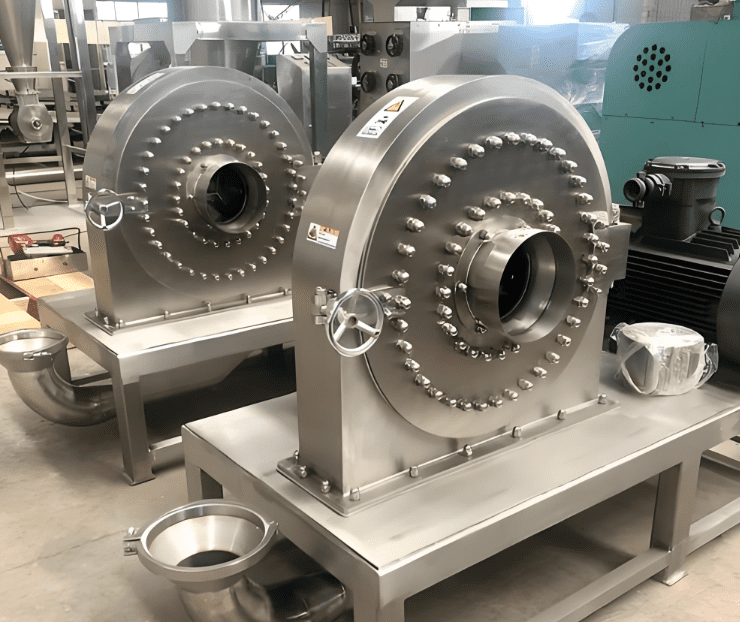
The process begins with reducing the particle size of the raw ingredients. Ingredients are typically ground to a specific mesh size (e.g., 40-60 mesh) to ensure uniform mixing and proper cooking in the extruder. A Chinese patent for a high-protein feed specifies grinding various protein meals to 40-60 mesh before processing . Research on African catfish feed emphasizes that a smaller particle size (around 1 mm) is crucial for producing low-density, floating pellets .
Following grinding, the ingredients are precisely weighed and batched according to the nutritional formulation. Advanced dosing systems ensure rapid and highly accurate blending, which is critical for consistency .
Step 2: Mixing and Conditioning
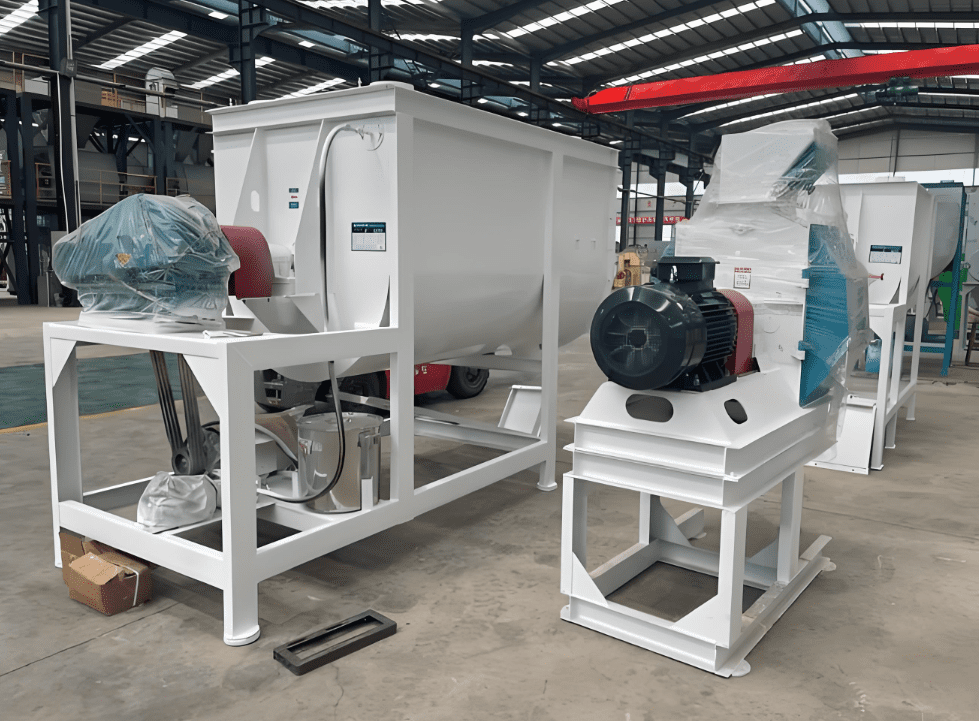
The batched ingredients are mixed to form a homogeneous mash. This mash then enters a pre-conditioner, where it is injected with steam and water. This step hydrates the particles and begins the cooking process. Conditioning parameters, such as duration (e.g., 30 minutes) and temperature, are carefully controlled. One study found that a pre-conditioning duration of 30 minutes contributed to optimal pellet floatability .
Step 3: Extrusion – The Heart of the Process
The conditioned mash is fed into an extruder (either single or twin-screw). we can say fish feed making machine ,This is a high-temperature, short-time (HTST) process where the material is subjected to mechanical shear, pressure, and heat. As it travels through the barrel, the temperature can rise significantly, often reaching 120°C or more . This intense environment achieves several critical objectives :
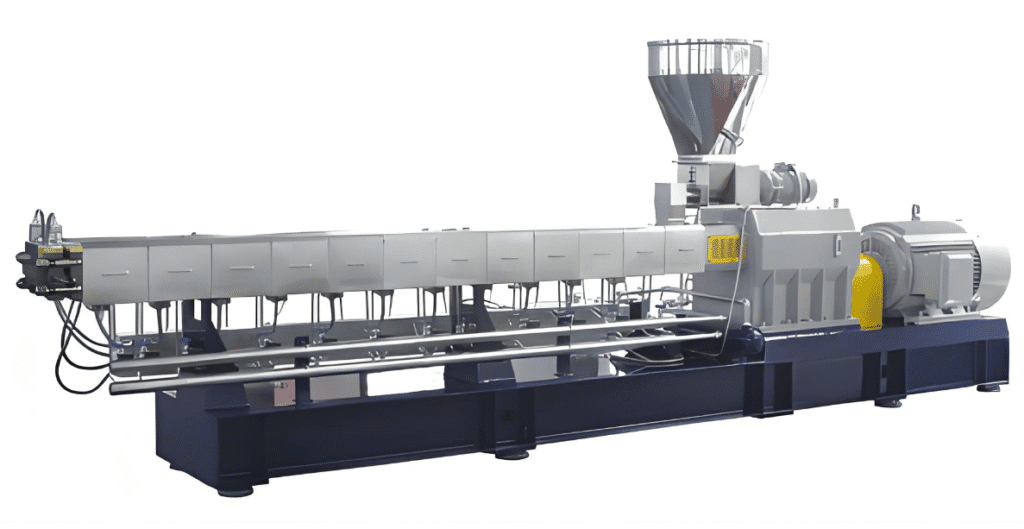
- Starch Gelatinization: Starches are cooked, making them highly digestible and acting as a binder to hold the pellet together.
- Protein Denaturation: Proteins are unfolded and realigned, improving their digestibility.
- Neutralization of Anti-Nutritional Factors: Heat helps destroy compounds that could harm fish health.
- Physical Shaping: Just before the material exits the fish feed extruder, it is forced through a die with holes of a specific diameter (e.g., 2.0-4.0 mm) .
The sudden pressure drop as the material exits the die causes superheated water to vaporize, creating a porous structure. This expansion is what allows the pellet to float.
Step 4: Drying and Cooling
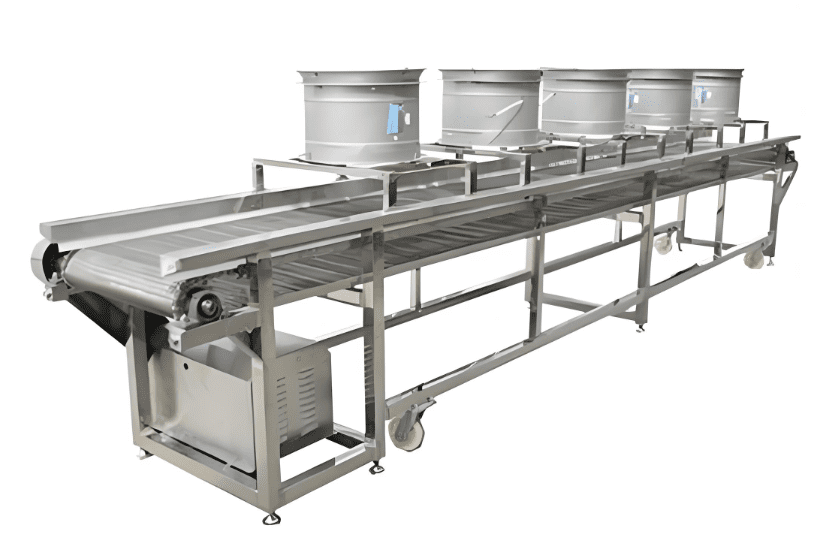
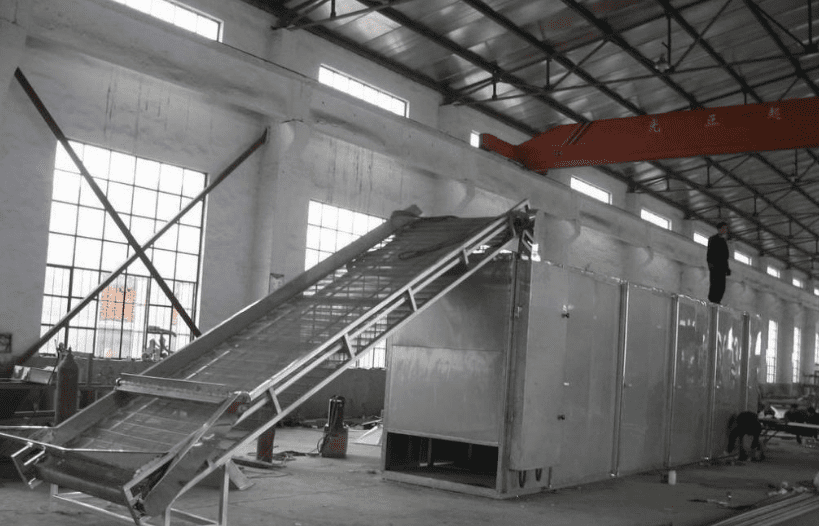
Freshly extruded pellets are hot and moist (often around 20-25% moisture). They must be rapidly dried in a dryer to reduce moisture content to below 10-11%, ensuring shelf stability and preventing mold growth. Advanced dryers use zoned temperature control to dry uniformly without damaging the nutrients . After drying, the pellets are cooled to ambient temperature.
Step 5: Coating
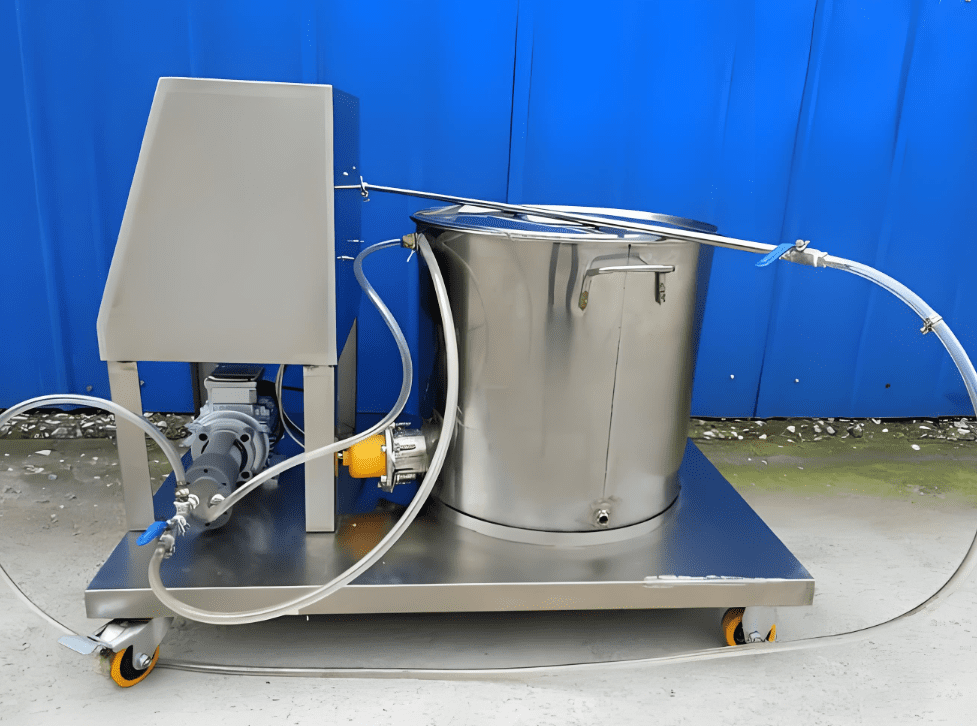
Heat-sensitive nutrients, such as fish oils (for omega-3 fatty acids), vitamins, and some pigments, cannot withstand the high temperatures of extrusion. Therefore, they are added after extrusion in a coating step. Liquid ingredients are sprayed onto the pellets in a mixer or a specialized coater, ensuring a uniform coating that soaks into the porous pellet structure . For example, in feeds for African catfish, oil is added as a post-extrusion coating rather than being mixed into the dough, as oil in the blend can hinder expansion and floatability .
3. Quality Control and Optimization
Producing high-protein feed is not just about hitting a protein target; it is about ensuring the protein is available to the fish and the pellets perform well in the water.
Key quality parameters include:
- Floatability and Water Stability: For surface-feeding fish, pellets must float for a sufficient time. Research has optimized extrusion conditions—such as a barrel temperature of 120°C, 25% moisture, and a 2.0 mm die—to achieve 90-100% floatability . The pellets must also resist disintegration in water to prevent nutrient loss and water pollution .
- Palatability and Antioxidant Properties: The feed must be appealing to fish. Innovative approaches include chemically grafting bioactive compounds like bayberry tannin onto cottonseed protein. This process enhances the feed’s antioxidant capacity (scavenging up to 97% of free radicals) and antibacterial properties, improving fish health and potentially increasing feed intake due to improved odor .
- Digestibility: Ultimately, the goal is to ensure that the high protein content translates into fish growth. This requires rigorous digestibility trials to confirm that nutrients are retained by the fish and not excreted as waste .
The production of high-protein fish feed is a dynamic and technologically advanced field. Fish feed making machine It begins with the responsible sourcing of diverse proteins—from refined plant concentrates like CPC and faba bean protein to innovative single-cell proteins from captured carbon. These ingredients are then transformed through precision engineering: grinding, conditioning, and high-shear extrusion cooking. This process not only shapes the feed but also unlocks its nutritional value by improving digestibility and palatability. As the aquaculture industry continues to grow, the integration of novel ingredients and sophisticated processing technologies will remain essential for producing feeds that are both high-performing and environmentally sustainable .