
The Art and Science of Form: A Comprehensive Guide to Engineering Multi-Shaped Fish Feed
In the world of aquaculture and ornamental fish keeping, feed is predominantly perceived through a nutritional lens. We analyze protein percentages, lipid levels, and vitamin premixes. However,fish pellet making machine an equally critical, yet often overlooked, dimension is the physical form of the feed. The simple, cylindrical pellet is the industry workhorse, but it represents only a fraction of the possibilities. The ability to engineer feed into a diverse array of shapes—from intricate stars and rings to miniature worms and flat discs—is a sophisticated discipline that sits at the intersection of food science, mechanical engineering, and animal behavior.
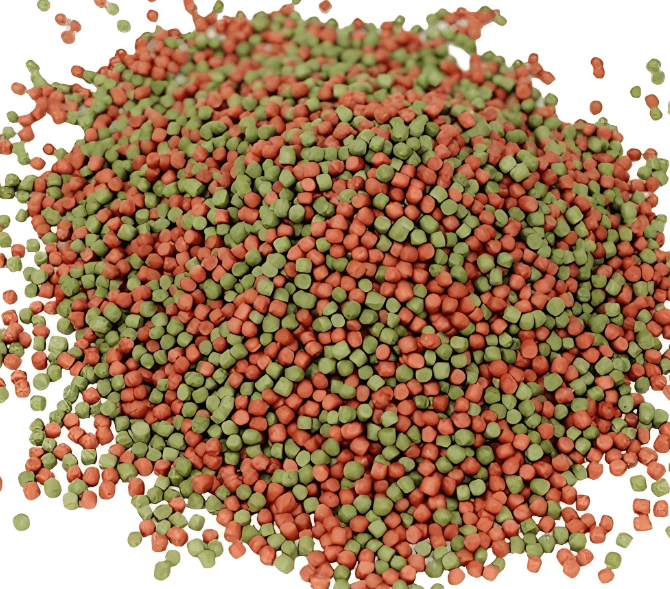
Creating multi-shaped feed is not a whimsical pursuit of aesthetics. It is a functional necessity driven by the profound diversity of aquatic life. A one-millimeter cylindrical pellet is not suitable for a massive koi carp, just as a large, sinking stick is useless for a surface-feeding betta. fish pellet making machine The shape of the feed particle dictates its buoyancy, its sinking rate, its stability in water, its ease of consumption, and ultimately, its nutritional efficacy.
This extensive exploration delves into the multifaceted process of designing and manufacturing fish feed in various forms. We will move beyond the “what” to the “how” and “why,” examining the raw material science, the machinery of transformation, the behavioral psychology of fish, and the practical applications of different feed geometries.
I. The Foundation: Why Shape Matters Beyond Nutrition
Before embarking on the “how,” it is imperative to establish the “why.” The functional rationale for shape diversification is built upon several key pillars.
1.1. Species-Specific Feeding Ethology:
Different fish species have evolved distinct feeding strategies rooted in their anatomy and ecological niche.
- Surface Feeders: Fish like Bettas, Gouramis, and many hatchery fry instinctively feed at the water’s surface. For them, flat, flake-like shapes or very slow-sinking, bite-sized crumbs are ideal. A fast-sinking pellet would be ignored or missed.
- Mid-Water Column Feeders: Species like Tetras, Rainbowfish, and adult Guppies prefer to feed while suspended in the water. For them, slowly sinking, granular foods like micro-pellets or small, irregular shapes that flutter down are most effective.
- Bottom Feeders: Corydoras catfish, loaches, and certain plecos are benthic feeders. They rely on scent and tactile cues to find food on the substrate. Dense, sinking tablets, wafers, or pellets that remain intact on the bottom are crucial. A floating flake would be entirely inaccessible.
- Grazers: Fish like Mbuna cichlids and Saltwater Surgeonfish are constant grazers. They benefit from shapes that can be attached to the aquarium glass (like gel strips) or from hard, slowly dissolving tablets that they can pick at throughout the day.
- Predators: Larger carnivorous fish like Oscars, Arowanas, and Groupers are stimulated by larger, substantial food items. A stick or a large, meaty pellet that mimics a small fish or shrimp is more likely to trigger a feeding response than a cloud of fine powder.
1.2. Life Stage Appropriateness:
The size and shape of a fish’s mouth change dramatically from larval stage to adulthood.
- Larval Feed: First-feeding larvae have minuscule mouths and underdeveloped digestive systems. They require feed particles that are not only tiny (50-400 microns) but also of a shape that is easy to capture and ingest, often spherical or crumb-like.
- Fry and Juvenile Feed: As fish grow, their feed must scale accordingly. Small, granular pellets or crumbles are the standard, but their shape can influence consumption rate and minimize competition.
- Broodstock and Adult Feed: Larger, more robust shapes are used for mature fish. The shape can be tailored to slow down feeding, reducing aggression and ensuring all individuals get a share.
1.3. Hydrodynamic Performance:
The shape of a feed particle is the primary dictator of its behavior in water.
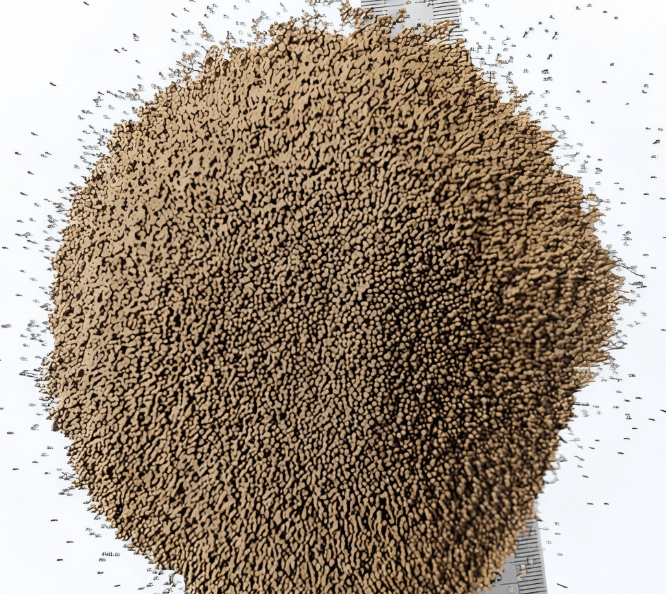
- Buoyancy: As we will explore in detail, buoyancy is a direct result of density and porosity, which are controlled during manufacturing. A flat,fish pellet making machine extended shape like a flake has a large surface-area-to-volume ratio, causing it to float or sink very slowly. A compact, dense sphere will sink rapidly.
- Sinking Velocity: The rate of descent is critical. A fast-sinking pellet for a bottom-feeding catfish is efficient, but the same pellet for a mid-water tetra is wasteful. Shapes with high drag, like rings or irregular crumbles, will sink more slowly than streamlined cylinders of the same weight.
- Water Stability (Leaching): The physical structure of the feed particle determines how quickly water-soluble nutrients (vitamins, attractants) leach out. A dense, well-bound pellet will leach more slowly than a porous, expanded one. The surface area exposed to water is a key factor; a complex shape with many protrusions will have a higher surface area and potentially higher leaching rates if not properly manufactured.
1.4. Waste Reduction and Water Quality:
A feed shape that is easily and completely consumed minimizes waste. fish pellet making machine Fines (dust and small broken particles) are a primary source of water pollution. A durable pellet that maintains its integrity until bitten, and a shape that is easy for the fish to handle, directly reduces the amount of uneaten food and organic load in the system.
1.5. Carrier Functionality:
Modern feeds are often more than just nutrition; they are delivery vehicles for vaccines, probiotics, and medications. The shape and density can be engineered to ensure the active ingredients are protected during passage through the water and are released in the correct part of the digestive system.
II. The Raw Material Palette: Ingredients as the Building Blocks of Form
The physical properties of the final feed shape are inextricably linked to the biochemical composition of the raw ingredients. The formulator is a sculptor who must understand the properties of their clay.
2.1. The Starch Matrix: The Primary Binder
Starch, derived from grains like wheat, corn, and tapioca, is the most critical component for creating structural integrity and complex shapes. During the cooking extrusion process (detailed later), starch undergoes gelatinization. The granules swell, rupture, and the starch polymers (amylose and amylopectin) dissolve into a viscous, plastic-like gel. Upon cooling, this gel sets into a solid, porous matrix that gives the feed particle its structure. The degree of gelatinization is crucial:
- High Starch, High Gelatinization: Produces a highly expanded, low-density product, ideal for floating feeds and shapes that require a light, crisp texture (e.g., flakes, puffed snacks).
- Low Starch, Low Gelatinization: Results in a dense, sinking product. For complex shapes that require fine detail (e.g., stars, miniature fish), a moderate to high starch content is necessary to hold the form, but density is controlled through other means.
2.2. Protein Functionality:
Proteins also contribute to binding. When denatured by heat and shear during processing, proteins unfold and form a cross-linked network that reinforces the starch matrix. Wheat gluten is particularly prized for its viscoelastic properties, acting as a powerful natural binder that enhances durability and allows for the creation of more intricate shapes that might otherwise be brittle.
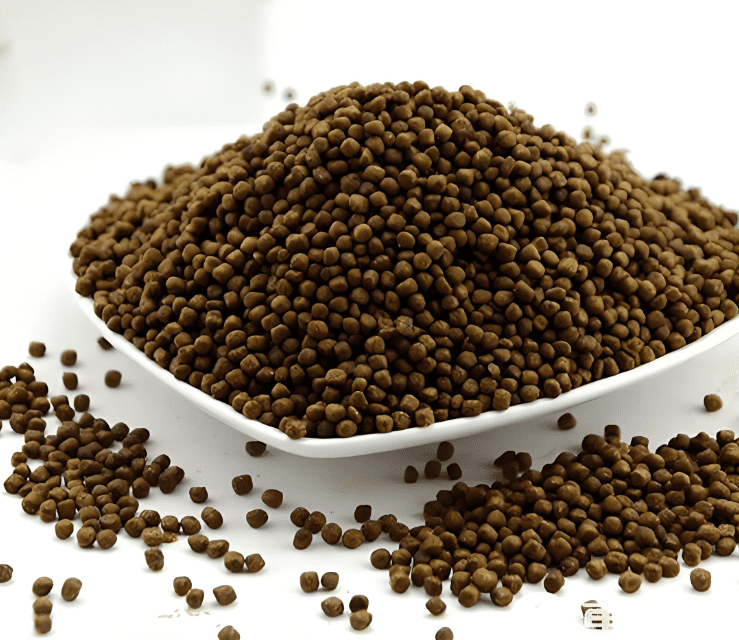
2.3. The Lipid (Fat) Influence:
Fats and oils are essential for energy and nutrition, but they play a complex role in shaping. fish pellet making machine Internally, fat acts as a lubricant. High internal fat levels (>10-12%) can interfere with starch gelatinization and protein binding, resulting in a soft, crumbly pellet that cannot hold a complex shape. This is why the majority of fat in high-performance feeds is applied after extrusion (post-extrusion coating). This allows for the creation of a strong, complex shape first, which is then infused with fat.
2.4. Fiber and Fillers:
Ingredients like cellulose and other fibers add bulk and can increase the density of the feed, promoting a sinking characteristic. However, excessive fiber can make the feed brittle and difficult to bind, limiting the complexity of shapes that can be achieved.
2.5. Specialized Binders:
For shapes that require extreme water stability—such as shrimp feeds or slow-dissolving tablets—additional binders are used. These include:
- Lignosulfonates: A by-product of the wood pulp industry, they form a strong, water-resistant shell around the pellet.
- Gums and Alginates: Derived from seaweeds, these hydrocolloids form strong gels that can significantly enhance water stability.
- Gelatin: An animal-based protein that forms a thermoreversible gel, crucial for creating moist gel-based feeds.
In summary, the formulation is a delicate balance. Creating a intricate, durable star-shaped pellet requires a recipe rich in gelatinizable starch and functional proteins, with careful management of internal fat and fiber levels.
III. The Machinery of Creation: Manufacturing Methods for Different Shapes
This is the core of the process, where ingredient mash is transformed into defined, functional shapes. The manufacturing method defines the possibilities and limitations of the final product’s form.
3.1. Cooking Extrusion: The King of Versatility
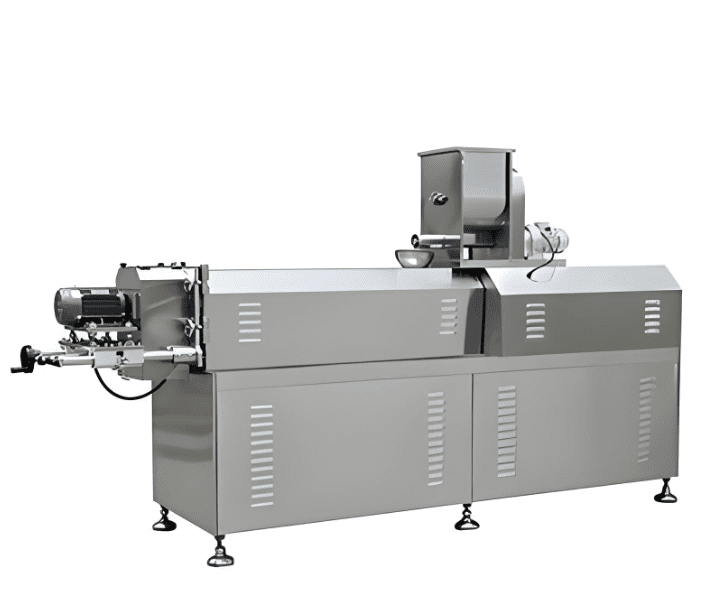
Cooking extrusion is the most versatile and widely used method for producing a vast array of feed shapes. It is a continuous process where a conditioned mash is cooked under high heat, pressure, and shear, then forced through a die to create a specific shape.
The Components of an Extruder:
- Pre-Conditioner: A chamber where the dry mash is mixed with steam and water, hydrating the ingredients and beginning the cooking process.
- Extruder Barrel: A long, hardened steel barrel containing a single or twin screw. The screw(s) convey, mix, compress, shear, and cook the material.
- Die Plate: A thick, metal disk mounted at the end of the barrel. This is the “mold” or “stencil” that defines the shape of the feed. The die contains precisely machined holes.
- Cutter: A rotating assembly of blades located just outside the die face that slices the extruding dough into precise lengths.
Creating Shapes with the Die and Cutter:
The combination of the die hole geometry and the cutter speed is the primary determinant of the final shape.
- Spherical Pellets (Bits/Crumbles): Created using a die with simple, round holes. The key to sphericity is the cutter speed and the rheology of the dough. A very fast cutter speed will produce thin, almost disc-like slices. A slower speed allows the dough to extrude further before being cut, and surface tension will cause the soft, warm piece to retract into a more spherical shape as it expands. This is common for small, micro-diets for fry.
- Cylindrical Pellets: The industry standard. Achieved with round die holes and a medium cutter speed, resulting in a classic pellet shape (e.g., 2mm x 4mm). The length-to-diameter ratio is controlled by the cutter speed relative to the extrusion rate.
- Rings (Doughnuts): A ring shape is created using a die with a central “pin” or “mandrel” inside each hole. As the dough is forced through the annular gap, it forms a tube. The cutter slices the tube, and surface tension pulls the freshly cut piece into a ring shape. Rings are popular for their slow-sinking, playful nature, suitable for mid-water feeders.
- Stars, Crosses, and Other Non-Circular Shapes: To create these, the die holes themselves are machined into the desired shape (e.g., a star profile). The dough extrudes in that exact profile. The expansion upon exit and the action of the cutter must be carefully calibrated to preserve the sharpness of the details. Too much expansion can blur the edges, turning a star into a rounded blob.
- Sticks and Large Cylinders: For larger feed, such as koi sticks or feed for large predatory fish, larger die holes are used in conjunction with a slower cutter speed to create long, cylindrical sticks that can be several centimeters in length.
- Triangular and Hexagonal Pellets: Some manufacturers use dies with triangular or hexagonal holes. These shapes can offer improved packing density (less air in the bag) and sometimes better durability.
Controlling Buoyancy in Extruded Shapes:
Buoyancy is not inherently a function of shape, but of density. fish pellet making machine Density is controlled during extrusion:
- Floating Shapes: High mechanical shear and temperature cause intense superheating of the water in the dough. As it exits the die, the pressure drops instantly, and the water flashes into steam, creating a highly expanded, low-density foam. This works well for shapes with high surface area like flakes and simple pellets.
- Sinking Shapes: To create a sinking version of a star or ring, the extrusion parameters are adjusted. Lower shear, less steam, and higher moisture can reduce expansion. Furthermore, the formulation is adjusted with more dense ingredients (protein meals, less starch) and higher fat content, which inhibits expansion.
3.2. The Flaking Process: Creating Flat, Sheet-Based Shapes
Flakes are a staple of the ornamental fish industry. The process is distinct from extrusion.
- Slurry Preparation: A slurry of ingredients is made, typically high in starchy binders and gelatin.
- Drum Drying: The slurry is spread in a thin film onto a large, steam-heated rotating drum.
- Cooking and Drying: The drum cooks and dries the slurry almost instantaneously into a thin sheet.
- Flaking: A blade scrapes the brittle sheet off the drum, causing it to break into random, flat, flake-like shapes.
The shape of a flake is inherently irregular. However, the size can be controlled by the gap of the applicator and the speed of the drum. The resulting flakes are very light, have a large surface area, and float for a short period before slowly sinking and disintegrating. This makes them ideal for a wide range of community fish.
3.3. Compression Pelleting: The Simple Pellet
Before the advent of cooking extrusion, compression pelleting was the norm. It involves:
- Conditioning: The mash is lightly steamed.
- Compression: The mash is forced through cylindrical holes in a rotating die ring by heavy rollers.
- Cutoff: Knives slice the extruded pellets to length.
This method produces a dense, sinking pellet with little expansion. It is a low-heat process, which can be beneficial for heat-sensitive ingredients, but it offers very little shape versatility. The pellets are almost always simple cylinders, and the dies are not suitable for creating complex profiles like stars or rings.
3.4. Gel-Based Feed Manufacturing: The Moldable Future
Gel diets represent a different paradigm. They are not based on thermal plasticity but on cold-set gelation.
- Mixing: A powder mix, often containing alginate or carrageenan, is blended with water and other ingredients to form a cold slurry.
- Setting: The slurry is poured into molds or formed into sheets.
- Gelation: For alginate, the gel is set by immersing the shaped slurry in a calcium chloride bath, which causes instant cross-linking. For carrageenan or gelatin, cooling is sufficient.
This method offers unparalleled versatility in shape. The feed can be molded into:
- Worms/Spaghetti: By extruding the slurry through a spaghetti-like die into a setting bath.
- Sheets/Strips: For grazers, to be attached to the aquarium glass.
- Custom Shapes: Literally any shape that can be molded, from small fish to cubes.
Gel feeds are exceptionally water-stable and prevent leaching effectively. They are ideal for sensitive species like jellyfish, seahorses, and bottom feeders. The main drawback is their high moisture content, which makes them perishable and unsuitable for long-term storage without refrigeration.
3.5. Micro-Encapuslation and Micro-Binding: The Invisible Shape
For larval feeds, the “shape” is a microscopic sphere. fish pellet making machine This is achieved through complex processes like:
- Spray Drying: A liquid slurry is atomized into a hot air chamber, forming tiny, hollow spheres.
- Fluidized Bed Coating: Fine particles are suspended in air and coated with binding solutions to build up layers and create a uniform, spherical particle.
The goal here is to create a particle small enough for a larval mouth, dense enough to sink slowly through the water column, and stable enough to retain its nutrients.
IV. Post-Processing: Refining and Enhancing the Form
Once the base shape is created, several post-processing steps are critical for its final performance.
4.1. Drying:
For extruded and pelleted feeds, drying is essential to achieve shelf-stability and the final hardness. The shape can be affected during drying; uneven drying can cause warping or cracking. Multi-pass dryers ensure gentle, uniform drying to preserve the intended geometry.
4.2. Coating:
As mentioned, most fats are applied post-extrusion. The shaped, porous pellets are tumbled in a coating drum while oil is sprayed on. The shape influences coating efficiency; a complex shape with nooks and crannies may coat less uniformly than a simple sphere. However, it also provides more surface area for the palatability enhancers in the oil to attract fish.
4.3. Screening and Sorting:
The final product is passed over screens to remove fines and undersized particles. For shaped feeds, optical sorters can even be used to reject misshapen pellets, ensuring a consistent, high-quality final product.
V. Application-Based Shape Selection: A Practical Guide
Understanding the theory is one thing; applying it is another. Here is a practical guide to selecting shapes for different scenarios.
- Ornamental Community Tank: A combination of flakes (for surface/mid-water feeders) and small, slow-sinking granules or rings (for mid-water) is ideal. For bottom dwellers, add sinking tablets or wafers.
- Cichlid Aquarium (African Mbuna): Slow-sinking sticks or tablets that can be scavenged from the substrate and picked at are excellent. Their shape should be durable to withstand constant nibbling.
- Koi Pond: Large, floating sticks or pellets allow for easy observation of the fish and prevent uneaten food from sinking to the bottom and fouling the pond. The large size is appropriate for their big mouths.
- Marine Reef Tank: A mix of sinking pellets for fish like clownfish and slow-dissolving gel strips or sheets for grazers like tangs and blennies is effective. For corals, fine, powdered foods that can be suspended in the water column are used.
- Commercial Aquaculture (e.g., Salmon): The focus is on efficiency. High-energy, dense, cylindrical pellets are the norm, with size meticulously matched to the fish’s life stage to minimize waste and optimize growth.
VI. The Future of Form: Innovations in Feed Shaping
The field is not static. Future trends include:
- 4D Printing: The concept of feed that changes shape or releases nutrients in response to specific environmental triggers in the water.
- Customized Molded Gels: The ability for hobbyists or small-scale farms to use simple kits to create custom-shaped gel foods tailored to their specific stock.
- Hybrid Shapes: Pellets with a floating core and a sinking outer layer, or shapes designed to release different nutrients at different times.
- Enhanced Bio-availability Shapes: Designing porosity and structure at a microscopic level to maximize the surface area for digestive enzyme action.
The creation of multi-shaped fish feed is a testament to the sophistication of modern aquaculture and pet care. It is a discipline that moves far beyond simple nutrition into the realms of physics, engineering, and behavioral science. The humble pellet, fish pellet making machine flake, or wafer is not a random form but the result of a deliberate and complex process designed to match the feed to the fish in the most efficient, effective, and natural way possible. By understanding the principles outlined in this article, from the binding power of starch to the precise machining of an extruder die, we can appreciate that the shape of fish feed is, indeed, a critical component of its function, turning a simple act of feeding into a optimized science of delivery and consumption.