
The Alchemy of the Ordinary: A Deep Dive into the Science and Production of Modified Starch
In the unseen orchestra of modern food production, a silent maestro conducts the texture, stability, and shelf life of thousands of products that fill our pantry shelves. This maestro is not a rare spice or a complex synthetic compound; it is a transformed version of one of the world’s most ancient and abundant carbohydrates: starch. Native starch, extracted from corn, potatoes, wheat, and tapioca, is a remarkable substance, but its capabilities are limited.modified starch making machine It is fragile, prone to breakdown, and inconsistent under the harsh conditions of industrial processing. To overcome these limitations, humanity has mastered the art of reshaping it at a molecular level, creating a family of ingredients known as modified starches.
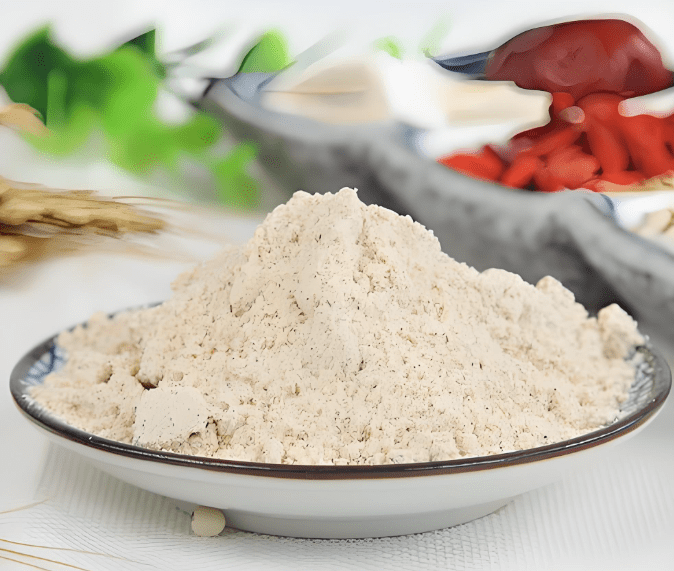
This article aims to pull back the curtain on this fascinating and often misunderstood corner of food science. We will embark on a detailed journey from the fundamental structure of the starch granule, through the intricate chemical and physical processes of modification, modified starch making machine to the final application of these functional powerhouses in our everyday food and beyond. This is not merely a story of industrial processing; it is a narrative of molecular engineering, transforming the humble starch into a versatile and indispensable tool for the modern world.
Part 1: The Foundation – Understanding the Native Starch Granule
To appreciate the “modified,” one must first understand the “native.” Starch is the primary energy reserve in green plants, synthesized in the form of tiny, semi-crystalline granules within seeds, tubers, and roots. These granules are not simple sacks of sugar; they are highly organized structures whose architecture dictates their behavior.
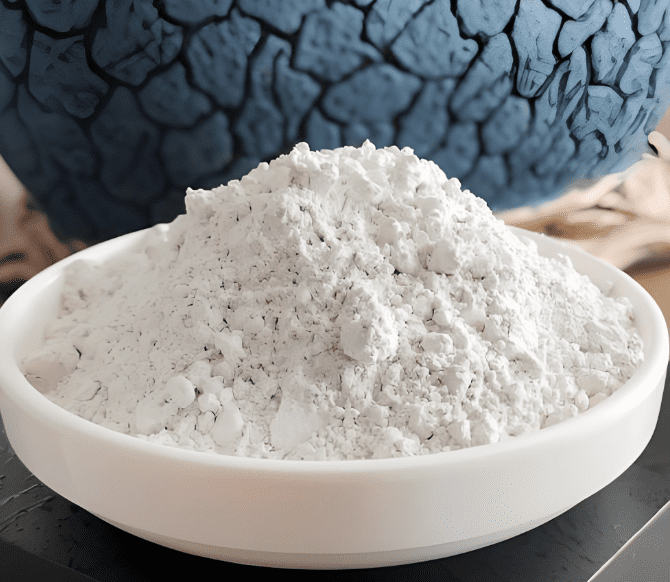
1.1 The Molecular Players: Amylose and Amylopectin
Every starch granule is composed of two distinct glucose polymers:
- Amylose: A primarily linear molecule consisting of glucose units linked by α-1,4 glycosidic bonds. It is a long, flexible chain that can form helical structures. Amylose typically constitutes 20-30% of common starches, though waxy varieties (e.g., waxy maize) contain almost 100% amylopectin. Amylose is responsible for the formation of strong gels and films and is a key player in the undesirable phenomenon of retrogradation (staling).
- Amylopectin: A highly branched, massive molecule. Its backbone is also made of α-1,4 linkages, but it features frequent branches initiated by α-1,6 glycosidic bonds. This highly branched, tree-like structure allows amylopectin to pack densely into crystalline lamellae. Amylopectin is responsible for the viscosity and the initial swelling power of starch.
The ratio of amylose to amylopectin is the single most important factor determining the functional properties of a native starch.
1.2 The Granular Architecture: A Semi-Crystalline Marvel
The amylose and amylopectin molecules are not randomly arranged. They are organized into a radial, semi-crystalline structure. The granule consists of alternating amorphous and semi-crystalline growth rings, which are visible under a microscope. modified starch making machine The semi-crystalline rings are where the linear chains of amylopectin align side-by-side to form tiny, ordered crystallites. Amylose molecules are predominantly found in the amorphous regions, intertwined among the amylopectin branches.
This organized structure is held together by an extensive network of hydrogen bonds between the hydroxyl (-OH) groups on the glucose units. This hydrogen-bonded network makes the granule insoluble in cold water. The granule is also densest at its center, the hilum, which is the originating point of its growth.
1.3 Gelatinization: The Great Unraveling
When a suspension of native starch is heated in the presence of water, a transformative process called gelatinization occurs. This is the fundamental process that makes starch useful as a thickener.
- Stage 1: Water Absorption: As heat is applied, water molecules penetrate the amorphous regions of the granule, breaking hydrogen bonds.
- Stage 2: Swelling: The granule begins to swell irreversibly, many times its original size. The amylose, being less constrained, begins to leach out into the surrounding water.
- Stage 3: Loss of Crystallinity: With continued heating, the thermal energy becomes sufficient to break down the hydrogen bonds stabilizing the crystalline regions. The molecular order is lost, and the crystallites melt.
- Stage 4: Peak Viscosity: The granules, now greatly swollen and filled with water, create a thick, viscous paste due to their increased volume and the friction between them. The leached amylose forms a continuous matrix in the water phase.
1.4 The Limitations of Native Starch: The “Why” of Modification
Despite its utility, native starch is ill-suited for the demands of industrial food processing. Its limitations are glaring:
- Inconsistent Viscosity: The viscosity of a native starch paste is highly unstable. It can break down under prolonged heating, high shear (mechanical agitation), or acidic conditions, leading to a thin, watery product.
- Retrogradation and Syneresis: Upon cooling and storage, the starch molecules, particularly amylose, begin to reassociate and recrystallize in a process called retrogradation. This causes the gel to become rubbery and opaque (staling of bread) and for water to be squeezed out (syneresis), creating an unappealing puddle in products like pie fillings and yogurts.
- Lack of Clarity: Paste from many native starches (like corn) is opaque and cloudy.
- Uncooked Flavor: Native starches often impart a raw, cereal-like or pasty flavor and mouthfeel.
- Poor Freeze-Thaw Stability: When frozen and thawed, retrogradation accelerates dramatically, causing severe syneresis and a complete breakdown of texture.
It is to overcome these very limitations that the science of starch modification was born. Modification is the deliberate alteration of the physical and/or chemical structure of the starch molecule to enhance its positive traits or to inhibit its undesirable ones.
Part 2: The Toolbox of Transformation – Methods of Starch Modification
Starch modification can be broadly classified into four categories: Physical, Chemical, Enzymatic, and a combination of these, often referred to as “Dual Modification.” The choice of method depends on the desired functional properties in the final product.
2.1 Physical Modification
Physical methods alter the starch granule using only physical means—heat, moisture, or mechanical force—without introducing chemical reagents. modified starch making machine These are often considered “clean-label” as they do not require declaration as “modified starch” in many jurisdictions.
- Pre-gelatinization: This is one of the simplest forms of modification. Native starch is cooked and dried on a drum dryer or in an extruder. The process pre-gelatinizes the starch, meaning it will thicken instantly in cold water without requiring heat. This is the technology behind “instant” puddings, dessert mixes, and many convenience foods. The process involves cooking a starch slurry on a heated drum, then scraping off the dried, gelatinized film and milling it into a powder.
- Heat-Moisture Treatment (HMT): Starch is treated with a limited amount of water (typically 18-27%) and heated to a temperature above the glass transition temperature but below the gelatinization temperature (often 90-120°C) for a period of 15 minutes to 16 hours. This process rearranges the molecular structure within the granule without destroying its granular form. HMT increases the gelatinization temperature, decreases swelling power, and can improve gel stability and paste clarity.
- Annealing: Similar to HMT, but conducted with excess water (≥60%) and at temperatures below the gelatinization onset temperature. It is a more gentle process that serves to “perfect” the crystalline structure, allowing molecular chains to rearrange into a more stable order. This also increases gelatinization temperature and improves paste stability.
- Extrusion: Starch, with or without other ingredients, is subjected to high heat, pressure, and shear in an extruder barrel. This cooks, shears, and gelatinizes the starch continuously. The product expands upon exit from the die, creating porous structures. This is key in producing snack foods, breakfast cereals, and textured vegetable proteins.
2.2 Enzymatic Modification
Enzymes are biological catalysts that can perform highly specific reactions on starch molecules.
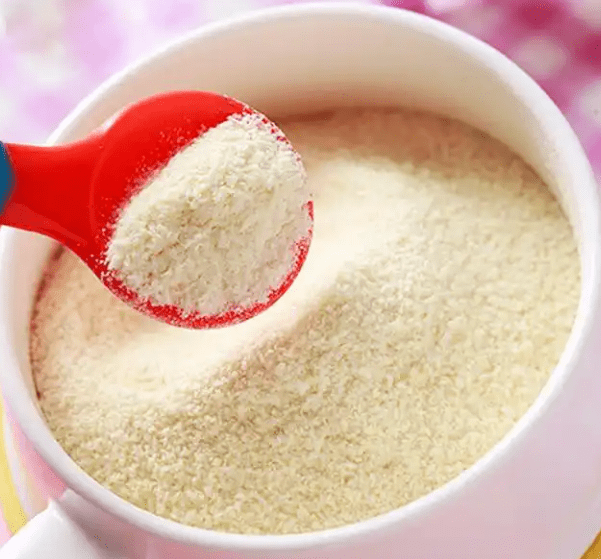
- Hydrolysis: Enzymes like α-amylase can randomly cleave the α-1,4 linkages inside the granule, creating shorter chains called dextrins or maltodextrins. This process reduces the molecular weight, leading to products with reduced viscosity and increased solubility. Maltodextrins are non-sweet carbohydrates used as fillers, carriers, and fat replacers.
- Debranching: Enzymes like pullulanase specifically target the α-1,6 branch points in amylopectin, cleaving them to produce linear amylose-like chains. This is used to create resistant starch (RS), specifically RS Type 3, which behaves like dietary fiber and has proven health benefits for gut health and blood sugar control.
- Cyclodextrin Production: Using the enzyme cyclodextrin glycosyltransferase (CGTase), starch is converted into cyclic sugars called cyclodextrins. These molecules have a hydrophobic cavity and a hydrophilic exterior, allowing them to form inclusion complexes with other molecules. They are widely used to encapsulate flavors, fragrances, and pharmaceuticals, protecting them from oxidation and evaporation.
2.3 Chemical Modification: The Core of Industrial Starch
Chemical modification is the most widespread and versatile method for creating high-performance starches. It involves the introduction of new functional groups onto the starch polymer backbone through chemical reactions. These reactions are typically carried out on a slurry of native starch granules in water, under controlled temperature, pH, and concentration. The key reactions are:
2.3.1 Substitution (Stabilization)
The goal of substitution is to introduce bulky chemical groups onto the starch molecules to sterically hinder the reassociation (retrogradation) of the polymer chains.
- Reagents Used: Acetic anhydride (for Acetate), Propylene Oxide (for Hydroxypropyl), and Succinic Anhydride (for Succinate) are common.
- The Reaction Mechanism (Acetylation as an example): Under alkaline conditions (provided by adding sodium hydroxide or soda ash), the hydroxyl group on a glucose unit acts as a nucleophile, attacking the carbonyl carbon of acetic anhydride. An ester bond is formed, and an acetyl group (-COCH₃) is introduced onto the starch molecule. The reaction is typically carried out at temperatures below the gelatinization point to maintain granular integrity.
- Functional Impact: The introduced acetyl groups disrupt the formation of hydrogen bonds between amylose and amylopectin chains. This dramatically reduces retrogradation and syneresis, leading to starches with excellent freeze-thaw stability and clarity. They produce smooth, creamy textures and are essential for frozen foods, creamy sauces, and fruit pie fillings. The degree of substitution (DS)—the average number of substituted hydroxyl groups per glucose unit—is tightly controlled, usually kept below 0.1 for food applications.
2.3.2 Cross-linking
The goal of cross-linking is to introduce covalent bonds between starch molecules, creating a reinforced network that strengthens the granule.
- Reagents Used: Phosphorus Oxychloride (POC1₃), Sodium Trimetaphosphate (STMP), and Adipic Acetic Mixed Anhydride are common cross-linking agents.
- The Reaction Mechanism (with POC1₃): POC1₃ is a trifunctional reagent. In an alkaline slurry, it can react with the hydroxyl groups of two separate starch chains, forming distarch phosphate diesters. This creates a robust bridge that ties the molecules together.
- Functional Impact: Cross-linking does not prevent the granule from swelling, but it dramatically reinforces its structure. A cross-linked granule is like a balloon made of a stronger rubber; it can swell to a large size but resists rupture under high temperature, low pH, or high shear. Cross-linked starches are the workhorses for products that require severe processing conditions, such as canned foods (high heat, acidic pH), baby foods, and cream-style corn. The level of cross-linking is critical; a low level provides subtle reinforcement, while a high level can create a granule so robust it barely swells at all.
2.3.3 Dual Modification: The Synergistic Approach
The most powerful and commonly used modified starches in the food industry are dual-modified. They undergo both cross-linking and substitution.
- The Process: A starch slurry is first cross-linked to a low degree to provide shear and pH stability. Subsequently, without isolating the product, the conditions are adjusted, and a substitution reaction is performed.
- The Synergy: The cross-linking provides the backbone strength, allowing the starch to withstand processing. The substitution then prevents the strong, swollen granules from retrogressing upon cooling and storage. The result is a starch that is process-tolerant, provides high, stable viscosity, and exhibits excellent clarity and freeze-thaw stability. The vast majority of starches used in creamy salad dressings, frozen meals, and soups are dual-modified.
2.3.4 Conversion (Thinning)
This process aims to reduce the viscosity of the native starch paste by breaking down the polymer chains.
- Acid-Thinning: Starch granules are treated with a dilute mineral acid (like hydrochloric or sulfuric acid) at a temperature below gelatinization. The acid hydrolyzes the glycosidic bonds, preferentially attacking the more accessible amorphous regions. This significantly reduces the hot paste viscosity but, crucially, the granule remains intact. When the acid-thinned starch is finally cooked, the granules swell but then rupture easily, producing a fluid paste that sets into a strong, rigid gel upon cooling. This property is exploited in the production of gum candies (gummies, jelly beans) and film-forming applications.
- Oxidation: Starch is treated with an oxidizing agent like sodium hypochlorite (bleach). This reaction not only cleaves the polymer chains (reducing viscosity) but also introduces carboxyl and carbonyl groups. These groups inhibit retrogradation and improve whiteness and paste clarity. Oxidized starches are used in batters and breadings for their improved adhesion and in certain confectioneries.
Part 3: The Industrial Production Line – A Step-by-Step Walkthrough
The manufacturing of chemically modified starch is a continuous or batch process that is highly controlled and automated. Let’s follow the journey of a batch of corn starch through a typical dual-modification (cross-linking and stabilization) facility.
Step 1: Slurry Preparation
Native starch, typically having a moisture content of 10-12%, is unloaded from silos into a large reaction tank. High-purity water is added to create a slurry with a consistent solids concentration, usually between 35-45% starch by weight. The slurry is constantly agitated to keep the granules in suspension.
Step 2: Chemical Addition and Reaction
The slurry is conditioned to the precise temperature and pH required for the specific modification.
- Cross-linking Stage: The pH is adjusted to alkaline conditions (e.g., pH 9-11.5) using a food-grade alkali like sodium hydroxide. The cross-linking agent (e.g., POC1₃, diluted in water for safety) is then metered into the slurry slowly and evenly. The reaction proceeds for a predetermined time, which can range from minutes to a few hours, depending on the desired level of cross-linking. The reaction is highly exothermic, so the temperature must be carefully controlled using a cooling jacket.
- Stabilization Stage: After the cross-linking reaction is complete, the pH may be adjusted for the next step. The substituting agent (e.g., acetic anhydride) is then added gradually. The reaction is also carried out under alkaline conditions. The reactor is a closed system to prevent the loss of volatile reagents.
Step 3: Reaction Quenching and pH Neutralization
Once the desired degree of modification is achieved (monitored by in-process controls), the reaction must be stopped abruptly. modified starch making machine This is done by quenching—adding a mineral acid (like hydrochloric or sulfuric acid) to rapidly lower the pH to a neutral or mildly acidic range (pH 5.0-6.5). This deactivates the reagents and stops the chemical reactions.
Step 4: Washing and Purification (The Refining Step)
The starch slurry now contains the modified starch granules, along with by-products of the reaction (e.g., sodium chloride, sodium phosphate, sodium acetate). These salts and other soluble impurities must be removed. This is typically done using a multi-stage washing system:
- Vacuum Drum Filters: The slurry is pumped onto a rotating drum covered with a filter cloth. A vacuum is applied from inside the drum, pulling the water (mother liquor) through the cloth and leaving a wet cake of purified starch on the drum surface. The cake is then washed with clean, purified water sprays before being scraped off the drum.
- Hydrocyclones: Alternatively, a battery of hydrocyclones can be used. These are conical devices that use centrifugal force to separate the dense starch granules (which exit the bottom) from the lighter water and impurities (which overflow the top). Counter-current washing is used, where the starch moves against the flow of fresh wash water, ensuring maximum purity.
Step 5: Dehydration and Drying
The washed starch cake has a moisture content of about 38-40%. It must be dried to a shelf-stable level of 10-12% moisture. The most common method is flash drying.
- The wet cake is injected into a hot air stream (130-180°C) within a pneumatic conveying duct.
- The intense heat and turbulence cause the surface moisture to evaporate in a matter of seconds.
- The dried starch is then separated from the moist air in a cyclone collector.
- This rapid drying is crucial as it prevents the modified starch from gelatinizing or clumping.
Step 6: Milling and Sifting
The dried starch may form small, friable agglomerates. It is passed through a fine-impact mill to break these up into a uniform powder. The powder is then sifted through fine mesh screens to ensure a consistent particle size and to remove any oversized particles.
Step 7: Packaging and Storage
The final, modified starch powder is conveyed to storage silos or directly to packaging lines. It is packed in multi-wall paper bags, bulk bags (supersacks), or loaded into tanker trucks for liquid slurry delivery to large customers. It is stored in a cool, dry environment to prevent moisture uptake and caking.
Part 4: The Application Universe – Where Modified Starches Perform
The properties imparted by modification open up a vast array of applications across industries.
4.1 Food and Beverage Industry
- Dairy Products: In yogurts and puddings, modified starches (especially cross-linked and substituted) provide creamy texture, inhibit syneresis, and improve mouthfeel, often replacing more expensive dairy solids.
- Soups, Sauces, and Gravies: They act as thickeners and stabilizers, providing a consistent viscosity that survives retorting (canning), freezing, and reheating by the consumer.
- Bakery Products: They are used as dough conditioners, moisture retainers (to slow staling), and to improve volume and texture.
- Confectionery: Acid-thinned starches are the gelling agent for gummi candies. Maltodextrins are used as bodying agents and fat replacers.
- Batters and Breadings: They improve adhesion to the food substrate and create a crispier, less oily coating.
- Meat Products: Used as binders and water holders in sausages and deli meats, improving yield and sliceability.
4.2 Non-Food Industrial Applications
The functionality of modified starch extends far beyond the kitchen.
- Paper Industry: Cationic starches (carrying a positive charge) are the largest non-food application. They are used to strengthen paper by binding to the negatively charged cellulose fibers and as a binder in surface sizing and coating.
- Textile Industry: Used as sizing agents to protect yarns during weaving, providing strength and reducing breakage.
- Pharmaceuticals: Used as a binder and disintegrant in tablet formulations, and as a coating agent.
- Adhesives: A major use is in the production of corrugated cardboard, where starch-based adhesives are the primary binder.
- Biodegradable Plastics: Starch, often modified for better compatibility, is blended with synthetic polymers to create biodegradable and compostable plastic materials.
Part 5: Regulatory, Safety, and “Clean-Label” Considerations
Modified starches used in food are subject to strict global regulations. They are assigned an International Numbering System (INS) or E-number (in Europe), such as E1422 (Acetylated distarch adipate). The level of modification is strictly limited; for example, the degree of substitution for acetyl groups is typically limited to 2.5%.modified starch making machine Regulatory bodies like the FDA in the US and EFSA in Europe have evaluated their safety and deem them safe for consumption.
However, the growing “clean-label” trend, where consumers seek ingredients they recognize as “natural,” has put pressure on the use of chemically modified starches. In response, the industry has pivoted in two ways:
- Promoting Physical and Enzymatic Modifications: Since these methods do not involve chemical reagents, they can often be labeled simply as “starch,” “modified food starch (physically modified),” or with the enzyme listed, which is more acceptable to clean-label consumers.
- Ingredient Declarations: Manufacturers are increasingly required to declare the plant source (e.g., “Modified Corn Starch”), providing more transparency.
The journey of modified starch is a profound example of human ingenuity applied to a natural resource. It is a story of taking the simple, imperfect granule from the cornfield or the potato plant and, through a deep understanding of polymer science, re-engineering it into a precision tool. From the subtle reinforcement of cross-linking to the steric hindrance of substitution, each modification is a calculated intervention at the molecular level, designed to solve a very specific industrial or culinary problem.
The next time you enjoy a creamy yogurt that doesn’t water out, a frozen dinner with a perfect gravy after microwaving, or a chewy gummi bear, consider the invisible ingredient that makes it possible. Modified starch is not a mere additive; it is a cornerstone of modern food texture and stability, a testament to the alchemy that transforms the ordinary into the extraordinary. Its continued evolution, driven by both technological advancement and shifting consumer demands, ensures that this versatile molecule will remain a vital, if unseen, component of our material world for years to come.