
The Alchemy of Instantaneity: A Deep Dive into the Science and Production of Instant Rice
Rice is more than just a staple food; it is a cultural cornerstone, a symbol of life and prosperity for over half the world’s population. For millennia, its preparation has been a ritual—the careful washing, the precise measurement of water, the patient simmering. Instant rice making machine Yet, in our modern era of immediacy, a product exists that defies this ancient rhythm: instant rice. Also known as quick-cook, pre-cooked, or minute rice, it promises a steaming bowl of fluffy grains in a fraction of the time. To many, this convenience seems almost like magic. But behind this culinary shortcut lies a sophisticated interplay of food science, mechanical engineering, and agricultural processing. This article aims to pull back the curtain, offering a comprehensive revelation of the intricate journey from paddy to instant packet.
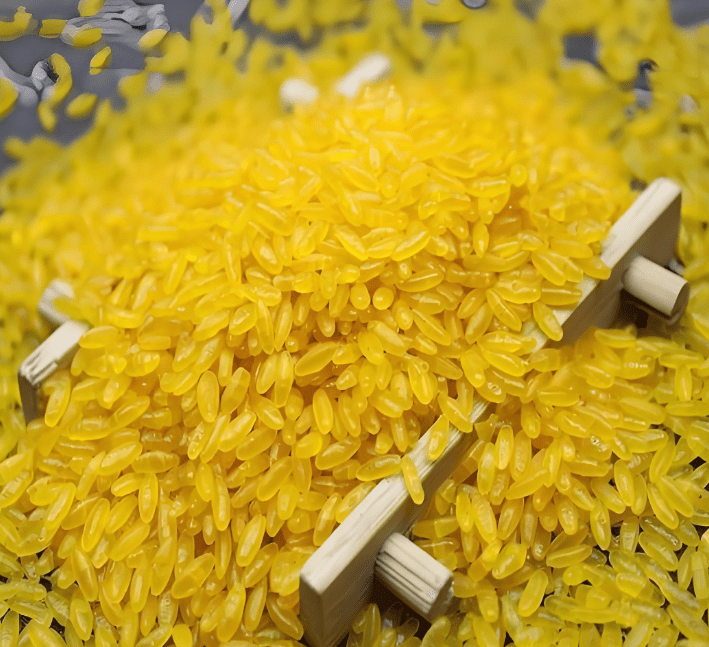
The very concept of instant rice often elicits skepticism. Purists question its texture, its nutritional value, and its very authenticity. How can a process that takes minutes replicate something that traditionally requires twenty? The answer is not through shortcuts in quality, Instant rice making machine but through a pre-emptive completion of the cooking process, followed by a preservation technique that allows for rapid rehydration. Understanding this process requires first understanding the fundamental nature of the rice grain itself.
Part 1: The Raw Material – Deconstructing the Rice Grain
At its core, a grain of rice is a masterpiece of natural packaging. It consists of:
- The Hull or Husk: The inedible, protective outer shell that is removed during the initial milling process.
- The Bran Layer: A nutrient-rich layer containing oils, vitamins, and minerals. In brown rice, this layer is retained; in white rice, it is polished away.
- The Germ: The embryo of the seed, packed with vitamins, fats, and enzymes. It is also removed in the production of white rice.
- The Endosperm: The starchy core, which constitutes the majority of the white rice grain. This is the primary component of instant rice and the focal point of its transformation.
The endosperm is composed of starch granules—tightly packed bundles of two types of glucose polymers: amylose and amylopectin. The ratio of these two polymers is what determines the texture of cooked rice. Long-grain rice, like Basmati, is typically high in amylose (22-28%), resulting in grains that are firmer and separate after cooking. Short-grain rice, like those used for sushi, is high in amylopectin, making it stickier and softer.
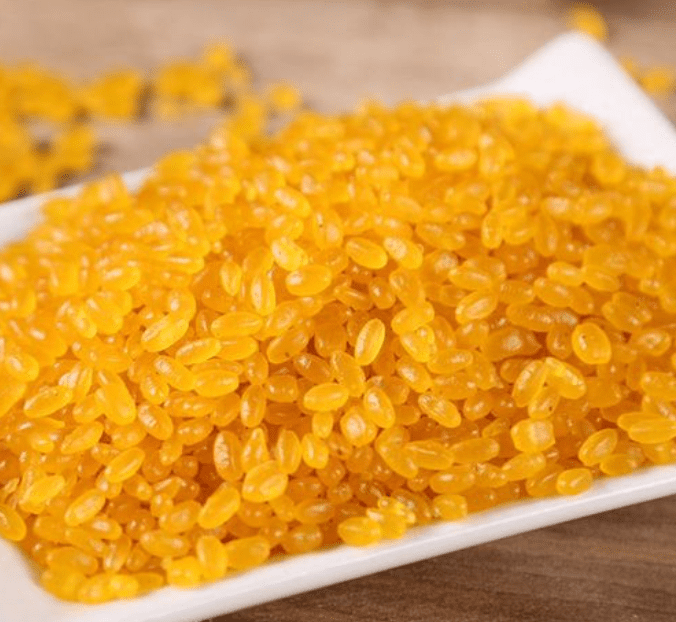
The Science of Cooking: Gelatinization and Retrogradation
Traditional cooking is, in essence, a process of gelatinization. When rice is heated in water, the water molecules penetrate the grain, causing the starch granules to swell and absorb water. As the temperature rises (typically between 60-80°C or 140-176°F), the crystalline structure of the starch breaks down, the granules lose their organized form, and the amylose leaches out into the surrounding water. Instant rice making machine This transformation, known as gelatinization, is what makes the rice soft, digestible, and palatable.
However, upon cooling, a reverse process begins, called retrogradation. The starch molecules, particularly the linear amylose chains, realign and recrystallize. This is what causes cooked rice to become hard and stale when left in the refrigerator. The production of instant rice exploits both of these processes. It fully gelatinizes the rice and then carefully controls its retrogradation to create a stable, dry product that can rapidly re-gelatinize—or “cook”—upon the addition of hot water.
Part 2: The Industrial Metamorphosis – A Step-by-Step Journey through the Production Line
The creation of instant rice is a continuous, highly automated process that can be broken down into several critical stages. The entire operation is a symphony of precision, Instant rice making machine where time, temperature, and moisture are the conductors.
Stage 1: Raw Material Reception and Pre-Cleaning
The process begins with the delivery of raw, unmilled rice (paddy rice). The first step is always cleaning. The paddy rice is passed over a series of screens, sieves, and aspirators to remove all foreign materials: stones, dust, weed seeds, and metallic particles picked up during harvesting and transport. This is crucial, as any impurities can damage machinery later in the line and contaminate the final product.
Stage 2: Milling and Polishing
The cleaned paddy rice then enters the milling facility. Here, the inedible hull is removed by shelling machines, yielding brown rice. For white instant rice, the process continues. The brown rice is passed through milling machines, often abrasive or friction-based, which rub off the bran layer and the germ. What remains is the polished, white endosperm. The degree of polishing is controlled, as a perfectly polished grain will have a more uniform appearance and hydration profile. The milled white rice is then sorted by size and shape using graders and optical sorters to ensure batch consistency.
Stage 3: The Washing and Soaking Pre-Treatment
Before the main cooking event, the milled rice undergoes a critical pre-treatment. It is washed in water to remove any remaining dust, bran powder, or surface starch. Following washing, the rice is often soaked in large tanks of warm water (typically around 40-60°C or 104-140°F) for a controlled period, which can range from 30 minutes to a few hours.
- The Science of Soaking: Soaking serves multiple purposes. It allows the rice to absorb a baseline amount of water, which reduces the energy and time required for full gelatinization in the next step. It also begins to activate endogenous enzymes within the grain, which can slightly modify the starch and improve the final texture. Most importantly, it ensures a more uniform hydration, preventing the outside from turning mushy before the inside is cooked during the subsequent heating stage.
Stage 4: The Primary Cooking (Gelatinization)
This is the heart of the process, where the raw rice is transformed into cooked rice. There are two primary industrial methods used for this stage:
- A. Steam Cooking in a Continuous Tunnel: This is the most common method. The pre-soaked rice is conveyed on a perforated belt through a long, enclosed tunnel. As it moves, it is subjected to jets of high-pressure steam. The temperature, steam pressure, and residence time in the tunnel are meticulously calibrated. The temperature must be high enough to ensure complete gelatinization throughout the entire grain (usually well above 80°C / 176°F). The residence time is typically a matter of minutes—long enough to cook the rice but not so long that it becomes overly soft and begins to disintegrate. The steam not only transfers heat efficiently but also adds the necessary moisture for gelatinization.
- B. Cooking in Excess Water (Boiling): In some facilities, the rice is cooked in large, continuous cookers with a large volume of boiling water, similar to how one might cook pasta. This method is very effective at achieving uniform cooking but can lead to significant nutrient loss as vitamins and minerals leach into the cooking water (the “gruel”). This gruel is often discarded, though some advanced facilities may seek to recover nutrients from it. This method requires a very careful control of time to prevent the rice from becoming a congealed mass.
During this primary cooking stage, the rice absorbs a significant amount of water, often doubling in weight. The grains become soft, swollen, and fully gelatinized.

Stage 5: The Draining and Rinsing
After cooking, the rice is saturated with water and its surface is coated with a sticky layer of leached amylose. To prevent the grains from clumping together irreversibly,Instant rice making machine the excess surface moisture and free starch must be removed. The cooked rice is drained and then gently rinsed with cool, clean water. This “de-sliming” step is crucial for achieving the desired non-sticky, separate-grain texture in the final product. In the steam tunnel method, this step may be less intensive, as less starch is leached compared to the boiling method.
Stage 6: The Disintegration and Drying Process
This is the most technically complex and defining stage of instant rice production. The goal is to remove the water from the cooked rice in a way that creates a porous structure, enabling rapid rehydration later. The two dominant technologies for this are:
- A. The Gun-Puffing Method (Explosion Puffing): This is a classic and highly effective technique. The cooked, moist rice is fed into a large, revolving cylinder called a “gun.” The gun is sealed, and superheated steam is injected, raising the internal pressure to several atmospheres. The rice is “tempered” or held under these high-pressure, high-temperature conditions for a short, precise time. Then, suddenly, a valve is opened, and the product is ejected into a vacuum chamber or the atmosphere. This instantaneous pressure drop causes the superheated water within the rice granules to flash into steam, expanding rapidly. This “explosion” from the inside out creates a multitude of tiny, interconnected pores and fissures throughout the grain. The structure becomes highly porous, like a microscopic sponge.
- B. The Continuous Air/Dryer Drying with Pre-Drying: A more controlled, though often slower, method involves a multi-stage drying process. First, the cooked rice undergoes a “pre-drying” stage where a significant portion of the surface moisture is removed using warm air, bringing the moisture content down to a level where the grains are no longer sticky and can be easily separated. This pre-dried rice is then subjected to a final, high-temperature drying stage in a fluidized-bed dryer or a conveyor dryer. Hot air is blown through the bed of rice grains, rapidly evaporating the remaining internal moisture. The rapid evaporation itself helps to create a porous structure, though typically not as dramatic as in gun-puffing. The key is to dry the rice quickly enough to prevent the starch from settling into a dense, hard structure during retrogradation.
Stage 7: The Conditioning and Tempering Stage
Immediately after the intense heat of drying, the rice is very hot and its moisture content may not be perfectly uniform. It is transferred to large, temperature- and humidity-controlled bins for a period of “tempering” or conditioning. Instant rice making machine Here, the product cools slowly, and any residual moisture equilibrates throughout the batch. This resting period also allows for the completion of the retrogradation process. The amylose and amylopectin molecules settle into a stable, recrystallized structure. This retrograde starch is what gives instant rice its shelf-stable, dry, and hard texture. It is less digestible than gelatinized starch, which has implications for nutrition (a point we will return to later).

Stage 8: The Final Screening and Maturation
After conditioning, the rice is passed over vibrating screens to remove any broken grains or small fragments that may have occurred during the violent puffing or drying processes. The product is now, in essence, “mature” instant rice. It is hard, translucent or opaque (depending on the method), and bears little visual resemblance to freshly cooked rice.
Stage 9: The Fortification Process (Enrichment)
A significant criticism of white rice, both traditional and instant, is the loss of nutrients during milling. To address this, most instant rice is “enriched” or fortified. A nutrient slurry or powder, containing key B-vitamins (thiamine, niacin) and iron, and sometimes folic acid, is applied to the grains. This is often done via a coating drum. The rice grains are tumbled in a drum while a fine mist of the vitamin and mineral solution is sprayed onto them. The coating adheres to the dry, porous surface of the rice. In some high-end processes, the fortificants are added to the soaking water before cooking, allowing them to be absorbed into the grain, resulting in better retention during the final rinsing step.
Stage 10: Packaging
The final step is packaging. The instant rice is weighed and filled into its final containers—which could be plastic bags, cardboard boxes, or styrofoam cups for the ready-to-eat market. Packaging is done in a low-humidity environment to prevent the product from absorbing atmospheric moisture before sealing. For cup-based products, dehydrated vegetables, seasonings, and a flavor powder are often added in layers before the rice is included. The packaging material is a critical barrier against moisture, oxygen, and light, all of which can degrade the product’s quality and shelf life.
Part 3: Variations on a Theme – Brown, Basmati, and Precooked Frozen Rice
The process described above is the standard for white instant rice. However, variations exist to cater to different consumer preferences and rice types.
- Instant Brown Rice: The process is fundamentally the same, but it starts with brown rice, which retains the bran layer. This bran layer is rich in oils and enzymes, making it more susceptible to rancidity. Therefore, the entire process must be tightly controlled to minimize oxidation. The bran also acts as a barrier to water absorption, so the soaking and cooking stages may need to be longer or at higher temperatures. The final product has a chewier texture and a nuttier flavor, reflecting its whole-grain origin.
- Instant Basmati or Jasmine Rice: For premium aromatic varieties, the challenge is to preserve the delicate flavor compounds. The high temperatures involved in cooking and drying can drive off these volatile aromas. Producers may use lower-temperature processes or employ flavor-lock technologies, such as capturing the steam condensate from the initial cooking (which contains the aromas) and re-applying it to the grains after drying.
- Precooked Frozen Rice: This is a less common but high-quality alternative. The rice is fully cooked and then individually quick-frozen (IQF). This method skips the entire drying and retrogradation step. Because the rice is frozen while still in its gelatinized state, it does not become hard. Reheating simply involves thawing and warming, resulting in a texture that is often superior to dehydrated instant rice. The obvious trade-offs are the requirement for continuous frozen storage and a shorter overall shelf life.
Part 4: The Science of Rehydration – From Hard Grain to Soft Meal
When a consumer adds boiling water to instant rice, the reverse of the drying process occurs. The hot water rapidly infiltrates the porous, spongelike structure of the grain. Instant rice making machine The heat transfers quickly to the retrograde starch, providing the energy needed to break the hydrogen bonds that formed during retrogradation. The starch re-gelatinizes. Because the structure is already open and the starch has already been through one cycle of gelatinization, this second transformation happens in a matter of minutes, not the 15-20 minutes required for raw rice. The grains swell, soften, and become edible, mimicking the texture of traditionally cooked rice.

Part 5: Nutritional and Sensory Analysis – The Great Debate
The perception of instant rice as “inferior” is a topic of considerable debate, grounded in some scientific reality but often overstated.
- Nutritional Value: The primary nutritional loss in white instant rice occurs at the milling stage, where the bran and germ are removed. This is true for all white rice, instant or not. The fortification process actively adds back certain key nutrients. The real nutritional difference lies in the processing. The washing, rinsing, and high-temperature cooking/drying can lead to the loss of water-soluble vitamins (like B-vitamins), even the fortified ones if the fortification is only a surface coating. Furthermore, the retrograded starch in instant rice is a form of resistant starch. Resistant starch is not digested in the small intestine and behaves more like dietary fiber, which can have benefits for gut health and blood sugar management, as it results in a lower glycemic index compared to freshly cooked white rice.
- Texture and Flavor: This is the most common complaint. The intense processing can damage the physical integrity of the grain. The puffing and drying can lead to a slightly softer, sometimes slightly mushy or crumbly texture compared to the al dente quality of well-cooked traditional rice. The delicate, subtle flavors of the rice can be diminished or altered by the high-heat treatment. However, for use in casseroles, stir-fries, or as a base for strongly flavored sauces, these differences are often negligible to the average palate.
Part 6: The Future of Instant Rice – Innovation and Trends
The industry is not static. Driven by consumer demand for both convenience and quality, innovation continues.
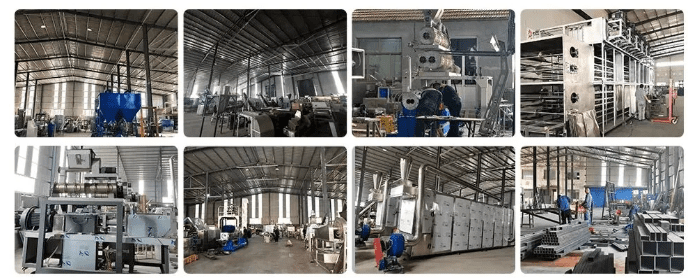
- Improved Texture: New drying technologies, such as microwave-vacuum drying, are being explored. This method uses microwave energy to heat the water inside the rice directly, causing it to vaporize under a vacuum, which allows for evaporation at lower temperatures. This gentler process can better preserve the grain structure and result in a final product with a texture much closer to that of fresh-cooked rice.
- Clean-Label and Organic: The demand for “clean-label” products—those with simple, recognizable ingredients—is pushing manufacturers to eliminate any artificial anti-caking agents or preservatives that might have been used in the past. The production of organic instant rice is also a growing segment, requiring certified organic raw materials and adherence to strict processing standards.
- Nutritional Enhancement: Beyond standard fortification, there is a trend towards creating instant rice with enhanced functional benefits. This includes the development of instant rice with higher protein content, added fiber, or infused with omega-3 fatty acids.
- Sustainability: Water and energy usage in food processing is under increasing scrutiny. Modern instant rice plants are focusing on reducing their environmental footprint by recycling process water, using energy-efficient dryers, and minimizing food waste by finding uses for broken grains, often selling them to the brewing or baking industries.
Conclusion
The production of instant rice is far from a simple “cheat”; it is a testament to human ingenuity in food technology. It is a carefully orchestrated series of transformations that leverage the fundamental principles of food chemistry and physics. From the initial soaking that preps the grain, through the steam-induced gelatinization, to the violent puffing or precise drying that creates a porous architecture, every step is calibrated for a single purpose: to pre-cook and preserve rice in a form that can be brought back to life with unparalleled speed.
While it may never fully replicate the nuanced texture and flavor of a perfectly steamed pot of traditional rice for the discerning gourmet, its value is undeniable. It provides sustenance in disaster relief, convenience for busy families, and consistency for the food service industry. The next time you pour boiling water into a cup of instant rice, take a moment to appreciate the remarkable industrial alchemy that made that simple act possible—a complex journey of science and engineering, all contained within a few minutes and a handful of tiny, transformed grains.