
The Alchemy of Aquaculture: Crafting Superior Fish Food Through Five Essential Pillars
The art and science of creating fish food, or aquaculture feed, is a delicate balancing act that transcends mere sustenance. For the hobbyist, the right food means vibrant, active fish and a thriving aquarium ecosystem. For the commercial aquaculturist, fish feed making machine it is the single most critical factor determining growth rates, health, and economic viability. The journey from raw ingredient to finished pellet is a complex process where biology, nutrition, and engineering converge. To master this process is to understand that superior fish food is not defined by a single attribute, but by the harmonious integration of five fundamental pillars: Precision Nutrition, Ingredient Quality and Source, Palatability and Attraction, Physical Integrity, and Digestibility and Environmental Impact. This treatise delves into each of these elements, providing a detailed roadmap for formulating and identifying fish food that promotes optimal health, vitality, and growth.
Pillar One: Precision Nutrition – The Foundation of Health
At its core, fish food is a delivery mechanism for essential nutrients. fish feed making machine Unlike terrestrial animals, fish have evolved with distinct physiological needs based on their species, life stage, and natural habitat. A “one-size-fits-all” approach is a recipe for deficiency, disease, and poor growth. Precision nutrition is the practice of tailoring the feed formula to meet the exact biological requirements of the target fish.
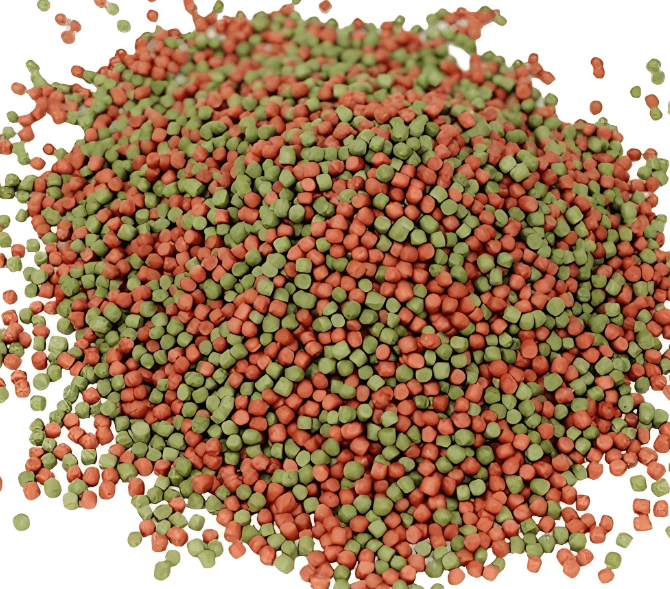
1.1 The Macronutrient Trinity: Proteins, Lipids, and Carbohydrates
- Proteins and Amino Acids: Proteins are the building blocks of life, essential for growth, tissue repair, and immune function. However, fish require specific amino acids—the components of proteins—in precise ratios. The ten essential amino acids (e.g., lysine, methionine, arginine) cannot be synthesized by fish and must be provided in the diet. The protein source is paramount. Carnivorous species like cichlids or salmon require high percentages (40-50%) of protein derived from fish meal, squid meal, or other aquatic sources, which provide a perfect amino acid profile. Omnivorous and herbivorous species can utilize plant-based proteins like soybean meal or spirulina, but the formula must be carefully balanced to ensure all essential amino acids are present and bioavailable.
- Lipids and Fatty Acids: Lipids are the primary source of concentrated energy and are crucial for the development of cell membranes, nervous systems, and hormone production. The type of fat is as important as the amount. Omega-3 fatty acids, particularly EPA (Eicosapentaenoic acid) and DHA (Docosahexaenoic acid), are critical for fish health. They reduce inflammation, support brain function, and are essential for the development of fry and juveniles. These are predominantly found in marine sources like fish oil and krill oil. Omega-6 fatty acids, from plant oils, are also necessary but must be balanced with Omega-3s. An improper ratio can lead to health issues and fatty deposits.
- Carbohydrates: Fish have a limited ability to digest complex carbohydrates. While not a strict dietary requirement, carbohydrates serve as a cost-effective energy source and are used as binders in pellet formation. Excessive levels, however, can lead to reduced growth, fat accumulation in the liver (hepatic steatosis), and poor water quality due to undigested matter. Herbivorous species like certain plecos or tilapia have a higher tolerance for carbohydrates from sources like spirulina and wheat germ.
1.2 Micronutrients: The Vital Catalysts
Vitamins and minerals, though required in minute quantities, are the catalysts for virtually every metabolic process.
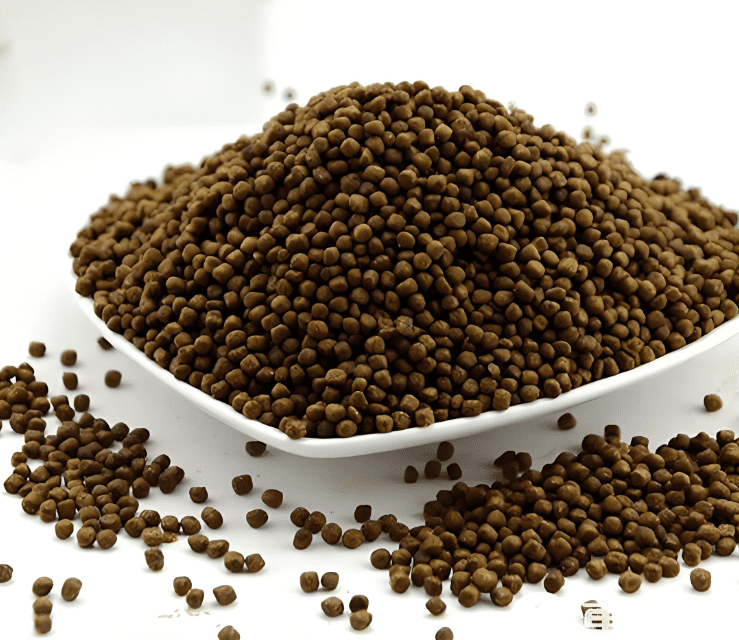
- Vitamins: Vitamin C (ascorbic acid) is crucial for collagen formation, wound healing, and immune response. It is highly unstable and must be stabilized (e.g., as ascorbyl phosphate) or over-supplemented to ensure adequate levels. Vitamin A is vital for vision and growth, while Vitamin D3 regulates calcium and phosphorus metabolism. The B-complex vitamins are coenzymes in energy metabolism. A deficiency in any one vitamin can manifest in specific diseases like scoliosis (Vitamin C), poor growth (B vitamins), or exophthalmia (Vitamin A).
- Minerals: Minerals like calcium and phosphorus are critical for skeletal development and scale integrity. The ratio of calcium to phosphorus is critical, ideally around 1:1 to 2:1, for proper absorption. Other essential minerals include magnesium, potassium, sodium, and trace elements like zinc, iron, and selenium, which act as cofactors for enzymes.
Precision nutrition demands that formulators move beyond simple crude protein percentages and consider the specific needs of the species, creating a complete and balanced nutritional profile that supports the fish throughout its entire life cycle.
Pillar Two: Ingredient Quality and Source – You Are What Your Fish Eat
The nutritional value of feed is entirely dependent on the quality and origin of its ingredients. A formula with perfect ratios is worthless if the ingredients are spoiled, contaminated, or poorly sourced.
2.1 The Freshness Factor
The degradation of nutrients begins as soon as raw materials are processed. Fats, in particular, are susceptible to rancidity (oxidation). Oxidized lipids not only lose their nutritional value but also become toxic, leading to inflammation, compromised immune systems, and cellular damage. High-quality manufacturers use fresh, sustainably sourced raw materials and implement rigorous quality control checks for freshness, including testing for peroxide and anisidine values to measure oxidation.
2.2 Ingredient Source and Sustainability
The source of primary ingredients has significant implications for both quality and ethics.
- Fish Meal and Oil: Traditionally, these have been the gold standard for carnivorous fish. However, the sustainability of wild-caught fish for reduction into meal is a major concern. The best manufacturers now source from certified sustainable fisheries or utilize by-products from fish processing for human consumption, which reduces waste.
- Alternative Proteins: The future of aquaculture feed lies in alternative proteins. Insect meal (from black soldier fly larvae) is a promising, highly digestible protein source with a excellent amino acid profile. Single-cell proteins (from yeast or bacteria) and algal meals are other sustainable innovations that can replace traditional fish meal without compromising nutrition.
- Plant-Based Ingredients: While excellent for omnivores and herbivores, plant ingredients can contain anti-nutritional factors (ANFs) like phytates, which can bind to minerals and make them unavailable to the fish. High-quality processing, such as fermentation or heat treatment, is required to deactivate these ANFs.
2.3 Purity and Contaminants
Ingredient sourcing must ensure the absence of contaminants such as heavy metals (mercury, lead), pesticides, mycotoxins (from moldy grains), and dioxins. fish feed making machine Reputable suppliers provide certificates of analysis for their ingredients, guaranteeing their purity and safety. The adage “garbage in, garbage out” is profoundly true in fish feed production.
Pillar Three: Palatability and Attraction – The Key to Consumption
A nutritionally perfect pellet is a failure if the fish refuse to eat it. Palatability—the taste and texture that encourage consumption—is a critical, often overlooked, element. Fish rely heavily on their sense of smell (chemoreception) and taste to locate and identify food.

3.1 The Role of Feeding Stimulants
These are compounds that trigger a feeding response. Key stimulants include:
- Amino Acids: Certain free amino acids, like glycine, alanine, and arginine, are powerful attractants, especially for crustaceans and carnivorous fish. They signal the presence of high-quality protein.
- Nucleotides: These are breakdown products of DNA and RNA and are strong feeding stimulants for many species.
- Betaine: Found naturally in mollusks and crustaceans, betaine is a highly effective attractant for a wide range of fish.
- Marine Oils: The scent of high-quality fish oil, squid oil, or krill oil is irresistibly attractive to most aquatic species.
3.2 Texture and Size
The physical characteristics of the feed must match the feeding behavior of the fish.
- Size and Shape: Fry require microscopic food or powders, while large fish need appropriately sized pellets. The shape is also important; sinking wafers for bottom feeders, floating sticks for surface feeders, and slow-sinking granules for mid-water column species.
- Hardness: A pellet that is too hard may be difficult for fish with small mouths to process, while one that is too soft may disintegrate too quickly. The optimal hardness ensures the pellet remains intact until consumed but is easy for the fish to break down.
Manufacturers can enhance palatability by using high-quality attractants in the base formula and through post-extrusion coating, where oils and powdered attractants are sprayed onto the finished pellets to create a potent “first scent” that draws fish in immediately.
Pillar Four: Physical Integrity – The Engineering of a Pellet
The journey of a pellet from the feed bag to the fish’s stomach is a physically demanding one.fish feed making machine It must withstand packaging, transportation, and immersion in water without losing its nutritional value or polluting the environment.
4.1 Water Stability and Leaching
When a pellet hits the water, a race against time begins. Water-soluble vitamins and minerals immediately start to dissolve and leach out. A poorly bound pellet will lose a significant portion of its nutrients within minutes, leaving the fish with a hollow, less nutritious shell. Furthermore, a pellet that disintegrates quickly turns into fine, uneaten particles that decompose and foul the water. High water stability is achieved through:
- Effective Binders: Using natural, digestible binders like wheat gluten, alginate, or guar gum to hold the pellet matrix together.
- Proper Extrusion: The process of cooking the feed under high heat and pressure (extrusion) gelatinizes the starches, which act as natural binders and create a durable, yet digestible, structure.
4.2 Sinking vs. Floating Characteristics
The buoyancy of the feed must be engineered to suit the natural feeding zone of the fish.
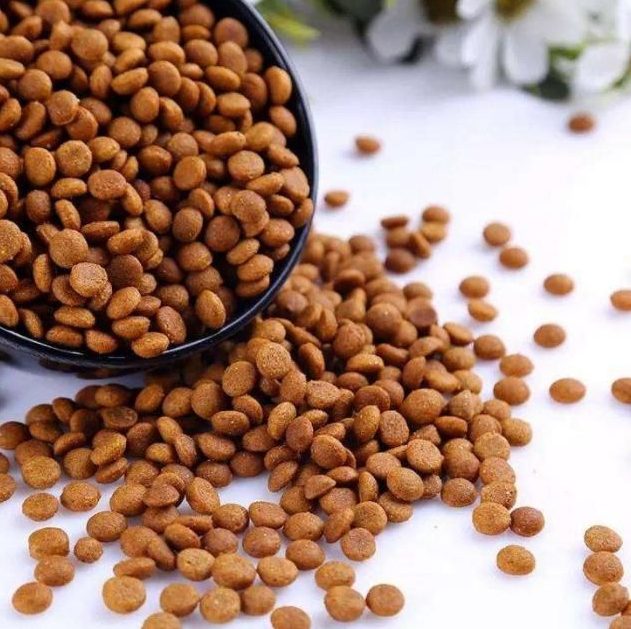
- Floating Feeds: Created by expanding the pellet during extrusion, trapping air inside. Ideal for surface-feeding fish like bettas or koi, allowing the aquaculturist to observe feeding behavior.
- Sinking Feeds: The density is increased to make the pellet sink. Crucial for bottom-dwellers like catfish and loaches.
- Slow-Sinking Feeds: Designed for mid-water column species, these feeds allow for a more natural feeding presentation.
The physical integrity of the pellet ensures that the precise nutrition formulated in Pillar One is delivered intact to the fish, maximizing nutrient uptake and minimizing waste.
Pillar Five: Digestibility and Environmental Impact – The Final Measure of Efficiency
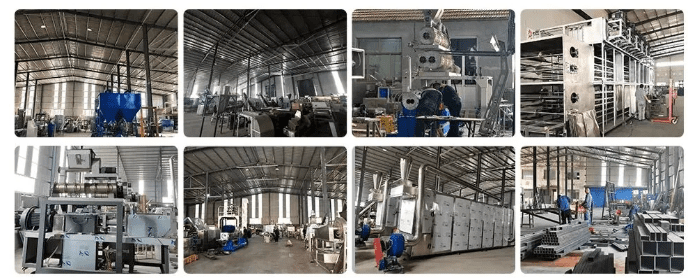
The ultimate test of a fish food’s quality is not what goes into the fish, but what is successfully absorbed and utilized by it. Digestibility measures the proportion of the feed that is broken down and absorbed, rather than excreted as waste.
5.1 The Importance of High Digestibility
Highly digestible ingredients mean:
- Better Growth and Health: More available nutrients for energy, growth, and bodily functions.
- Reduced Waste: Less undigested material is expelled as feces. This is paramount in closed-system aquariums and commercial farms where waste accumulation is the primary driver of poor water quality, high ammonia and nitrite levels, and algal blooms.
- Improved Feed Conversion Ratio (FCR): In aquaculture, FCR is the measure of feed required to produce a unit of fish mass. A lower FCR (e.g., 1.2:1) indicates a highly efficient, digestible feed, reducing both cost and environmental footprint.
5.2 Formulating for Digestibility
Digestibility is influenced by the factors previously discussed:
- Ingredient Quality: Fresh, high-quality ingredients are inherently more digestible.
- Processing: Proper extrusion cooking not only gelatinizes starch but also breaks down complex proteins and anti-nutritional factors, making the entire pellet more bioavailable.
- Enzyme Supplementation: Some advanced feeds include exogenous enzymes (e.g., phytase) to break down otherwise indigestible components like phytate, further improving mineral absorption and reducing waste.
A feed that excels in digestibility is the hallmark of a superior product. It demonstrates a holistic understanding of the fish’s digestive physiology and a commitment to the health of the fish and the ecosystem it inhabits.
Creating the perfect fish food is not a matter of prioritizing one element over another. It is a symphony where all five pillars must perform in concert. Precision Nutrition provides the blueprint; Ingredient Quality provides the raw materials; Palatability ensures the blueprint is followed; Physical Integrity guarantees the delivery of the materials; and Digestibility confirms the successful execution of the plan. Whether you are a multinational feed company or a hobbyist selecting a brand for a beloved aquarium, applying this five-pillar framework allows for a critical and informed evaluation. By demanding excellence in all these areas, we move beyond simply feeding our fish to truly nourishing them, fostering vitality, color, and longevity in the aquatic worlds we curate.