
Rice, a staple food for over half the world’s population, undergoes a critical transformation from paddy to polished grain. fortified rice making machine Strengthening this entire milling process is essential not only for maximizing yield and quality but also for ensuring food safety, nutritional retention, and economic sustainability. A robust, integrated approach encompasses every stage, from pre-milling preparations to final packaging.

1. Pre-Milling: The Foundation of Quality
The journey to superior rice begins long before the paddy enters the mill. Strengthening this phase involves:
- Receiving and Drying: Implementing strict intake protocols to segregate varieties and assess moisture content. Using modern, controlled dryers (e.g., continuous flow dryers) instead of open-air sun-drying prevents fissuring, reduces heat damage, and minimizes microbial growth. Target moisture levels (typically 12-14%) are crucial for optimal milling.
- Cleaning and Storage: Employing advanced cleaners (sieves, aspirators, destoners) to remove impurities like straw, stones, and weed seeds. Strengthened storage in silos with controlled temperature and humidity prevents spoilage, insect infestation, and moisture re-absorption, preserving the paddy’s milling potential.
2. The Core Milling Process: Precision and Efficiency
This is the heart of the operation, where strengthening focuses on precision machinery and process control.
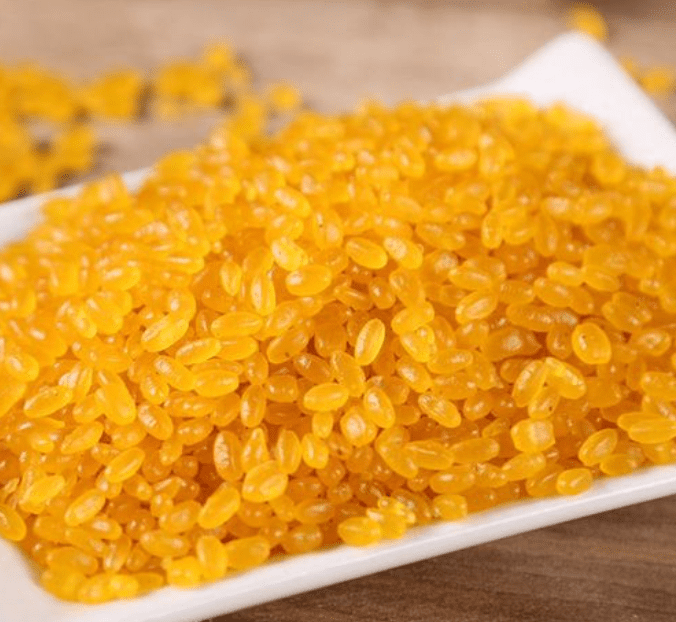
- Husking/Dehulling: Modern rubber-roll huskers are preferred for their higher efficiency and lower grain breakage compared to older steel hullers. Maintaining proper roll pressure and alignment is critical.
- Separation: Efficient paddy separators (e.g., tray separators) ensure complete separation of brown rice from unhusked paddy, which is recycled, maximizing overall yield.
- Whitening/Polishing: This is a key stage for quality control. Strengthening involves using adjustable abrasive or friction whiteners. fortified rice making machine The goal is to remove the bran layers progressively without generating excessive heat or pressure, which causes breakage and nutrient loss. Multi-pass polishing is often more effective than single-pass aggressive milling.
- Bran and Husk Handling: A strengthened process views byproducts as revenue streams. Efficiently collecting bran (for oil extraction or animal feed) and husk (for fuel, biomass, or building materials) adds value and reduces waste.
3. Post-Milling: Refinement and Safety
The milled rice must be refined and prepared for consumption.
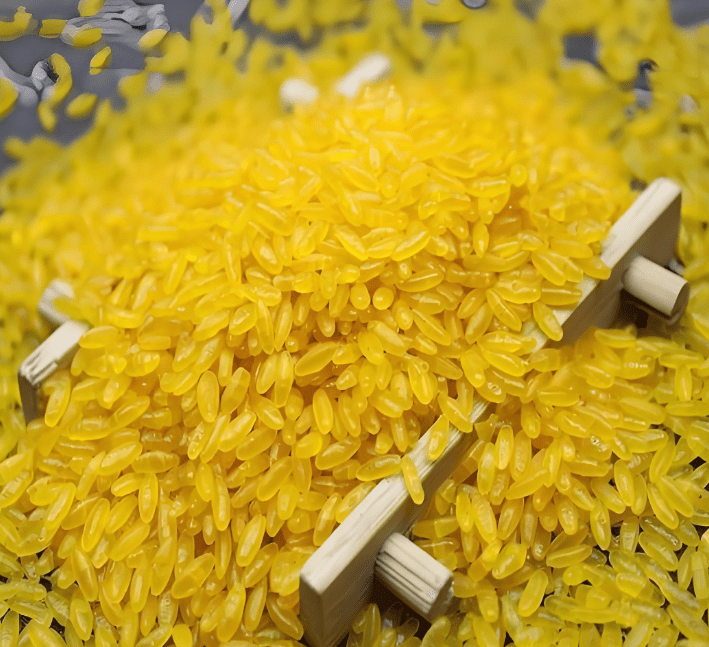
- Grading and Sorting: This is where final quality is assured. Using modern optical sorters equipped with cameras and lasers removes discolored grains, foreign materials, and defects with incredible accuracy, far surpassing manual sorting. Length graders (indent cylinders) separate whole grains from broken ones.
- Mist Polishing (Optional): A light water mist polishing step can improve the final luster and cleanliness of the grain, enhancing consumer appeal.
- Fortification Blending: For nutritional enhancement, a strengthening strategy includes integrating blending systems to uniformly mix vital micronutrients (like iron, folic acid, Vitamin B12) into the rice stream, addressing “hidden hunger.”
4. Packaging, Quality Assurance, and Integration
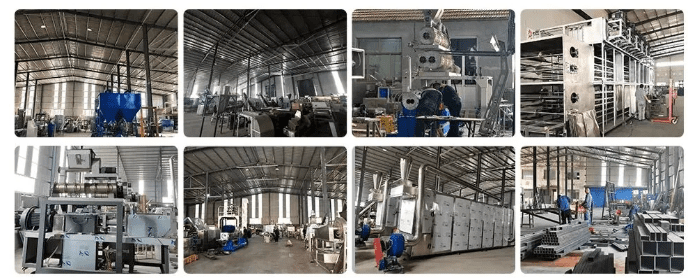
- Smart Packaging: Using automated, precision weighing and packaging lines with inert gas flushing (e.g., nitrogen) extends shelf life by preventing oxidation and insect infestation. Packaging materials should be durable and moisture-resistant.
- Rigorous Quality Assurance: A strengthened process embeds QA at every step. Laboratory checks for moisture, head rice yield, degree of milling, fortified rice making machine chalkiness, and chemical residues (e.g., mycotoxins, pesticides) are non-negotiable. Implementing HACCP (Hazard Analysis Critical Control Point) principles ensures food safety.
- The Digital Backbone: The ultimate strengthening tool is digital integration. Sensors on equipment monitor temperature, vibration, and throughput. Centralized Process Control Systems automate operations and optimize settings. Data analytics track yield, energy consumption, and quality metrics in real-time, enabling predictive maintenance and continuous improvement.
Strengthening the rice milling process is not merely about installing newer machines. It is a holistic strategy that integrates:
- Technology Adoption for precision and efficiency.
- Process Optimization to balance yield, quality, and nutrient retention.
- Byproduct Valorization for economic and environmental sustainability.
- Rigorous Quality & Safety Protocols to build consumer trust.
- Digitalization for data-driven decision-making.
By fortifying each link in this chain—from paddy field to packaged product—the rice milling industry can significantly enhance global food security, deliver nutritious and safe food, improve profitability for millers and farmers, and reduce its environmental footprint. In a world facing climate and resource challenges, a strengthened rice value chain is more vital than ever.