
Introduction
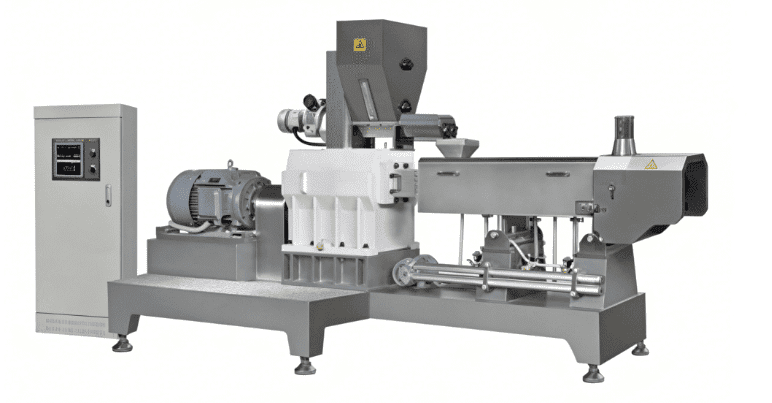
Protein is the cornerstone of any canine diet. It provides essential amino acids for muscle maintenance, immune function, enzyme production, dog food extruder and healthy skin and coat. For dog food manufacturers, selecting the right protein sources is a balancing act among nutritional adequacy, digestibility, palatability, cost, and regulatory compliance. This article outlines the major protein sources available to the dog food industry and provides practical guidance on how to source and evaluate them.
1. Animal-Based Protein Sources
Animal proteins are generally considered complete proteins for dogs because they contain all essential amino acids in appropriate ratios.
1.1 Fresh or Frozen Meats
- Examples: Chicken, turkey, beef, lamb, pork, duck, rabbit.
- Form: Whole muscle meat with natural moisture (typically 60–75% water).
- How to source: Direct from meat packing plants, poultry processors, or rendering facilities under cold chain logistics.
- Considerations: Highly palatable but expensive on a dry-matter basis. Requires refrigeration or freezing. Moisture must be accounted for in formulation.
1.2 Meat Meals
- Definition: Fresh meat that has been rendered (cooked to remove fat and water) and ground into a concentrated powder.
- Typical protein content: 50–70% (dry basis).
- Examples: Chicken meal, lamb meal, beef meal, turkey meal.
- How to source: From commercial rendering plants that process slaughterhouse trimmings, whole carcasses, or specific meat cuts.
- Advantages: Concentrated protein, lower shipping cost per unit protein, stable at room temperature.
- Quality indicators: Low ash content (<12%), consistent amino acid profile, no signs of scorching.
1.3 Fish and Fish Meals
- Examples: Salmon, whitefish, herring, menhaden, anchovy.
- Forms: Fresh/frozen whole fish, fish meal, salmon meal.
- Unique benefits: Rich in omega-3 fatty acids (EPA and DHA) which support skin health and inflammation control.
- How to source: From fisheries and fish rendering operations. Look for sustainability certifications (e.g., MSC).
- Caution: Fish meal can have strong odor; ensure proper storage to prevent rancidity.
1.4 By-Product Meals
- Definition: Rendered parts of slaughtered animals other than muscle meat (e.g., organs, bones, cartilage, feet, intestines).
- Examples: Chicken by-product meal, poultry by-product meal.
- Nutritional reality: High-quality by-product meals can be excellent protein sources (liver, kidney, lungs are nutrient-dense). Lower-quality ones may contain excessive bone or feathers.
- How to source: From renderers who specify the exact composition.
- Regulatory note: AAFCO (USA) and FEDIAF (Europe) have clear definitions. By-product meal is not inherently inferior, but quality varies widely by supplier.
1.5 Other Animal Proteins
- Eggs (fresh or dried): Very high digestibility (≈98%) and excellent amino acid profile. Expensive but useful for sensitive diets.
- Whey or casein (milk proteins): Less common in dry dog food but used in semi-moist or functional treats.
2. Plant-Based Protein Sources
Plants can supply protein, but most are incomplete for dogs (missing or low in one or more essential amino acids, especially methionine, tryptophan, or lysine). They are often combined with animal proteins or supplemented with synthetic amino acids.
2.1 Soy Products
- Forms: Soybean meal (common in livestock feed), dog food extruder soy protein concentrate (60–70% protein), soy protein isolate (85–90% protein).
- Advantages: Inexpensive, widely available, good lysine content.
- Disadvantages: Contains anti-nutritional factors (trypsin inhibitors, lectins) if not properly heat-treated. Potential allergen for some dogs.
- How to source: From oilseed crushing plants or specialty ingredient suppliers.
2.2 Corn Gluten Meal
- Protein content: Approximately 60% protein.
- Source: A co-product of corn wet milling for starch or syrup production.
- Amino acid profile: High in methionine and cysteine but low in lysine.
- Common use: Often paired with animal protein or synthetic lysine.
- How to source: From corn processing facilities.
2.3 Wheat Gluten (Vital Wheat Gluten)
- Protein content: 75–82% protein.
- Texture: Forms a viscoelastic mass when hydrated – useful for canned products or treats.
- Limitation: Low in lysine.
- How to source: From wheat starch or flour mills.
2.4 Legumes and Pulses
- Examples: Pea protein concentrate, lentil protein, chickpea flour, whole peas.
- Protein content (concentrates): 50–60%.
- Benefits: Increasingly used in grain-free and premium formulas. Pea protein is relatively low in anti-nutritional factors.
- How to source: From pulse processing plants or agricultural cooperatives.
2.5 Other Plant Proteins
- Rice protein: Hypoallergenic but moderately low in lysine.
- Potato protein: By-product of potato starch extraction. Good digestibility but small production volume.
- Sunflower seed meal / sunflower protein: Emerging option; low in antinutrients.
3. Novel and Emerging Protein Sources
- Insect proteins: Black soldier fly larvae (BSFL) meal, cricket meal. Sustainable, dog food extruder highly digestible, and hypoallergenic. Approved in the EU and increasingly in North America.
- Single-cell proteins: Yeast protein concentrate (from brewers’ or distillers’ yeast). Binds well and provides B vitamins.
- Fermentation-derived proteins: Precision-fermented animal-identical proteins (still emerging for pet food).
4. Key Considerations When Sourcing Protein
| Factor | Why It Matters |
|---|---|
| Essential amino acid profile | Dogs require 10 essential amino acids. Check methionine, lysine, tryptophan, threonine. |
| Digestibility | High digestibility (>80% for most animal meals, >70% for plant concentrates) means less waste. |
| Anti-nutritional factors | Heat-labile factors (trypsin inhibitors in soy, lectins) must be destroyed by proper processing. |
| Allergen potential | Beef, dairy, chicken, and soy are common dog allergens. Consider novel proteins for sensitive lines. |
| Heavy metals and contaminants | Fish meals may accumulate mercury or PCBs. Require supplier testing. |
| Cost per unit protein | Compare $ per kg of protein, not $ per kg of ingredient. |
| Sustainability / ESG | Insect and plant proteins have lower carbon and water footprints than beef or lamb. |
| Regulatory compliance | AAFCO definitions: “chicken meal” ≠ “chicken by-product meal” ≠ “poultry meal”. |
5. Practical Sourcing Strategy
Step 1 – Determine your product tier
- Economy dog food: Soybean meal + corn gluten meal + low-cost meat meal (e.g., poultry by-product meal).
- Premium dog food: Named meat meal as #1 ingredient (e.g., chicken meal, salmon meal). May include pea protein or egg.
- Super-premium / limited ingredient: Single novel protein (lamb meal, insect meal, venison) with no by-products.
Step 2 – Identify suppliers
- Renderers (for meat meals): Darling Ingredients, SARIA, VALLEY PROTEINS, APC.
- Plant protein concentrate producers: ADM, Cargill, Bunge, Roquette, Ingredion.
- Specialty protein (insect, egg, fish): Protix, Ÿnsect, Nordic Insect Economy, Mowi (fish meal).
Step 3 – Request technical specifications
Required analyses for each protein shipment or lot:
- Crude protein (N × 6.25)
- Crude fat
- Moisture
- Ash (mineral content)
- Crude fiber
- Amino acid profile (at least lysine, methionine, threonine)
- Pepsin digestibility (for animal meals – target ≥80%)
- Biogenic amines (indicator of spoilage in meat meals)
- Peroxide value (fat rancidity, especially for fish meal)
Step 4 – Pilot and validate
- Run a small batch (200–500 kg) with the new protein source.
- Measure palatability (first-bite preference and intake).
- Check stool quality (firmness, color, odor – important for consumer satisfaction).
- Conduct a digestibility trial (minimum 6 dogs per test diet) or contract a lab for in vitro digestion.
6. Common Formulation Approaches by Dog Food Type
| Product Type | Primary Protein Sources | Blending Ratio (Protein basis) |
|---|---|---|
| Economy dry | Poultry by-product meal + soybean meal + corn gluten | 40% animal / 60% plant |
| Standard dry | Chicken meal + corn gluten + pea protein | 60% animal / 40% plant |
| Premium grain-free | Lamb meal + salmon meal + pea protein concentrate | 80% animal / 20% plant |
| Hypoallergenic | Hydrolyzed chicken protein or insect meal + potato protein | 100% hydrolyzed/novel |
| Senior / light | Chicken meal + egg + rice protein | 70% animal / 30% plant (higher digestibility) |
| Canned (wet) | Fresh chicken or beef + liver + wheat gluten | >90% animal (moist basis) |
7. Pitfalls to Avoid
- Over-relying on plant proteins without supplementing methionine or taurine (risk of dilated cardiomyopathy has been investigated in grain-free, legume-heavy diets).
- Using poorly defined “meat meal” without species declaration – leads to inconsistent quality.
- Ignoring digestibility: A 70% protein meal with 60% digestibility equals only 42% usable protein.
- Neglecting palatability: Some protein sources (e.g., lamb meal, insect meal) have strong or unfamiliar odors that may reduce intake.
Conclusion
Sourcing protein for dog food is not a one-size-fits-all task. Animal meals provide concentrated, complete protein but vary in quality. Plant proteins are economical but often require blending with animal sources or amino acid fortification. Novel proteins like insects offer sustainability and hypoallergenic benefits. The best approach is to match protein sourcing to your target price point, nutritional requirements, and consumer expectations – and to verify every batch with rigorous laboratory testing. A well-sourced protein blend results in a dog food that is nutritious, palatable, digestible, and safe.
1.Will you help us with the installation ?
Yes , We will send engineers to install and debug the equipment, and assist in training your staff.
2.Are you a factory or trading company?
We are a factory.
3.What certificate do you have?
We have ISO and CE certificate.
4.How long is the warranty period?
All of our machines have one year warranty.
5.What’s the main market of your company?
Our customers all over the world.
6.How much production capacity of your company one year?
This depends on your needs.