
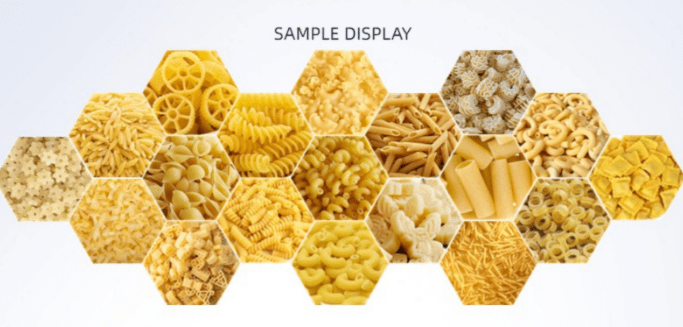
Walk down any grocery aisle, and you will see it: the humble box of macaroni. It presents an image of simple, wholesome carbs—a rustic Italian staple made from just wheat and water. We are told it is a “slow food,” a product of artisanal tradition. Yet, behind the romanticized packaging, the reality of modern macaroni processing is a tale of brutalist engineering, high-temperature violence, and chemical manipulation designed to prioritize profit over taste and nutrition.
The Brutalist Machine
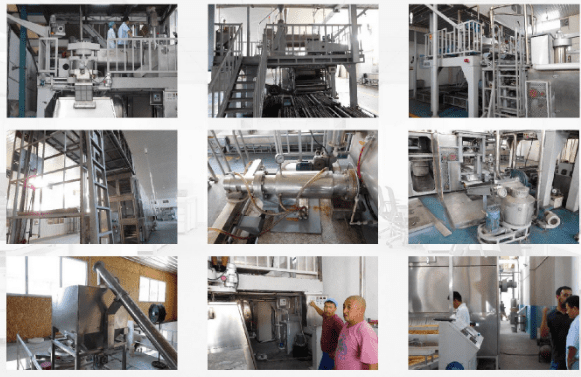
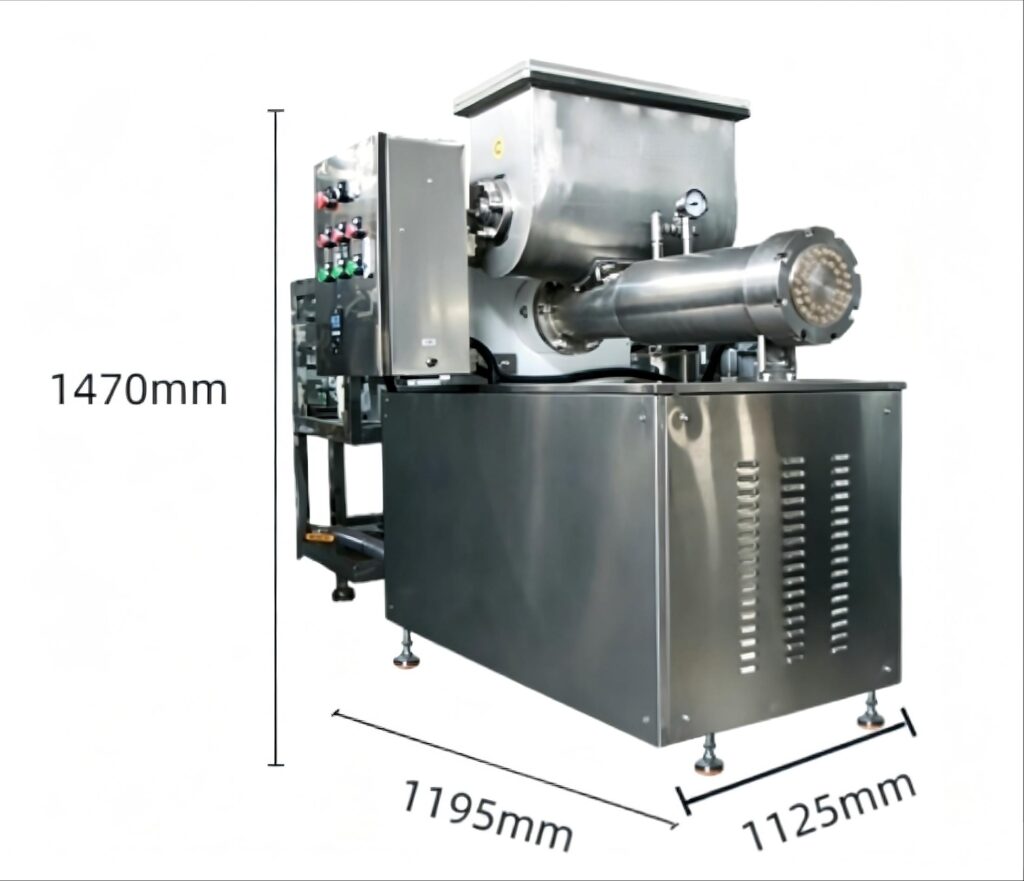
The process begins not with care, but with force. The raw material, durum wheat semolina, is mixed with water, but this is where the illusion of simplicity ends. In modern factories, this mixture is subjected to a process of “mechanical and thermal energy input” that is anything but gentle . The dough is not simply shaped; it is violently compacted and forced through extruders at massive pressures—often exceeding 4,500 pounds per square inch . This is not gentle kneading; it is an industrial assault designed to break down the protein structure to create a homogeneous, though structurally compromised, paste .
The critical moment, however, is the drying process. This is where the industry has abandoned nature for the sake of speed. For centuries, pasta was dried slowly, over 18 to 20 hours at low temperatures—a process that allowed the starch and proteins to bind gradually, preserving texture and nutritional integrity . This was “traditional.” Today, you are eating a product of the “High Temperature” revolution. In 1974, the industry introduced drying at 60-80°C, and by the late 1980s, they had escalated to “Ultra-High Temperature” (UHT) drying at 80-100°C .
This chemical heat shock reduces drying time from a full day to a mere six hours . It is a massive cost-saving measure, but the cost to quality is immense. At these high temperatures, the protein structure (the gluten network) begins to denature, leading to a loss of elasticity and a higher “cooking loss”—meaning your pasta turns your pot of water into a starchy, cloudy mess . You are paying for water that ends up down the drain.
Chemical “Enhancements”
To compensate for the damage inflicted by this high-speed, high-heat processing, the industry relies on chemical crutches. Instead of simply using high-quality semolina and water, manufacturers often add paste-modifying agents. According to patents for industrial macaroni, these include “edible sulfhydryl reducing substances” and “whey solids” . These chemicals are designed to reduce the energy needed to extrude the dough and to reduce the stickiness of the final product.
Furthermore, the industry has developed “instant” macaroni. To achieve this “instant” status, producers mix the wheat with substantial amounts of cheap potato or tapioca starch. The product is then coated with a surface-active agent (an emulsifier like glycerol fatty acid ester) to alter its cooking properties . It is no longer pure pasta; it is a processed food product engineered for convenience, often at the expense of texture and flavor.
The Control of the Environment
Finally, the drying process is a highly controlled manipulation of the environment. The intense heat not only cooks the pasta superficially but also risks creating a hard, brittle outer shell that cracks under stress. To prevent these “surface checks” (which would render the product unsellable), humidity and temperature are precisely tuned . The machine is not respecting the ingredient; it is wrestling it into submission, trying to force a rapid transformation that nature never intended.
In conclusion, the macaroni in your pantry is a testament to the industrial age. It is a product that has been stripped of its soul, processed under extreme conditions that degrade its natural proteins, and laced with chemical aids to ensure it survives the journey. It is not a food; it is an engineered consumable, a symbol of how modern manufacturing has sacrificed quality on the altar of efficiency.