
Starting a small-scale dog food processing factory can be a profitable and rewarding venture, especially with the growing global demand for high-quality pet nutrition. dog food making machine However, success requires careful planning, compliance with regulations, and a strong understanding of production, sourcing, and branding. This guide walks you through every essential step.
1. Conduct Market Research
Before investing, understand your target market:
- Identify customer segments (e.g., premium, organic, grain-free, budget)
- Analyze competitors’ products, pricing, and positioning
- Determine demand trends in your region or export markets
A niche focus—such as hypoallergenic or natural dog food—can help you stand out.
2. Develop a Business Plan
A solid business plan should include:
- Startup costs (equipment, rent, labor, licensing)
- Production capacity and scalability
- Marketing and sales strategy
- Financial projections and break-even analysis
This document is also essential if you seek investors or bank loans.
3. Choose the Right Location
Your factory location should:
- Comply with zoning and food safety regulations
- Have access to clean water, electricity, and transportation
- Be close to raw material suppliers to reduce costs
Ensure enough space for production, storage, and future expansion.
4. Understand Legal and Regulatory Requirements
Dog food production is strictly regulated. You must:
- Register your business with local authorities
- Obtain food production and safety licenses
- Follow labeling regulations (ingredients, nutritional info, expiry dates)
- Comply with hygiene and quality standards
Consult local regulatory bodies to ensure full compliance.
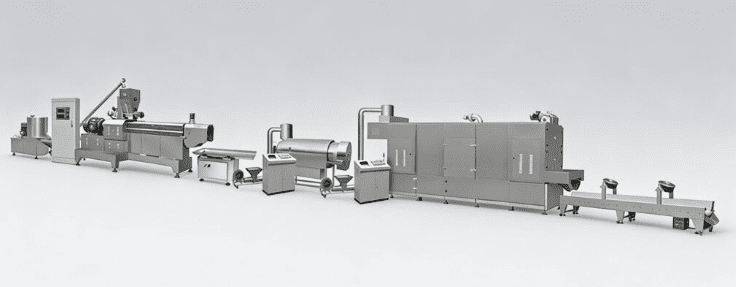
5. Design the Production Process
A basic dog food production line typically includes:
- Raw material receiving and inspection
- Grinding and mixing
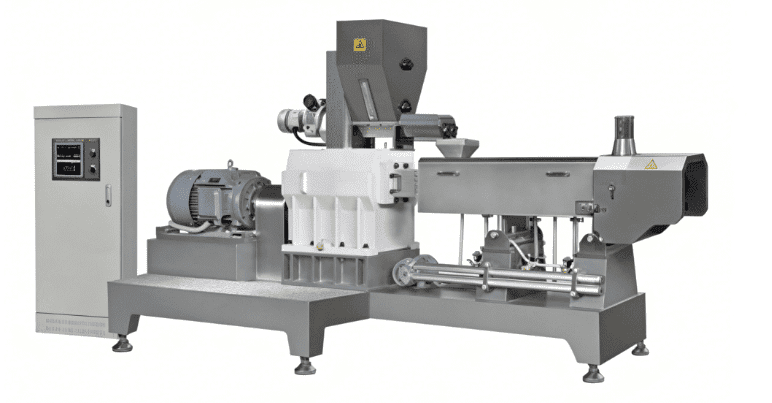
- Extrusion or cooking
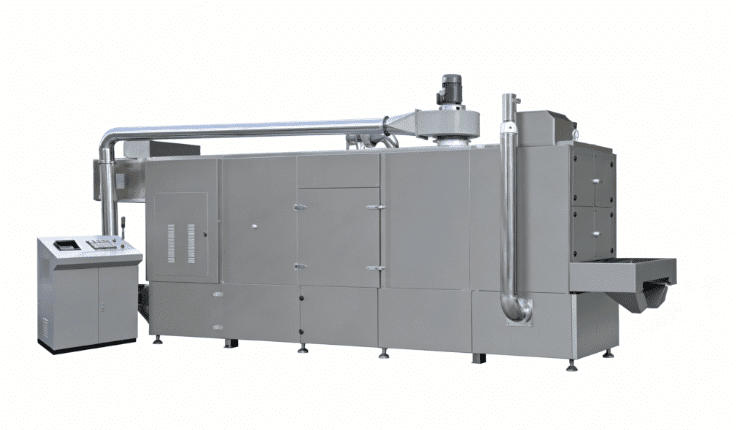
- Drying and cooling
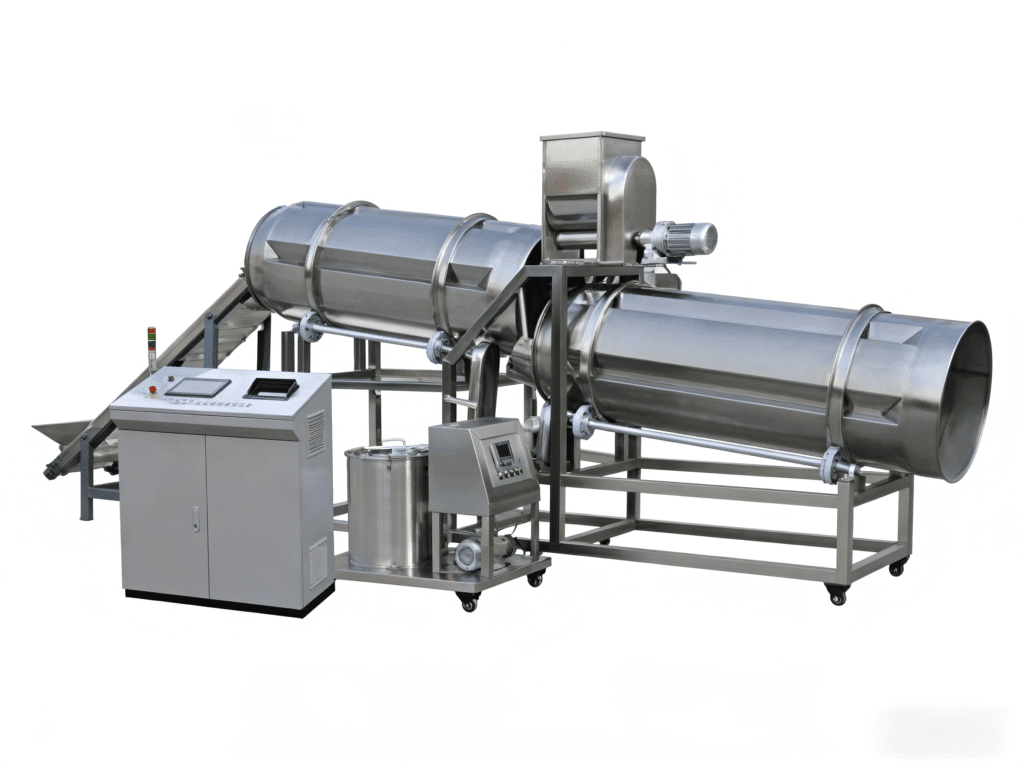
- Flavoring or coating
- Packaging
Design your workflow to minimize contamination and maximize efficiency.
6. Select Equipment
Key equipment may include:
- Grinder or pulverizer
- Misturador
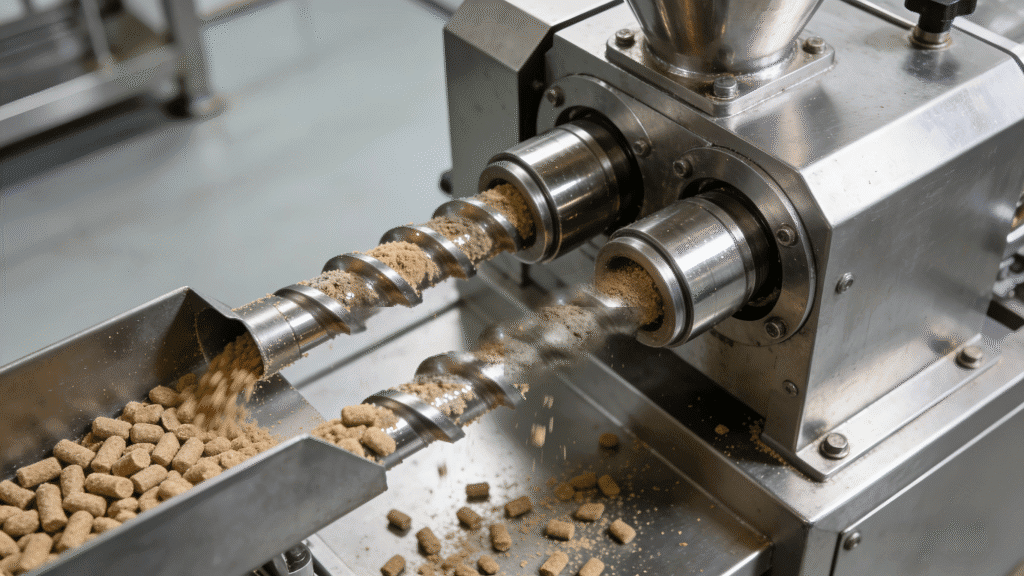
- Extruder (for kibble production)
- Dryer and cooler
- Packaging machine
Choose equipment based on your production scale and budget. dog food making machine Reliable suppliers and after-sales service are crucial.
7. Source High-Quality Ingredients
Your product quality depends heavily on ingredients:
- Protein sources (chicken, beef, fish)
- Carbohydrates (rice, corn, sweet potato)
- Vitamins and minerals
Work with certified suppliers and maintain strict quality control.
8. Implement Quality Control Systems
Food safety is critical:
- Establish standard operating procedures (SOPs)
- Use hazard analysis systems (like HACCP principles)
- Conduct regular testing for contaminants and nutrition levels
Consistency builds trust with customers.
9. Build a Brand and Packaging Strategy
Strong branding helps differentiate your product:
- Design attractive and informative packaging
- Highlight key selling points (natural, high-protein, etc.)
- Create a memorable brand name and logo
Consider eco-friendly packaging to appeal to modern consumers.
10. Develop Distribution Channels
You can sell your products through:
- Pet stores and veterinary clinics
- Online platforms and e-commerce
- Distributors and wholesalers
Start locally, then expand regionally or internationally.
11. Hire and Train Staff
You’ll need:
- Production workers
- Quality control personnel
- Sales and marketing staff
Training is essential to maintain safety standards and efficiency.
12. Plan for Growth
Once your factory is running:
- Monitor performance and customer feedback
- Expand product lines (e.g., treats, wet food)
- Invest in automation to increase efficiency
Continuous improvement ensures long-term success.
Conclusion
Building a small-scale dog food processing factory requires a combination of technical knowledge, regulatory compliance, and smart business strategy. dog food making machine By focusing on quality, safety, and market needs, you can establish a sustainable and profitable operation in the growing pet food industry.