
Macaroni, a staple of pantries and a cornerstone of comfort food, is far more than just a tube-shaped pasta. Its creation is a precise and fascinating industrial process that transforms simple durum wheat semolina into a shelf-stable, versatile food product. While the core principles have remained consistent for generations, modern technology has refined each step, allowing for unprecedented control, efficiency, and product innovation .
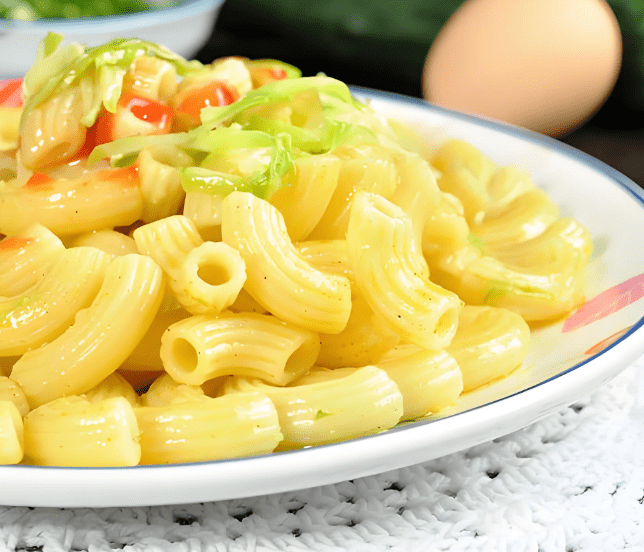
This article provides a detailed look at the complete journey of macaroni, from raw grain to the final packaged product, exploring both the traditional methods and the cutting-edge technology used in today’s pasta industry.
1. The Foundation: Raw Materials and Preparation
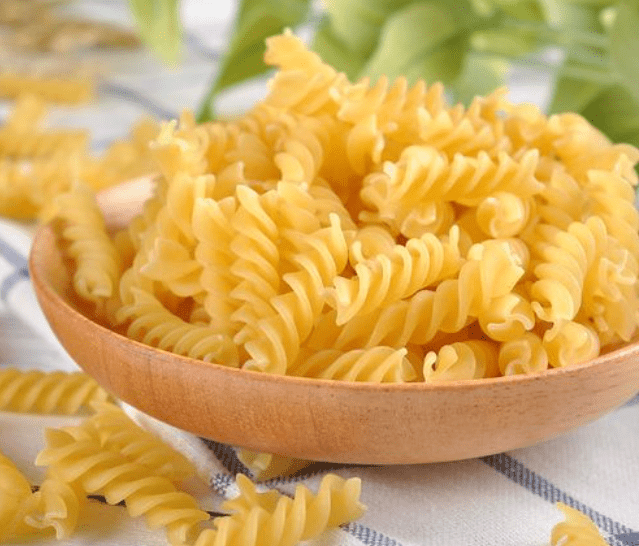
The quality of any macaroni begins with its primary ingredient: durum wheat semolina. Unlike common bread flour, durum wheat is hard and high in protein, which translates to a high quantity and quality of gluten . This gluten network is the very structure of the pasta, providing the strength needed to hold its shape during cooking and deliver the desired firm, “al dente” bite.
Before the semolina ever touches water, it must be prepared. The flour is carefully sieved to ensure a uniform, fine particle size, which is crucial for creating a smooth and consistent dough . In a modern facility, this step is fully automated, with rigorous quality control checks on the semolina’s moisture content, protein level, and color .
2. The Heart of the Process: Mixing and Extrusion
This stage is where the simple ingredients of semolina and water are transformed into a dough and then shaped into macaroni. The process can be broken down into three key sub-steps:
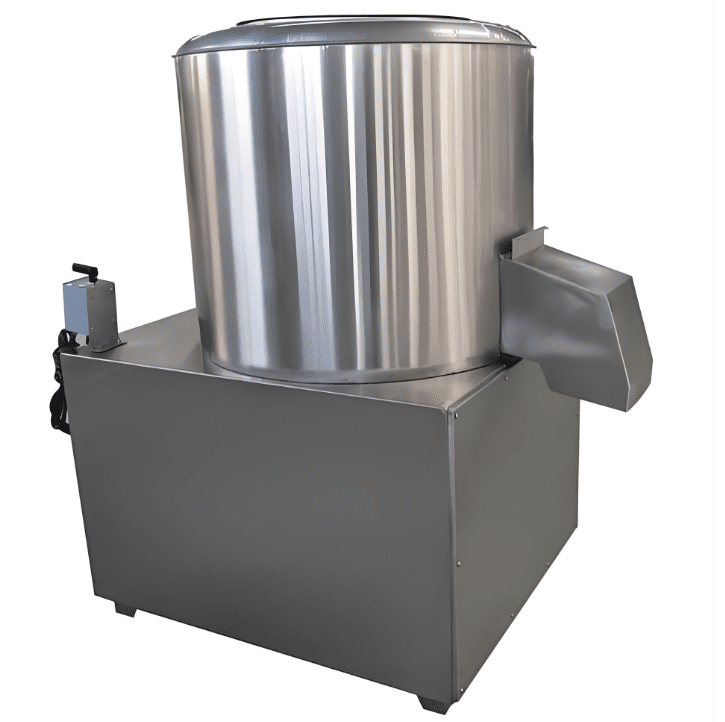
- Hydration and Mixing: The semolina is fed into a large mixer, often a high-precision premixer—a technology pioneered to dramatically improve dough quality . Here, it is combined with water (and sometimes salt or other functional ingredients) to form a stiff, uniform dough . The target moisture content, typically around 30-32%, is critical. Modern systems can control moisture with an accuracy of 1/10 of a percent, ensuring perfect consistency batch after batch . This phase is also where enzymes naturally present in the wheat begin to activate, playing a vital role in the pasta’s final texture, stickiness, and cooking stability .
- Kneading: After initial mixing, the dough moves to a kneading stage. In industrial presses, this often involves rotating shafts with specialized blades that further develop the gluten network, creating a smooth, elastic, and homogeneous dough mass. Some advanced systems allow for independent speed control of kneaders to fine-tune the dough’s development . A vacuum is often applied during this phase to remove any air bubbles, which would otherwise create unsightly white specks or weak points in the final macaroni .
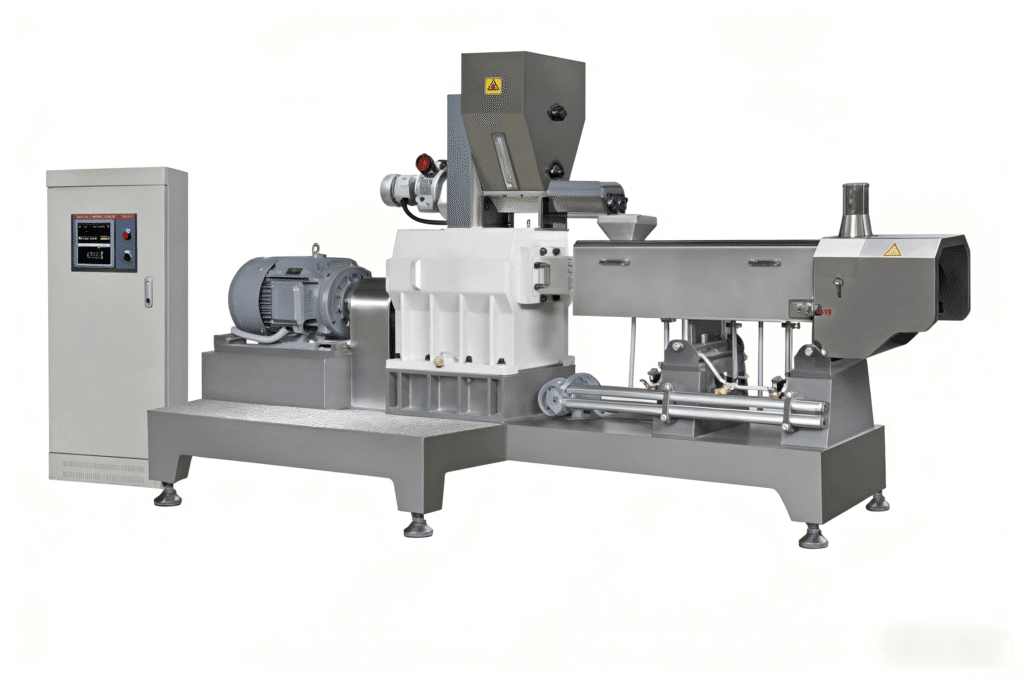
- Extrusion: This is the defining moment. The dough is fed into an extrusion chamber, where a powerful auger or screw pushes it under high pressure towards the die . For traditional macaroni, the die is a circular metal plate with numerous holes. At the center of each hole is a precisely positioned pin (often called a “rod” in older descriptions) that creates the signature hollow tube shape as the dough is forced around it and through the opening . Modern extrusion presses, like those from Demaco or Fava, are designed for “slow-cool” extrusion, minimizing heat and shear to protect the delicate gluten structure and deliver superior pasta quality .
As the macaroni emerges from the die in long, continuous strands, a rotating knife cuts it to the desired length—in the case of classic macaroni, short tubes of about 2 cm .
3. The Critical Step: Drying
The freshly extruded macaroni is soft, pliable, and has a high moisture content of around 30%. If packaged like this, it would quickly spoil. The purpose of drying is to reduce the moisture content to a safe level of about 12-12.5%, creating a shelf-stable product. This is the most delicate and technically challenging part of the process.
Drying must be carefully controlled. If it happens too quickly, the outside of the macaroni will dry and harden while the inside remains wet, leading to stress, cracking, and breakage . If it’s too slow, it’s inefficient and can allow microbial growth.
- Traditional Drying: Historically, macaroni was dried in the open air or in shaded rooms for up to ten days . This gentle process was effective but slow and weather-dependent.
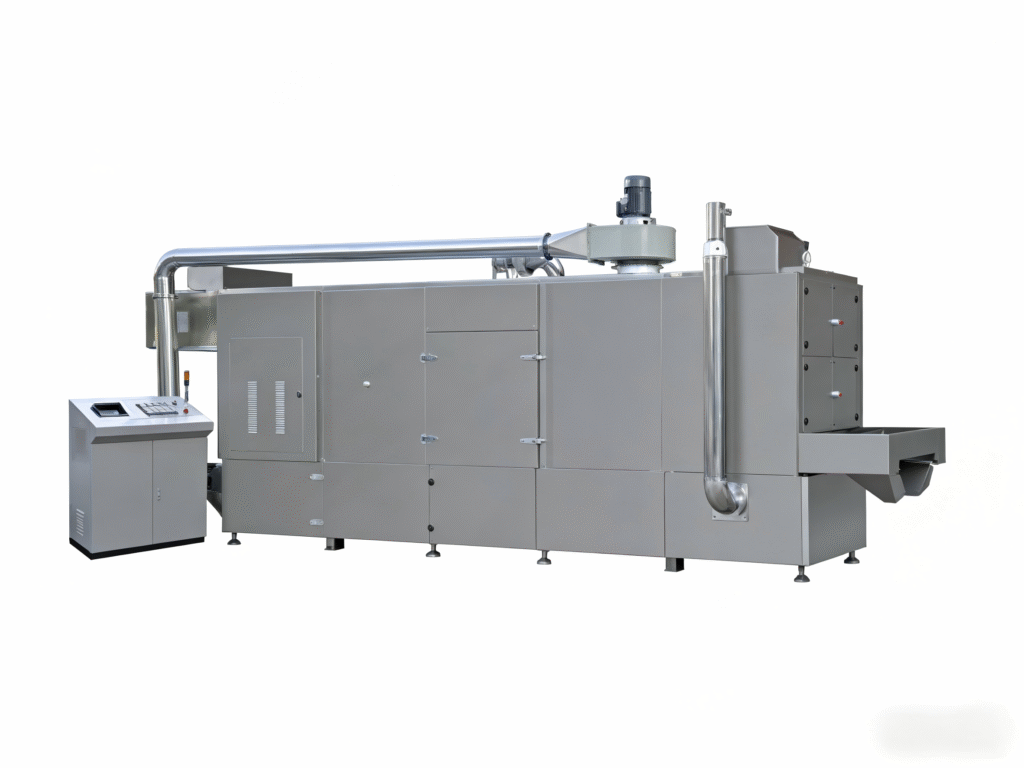
- Modern Controlled Drying: Today, macaroni is dried in sophisticated, microprocessor-controlled batch or continuous dryers . These machines use precisely controlled cycles of temperature, humidity, and air flow. Manufacturers can program both conventional e high-temperature (HT) drying profiles . High-temperature drying (above 70°C or 158°F) is widely used today as it not only speeds up the process but also sterilizes the pasta and improves its cooking quality, color, and firmness.
- Innovative Drying Methods: Research continues into even more efficient techniques. Studies have explored microwave-assisted drying, which can drastically reduce drying time (by up to 87% in some cases) by heating the water within the product directly . While promising, this method requires careful control to ensure uniform heating and avoid damaging the starch structure .
4. Finishing and Packaging
Once dried and cooled, the macaroni is stable and ready for its final steps.
- Quality Control: The dried macaroni is checked for mechanical strength (it should break cleanly, not just bend) and uniform color . Samples are often cooked to evaluate texture, cooking time, and the amount of solids lost in the water .
- Packaging: Because dried macaroni is hygroscopic, meaning it readily absorbs moisture from the air, packaging is critical for maintaining quality . It is packaged in moisture-proof materials like food-grade polypropylene or cellophane bags to protect it from humidity, physical damage, and pests . The packaging is then sealed and labeled for distribution.
Conclusion: A Tradition of Innovation
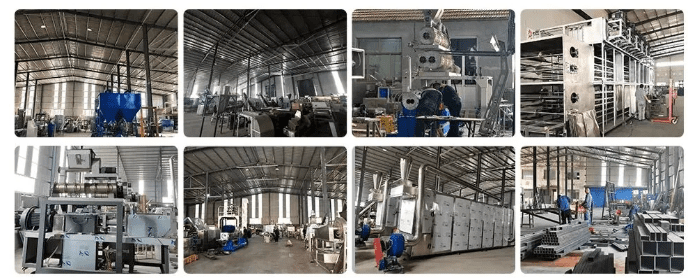
The journey of macaroni from a simple mixture of flour and water to a perfectly formed tube involves a complex interplay of material science, mechanical engineering, and precise process control. While the 19th-century method described a process taking days with granite rollers and patient air-drying , the 21st-century factory achieves the same result in hours, with digital precision and AI-assisted analysis . Yet, the fundamental goal remains the same: to create a nutritious, delicious, and durable food that has earned its place at tables around the world. If you are interested in the macaroni machine , you can contact me , i will give you good advice and solutions .
1.Will you help us with the installation ?
Yes , We will send engineers to install and debug the equipment, and assist in training your staff.
2.Are you a factory or trading company?
We are a factory.
3.What certificate do you have?
We have ISO and CE certificate.
4.How long is the warranty period?
All of our machines have one year warranty.
5.What’s the main market of your company?
Our customers all over the world.
6.How much production capacity of your company one year?
This depends on your needs.