
1. Introduction
Establishing a puffed snack food factory requires careful planning, sufficient investment, appropriate equipment, qualified personnel, and a clear understanding of the food industry. Before starting production, the investor must evaluate market demand, select suitable products, prepare a production facility, purchase machinery, establish a reliable supply chain, and comply with relevant food safety regulations. Proper preparation can reduce business risks, improve production efficiency, and create a solid foundation for long-term development.
2. Market Research and Product Planning
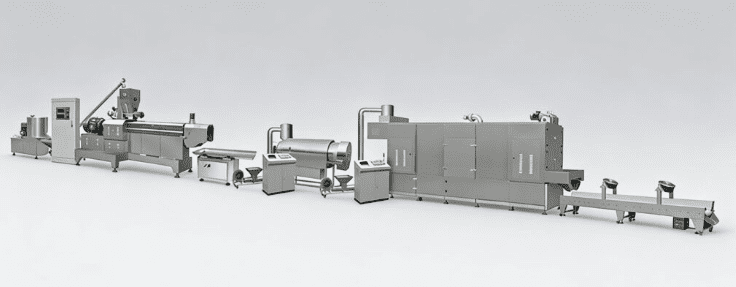
The first step is to conduct market research to understand consumer preferences, market trends, competitors, and potential sales channels. corn puffs extruder The factory owner should identify the target customers, such as children, young adults, families, supermarkets, wholesalers, and food distributors.
Based on the research, the company should determine which products to manufacture. Common puffed snack products include corn puffs, cheese-flavored snacks, rice crackers, extruded cereal snacks, and other flavored puffed foods.
During this stage, the business should also consider product shapes, flavors, package sizes, selling prices, and product positioning. Developing a clear product strategy helps the factory compete effectively and avoid unnecessary investment in products with limited market demand.
3. Investment Budget and Financial Planning
Sufficient capital is essential for establishing and operating a food factory. Before investing, the owner should prepare a detailed budget covering the following expenses:
- Factory construction, rental, and renovation
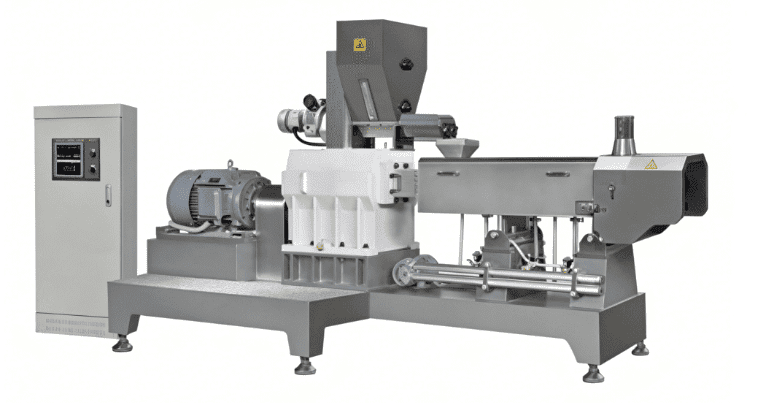
- Production machinery and auxiliary equipment
- Raw materials and packaging materials
- Utilities, including electricity, water, gas, and compressed air
- Licenses, registrations, inspections, and certifications
- Employee recruitment, training, and salaries
- Product research, testing, and development
- Transportation, marketing, and distribution
- Working capital for daily operations
In addition to the initial investment, the company should reserve sufficient funds to cover operating expenses during the early stages of production. corn puffs extruder A financial feasibility study should estimate production costs, expected sales revenue, profit margins, cash flow, and the break-even point.
4. Factory Location and Facility Design
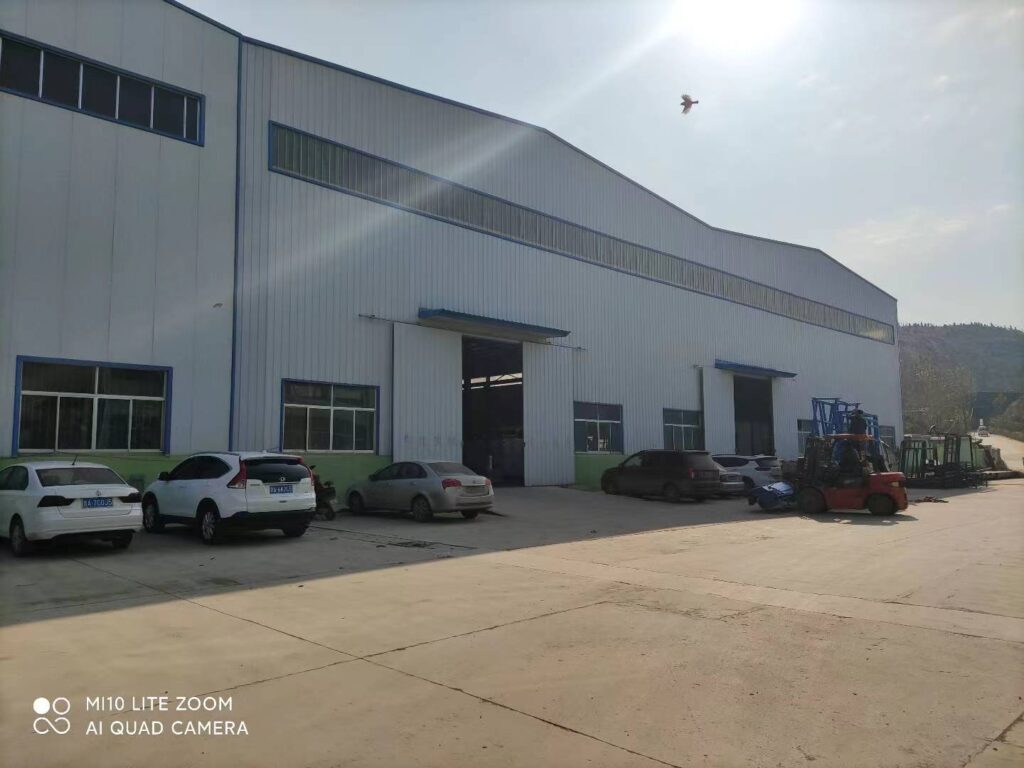
Choosing an appropriate factory location is another important preparation. The site should have convenient transportation, reliable utilities, sufficient space, and access to raw material suppliers and target markets.
Before signing a lease or purchasing land, the investor should verify that the site is legally permitted for food manufacturing and that the proposed production activities meet local zoning, environmental, fire safety, and building requirements.
The factory layout should be designed to support an efficient production process. Major areas may include:
- Raw material receiving and inspection
- Raw material and packaging storage
- Ingredient preparation and mixing
- Extrusion, puffing, and drying
- Flavoring and seasoning
- Cooling and packaging
- Finished product storage
- Quality control laboratory
- Staff facilities and administrative offices
The layout should separate raw materials from finished products and minimize cross-contamination. Appropriate ventilation, drainage, lighting, pest control, and sanitation facilities should also be included in the design.
5. Purchasing Production Equipment
The selection of machinery depends on the product range, production capacity, budget, and level of automation required.
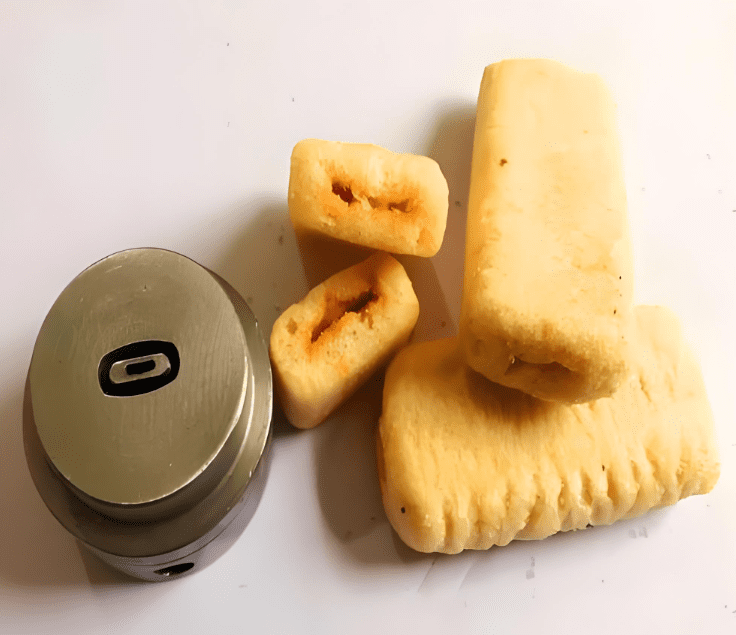
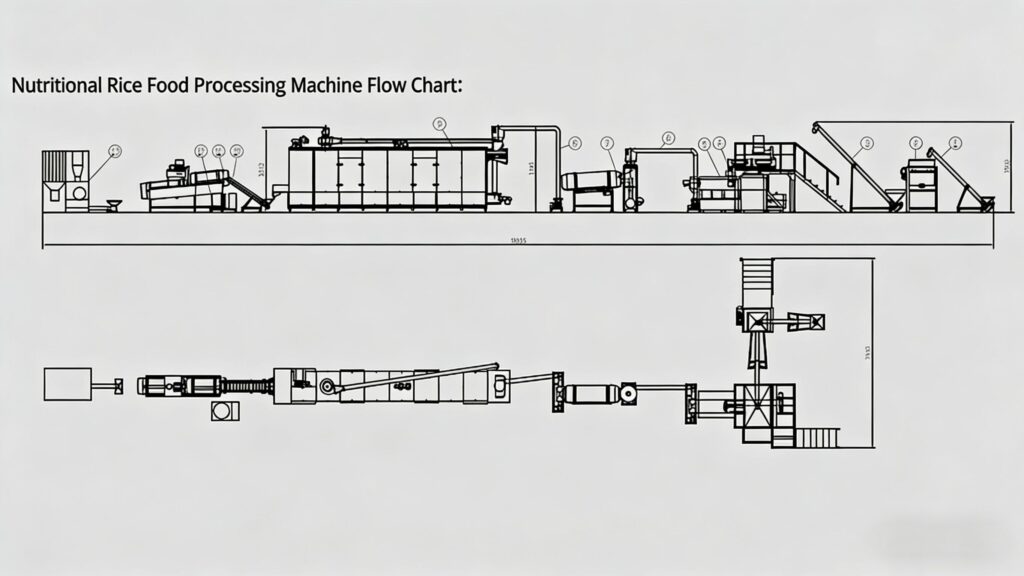
A typical puffed snack production line may include the following equipment:
- Raw material cleaning and screening equipment
- Mixing and blending machines
- Extruders or puffing machines
- Dryers or baking equipment
- Flavoring and seasoning machines
- Cooling conveyors
- Automatic weighing and packaging machines
- Metal detectors or other appropriate foreign-material detection equipment
- Conveyors and auxiliary equipment
When purchasing equipment, the company should compare suppliers based on machine quality, production capacity, energy consumption, maintenance requirements, spare parts availability, and after-sales service.
It is also important to confirm that the machinery is suitable for the intended recipes and raw materials. Before mass production begins, the factory should conduct equipment installation, commissioning, trial runs, and performance testing.
6. Raw Materials and Supply Chain Management
A stable supply of high-quality raw materials is essential for consistent product quality. corn puffs extruder Depending on the product formulation, the factory may need corn grits, rice flour, wheat flour, starch, vegetable oil, sugar, salt, seasoning powders, and food additives permitted for the intended products and market.
The company should identify qualified suppliers and establish clear purchasing specifications. Raw materials should be evaluated for quality, food safety, consistency, delivery reliability, and cost.
Packaging materials, including plastic film, laminated bags, cartons, and labels, must also be selected according to product protection requirements and applicable regulations.
To avoid production interruptions, the factory should establish inventory control procedures, appropriate storage conditions, supplier evaluation systems, and backup purchasing options.
7. Product Development and Quality Control
Before commercial production, the factory should develop standardized recipes and production procedures for each product.
Product development should focus on flavor, texture, appearance, expansion rate, moisture content, shelf life, and production stability. Trial production can help determine the appropriate processing temperature, moisture level, extrusion conditions, drying time, and seasoning ratio.
A quality management system should be established to monitor product quality throughout the manufacturing process. Important controls include:
- Incoming raw material inspection
- Process temperature and time monitoring
- Moisture content and product texture checks
- Packaging integrity and weight verification
- Foreign-material prevention and detection
- Microbiological and chemical testing where appropriate
- Shelf-life and storage-condition studies
- Finished product inspection and batch traceability
The company should also implement a food safety management system based on applicable requirements, such as Good Manufacturing Practices (GMP) and Hazard Analysis and Critical Control Points (HACCP), where required or appropriate.
8. Licenses, Regulations, and Food Safety Compliance
Before construction and production, the owner must identify all legal requirements applicable to the factory’s location and intended products.
Depending on the jurisdiction, these requirements may include business registration, food manufacturing permits or registrations, building and fire approvals, environmental permits, wastewater management, occupational safety compliance, and food labeling requirements.
The factory must ensure that its ingredients, additives, packaging materials, production processes, and finished products comply with applicable food safety standards.
Product labels may need to include the product name, ingredient list, allergen declarations, net weight, manufacturer information, production date or lot identification, expiration or best-before information, storage instructions, and nutrition information.
If the company plans to export products, it should also investigate the import requirements, labeling rules, and food safety regulations of each target market. All approvals should be confirmed with the relevant authorities before commercial operations begin.

9. Recruitment and Staff Training
A successful factory needs a team with appropriate technical and operational skills. Depending on the size of the business, key positions may include:
- Factory manager
- Production supervisor
- Food technologist or product development specialist
- Quality control and food safety personnel
- Machine operators and maintenance technicians
- Warehouse and purchasing staff
- Packaging workers
- Sales and marketing personnel
- Accounting and administrative staff
Employees should receive training in equipment operation, hygiene practices, food safety, allergen management, workplace safety, cleaning procedures, and emergency response.
Written standard operating procedures should be prepared to ensure that employees perform their duties consistently and safely.
10. Packaging, Branding, and Marketing
Packaging plays an important role in protecting product quality and attracting customers. corn puffs extruder The packaging material should provide suitable protection against moisture, oxygen, light, and physical damage, depending on the product’s characteristics.
The company should develop a brand name, logo, packaging design, and product identity that appeal to the target market. All packaging claims and label information must be accurate and comply with applicable regulations.
Before launching the factory, the company should identify potential customers and sales channels, such as supermarkets, convenience stores, wholesalers, distributors, online marketplaces, and food service businesses.
Promotional activities may include product sampling, distributor partnerships, trade exhibitions, online marketing, and introductory pricing. Building reliable customer relationships is essential for maintaining stable sales and expanding the business.
11. Production Testing and Factory Commissioning
After installation, the factory should conduct a complete commissioning process before beginning full-scale production.
This process includes checking machinery, electrical systems, water supply, ventilation, safety devices, and other utilities. Employees should test the entire production line to identify operational problems and improve coordination between machines.
Trial production should be used to verify product quality, production capacity, material consumption, energy consumption, packaging performance, and manufacturing costs.
The company should also validate cleaning and sanitation procedures, confirm food safety controls, establish batch records, and verify that finished products meet applicable requirements.
Commercial production should begin only after the facility, equipment, personnel, and food safety systems are ready and all required approvals have been obtained.
12. Environmental Protection and Waste Management
Food manufacturing may generate wastewater, dust, packaging waste, rejected products, and noise. The factory should prepare an environmental management plan that meets local requirements.
Appropriate dust collection systems, wastewater treatment arrangements, waste sorting procedures, and equipment maintenance programs can help reduce environmental impacts.
The company should also consider energy efficiency, water conservation, and the responsible disposal or recycling of waste materials. These measures can reduce operating costs and support sustainable development.
13. Risk Management and Long-Term Development
Before investing, the company should identify potential risks, including fluctuations in raw material prices, equipment breakdowns, inconsistent product quality, food safety incidents, changing regulations, and unstable customer demand.
Risk management measures may include maintaining emergency funds, qualifying alternative suppliers, scheduling preventive maintenance, purchasing suitable insurance, establishing product recall procedures, and diversifying sales channels.
As the business grows, the factory can consider introducing new flavors, developing healthier product options, improving automation, increasing production capacity, and expanding into regional or international markets.
Continuous improvement in product quality, production efficiency, customer service, and cost control will help the company maintain its competitiveness.
14. Conclusion
Establishing a puffed snack food factory involves much more than purchasing production machinery. It requires comprehensive preparation in market research, financial planning, factory design, equipment selection, raw material sourcing, product development, food safety, regulatory compliance, staffing, marketing, and risk management.
A practical approach is to begin with market research and a feasibility study, then develop the factory layout and production plan, obtain the necessary approvals, purchase and install equipment, establish quality control systems, and conduct trial production before commercial launch.
With careful planning, reliable suppliers, qualified employees, consistent product quality, and effective marketing, a puffed snack food factory can establish a strong foundation for sustainable and profitable growth.


