
Considerações fundamentais sobre a produção de migalhas de pão
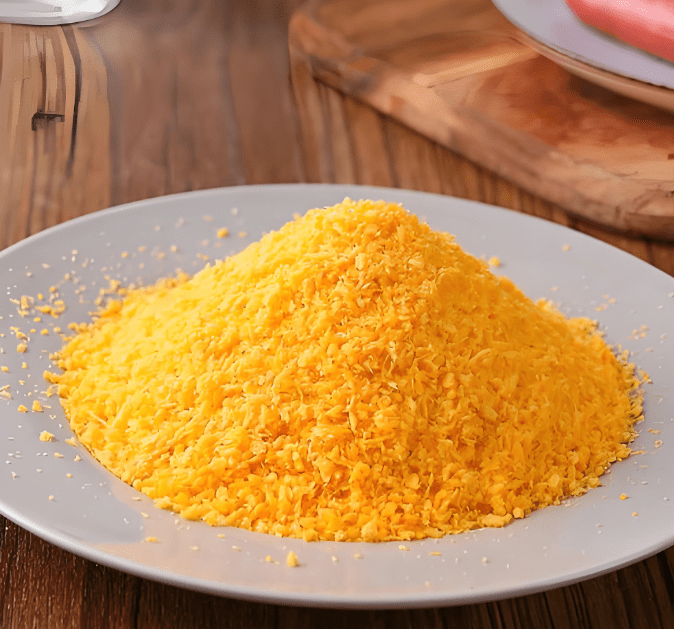
Breadcrumb production, while seemingly straightforward, bread crumb machine for sale requires careful attention to detail to ensure a consistent, safe, and high-quality product. Whether producing fresh, dried, or toasted varieties, manufacturers must control several critical factors.
1. Raw Material Selection: The Foundation
The quality of breadcrumbs is intrinsically linked to the quality of the bread used. Key considerations include:

- Bread Formulation: Use bread with a consistent recipe. bread crumb machine for sale Variations in sugar, fat, salt, or enrichment (eggs, milk) can affect browning, flavor, shelf life, and functional properties like absorption.
- Bread Age & Staling: Slightly stale bread (1-2 days old) with reduced moisture is ideal for drying and grinding, improving efficiency and yield. Fresh bread requires more energy to dry and can clog equipment.
- Contaminant Control: Incoming bread must be inspected for foreign materials and stored in a pest-free environment.
2. The Drying Process: Moisture is Key
Controlling moisture content is paramount for shelf stability and texture.
- Uniform Drying: Inconsistent drying leads to pockets of residual moisture, promoting microbial growth (mold, bacteria). Ovens or dryers must have even air flow and temperature distribution.
- Temperature & Time: Excessive heat can scorch the bread, creating dark specks, bitter flavors, and reducing the binding capacity of the crumbs. Too low a temperature may not achieve the target moisture level (typically below 10% for dried varieties).
- Cooling: Proper cooling after drying is essential before grinding or packaging to prevent condensation, which can lead to caking and spoilage.
3. Grinding & Sizing: Achieving the Perfect Texture
The grinding process defines the crumb’s functional use.

- Particle Size Consistency: Use sieves or screens to separate crumbs into standardized sizes (fine, medium, coarse). Inconsistent sizing affects appearance, coating adhesion, and end-use performance.
- Equipment Maintenance: Keep grinders and sieves meticulously clean and well-maintained. Worn blades or screens produce irregular particles and can introduce metal contamination.
- Dust Control: Grinding generates fine dust. Effective dust collection systems are necessary for worker safety (preventing inhalation hazards), preventing cross-contamination, and reducing explosion risks in enclosed areas.
4. Toasting & Flavoring (For Variants)
For toasted or flavored breadcrumbs, additional controls are needed:
- Even Toasting: Similar to drying, uniform color and flavor development require precise control. Continuous monitoring prevents burning.
- Flavoring Uniformity: When adding spices, herbs, or seasonings, bread crumb machine for sale thorough mixing is critical to ensure even distribution. Liquid seasonings require careful application to avoid clumping.
- Allergen Management: Flavored products introduce major allergens (e.g., dairy, soy, gluten, celery). Strict procedures for scheduling, line cleaning, and labeling are mandatory to prevent cross-contact.
5. Food Safety & Hygiene: Non-Negotiables
This is the most critical area, encompassing:
- HACCP Plan: Implement a Hazard Analysis Critical Control Point plan. Likely CCPs include the drying step (pathogen control) and metal detection.
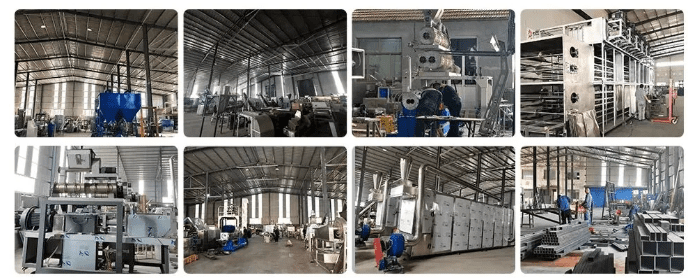
- Sanitary Design: Use equipment designed for easy cleaning, with minimal ledges or dead spots where old product can accumulate.
- Routine Cleaning & Sanitation: Establish and rigorously follow cleaning protocols. Dry production areas require specialized methods for removing flour and bread dust.
- Controlo de pragas: A robust, preventive pest management program is essential in any facility handling dry ingredients.
- Foreign Material Detection: Install and routinely test metal detectors or x-ray systems at the end of the line. Establish clear procedures for handling rejects.
6. Packaging & Storage
- Moisture Barrier: Packaging must provide an excellent barrier against moisture and oxygen to prevent the crumbs from becoming soft or rancid.
- Integrity Checks: Ensure packaging seals are secure to maintain product safety and extend shelf life.
- Storage Conditions: Store finished goods in a cool, dry warehouse. Avoid storing near strong odors or in direct sunlight.
Conclusion
Successful breadcrumb production relies on a holistic approach that prioritizes food safety,bread crumb machine for sale consistent process control, and attention to the functional properties of the final product. By meticulously managing the raw materials, the drying and grinding stages, and the packaging environment, manufacturers can ensure their breadcrumbs meet quality standards and satisfy diverse customer needs, from commercial food service to retail consumers.