
1. Introduction
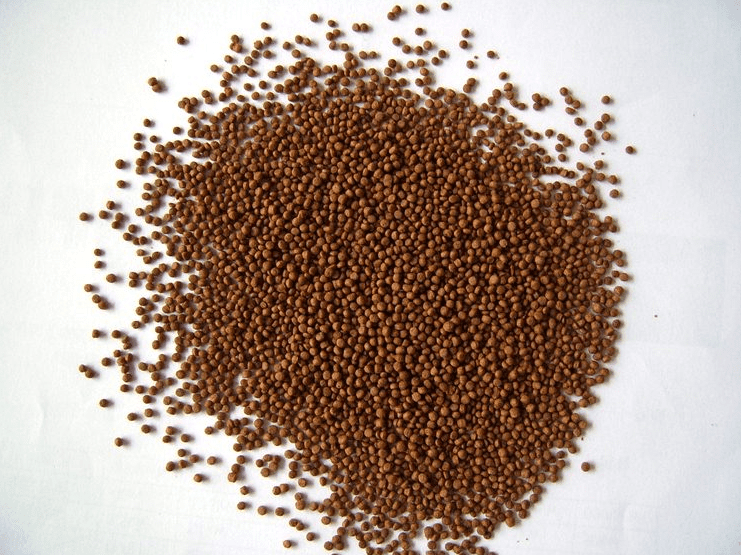
Floating fish feed is one of the most widely used types of aquaculture feed. It is designed to remain on the water’s surface for a certain period, allowing farmers to observe feeding behavior, control feed consumption, and reduce unnecessary feed waste.
With the continuous development of aquaculture, the demand for high-quality floating fish feed is increasing worldwide. fish feed extruder machine For feed manufacturers and investors, establishing a floating fish feed production line can be a promising business opportunity.
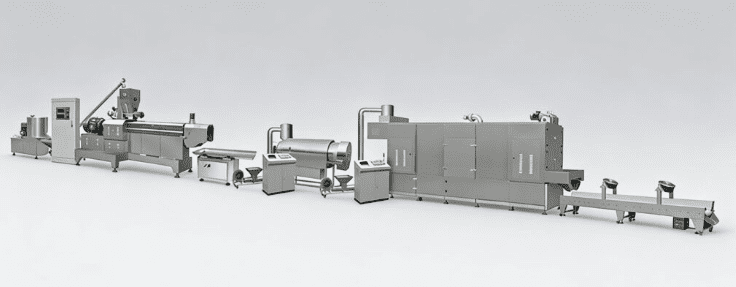
However, producing high-quality floating fish feed requires more than simply mixing raw materials and forming pellets. Manufacturers must carefully control raw material quality, formulation, grinding, mixing, extrusion, drying, coating, cooling, and packaging.
This guide explains the complete floating fish feed manufacturing process, the equipment required, quality control methods, and the key considerations for establishing a successful production facility.
2. What Is Floating Fish Feed?
Floating fish feed is a type of extruded aquaculture feed that can remain on the water surface for a specified period before gradually absorbing water and sinking.
It is commonly used for fish species such as tilapia, carp, catfish, and various other freshwater fish, depending on their feeding habits and nutritional requirements.
Compared with conventional sinking feed, floating fish feed offers several advantages:
- Easy feeding observation: Farmers can monitor how actively fish consume the feed.
- Improved feeding management: Feed quantities can be adjusted according to fish appetite and growth stage.
- Reduced feed waste: Properly formulated and processed pellets can reduce uneaten feed.
- Consistent pellet quality: Extrusion technology allows manufacturers to control pellet size, density, texture, and water stability.
- Flexible formulations: Different nutritional formulas can be developed for different fish species and growth stages.
The floating performance of fish feed depends primarily on its internal porous structure, bulk density, moisture content, starch gelatinization, and processing conditions.
3. Raw Materials for Floating Fish Feed Production
Selecting suitable raw materials is the first step toward producing nutritious and commercially competitive fish feed.
The formulation must provide sufficient protein, energy, essential amino acids, fatty acids, vitamins, and minerals.
3.1 Protein Sources
Protein is essential for fish growth, tissue development, and metabolic functions.
Common protein ingredients include:
- Fish meal
- Soybean meal
- Soy protein concentrate
- Corn gluten meal
- Poultry by-product meal, where permitted
- Other approved animal or plant protein ingredients
Fish meal is a valuable source of highly digestible protein and essential amino acids. However, its price can fluctuate significantly. fish feed extruder machine Many manufacturers therefore combine fish meal with suitable plant-based and alternative protein sources.
Ingredient selection should consider digestibility, amino acid balance, antinutritional factors, availability, cost, and local feed regulations.
3.2 Energy Sources
Energy ingredients supply the energy needed for fish activity, growth, and metabolism.
Common options include:
- Corn
- Wheat
- Broken rice
- Wheat flour
- Other suitable cereal ingredients
Starch-rich ingredients are particularly important in floating fish feed because starch gelatinization helps create the expanded structure responsible for buoyancy during extrusion.
3.3 Oils and Fats
Fish oil, soybean oil, and other approved feed oils can provide concentrated energy and essential fatty acids.
Oil may be added during formulation or applied after extrusion through a coating system.
Excessive oil in the pre-extrusion mixture can interfere with expansion and pellet structure. Therefore, the amount and location of oil addition must be optimized according to the formula and extruder design.
3.4 Vitamins, Minerals, and Functional Additives
Depending on the target fish species and production objectives, the formula may include:
- Vitamin premixes
- Mineral premixes
- Amino acids
- Phosphorus sources
- Approved antioxidants
- Binders or functional additives
- Other species-specific nutritional supplements
All additives should be suitable for the intended aquatic species and used according to applicable regulations and supplier recommendations.
3.5 Example of a Preliminary Feed Formula
The following table illustrates a hypothetical starting formula for development trials. It is not a universal commercial formulation.
| Ingredient | Inclusion rate |
|---|---|
| Fish meal | 15% |
| Soybean meal | 25% |
| Corn gluten meal | 8% |
| Wheat flour | 20% |
| Corn | 12% |
| Rice bran | 8% |
| Feed oil | 4% |
| Vitamin and mineral premixes, amino acids, and other approved ingredients | 8% |
| Total | 100% |
This example demonstrates ingredient allocation only. It does not establish a nutritionally complete diet for every fish species.
Before commercial production, a qualified aquaculture nutritionist should adjust the formula based on ingredient analysis, digestible protein and energy, essential amino acid requirements, fatty acid requirements, mineral availability, pellet stability, and production costs.
4. The Complete Floating Fish Feed Manufacturing Process
A typical floating fish feed production line follows this sequence:
Raw material receiving → Cleaning → Grinding → Batching and mixing → Conditioning → Extrusion → Drying → Oil coating → Cooling → Screening → Packaging
The exact arrangement depends on the production capacity, raw material characteristics, feed formula, and level of automation.
Step 1: Raw Material Receiving and Inspection
The production process begins with the receiving and inspection of all raw materials.
Manufacturers should check:
- Ingredient identity and specifications
- Moisture content
- Protein and fat content, where relevant
- Odor, color, and visible contamination
- Mold and mycotoxin risks
- Microbiological quality where required
- Supplier documentation and traceability
Raw materials should be stored in dry, clean, ventilated areas. Materials susceptible to oxidation or spoilage require appropriate storage conditions.
Good receiving practices help prevent contaminated or inconsistent ingredients from affecting the entire production batch.
Step 2: Raw Material Cleaning
Cleaning equipment removes foreign materials such as stones, metal fragments, string, and other impurities.
Common equipment includes vibrating screens, magnetic separators, and other suitable cleaning devices.
This step protects downstream machinery from damage and improves product safety.
Magnets and screens should be inspected and maintained regularly. Where necessary, dust collection systems should be installed to control airborne particles.

Step 3: Raw Material Grinding
Grinding reduces particle size and creates a more uniform mixture.
A hammer mill is commonly used to grind corn, soybean meal, and other dry ingredients. Other milling systems may be selected according to ingredient characteristics and required particle size.
Fine and consistent grinding improves mixing uniformity, starch processing, and pellet quality.
However, the ideal particle size depends on the fish feed size, fish species, extruder configuration, and raw material composition. Excessively fine grinding may increase energy consumption and dust generation without delivering sufficient additional benefits.
Manufacturers should select the screen size and grinding parameters based on actual production trials.
Step 4: Batching and Mixing
After grinding, the ingredients are weighed according to the approved formulation.
A batching system may use manual weighing, semi-automatic weighing, or a fully automated weighing system.
The ingredients are then transferred into a feed mixer, where they are blended until the mixture reaches the required uniformity.
A suitable mixer helps distribute protein ingredients, starch sources, minerals, vitamins, and other additives evenly throughout the batch.
Important operating considerations include:
- Accurate ingredient weighing
- Appropriate mixing time
- Correct loading sequence
- Prevention of cross-contamination
- Verification of mixing uniformity
Liquid ingredients may be added during mixing if the equipment is designed for liquid addition. However, excessive liquid or oil can affect subsequent extrusion performance.
Step 5: Conditioning and Moisture Adjustment
Conditioning prepares the feed mixture for extrusion by adding water and, where appropriate, steam.
The mixture is heated and hydrated to improve starch gelatinization and prepare the ingredients for cooking and expansion.
Conditioning parameters depend on the formulation, feed type, extruder design, and desired pellet properties.
Important factors include:
- Feed moisture
- Steam quality
- Temperature
- Residence time
- Uniformity of moisture distribution
Proper conditioning can improve extrusion stability, reduce processing variability, and support better pellet structure.
If conditioning is inadequate, the pellets may have poor expansion, inconsistent texture, or insufficient durability. Excessive moisture or unsuitable thermal conditions may also cause processing difficulties.
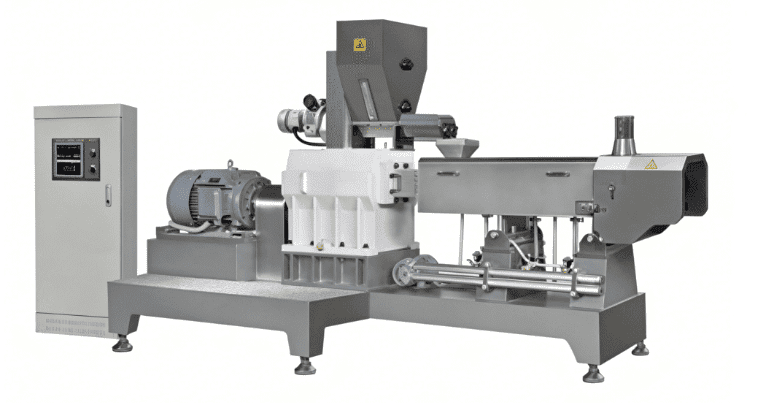
Step 6: Extrusion and Pellet Formation
Extrusion is the central stage in floating fish feed production.
An extruder uses mechanical energy, heat, pressure, and moisture to cook and transform the feed mixture into a continuous material. The material then passes through a die and is cut into pellets.
Single-screw and twin-screw extruders are both used in feed manufacturing. The appropriate model depends on production capacity, formula complexity, product specifications, and the desired level of process control.
During extrusion, starch gelatinization and the formation of a porous internal structure are especially important for floating performance.
When the hot material exits the die, the pressure drops rapidly. Some of the water flashes into steam, causing the material to expand. As the pellets cool and dry, the resulting structure can provide sufficient buoyancy for the feed to float.
Key extrusion parameters include:
- Feed moisture
- Barrel temperature profile
- Screw speed
- Feed rate
- Screw configuration
- Die-hole diameter
- Cutting speed
- Formulation and starch content
These variables interact with one another. Therefore, manufacturers should establish operating conditions through controlled trials rather than relying on a single universal temperature or screw-speed setting.
Selecting the Right Pellet Size
Floating fish feed is commonly manufactured in different diameters to suit the mouth size and feeding behavior of the target fish.
Smaller pellets are generally suitable for younger fish, while larger pellets may be used for grow-out and adult fish.
The exact size range should be determined by fish species, life stage, feeding recommendations, and customer requirements.
A properly configured cutter and die system helps maintain consistent pellet dimensions.
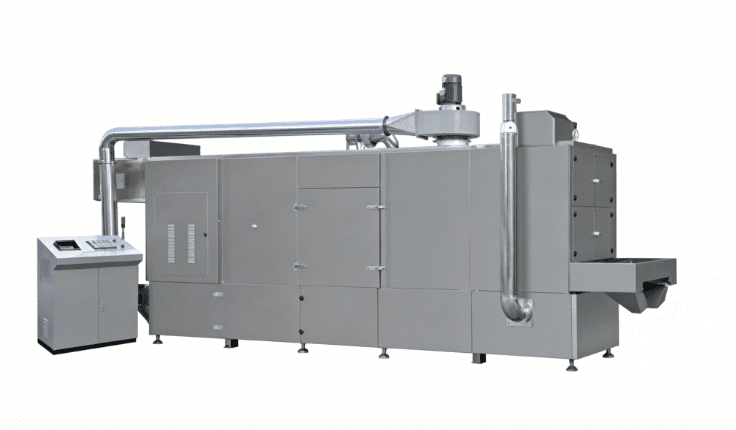
Step 7: Drying
Freshly extruded floating fish feed usually contains too much moisture for safe long-term storage.
A dryer reduces moisture to the target level while preserving the pellet structure.
Common options include multi-layer belt dryers and other industrial feed drying systems.
Hot air passes through the pellets, removing excess moisture. Drying temperature, airflow, residence time, and bed depth must be controlled carefully.
The objectives are to:
- Achieve safe storage moisture
- Reduce the risk of mold growth
- Improve product stability
- Maintain pellet integrity
- Avoid excessive thermal damage
The correct drying conditions depend on pellet diameter, initial moisture, dryer design, and formula composition.
Manufacturers should measure final moisture and verify water activity where appropriate rather than relying only on dryer temperature or drying time.
Overdrying can waste energy and may increase pellet brittleness. Insufficient drying can shorten shelf life and increase spoilage risks.
Step 8: Oil Coating
After drying, the pellets may pass through an oil coating machine.
The coating system applies a controlled amount of oil to improve energy density, provide essential fatty acids, and support the nutritional specifications of the finished feed.
Depending on the product, oil may be sprayed onto the pellets in a drum coater, vacuum coater, or another suitable coating system.
A vacuum coating system can help introduce liquid ingredients into the pellet structure and may be beneficial for certain high-energy feed formulations.
Coating performance depends on pellet temperature, surface condition, oil viscosity, application rate, and equipment design.
The oil addition rate should be established through nutritional calculations and production trials. Excessive surface oil may cause handling problems, uneven distribution, or undesirable feed characteristics.
Step 9: Cooling
After drying and coating, the pellets may still be warm.
A cooling machine reduces pellet temperature before screening and packaging.
Cooling helps minimize condensation inside packages, improves handling, and supports product stability during storage.
The cooling process should bring the pellets close to the surrounding packaging-area temperature without introducing excessive moisture from the environment.
Airflow and residence time should be sufficient to cool the product uniformly.

Step 10: Screening and Pellet Classification
A vibrating screen removes fines and separates pellets according to size.
Oversized or undersized particles may be handled according to the plant’s approved rework procedures.
Screening improves finished-product consistency and helps ensure that each package meets the required pellet-size specification.
Manufacturers should also monitor the proportion of broken pellets and fines because excessive fines may indicate problems with extrusion, drying, cooling, or conveying.
Step 11: Weighing and Packaging
The final stage is weighing and packaging.
Automatic weighing and packing machines can fill bags according to the required net weight. Packaging formats may include small retail bags, medium-sized feed bags, and large commercial sacks.
Suitable packaging should protect the feed from moisture, oxygen, contamination, and physical damage during transportation and storage.
Packaging labels should include the legally required information, such as:
- Product name and intended species
- Guaranteed nutritional analysis
- Net weight
- Batch or lot number
- Manufacturing date
- Expiration or best-before information, where applicable
- Storage instructions
- Manufacturer information
- Required regulatory statements
After packaging, finished products should be stored in a dry, clean, well-ventilated warehouse away from pests, direct sunlight, excessive heat, and moisture.

5. Main Equipment Required for a Floating Fish Feed Production Line
A complete production line typically contains the following equipment.
| Equipment | Main function |
|---|---|
| Raw material cleaning system | Removes impurities |
| Hammer mill or pulverizer | Reduces ingredient particle size |
| Batching system | Measures ingredients accurately |
| Feed mixer | Produces a uniform mixture |
| Conditioner | Adds heat, steam, and moisture |
| Floating fish feed extruder | Cooks, expands, and forms pellets |
| Pellet cutter | Controls pellet length |
| Dryer | Reduces pellet moisture |
| Oil coating machine | Applies oil and selected liquid ingredients |
| Cooler | Reduces pellet temperature |
| Vibrating screen | Removes fines and classifies pellets |
| Automatic packing machine | Weighs and packages finished feed |
| Dust collection system | Controls airborne particles |
| Conveyors and elevators | Transport materials between stages |
| Electrical control system | Coordinates equipment operation |
Some facilities also require silos, liquid storage tanks, boilers or steam generators, compressed-air systems, laboratory equipment, and automated ingredient handling systems.
The complete configuration should be determined by the target output, operating schedule, ingredient characteristics, local utilities, and factory layout.
6. How to Choose the Right Floating Fish Feed Extruder
Choosing the correct extruder is one of the most important investment decisions for a floating fish feed factory.
6.1 Production Capacity
Manufacturers should first estimate daily and annual feed demand.
A small feed mill serving local farms may require a relatively modest production line, while a commercial supplier serving multiple regions may need a higher-capacity system.
Rated capacity should be checked against the actual feed formula and required pellet specifications. Nameplate capacity alone does not guarantee the same output for every formulation.
6.2 Single-Screw or Twin-Screw Extruder
Single-screw extruders are often attractive because of their relatively straightforward structure and operating system. They may be suitable for standardized formulations and moderate production requirements.
Twin-screw extruders offer greater flexibility for certain challenging formulations and can provide additional control over mixing and processing. However, they generally involve higher equipment costs and potentially greater maintenance complexity.
The final choice should consider feed formulation, production stability, operator experience, maintenance support, and total operating cost.
6.3 Pellet Diameter and Product Range
If a manufacturer intends to supply feed for multiple fish species and growth stages, the extruder should support the required pellet diameters.
The die system, cutter, screw configuration, and downstream dryer must all be suitable for the planned product range.
6.4 Energy Consumption and Maintenance
A complete cost evaluation should include electricity, steam or heating requirements, labor, spare parts, cleaning, and routine maintenance.
Potential suppliers should provide technical information about power consumption, actual throughput, required utilities, wear parts, and recommended maintenance intervals.
6.5 Technical Support
Reliable technical support is important, particularly for manufacturers entering the aquafeed industry for the first time.
Before purchasing, request information about installation, commissioning, operator training, spare parts, warranty conditions, and formulation trials.
A practical acceptance test using the intended formulation is often more informative than relying solely on a general equipment brochure.
7. Key Factors Affecting Floating Performance
Not every extruded pellet will float successfully. Floating behavior must be developed and verified through appropriate formulation and process control.
Starch Content and Gelatinization
Starch helps form the structure needed for expansion. Insufficient gelatinization may lead to weak expansion and inconsistent pellets.
However, starch requirements vary by species and formulation, so buoyancy should not be achieved at the expense of nutritional suitability.
Feed Moisture
Moisture influences material flow, cooking, expansion, and pellet structure. Both insufficient and excessive moisture can reduce product quality.
Extrusion Conditions
Temperature, pressure, screw configuration, residence time, and mechanical energy affect cooking and expansion.
These parameters must be optimized together rather than adjusted independently without considering the overall process.
Die and Cutter Configuration
Die-hole geometry and cutting conditions affect pellet dimensions and consistency. Uneven cutting or unsuitable die configurations can increase fines and produce irregular pellets.
Drying and Cooling
Excessive drying may make pellets brittle, while insufficient drying may result in poor storage stability.
Proper cooling and moisture control help preserve the structure formed during extrusion.
Oil Addition
Excessive oil before extrusion can reduce friction and alter expansion. Moving part of the oil addition to a post-extrusion coating stage may improve processing for certain formulas.
8. Quality Control for Floating Fish Feed
Quality control should cover raw materials, intermediate products, and finished feed.
The following tests are particularly useful.
| Quality indicator | Purpose |
|---|---|
| Moisture content | Assesses drying and storage stability |
| Crude protein | Verifies nutritional specifications |
| Crude fat | Monitors energy and oil content |
| Crude fiber and ash | Supports nutritional quality assessment |
| Pellet diameter and length | Checks product uniformity |
| Bulk density | Helps characterize pellet structure |
| Floating rate | Measures the proportion that floats under defined conditions |
| Floating duration | Evaluates buoyancy over a specified period |
| Water stability | Measures pellet integrity in water |
| Pellet durability | Evaluates resistance to handling damage |
| Fines percentage | Monitors breakage and process consistency |
| Microbiological and contaminant tests | Support feed safety requirements |
Floating rate and duration should be evaluated using a standardized test with defined water temperature, water depth, sample quantity, and observation period.
For example, a manufacturer may establish an internal specification for the percentage of pellets remaining afloat after a chosen interval. The appropriate threshold should be determined by the intended product and customer requirements rather than treated as universal.
Nutritional testing should use validated laboratory methods. Testing for mycotoxins, pathogens, heavy metals, or other contaminants should follow the risk profile and regulatory requirements of the intended market.
9. Common Production Problems and Their Solutions
Problem 1: Floating Fish Feed Sinks Too Quickly
Possible causes include inadequate expansion, insufficient starch gelatinization, unsuitable moisture conditions, or excessive pellet density.
Potential corrective actions:
- Review starch sources and formulation balance.
- Optimize conditioning and extrusion parameters.
- Check moisture distribution before extrusion.
- Review die and screw configurations.
- Measure pellet density and conduct controlled floating tests.
Problem 2: Pellets Break Easily
Possible causes include poor bonding, uneven drying, unsuitable pellet structure, or excessive mechanical damage.
Potential corrective actions:
- Improve ingredient grinding and mixing uniformity.
- Review conditioning and cooking conditions.
- Optimize drying and cooling.
- Inspect conveying equipment and handling points.
- Evaluate pellet durability before changing the formula.
Problem 3: Pellet Size Is Inconsistent
Possible causes include unstable feeding, uneven cutting, worn die components, or fluctuating extrusion conditions.
Potential corrective actions:
- Check the feeder and cutter.
- Inspect die holes and cutting blades.
- Stabilize material flow.
- Verify that the operating parameters remain consistent.
Problem 4: Finished Feed Becomes Moldy During Storage
Possible causes include excessive moisture, moisture ingress, contaminated raw materials, or unsuitable warehouse conditions.
Potential corrective actions:
- Verify moisture and water activity as appropriate.
- Check dryer performance.
- Improve packaging integrity.
- Inspect warehouse humidity and ventilation.
- Strengthen raw material inspection and stock rotation.
Feed that shows mold or suspected contamination should be isolated and assessed under the plant’s feed safety procedures. Simply drying contaminated feed again does not reliably remove mycotoxins or make unsafe feed suitable for use.
Problem 5: Production Capacity Is Lower Than Expected
Possible causes include unsuitable formulation properties, poor grinding performance, inadequate conditioning, extruder limitations, or downstream bottlenecks.
Potential corrective actions:
- Compare actual throughput with the supplier’s stated operating conditions.
- Inspect the grinding and feeding systems.
- Review the extrusion process.
- Check whether the dryer or packing machine limits line output.
- Evaluate energy consumption and equipment utilization.
10. Factory Layout and Production Planning
A well-designed factory layout improves material flow, operating efficiency, hygiene, and maintenance access.
A typical facility can be divided into the following areas:
- Raw material receiving and storage
- Cleaning and grinding
- Batching and mixing
- Conditioning and extrusion
- Drying and coating
- Cooling and screening
- Packaging and finished-product storage
- Quality control laboratory
- Maintenance and utility areas
Raw materials and finished products should follow a logical flow to minimize unnecessary transportation and reduce the risk of cross-contamination.
The facility must also provide suitable electrical capacity, ventilation, dust control, fire protection, drainage where necessary, and access for equipment maintenance.
Feed factories should implement appropriate food and feed hygiene practices, pest control, cleaning schedules, batch traceability, and procedures for handling rejected products.
Dust collection and combustible-dust risk management are particularly important around grinding, conveying, and other dust-generating operations. Equipment should be designed, installed, and operated in accordance with applicable industrial safety requirements.
11. Investment Costs and Operating Expenses
The investment required for a floating fish feed factory varies considerably with capacity, automation, equipment origin, building requirements, and local operating conditions.
Major investment categories include:
- Land and factory construction
- Production equipment
- Electrical and steam systems
- Raw material storage
- Packaging equipment
- Laboratory and quality control equipment
- Installation and commissioning
- Environmental and safety systems
- Initial working capital
Operating expenses generally include raw materials, electricity, fuel or steam, labor, packaging materials, maintenance, transportation, quality testing, and administrative costs.
Raw materials usually represent a major portion of the manufacturing cost. Therefore, profitability depends heavily on formula optimization, purchasing strategy, production efficiency, and control of waste.
How to Estimate Production Cost
A basic manufacturing cost model can be expressed as:
Cost per metric ton = Raw material cost + Energy cost + Labor cost + Packaging cost + Maintenance cost + Other allocated operating costs
For example, if a factory produces 1,000 metric tons per month, its total monthly operating expenses can be divided by the actual saleable output to estimate the operating cost per ton.
The calculation should account for downtime, rejected products, fines, rework, and differences between rated capacity and actual production.
A realistic financial assessment should also include expected selling prices, distribution costs, customer payment terms, equipment depreciation, financing costs, and seasonal changes in demand.
12. How to Start a Floating Fish Feed Manufacturing Business
Starting a successful floating fish feed business requires coordinated planning across market research, technical development, investment, and sales.
Step 1: Research the Local Aquaculture Market
Identify the main fish species raised in the target region and determine the demand for floating feed.
Interview fish farmers, feed distributors, aquaculture consultants, and potential commercial customers.
Research current feed prices, pellet sizes, nutritional specifications, delivery requirements, and the strengths and weaknesses of competing products.
Step 2: Define the Product Range
Decide which species and growth stages the factory will serve.
For example, the initial product range might include starter feed, grower feed, and finishing feed for one or two locally important fish species.
Launching with a focused product range may simplify formulation development, production scheduling, inventory management, and marketing.
Step 3: Develop and Validate Feed Formulations
Work with a qualified aquaculture nutritionist to develop formulas based on the nutritional requirements of the target species.
Evaluate ingredient availability, digestibility, formulation cost, pellet quality, water stability, and actual fish performance.
Laboratory tests and controlled feeding trials can help verify whether the finished feed meets its nutritional and commercial objectives.
Step 4: Determine Production Capacity
Estimate expected sales and required output before purchasing equipment.
Consider the number of operating hours per day, working days per month, seasonal demand, and future expansion plans.
The selected capacity should be economically justified rather than based only on the largest machine that fits the available budget.
Step 5: Select Equipment Suppliers
Request quotations from several qualified manufacturers.
Compare complete line configurations, guaranteed production conditions, power consumption, installation requirements, maintenance costs, technical support, and delivery schedules.
Ask suppliers to explain how their equipment will produce the intended feed formulation and pellet specifications.
Step 6: Complete Installation and Commissioning
Before commercial production, verify electrical systems, material handling, steam supply, dust collection, safety devices, and downstream equipment integration.
Commissioning should include operator training, equipment testing, initial production trials, and confirmation that the line meets agreed performance criteria.
Step 7: Establish Quality and Safety Systems
Create written procedures for raw material inspection, weighing, mixing, extrusion, drying, packaging, sanitation, maintenance, and traceability.
Maintain batch records and implement a system for investigating customer complaints and managing product recalls when necessary.
Step 8: Build Distribution Channels
Potential customers include fish farms, feed distributors, aquaculture cooperatives, agricultural supply businesses, and commercial aquaculture enterprises.
Provide reliable product information, clear nutritional specifications, consistent supply, and responsive technical support.
Where appropriate, feeding demonstrations and properly designed field trials can help customers evaluate the product.
13. Environmental and Operational Considerations
Floating fish feed factories should consider their environmental footprint from the beginning.
Important measures include:
- Collecting and controlling dust from grinding and conveying
- Improving energy efficiency
- Optimizing dryer operation
- Managing wastewater and cleaning residues
- Reducing packaging waste where practical
- Preventing raw material spoilage
- Controlling noise from production equipment
- Maintaining safe working conditions
Good production management can reduce operating costs while improving environmental performance.
In addition, feed formulation should be designed to support efficient nutrient utilization by fish. Poorly balanced feed can increase nutrient discharge into aquaculture systems, contributing to water quality problems.
14. Frequently Asked Questions
Q1: What is the main machine used to produce floating fish feed?
The extruder is the central machine because it cooks the mixture and creates the expanded pellet structure. However, consistent commercial production also depends on grinding, mixing, drying, cooling, and quality control equipment.
Q2: Can one production line manufacture different sizes of floating fish feed?
Yes. Many lines can produce different pellet diameters by changing the die and adjusting the operating conditions. The available range depends on the extruder, cutter, formulation, and downstream equipment.
Q3: Why is extrusion preferred for floating fish feed?
Extrusion enables cooking, starch gelatinization, and controlled expansion, which can produce pellets with the low density and internal structure needed for buoyancy.
Q4: Is drying necessary after extrusion?
In most commercial floating fish feed processes, yes. Extruded pellets typically require drying to achieve the moisture level needed for storage and handling.
Q5: How can manufacturers improve feed quality?
They should begin with appropriate raw materials and balanced formulations, maintain consistent grinding and mixing, optimize extrusion and drying, apply effective quality testing, and protect finished products during storage.
Q6: Is floating fish feed suitable for all fish species?
No. Feeding habits and nutritional requirements vary between species. Floating feed is suitable for many surface-feeding and water-column-feeding fish, but feed type and formulation should be selected according to species, life stage, and farming conditions.
Q7: How long should floating fish feed remain on the water surface?
There is no single duration suitable for every product. The target depends on feeding practices, pellet specifications, and customer needs. Manufacturers should define and verify buoyancy and water-stability performance using standardized tests.
15. Conclusion
Floating fish feed production is a coordinated manufacturing process involving raw material selection, grinding, batching, mixing, conditioning, extrusion, drying, coating, cooling, screening, and packaging.
Among these stages, extrusion is particularly important because it determines much of the pellet’s expansion, density, texture, and floating performance. Nevertheless, high-quality feed cannot be produced by extrusion alone. Nutritional formulation, moisture management, drying, hygiene, and finished-product testing are equally important.
For investors planning to establish a floating fish feed factory, the best approach is to begin with market research and a clear product strategy, select equipment that matches the intended production capacity, validate formulations through technical trials, and establish a reliable quality management system.
By combining suitable equipment, scientifically developed formulations, efficient production management, and dependable customer service, manufacturers can build a competitive floating fish feed business that supports the growing aquaculture industry.


