
Key Considerations for Small-Scale Instant Noodle Production
Small-scale production of instant noodles can be an attractive business due to relatively low startup costs and high consumer demand. However, producing noodles safely and consistently requires attention to several critical aspects of the process.

1. Ingredient Quality and Consistency
The choice and quality of raw materials directly affect the taste, texture, and safety of the final product. Producers must ensure:
- Wheat flour is free from contaminants and of consistent quality.
- Salt, oils, and seasoning powders meet food-grade standards.
- Additives, if used, comply with legal limits.
Inconsistent ingredients can lead to uneven texture, off-flavors, or reduced shelf life.
2. Dough Handling and Hygiene
Dough preparation is a crucial step where contamination can easily occur. Key precautions include:
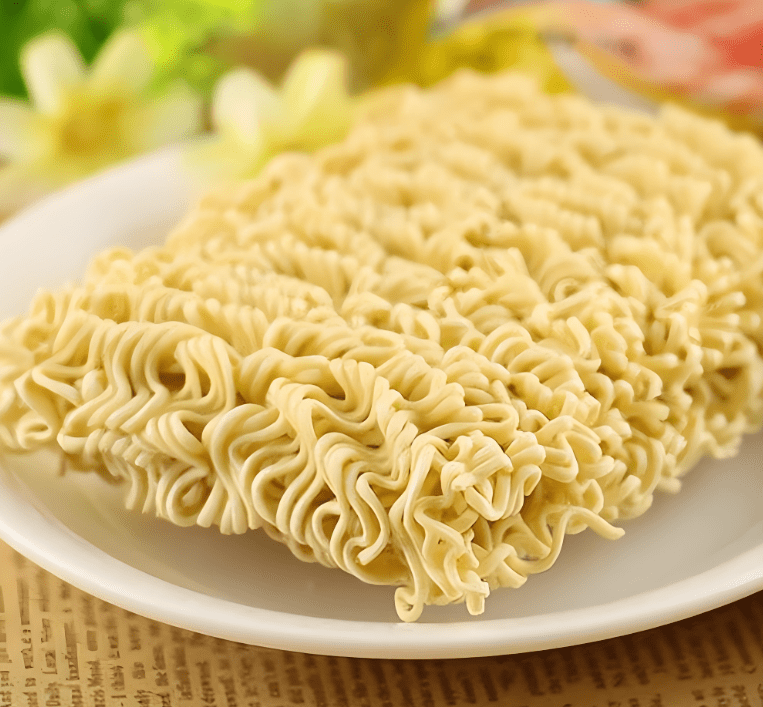
- Using clean equipment and utensils to prevent microbial growth.
- Maintaining proper temperature and moisture levels to avoid spoilage.
- Ensuring workers follow strict hygiene practices, including handwashing and protective clothing.
3. Cooking Process Control
Instant noodles typically undergo steaming and frying:
- Steaming should be uniform to fully gelatinize the starch, which affects texture and cooking quality.
- Frying oil must be fresh or properly filtered, as overused oil can produce harmful compounds and negatively affect flavor.
- Frying temperature and duration should be controlled to ensure consistent dehydration and reduce the risk of microbial contamination.
4. Cooling and Storage
After cooking, noodles must be cooled quickly to prevent bacterial growth. They should be stored in:
- Clean, dry environments.
- Containers or packaging that protect against dust, pests, and moisture.
Poor storage conditions can compromise both safety and shelf life.
5. Packaging and Labeling
Proper packaging protects noodles from contamination and preserves quality. Small-scale producers should ensure:
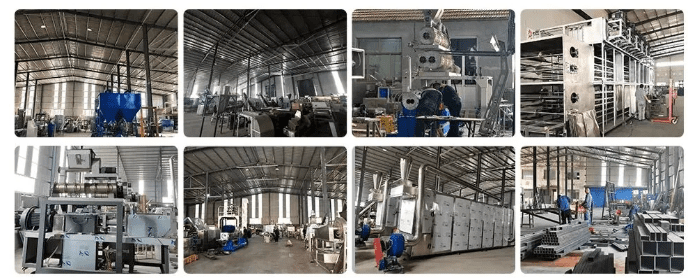
- Packaging materials are food-safe and sealed properly.
- Seasoning packets are produced and stored hygienically.
- Labels provide accurate information on ingredients, production date, and shelf life.
6. Regulatory Compliance and Testing
Even small producers are subject to food safety regulations. Regular checks should include:
- Moisture content and water activity in the noodles.
- Oil quality and free fatty acid levels.
- Microbiological testing to prevent harmful bacteria.
Compliance reduces the risk of product recalls and enhances consumer trust.
Conclusion
Producing instant noodles on a small scale can be successful if safety, hygiene, and quality control are prioritized. Attention to ingredient quality, controlled cooking, proper cooling, hygienic packaging, and regulatory compliance ensures a product that is safe, consistent, and appealing to consumers.