
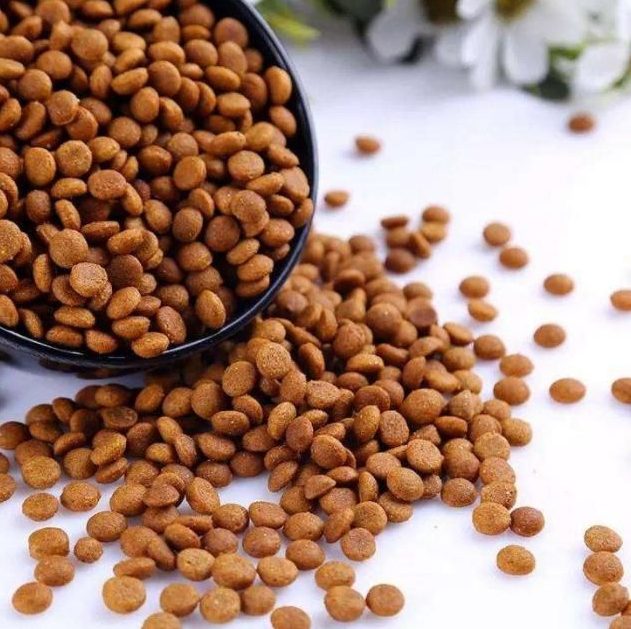
The modern dog food industry has moved far beyond simple mixing and baking. Today, producing high-quality dog food—whether dry kibble, wet food, or raw formulations—is a complex scientific process. It requires a deep understanding of nutrition, ingredient functionality, and advanced engineering to create a product that is safe, palatable, and biologically optimal for canine health. This article explores the key steps and technologies involved in manufacturing premium dog food.
The Foundation: Ingredient Sourcing and Preparation
The journey to high-quality dog food begins long before the ingredients reach the factory floor. It starts with rigorous sourcing and procurement protocols. dog food making machine Premium manufacturers often partner with trusted farms and fisheries to source high-grade ingredients, such as Aberdeen Angus beef or Scottish salmon, ensuring both traceability and nutritional value .
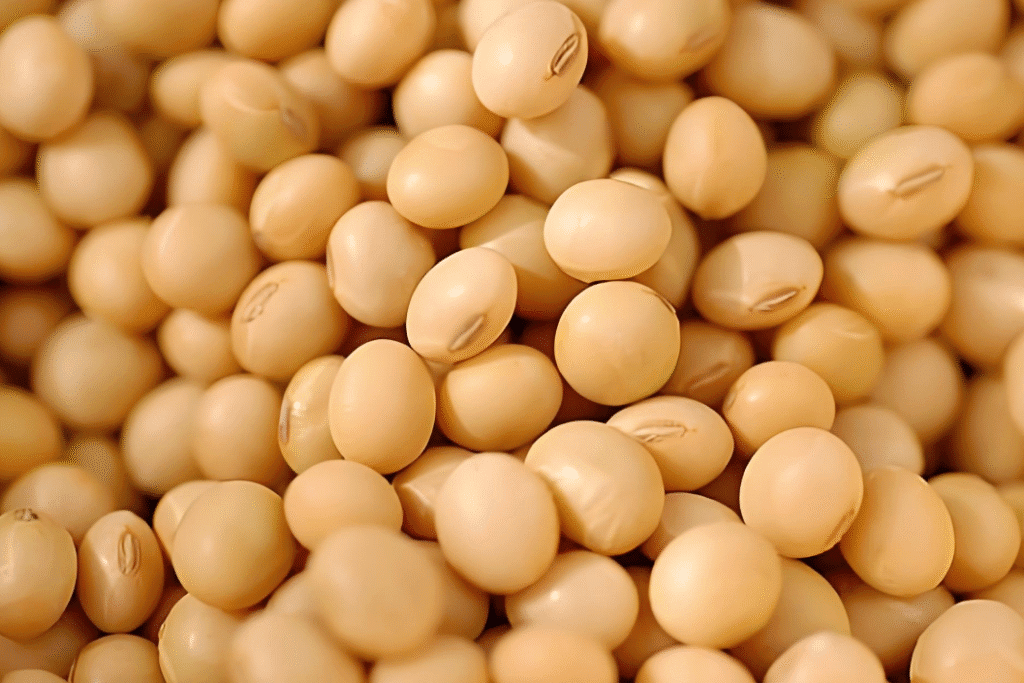
Upon arrival at the production facility, every batch of raw material undergoes strict testing. This includes examination for harmful microorganisms (like Salmonella and E. coli), chemical contaminants, and foreign objects . Facilities like Mars Petcare’s Thai plant implement Material Quality Management (MQM) systems, performing over 450 lab tests on raw materials monthly to ensure they meet stringent specifications before being accepted into the inventory .
For wet food and high-meat formulations, the preparation of the protein slurry is critical. Some manufacturers, like GA Petfoods, gently cook fresh meat at precisely controlled temperatures (e.g., 82°C) to retain characteristic flavors and preserve protein integrity . dog food making machine This slurry may then be processed using advanced separation technology. For instance, a decanter can separate the cooked meat slurry into solid protein and liquid oil, giving the manufacturer precise control over the fat content and flavor profile of the final product .
The Core Process: Extrusion and Shaping
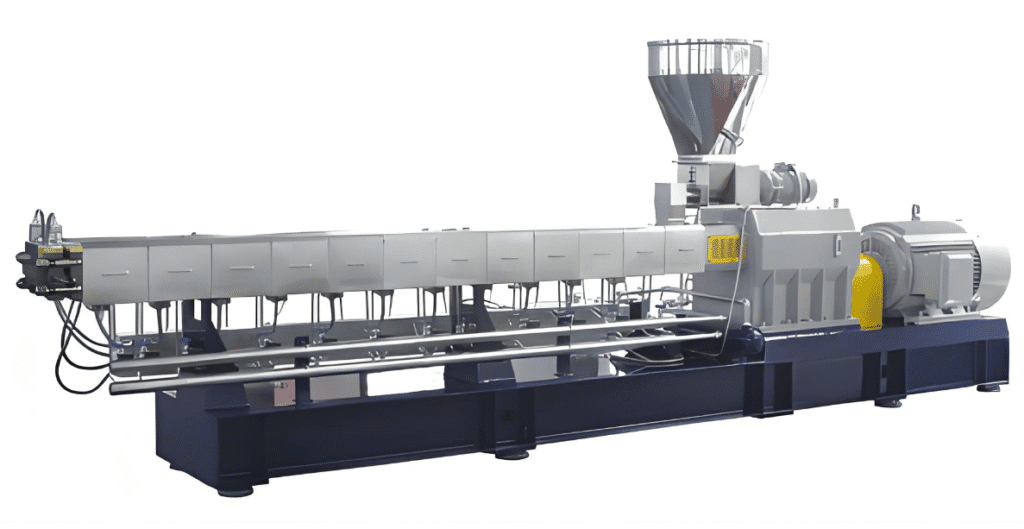
For the vast majority of dry dog food (kibble), extrusion is the heart of the manufacturing process . This thermodynamic process transforms a mixture of ground ingredients—proteins, grains, fibers, vitamins, and minerals—into a digestible, shelf-stable kibble.
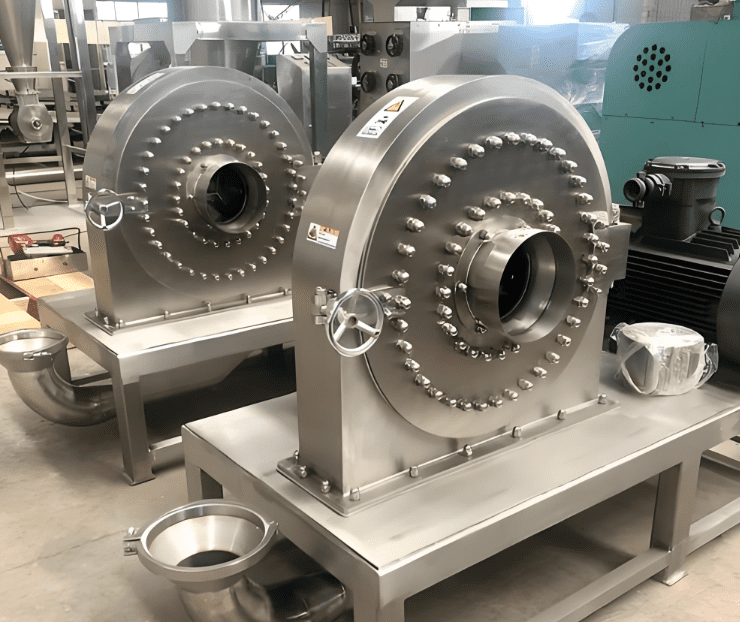
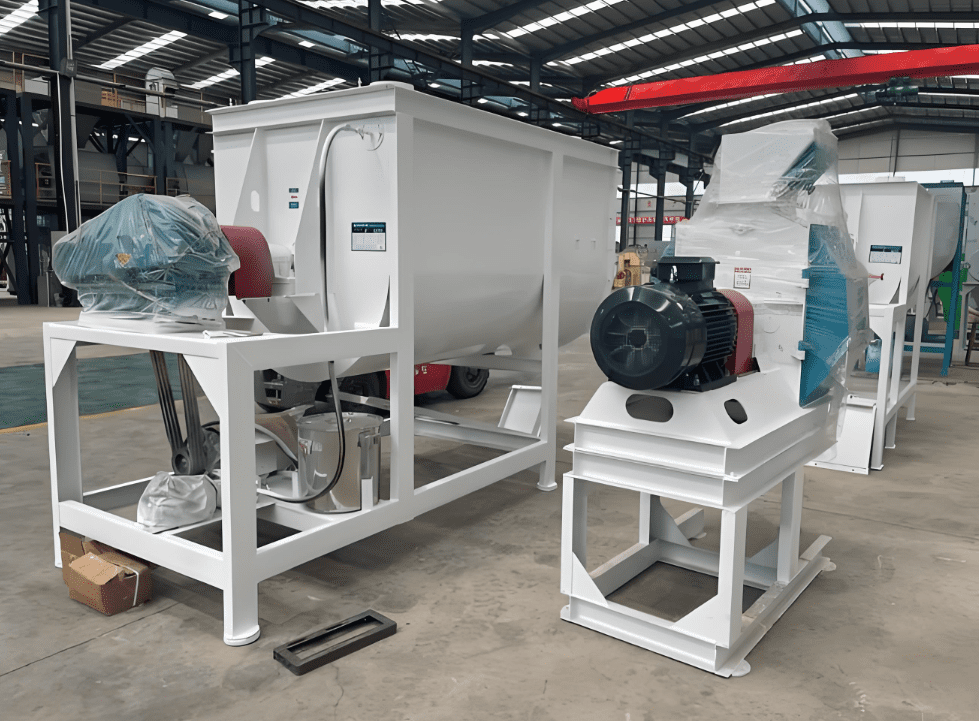
First, the dry and wet ingredients are pulverized and mixed into a consistent dough . This dough is then fed into an expander or extruder, where it is subjected to high temperatures (often between 225°F and 325°F) and high pressure using pressurized steam and hot water . This cooking process does several things:
- Sterilizes the ingredients by killing harmful bacteria.
- Gelatinizes starches, making them more digestible for dogs.
- Denatures proteins, also improving digestibility.
The intense heat and pressure also cook the mixture rapidly. As the cooked material is forced through shaped holes called dies at the end of the extruder, dog food making machine it is suddenly exposed to normal atmospheric pressure. This causes the water in the mixture to flash into steam, expanding the material and creating the porous, familiar texture of kibble . A rotating knife then cuts the expanded rope into individual pieces . The specific die shape determines the final kibble size and form, which can be designed to slow down eating or promote dental health .
However, extrusion must be carefully controlled. Excessive heat can promote Maillard reactions, which can damage essential amino acids like lysine, reducing the nutritional quality of the protein .
Innovation in Wet Food: High-Moisture Extrusion
While traditional extrusion is for dry kibble, a newer technology called high-moisture extrusion (HME) is revolutionizing wet pet food production . This process uses a much higher moisture content (40%-80%) to create products with a fibrous, meat-like texture. By combining HME with aeration technology that injects nitrogen, manufacturers can create microporous structures that enhance softness and improve the absorption of fats and flavors . This allows for the creation of highly palatable, plant-based or hybrid meat-vegetable formulations that mimic the texture of whole meat, meeting consumer demand for both sustainability and premium quality .
Post-Extrusion Enhancement: Drying and Coating
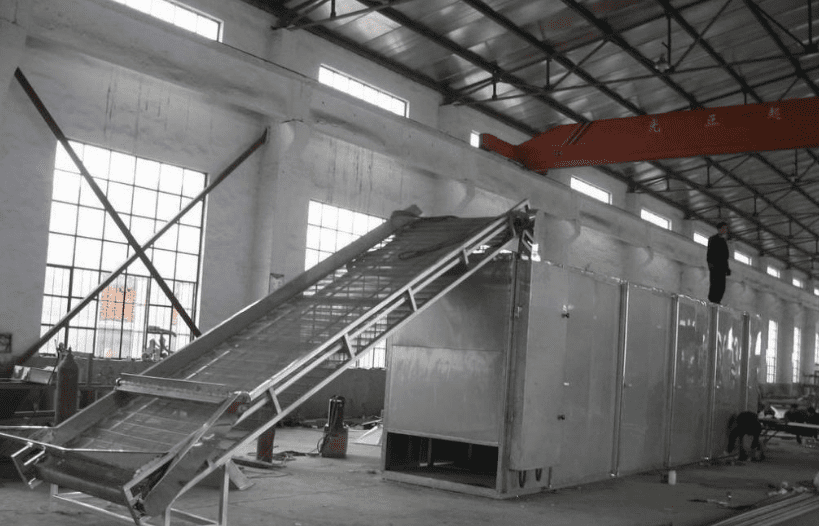
After extrusion, the kibble still contains too much moisture for long-term storage. It is passed through a hot air dryer to reduce its moisture content to a stable level (typically 7% to 15%) .
Once dried and cooled, the kibble enters the coating stage, which is essential for palatability and nutritional completeness. Because high temperatures can degrade certain nutrients, heat-sensitive ingredients like oils, vitamins, and probiotics are applied after extrusion. A standard method is to spray these liquids onto the kibble in a rotating drum.
For higher-quality feeds that require a greater inclusion of fats and oils (sometimes up to 30-40%), vacuum coating is the superior technology . In this process, kibble is placed in a sealed mixer, and a vacuum is applied. dog food making machine This draws air out of the porous kibble. When liquid fats and palatants are then sprayed in, the vacuum causes the liquid to be driven deep into the core of each piece, rather than just remaining on the surface . This results in a less greasy product, more accurate nutrient delivery, and better palatability. Modern vacuum coaters, like the “Gentle Vacuum Coater,” are designed to minimize pellet breakage and fines during this process, reducing waste and ensuring consistent product quality .
The Final Assurance: Safety and Quality Control
A high-quality product is defined not just by its ingredients and processing, but by the rigorous safety protocols that ensure it reaches the bowl in perfect condition. This involves multiple layers of checks.
Throughout the production line, critical control points (CCPs) are monitored. Metal detectors, X-ray machines, and visual inspections are used to identify and remove any physical contaminants . In premium raw frozen food production, an additional step called High-Pressure Processing (HPP) is used. This FDA-approved method uses cold water under extreme pressure to eliminate pathogens like Listeria and Salmonella without using heat, thus preserving the raw, natural state of the ingredients .
After production, many top-tier manufacturers employ a “test-and-hold” procedure. Every batch is sampled and sent to a third-party laboratory to be tested for pathogens and to verify its nutritional profile. The product is only shipped to retailers after it has been confirmed safe and meets all quality specifications . Furthermore, robust traceability systems allow manufacturers to track every batch from raw material sourcing to final distribution, ensuring accountability and the ability to respond quickly to any potential issue . Daily quality panels, where cross-functional teams evaluate the aroma, texture, and appearance of freshly made food, add a final, sensory layer of assurance .
Conclusion
Producing high-quality dog food is a sophisticated endeavor that integrates premium ingredient sourcing with cutting-edge food science. From gentle cooking and advanced separation techniques to precise extrusion and vacuum coating, each step is designed to maximize nutrition, safety, and palatability. Backed by stringent quality control and continuous innovation, these processes ensure that the food in a dog’s bowl is not only safe and delicious but also scientifically formulated to support a long and healthy life.