
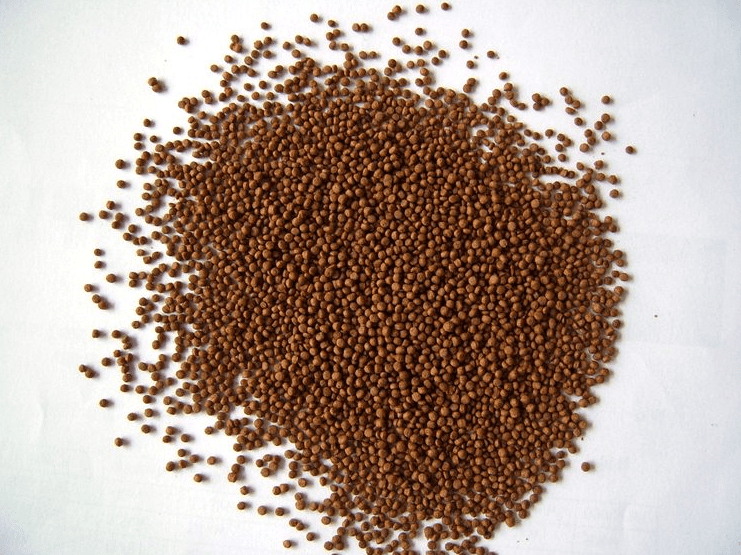
The pursuit of high-quality fish feed is a cornerstone of successful aquaculture and the health of ornamental fish. Modern aquafeed formulation has evolved from simple concepts of crude nutrition to a sophisticated science that considers digestibility, bioavailability, and the specific physiological needs of the fish. Creating a premium feed requires a careful balance of macronutrients, micronutrients, and functional additives, all derived from high-grade raw materials.
The Foundation: Protein Sources
Protein is the most critical and expensive component of fish feed, essential for growth, tissue repair, and overall health. The quality of protein is determined by its amino acid profile and digestibility.
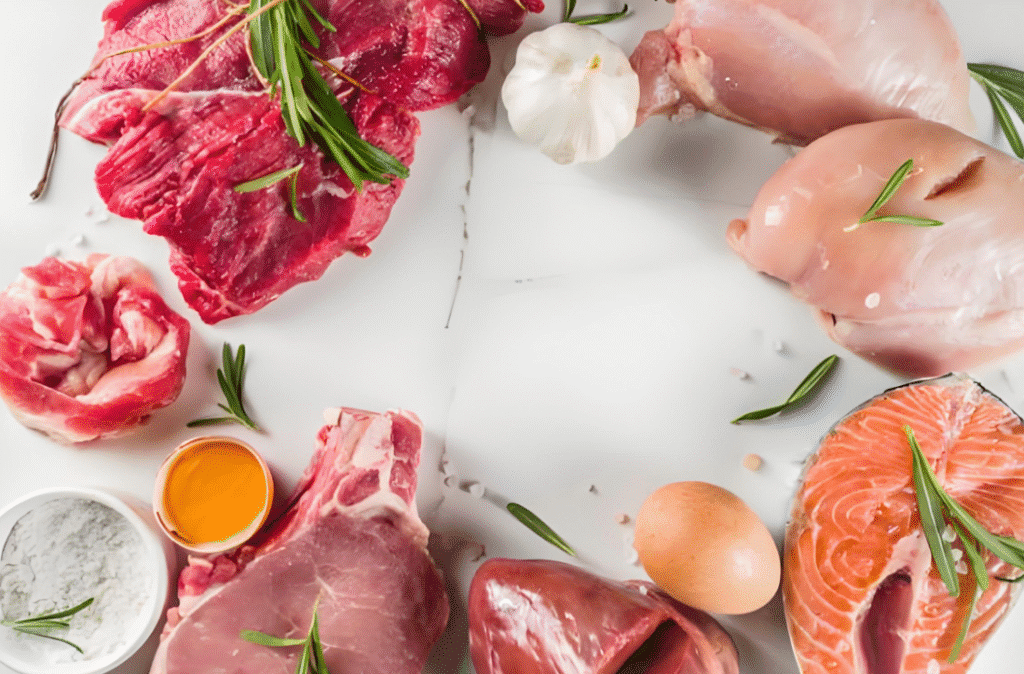
Traditionally, fishmeal (FM) has been the gold standard protein source. Derived from processed wild-caught fish like menhaden, high-quality fishmeal is prized for its excellent amino acid profile, high digestibility, and palatability. For instance, Menhaden fishmeal typically contains around 63.4% crude protein and is rich in essential amino acids like lysine and methionine . The quality of fishmeal depends heavily on the freshness of the raw material and processing methods; low-temperature drying helps preserve these valuable nutrients .
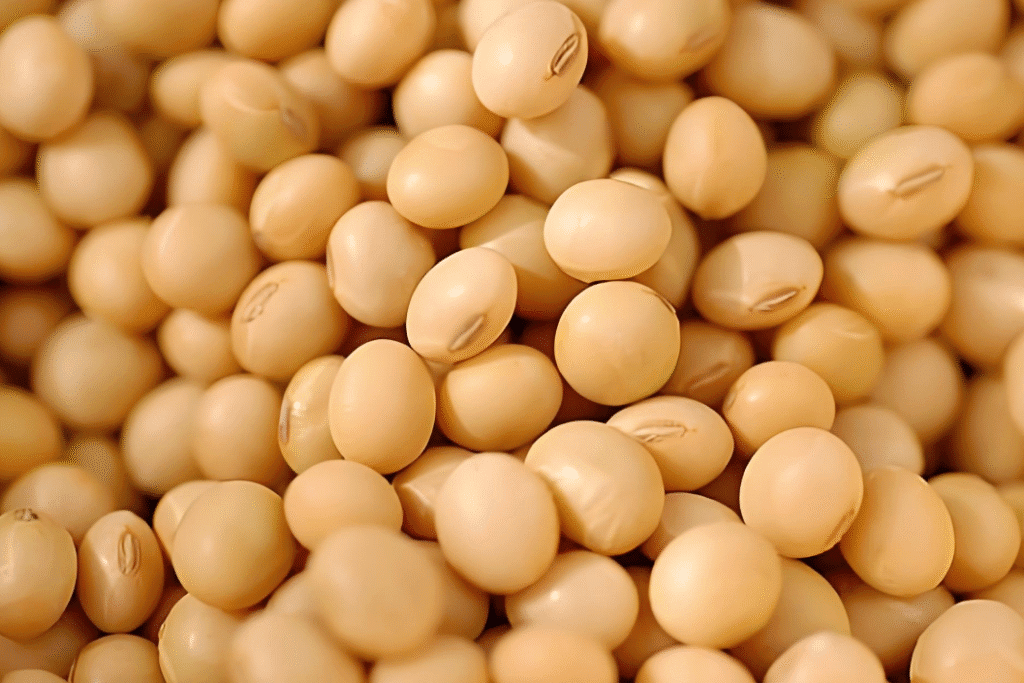
However, due to sustainability concerns and rising costs, the industry is increasingly incorporating alternative protein sources. fish feed making machine Dehulled soybean meal is a common plant-based alternative, though it contains antinutritional factors that must be managed . More advanced ingredients include novel proteins like black soldier fly larvae meal (BSFM), mussel meal (MM) , and single-cell proteins from bacteria or fungi (mycoprotein) . These ingredients not only reduce reliance on marine resources but can also offer functional benefits. For example, krill meal et crab shell meal are used not just for their protein content but as palatability enhancers and potential health supporters due to compounds like chitin and astaxanthin .
The Engine: Lipids and Oils
Lipids provide a concentrated source of energy and are vital for the absorption of fat-soluble vitamins. Most importantly, they supply omega-3 long-chain polyunsaturated fatty acids (LC-PUFAs) , such as EPA and DHA, which are crucial for fish health, immune function, and reproductive performance.
Traditionally, fish oil has been the primary source of these fatty acids . However, similar to fishmeal, its use is being supplemented and replaced by sustainable alternatives. A leading example is algae oil, which is a direct, marine-free source of DHA and EPA . Other alternatives include canola-derived omega-3 oils, though these are still under evaluation in some markets . In premium feeds, ingredients like full-fat wheat germ are also valued for their lipid profile and palatability, particularly in feeds for cold-water species like koi .
The Balancers: Carbohydrates and Fiber
While fish have a limited ability to digest carbohydrates compared to land animals, they play an important structural role in feed manufacturing. Ingredients like ground wheat, corn protein meal, and wheat germ serve as binders and energy sources . fish feed making machine The gelatinization of starches during the extrusion process is critical; it not only makes the carbohydrates more digestible but also helps produce water-stable pellets that do not disintegrate and pollute the water . Fiber content, usually kept low (e.g., less than 6% in koi feed), is managed to ensure optimal nutrient absorption .
The Enhancers: Functional Additives and Pigments
What truly defines a high-quality feed often lies in its supplementary components. These ingredients target specific health, coloration, and digestive outcomes.
- Color Enhancers: For ornamental species like koi and goldfish, vibrant coloration is a key marker of health. Ingredients like spirulina algae meal, astaxanthin, and beta-carotene are included to enhance and maintain red, orange, and yellow pigmentation .
- Gut Health and Immunity: The inclusion of probiotics (e.g., Lactobacillus species), prebiotics, and yeast extracts supports a healthy gut microbiome, which in turn improves digestion and boosts the immune system . The presence of live, naturally occurring microorganisms is a hallmark of some advanced feeds .
- Attractants: Anhydrous betaine, often derived from sugar beets, and ingredients like shrimp meal are powerful palatability enhancers that encourage even finicky fish to eat, ensuring they receive their complete nutritional allowance .
- Vitamins and Minerals: A robust vitamin and mineral premix is non-negotiable. This includes stabilized forms of Vitamin C (L-Ascorbyl-2-Polyphosphate), which is crucial for immune function and wound healing, as well as Vitamin E (a natural antioxidant), Vitamin D3, and chelated minerals like zinc amino acid complex for better bioavailability .
The Manufacturing Process: Bringing It All Together
Selecting the ingredients is only half the battle; the manufacturing process determines the final quality of the feed. High-quality feed production relies on precise grinding to achieve a small, uniform particle size, which improves ingredient mixing and digestibility . Advanced batching and mixing systems ensure that even trace amounts of vitamins and additives are distributed evenly throughout the feed .

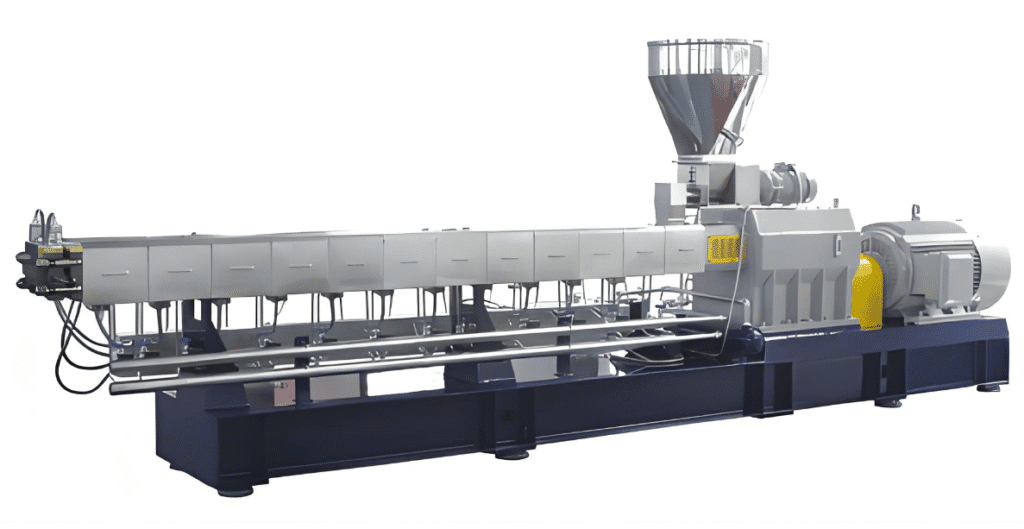
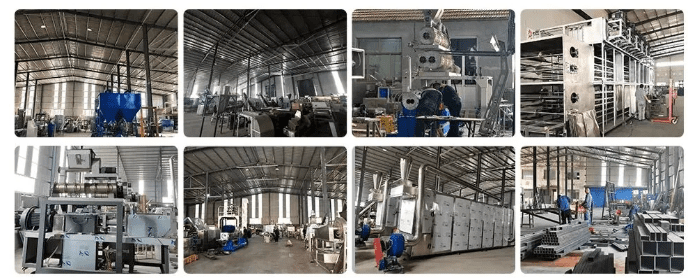
Les extrusion process is perhaps the most critical step. It uses high temperature, moisture, and pressure to cook the ingredients. This leads to starch gelatinization et protein denaturation, which dramatically improves digestibility. fish feed making machine It also creates the porous structure that allows the pellets to float or sink as required and prepares them for the final step: vacuum coating. This process infuses oils and other heat-sensitive liquids deep into the pellet, ensuring they are not just coated on the surface where they can be lost .
In conclusion, high-quality fish feed is made from a strategic blend of digestible proteins, essential fatty acids, functional carbohydrates, and targeted additives. By combining premium raw materials like selectively sourced fishmeal, novel insect meals, and immunostimulants with precise manufacturing technologies, producers can create feeds that promote optimal growth, vibrant health, and robust disease resistance in fish.