Preparing to invest in a small dog food factory is a multifaceted endeavor that goes far beyond simply purchasing equipment. dog food making machine Success requires meticulous planning across regulatory, operational, financial, and market domains. This article outlines the essential preparations you must undertake to transform your concept into a compliant and competitive business.
📝 Phase 1: Foundational Planning and Market Analysis
Before buying a single machine, you must build a solid business foundation. This phase is about defining your place in the market and creating a roadmap for your business.
- Conduct Market Research: The first step is to understand the competitive landscape and consumer preferences. The global pet food market is substantial and growing, but you need a clear focus .
- Analyze your competition: Visit local pet stores and research online brands to understand their product offerings, pricing, and target audience.
- Identify your niche: The market is shifting towards premium, natural, organic, and specialized diets . Will you focus on grain-free kibble, raw frozen (BARF) diets, hypoallergenic options, or functional treats for specific health issues? A well-defined niche helps you stand out .
- Develop a Comprehensive Business Plan: This document is essential for guiding your decisions and securing funding. Your plan should include :
- Executive Summary: A clear overview of your mission, vision, and goals.
- Market Analysis: Data on your target demographics and market trends.
- Product Line: A detailed description of the products you will manufacture.
- Operations Plan: An outline of your facility needs, production processes, and staffing requirements.
- Financial Projections: Realistic estimates of startup costs, monthly operating expenses, revenue forecasts, and a break-even analysis. Be thorough, as many new owners underestimate initial operating costs .
⚖️ Phase 2: Navigating the Legal and Regulatory Landscape
This is the most critical and complex phase of preparation. dog food making machine Pet food is a highly regulated industry, and compliance is non-negotiable. The specific requirements vary by country and region, so you must research the rules for your specific location.
- Business Structure and Registration:
- Choose a legal structure for your business, such as a Limited Liability Company (LLC) or corporation, to define liability and tax obligations .
- Register your business name with the appropriate state or local authorities .
- Facility Registration and Approvals:
- You must register your manufacturing facility with the relevant national authority. In the U.S., this is the Food and Drug Administration (FDA) . In Austria, it’s the Federal Office for Food Safety (BAES) .
- If you plan to use meat or animal by-products, you will likely need additional approval from a veterinary authority, which will include an on-site inspection of your premises .
- A crucial point: you cannot produce commercial pet food using animal components in a kitchen that is also used for preparing human food. A separate, approved facility is mandatory .
- Understand Ingredient and Labeling Rules:
- Ensure every ingredient you use is approved for animal food and has a recognized definition, typically by referring to standards like the AAFCO Official Publication in North America .
- Your product labels must include all legally required components: product name, net quantity, ingredient statement, guaranteed analysis, nutritional adequacy statement, feeding directions, and manufacturer information .
- Correctly classify your product from the start—is it a “complete and balanced” food, a treat, or a supplement? This classification dictates all subsequent labeling and claim requirements .
🏭 Phase 3: Facility, Equipment, and Operational Readiness
With your business plan and regulatory path defined, dog food making machine you can now focus on the physical aspects of production.
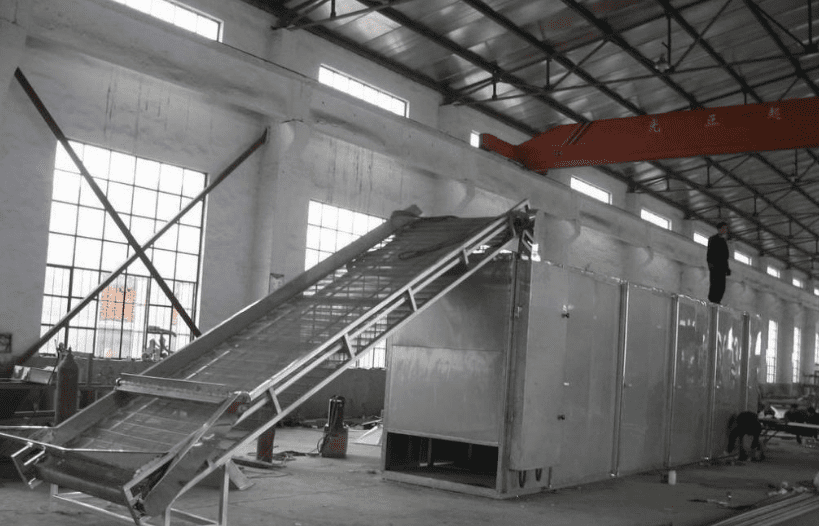
- Facility Design and Layout:
- Your facility must be designed with hygiene and workflow as top priorities. Key principles include linear flow design (moving materials from “dirty” to “clean” areas) and strict segregation of pre- and post-cooking zones to prevent cross-contamination .
- The layout must be documented and should separate production, raw material storage, finished goods warehousing, and laboratory/office spaces .
- The facility design should facilitate easy cleaning and adhere to Current Good Manufacturing Practices (CGMPs) .
- Equipment Selection and Sourcing:
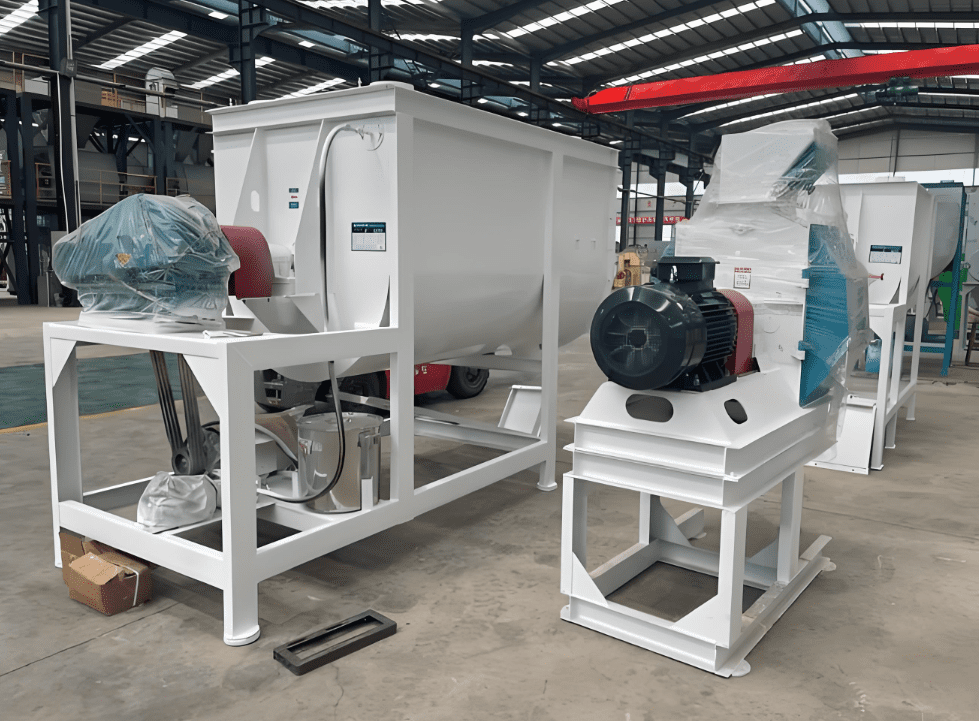
- The equipment you choose must align with your product niche and production scale. A line for extruded dry kibble will differ significantly from one for baked treats or canned food. Your production line’s design capacity must meet minimum requirements (e.g., for pet food, design capacity should be no less than 2.5 t/h) .
- Source equipment from reputable manufacturers and verify that it meets your needs for capacity, automation, and sanitary design. Easy disassembly for cleaning is a critical feature .
- Prepare detailed documentation of all production equipment, including specifications and performance verification (e.g., mixer uniformity tests) .
- Establish a Food Safety Plan: You are required to implement a Hazard Analysis and Critical Control Points (HACCP) system. This involves:
- Identifying potential contamination hazards (biological, chemical, physical) at every step of your production process .
- Establishing critical control points to monitor and control these hazards.
- Setting up a system for regular self-monitoring of both raw materials and finished products (e.g., testing for Salmonelle, heavy metals, mycotoxins) .
📊 Phase 4: Financial Preparation and Team Building
The final phase of preparation involves securing the necessary funds and putting the right team in place.
- Budget for All Costs: Your financial planning must account for the full spectrum of expenses.
- Capital Expenditures: Facility lease/renovation, equipment purchase and installation, laboratory setup .
- Operating Expenditures: Raw materials, labor, utilities, packaging, maintenance .
- Compliance & Soft Costs: Business registration, permits, product liability insurance, initial product testing, professional fees for legal or nutritional consulting .
- Secure Funding: With a solid business plan and budget, you can approach banks, investors, or explore small business grants to secure your startup capital.
- Build a Knowledgeable Team: You cannot do it all alone. You will need personnel with specific expertise :
- Production Manager: Someone with experience in food or feed manufacturing to oversee operations.
- Qualified Nutritionist: To formulate recipes that meet AAFCO or FEDIAF nutritional standards.
- Quality Control Technician: To run your in-house lab, perform tests, and manage your food safety plan.
- Skilled Operators: Staff trained to run the production line and packaging equipment safely and efficiently.
✅ Your Pre-Investment Checklist
This checklist summarizes the key steps to take before investing in your small dog food factory.
- Business Foundation
- Conducted market research and defined my product niche.
- Written a comprehensive business plan with financial projections.
- Regulatory Compliance
- Registered my business with the state.
- Researched and understood facility registration requirements (FDA, BAES, etc.).
- Verified all ingredients are approved for use in animal food.
- Drafted product labels that comply with all legal requirements.
- Facility & Operations
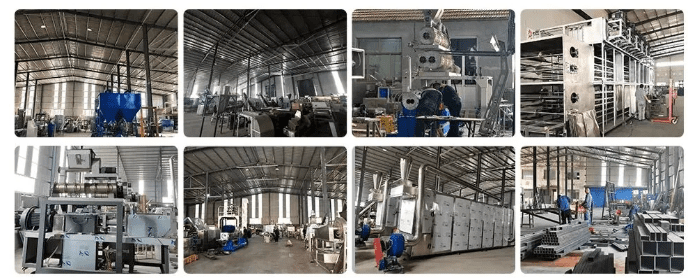
- Developed a facility layout plan that ensures linear flow and hygienic zoning.
- Selected and sourced equipment appropriate for my product and scale.
- Drafted a HACCP-based food safety plan.
- Established a list of required lab equipment and testing protocols.
- Finance & Team
- Created a detailed budget covering all capital and operating costs.
- Identified and secured sources of funding.
- Defined the roles needed and begun the search for key personnel.
By systematically working through these four phases, you move from a simple idea to a well-prepared business venture. This preparation is the foundation upon which a successful, compliant, and profitable dog food factory is built.