Investing in a small-scale dog food production line is an exciting venture, but it requires a clear understanding of the various costs involved. dog food making machine The total investment can range from a lean, bootstrapped operation to a fully-fledged small factory, depending on your ambitions, capacity requirements, and quality standards . This article breaks down the primary expenses—from machinery and facilities to raw materials and compliance—to help you build a realistic budget.
🏗️ Capital Expenditures: The One-Time Investment
This is the upfront capital needed to acquire assets and get your production line ready to run.
The Production Line: Your Core Investment
The equipment is the heart of your operation, and its cost will be your most significant expense. A standard dry kibble line includes several key machines :
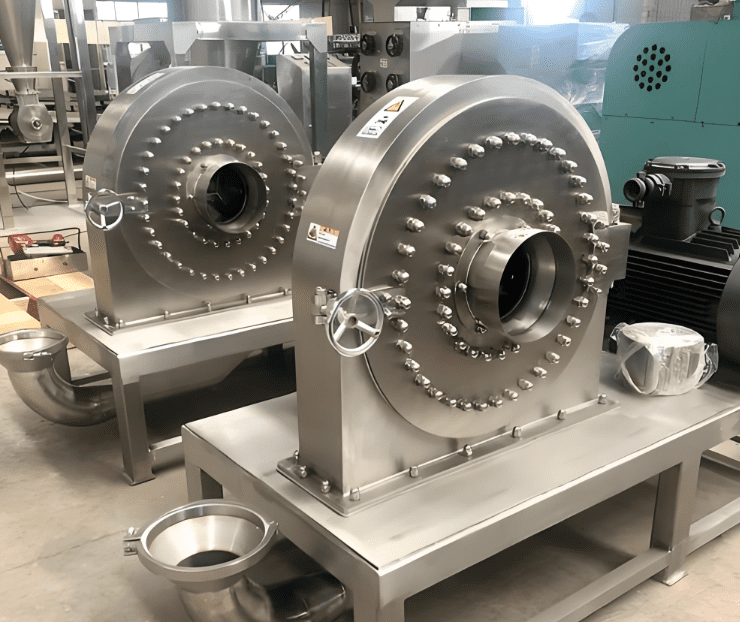
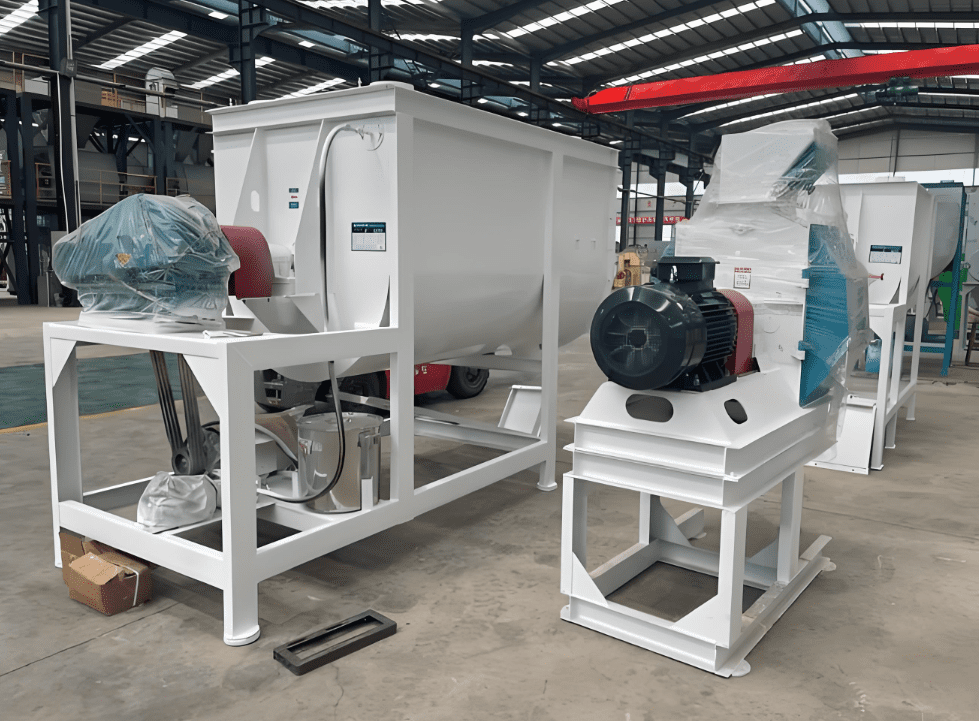
- Grinding & Mixing: A hammer mill to grind grains and a mixer to blend all dry ingredients with water and steam.
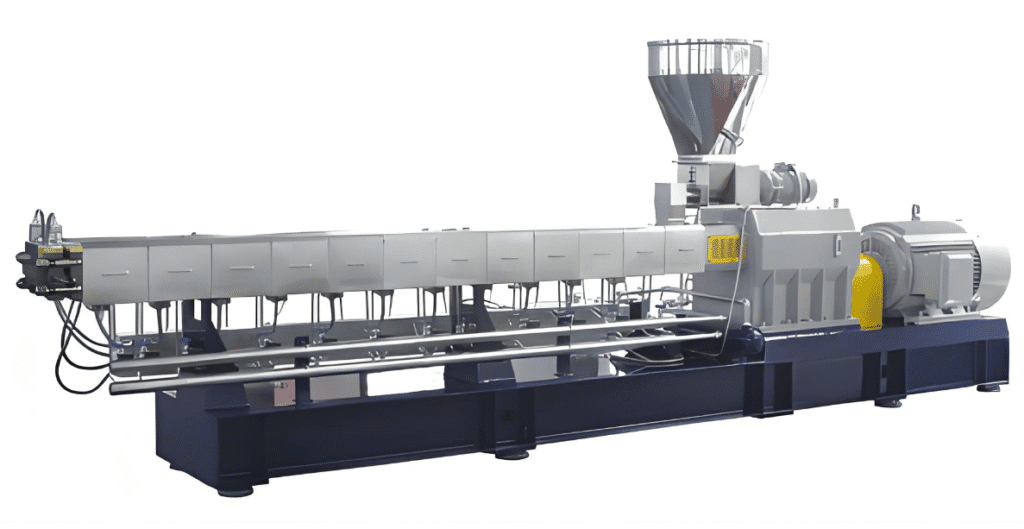
- Extruder: The core machine that cooks and shapes the kibble under high heat and pressure .
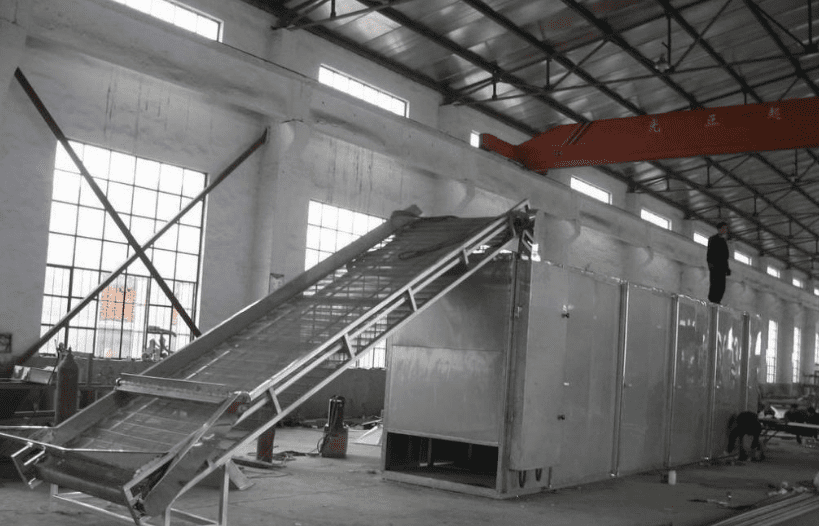
- Dryer & Cooler: To reduce moisture content to a safe level for storage and then cool the kibble.
- Coating & Packaging: A system to apply fats and palatants, followed by a packaging machine.
The cost of this line can vary wildly based on capacity and automation. dog food making machine Here are some real-world examples of equipment costs:
| Line Type / Capacity | Example Equipment Cost (Estimate) | Typical Configuration & Notes |
|---|---|---|
| Micro / Entry-Level | $1,500 – $15,000 | Single machine solutions; often used for testing the market. May rely on natural drying for small batches . |
| Small Production Line | ~$42,000 (for a ~¥300,000 line) | A basic but complete line with a mixer, extruder, dryer, and cooler. Suitable for 100-150 kg/h . |
| Small Automated Line | $50,000 – $220,000 | Higher capacity (80-200 kg/h) with better automation and consistency. A significant step up in quality. |
| Medium / Small Factory | $200,000 – $600,000 | Capacities of 300-1000 kg/h. Often includes advanced options like twin-screw extruders for better配方 flexibility, multi-stage dryers, and semi-automatic packaging . |
Facility, Infrastructure, and Ancillary Costs
Beyond the production line itself, you need a place to put it and the infrastructure to support it.
- Facility Lease and Renovation: You’ll need a space that meets health and safety standards. This involves costs for leasing, installing proper flooring and drainage, ensuring adequate ventilation, and setting up utilities .
- Installation and Utilities: Bringing in the necessary power, water, and possibly steam (if using a boiler) for your equipment is a significant cost. This also includes the labor for installing and commissioning the machinery.
- Essential Ancillary Equipment: It’s easy to overlook, dog food making machine but you’ll need other items to run smoothly, such as:
- Forklifts and Pallets: For moving raw materials and finished goods.
- Freezers/Cold Storage: If you plan to work with fresh meats.
- Lab Equipment: For basic quality control checks on your ingredients and final product .
- Pans, Tools, and Cleaning Supplies: The seemingly small items add up, especially when scaling up production .
🔄 Operating Expenditures: The Ongoing Monthly Costs
Once your line is installed, the monthly costs begin. These are crucial for calculating your product’s final cost per kilogram .
| Cost Category | Description | Key Considerations |
|---|---|---|
| Raw Materials | The largest ongoing cost, including proteins (meals, fresh meats), grains, fats, vitamins, and minerals. | Costs fluctuate based on market prices for commodities like corn and soybean meal . |
| Labor | Salaries and wages for production operators, a quality control technician, and a maintenance person. | Most small factories start with one shift. Adding a second shift increases output but only raises labor costs by ~40% . |
| Utilities | The energy required to run the extruder, dryer, and other equipment. | A major ongoing expense that varies with production volume . |
| Packaging | The cost of bags, boxes, and labels. | Decisions on packaging (bulk bags vs. small retail bags, custom printing) have a direct impact on cost . |
| Maintenance | Spare parts, routine servicing, and unexpected repairs. | Keeping machines in good working order is essential to avoid costly downtime . |
| Marketing & Distribution | The cost of selling your product, including website, advertising, trade shows, and freight. | Often overlooked, this is essential for getting your product to market . |
✅ The Hidden Essentials: Compliance and Certifications
Selling pet food is a regulated activity. Budgeting for compliance is not optional.
- Regulatory Registration: You will need to register your facility and products with the relevant authorities. In the U.S., this involves the FDA and following AAFCO guidelines for nutritional adequacy. In Europe, you must comply with FEDIAF standards .
- Testing and Certification: You’ll need to pay for laboratory analysis to verify your nutritional labels and test for pathogens like Salmonelle. If you wish to market your food as organic, human-grade, or with other claims, the certification process adds another layer of cost .
- Insurance: Product liability insurance is a must to protect your business.
📊 Building a Realistic Budget: From Lean Entry to Full-Scale
How do all these costs come together? Here are three common budget scenarios :
- Scenario A: The Lean Entry ($20,000 – $50,000): This approach minimizes risk. You might outsource the actual production (co-manufacturing) and focus on marketing a unique recipe, or buy a very small, single-machine setup for micro-batches to test the local market. This is perfect for validating your concept with minimal upfront investment .
- Scenario B: The Micro-Producer ($80,000 – $250,000): You are ready for full control. This budget covers a compact but complete dry food line with an 80-200 kg/hour capacity. You’ll handle production yourself but may have some limitations on recipe complexity .
- Scenario C: The Small Factory ($250,000 – $800,000): This is a serious industrial operation. With a capacity of 300-1000+ kg/hour and advanced equipment like twin-screw extruders, you can produce a wide variety of high-quality recipes with excellent efficiency and consistency. This setup is built for growth .
Investing in a small dog food production line is a significant decision. dog food making machine By breaking down the costs into capital investment, operating expenses, and the critical area of compliance, you can create a comprehensive business plan. Starting with a clear budget scenario—whether it’s a lean entry or a full-scale factory—will guide your equipment choices and set you on the path to success in this growing market.