
The Hollow Core: An Exposé of the Industrial Production of Filled Rice Puffs
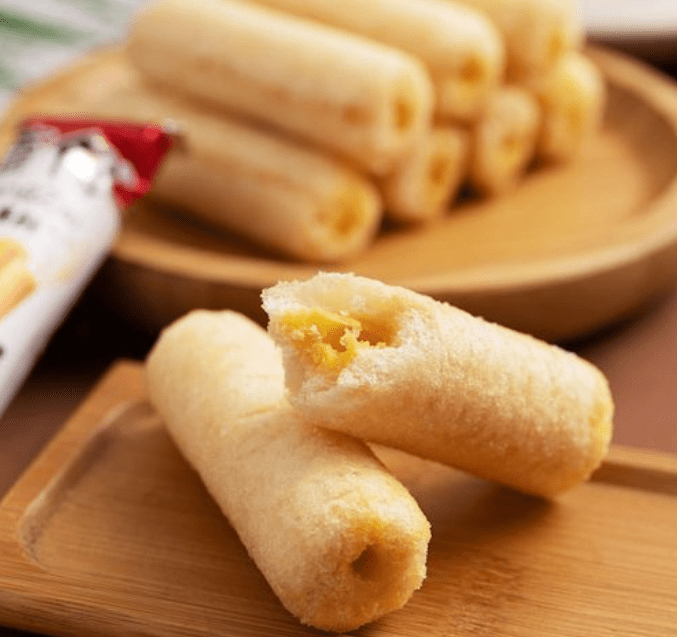
The filled rice puff, a ubiquitous snack found in lunchboxes, convenience stores, and health-conscious pantries alike, presents a paradox. Marketed as a light, sometimes even healthy, treat, it embodies a modern food engineering marvel: a delicate, airy shell encasing a sweet or savory filling. This article is a comprehensive investigation into the industrial manufacturing process of this global snack phenomenon. Moving beyond the cheerful packaging and claims of “real fruit” or “whole grain,” we will dissect the production line, revealing a world of high-temperature extrusion, highly refined ingredients, sophisticated flavor engineering, and chemical stabilization. core filled snack food machine We will explore the true nature of the “rice” shell, the complex chemistry of the filling’s stability and flavor, the nutritional compromises inherent in the process, and the environmental and social footprint of its mass production. This exposé aims to pull back the curtain on the intricate, often unsettling, alchemy that transforms simple commodities into a shelf-stable, universally appealing, yet nutritionally questionable snack food.
1. Introduction: The Allure of the Contrast
The appeal of the filled rice puff is rooted in sensory science. The contrast between the crisp, airy, and neutrally flavored outer shell and the dense, sweet, or savory filling creates a complex textural and flavor experience that is highly palatable. This “dynamic contrast” is no accident; it is the fundamental design principle driving the product’s development.
From a commercial perspective, the snack is a goldmine. It is lightweight, reducing shipping costs. It has an exceptionally long shelf life, minimizing waste. Its production is highly automated, ensuring scalability and profit margins. And its basic formula—starch matrix and flavored filling—is endlessly adaptable to global taste preferences, from azuki bean paste in Japan to chocolate cream in Europe and cheese flavors in the Americas.
But this commercial success story masks a more complex narrative about the nature of modern food. This report will follow the journey of its core components—the shell and the filling—from raw material to packaged product, uncovering the realities that ingredient lists and marketing slogans often obscure.
2. The Shell: The Illusion of Wholesomeness
The outer layer of a filled rice puff is typically referred to as a “rice cracker” or “rice puff.” core filled snack food machine This terminology evokes images of whole grains being puffed by heat, much like popcorn. The industrial reality is far more engineered.
2.1. Deconstructing the “Rice” Component
While rice is indeed the primary ingredient, it is not the fluffy, whole-grain rice one might imagine.
- The Raw Material: Broken Grains and Grits: The industry primarily uses broken rice grains, a by-product of rice milling. These are cheaper and functionally identical to whole grains for the intended purpose. The rice is milled to remove the bran and germ, creating a refined, white rice grit or flour. This refining process strips away the majority of the grain’s inherent fiber, vitamins, and minerals, leaving behind a nearly pure starch base. The claim of “made with real rice” is technically true but nutritionally misleading, as it omits the significant nutritional degradation that has already occurred.
- The Starch Slurry: The rice flour is mixed with water to create a slurry. To this, a cocktail of functional ingredients is added to ensure processing efficiency and a uniform final product:
- Modifiers and Emulsifiers: Lecithin or monoglycerides are added to control the viscosity of the slurry, ensure even water distribution, and prevent the starch from sticking to the machinery.
- Salt and Sugar: Even in savory final products, a small amount of sugar is often added to the shell to promote browning (via the Maillard reaction) and to provide a subtle flavor base that enhances the overall taste.
- Leavening Agents: Compounds like ammonium bicarbonate (often listed on labels) are added. When heated, they decompose into gases (ammonia and carbon dioxide) and water, creating the tiny air bubbles that give the shell its characteristic porous, airy texture.
2.2. The High-Temperature, High-Pressure Extrusion
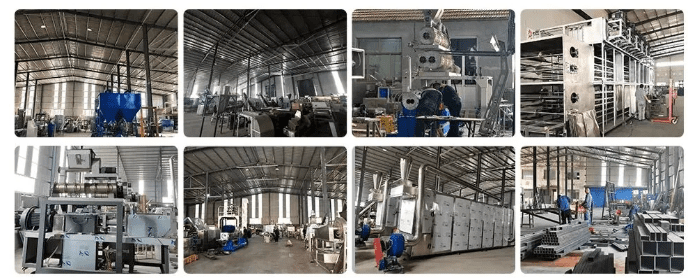
This is the core mechanical process that creates the puff’s structure. The starch slurry is fed into an extrudeuse—a massive, complex machine that is the heart of much modern snack food production.
- The Cooking Zone: Inside the extruder barrel, the slurry is subjected to intense mechanical shear from turning screws and high temperatures from external heaters. Under this combination of heat and pressure, the starch granules undergo gélatinisation. They swell, absorb water, and lose their crystalline structure, transforming the slurry from a powder-in-water suspension into a hot, viscous, plasticized “dough.” The temperature can easily exceed 120°C (250°F) at pressures several times atmospheric pressure.
- The Forming Die: The hot, plasticized mass is then forced under immense pressure through a die. The design of this die is crucial. For a simple cylindrical puff, it may be a round hole. For more complex shapes (wheels, tubes, balls), the die is machined into that specific shape.
- The Puffing Event: Dielectric Expansion: As the superheated, pressurized dough exits the die, it is suddenly exposed to normal atmospheric pressure. This instantaneous pressure drop causes the trapped water within the dough to flash into steam. The steam expands violently, puffing the starch matrix. The structure sets almost instantly as the steam escapes and the temperature drops, locking in the expanded, foam-like architecture. This process, known as dielectric expansion, creates the melt-in-the-mouth texture that defines the shell.
2.3. Drying and Toasting
The extruded puffs have a high moisture content and are too soft. They are conveyed through a multi-zone dryer or toasting oven.
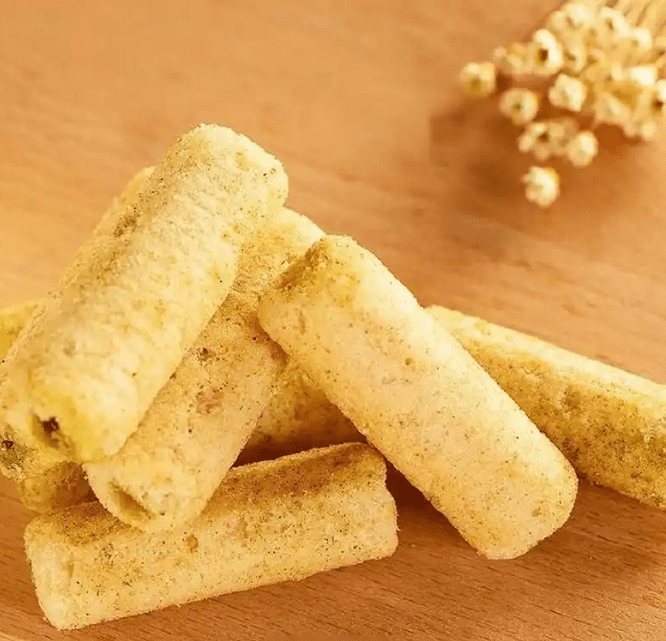
- Drying: Hot, dry air circulates around the puffs, reducing their moisture content to a low level (typically 3-5%). This is critical for achieving the final crispness and ensuring microbial stability.
- Toasting: In some processes, this stage also serves to toast the puffs, imparting a golden-brown color and a nutty, toasted flavor through the Maillard reaction. This enhances the sensory appeal but also marks the final step in the destruction of any heat-sensitive nutrients that may have survived the extrusion process.
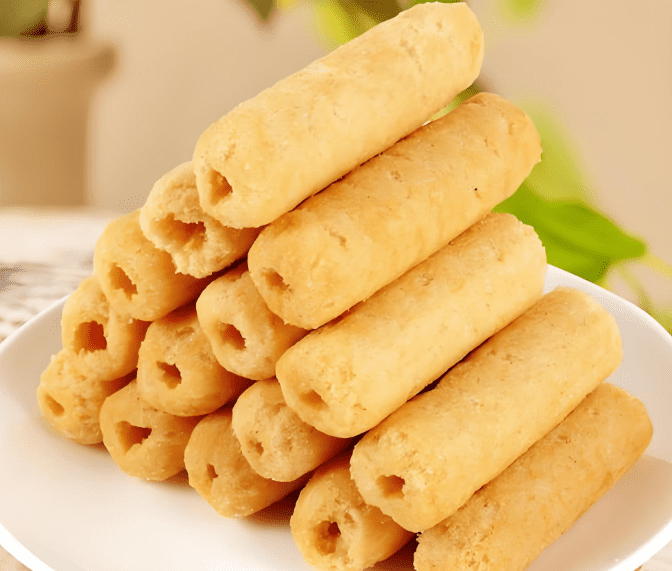
The resulting shell is a lightweight, crisp, core filled snack food machine and remarkably uniform vessel—a blank canvas of refined starch, perfectly engineered for its role but offering minimal intrinsic nutritional value.
3. The Filling: The Engineered Heart
If the shell is the blank canvas, the filling is the paint—vivid, flavorful, and designed to dominate the sensory experience. Its creation is a masterclass in food science, focused on stability, cost, and flavor impact over wholesomeness.
3.1. The Base: The Bulking Agent
The primary component of most fillings is not fruit, cheese, or chocolate, but sugar and fat.
- The Sugar Matrix: The foundation is often a sugar syrup derived from corn (high-fructose corn syrup) or beets/cane (sucrose). This syrup provides sweetness, body, and, crucially, acts as a humectant—binding water and reducing water activity (aw) to prevent microbial growth and extend shelf life. The filling is often 40-60% sugar by weight.
- The Fat Phase: Fats and oils are added for mouthfeel, to carry fat-soluble flavors, and to contribute to the creamy texture. For cost and stability, highly refined, deodorized vegetable oils are used—palm oil being a global favorite due to its low cost and semi-solid state at room temperature. These oils are often partially hydrogenated or interestified to achieve the desired melting point and to prevent oil separation (syneresis), a process that can create trans fats or other structured lipids with debated health effects.
3.2. The “Flavor” Illusion: From “Real” to “Natural”
This is where the gap between marketing and reality is most pronounced.
- The 2% Rule: A product boasting “Real Strawberry!” may legally do so if it contains even a minuscule amount of strawberry powder or concentrate. Often, the percentage of the actual namesake fruit is as low as 1-2%. The primary flavor does not come from the fruit but from a flavoring system.
- Flavor Engineering: The dominant taste is created by flavor compounds developed in a laboratory. These can be:
- Natural Flavors: Derived from a natural source (e.g., from bark, other fruits, or through fermentation), but highly processed and concentrated. The “natural strawberry flavor” might be derived from a fungus or a pine tree, bearing no compositional relationship to an actual strawberry.
- Artificial Flavors: Chemically synthesized compounds that mimic the target flavor profile. These are often more potent, stable, and cheaper than their natural counterparts.
- The Role of the Flavorist: A flavorist’s job is to create a convincing and potent profile using a library of hundreds of chemicals. They must also account for “flavor fade”—the loss of volatile compounds over time—by building a robust flavor system that will survive the product’s long shelf life.
3.3. The Emulsion and Stabilization System
A filling is a complex colloidal system—an emulsion of fat in a water-based syrup, or vice versa. To prevent this mixture from separating, a suite of hydrocolloids and emulsifiers is employed.

- Emulsifiers: Soy lecithin, mono- and diglycerides help to blend the fat and water phases into a stable, homogeneous cream, preventing the oil from leaking out.
- Thickeners and Gums: Starches (modified corn starch is ubiquitous), guar gum, xanthan gum, and carrageenan are used to thicken the filling, giving it a viscous, creamy body that will not flow uncontrollably. They control the “mouthfeel” and ensure the filling stays in place after the shell is bitten.
- Acidulants and pH Control: Citric acid or malic acid are added to fruit-flavored fillings to provide tartness, which enhances the perception of fruitiness and balances the overwhelming sweetness. They also act as mild preservatives.
3.4. The Color Factory
The visual appeal is paramount.core filled snack food machine Since the actual fruit or other natural components contribute little color, synthetic or “natural” dyes are used.
- Artificial Colors: FD&C Red No. 40, Yellow No. 5, and Blue No. 1 provide vibrant, consistent hues that are highly stable.
- Natural Colors: In response to consumer demand, manufacturers are increasingly using colorants derived from sources like paprika extract (orange-red), turmeric (yellow), and anthocyanins from purple carrots or elderberry (red-purple). However, these can be less stable and more expensive, and their “natural” label can be misleading, as they are still highly processed extracts.
The final filling is a triumph of food engineering: a shelf-stable, low-moisture, high-sugar/fat paste that delivers a potent, consistent flavor punch, all while being incredibly cheap to produce at scale.
4. The Marriage: Assembly Line Integration
The process of combining the shell and the filling is a feat of precision engineering.
- The Filling Injector: The dried, hollow rice puffs are conveyed on a belt beneath a battery of precision nozzles. A fixed volume of the filling paste is injected into each puff under controlled pressure.
- The Weight Check: Automated check-weighers ensure each piece contains the correct amount of filling. Pieces that are under- or over-filled are pneumatically rejected and typically sent back to be reworked into the filling batch.
- The Final Seal: For products where the filling is injected through a small hole, a drop of a starchy “glue” or a quick blast of heat is used to seal the opening, preventing moisture loss and contamination.
The entire process, from extrusion to filling to packaging, is continuous, high-speed, and designed to minimize human contact, maximizing efficiency and hygiene while reducing labor costs.
5. The Final Fortress: Packaging and Preservation
The assembled puffs are fragile and hygroscopic (prone to absorbing moisture). Their final protection is the package, which is as engineered as the product itself.
- The Barrier Film: The puffs are packaged in a plastic pouch, usually a multi-layered laminate. This film is designed to have an extremely low Water Vapor Transmission Rate (WVTR) to prevent the puffs from becoming soft and soggy, and a low Oxygen Transmission Rate (OTR) to prevent the oxidation of fats in the filling, which would lead to rancidity.
- Emballage sous atmosphère modifiée (MAP) : For premium products or those with more sensitive fillings, the air inside the bag is evacuated and replaced with an inert gas like nitrogen. This further slows oxidative degradation and helps to cushion the fragile puffs during transit, reducing breakage.
- The Carton: The outer cardboard box provides physical protection and, most importantly, serves as the primary marketing vehicle. It is here that the imagery of whole grains, succulent fruits, and happy, healthy consumers is deployed to create a health halo that the product inside rarely deserves.
6. The Unspoken Truths: Health, Environment, and Ethics
The industrial production of filled rice puffs has consequences that extend beyond the nutritional profile.
6.1. The Nutritional Vacuum
A critical analysis reveals a troubling picture:
- High Glycemic Impact: The refined rice shell and sugar-based filling make the product a high-glycemic food, causing a rapid spike in blood sugar and insulin levels. Regular consumption is linked to an increased risk of insulin resistance, type 2 diabetes, and obesity.
- Empty Calories: The product is typically low in protein, fiber, vitamins, and minerals. It provides energy (calories) but little of the nutritional scaffolding the body needs to function optimally. The “fortification” with a few synthetic vitamins is a poor substitute for the diverse matrix of micronutrients found in whole foods.
- The Sugar and Fat Trap: The high content of refined sugars and processed fats contributes to excessive calorie intake, dental caries, and an altered palate that comes to expect hyper-sweetened foods.
6.2. The Environmental Footprint
- Resource Intensity: The production of refined ingredients (rice, sugar, palm oil) is resource-intensive, requiring significant water, land, and energy.
- Le dilemme de l'huile de palme : The widespread use of palm oil is a major driver of deforestation in Southeast Asia and other tropical regions, leading to biodiversity loss and significant greenhouse gas emissions.
- Déchets d'emballage : The multi-material, plastic-based packaging is notoriously difficult to recycle and often ends up in landfills or as environmental pollution.
6.3. The Social and Ethical Dimension
- Commoditization of Food: This model represents the pinnacle of food as a mere commodity—valued for its shelf life, profit margin, and transportability over its nutritional worth or cultural significance.
- Labor and Automation: The highly automated process creates few jobs, and those that exist are often repetitive and low-paying machine-minding roles.
- Palate Shaping: By marketing these products aggressively to children, corporations shape lifelong taste preferences towards sweet, salty, and highly processed foods, creating a cycle of demand that is difficult to break.
7. Conclusion: A Choice in the Aisle
The filled rice puff is a testament to human ingenuity in food science and mechanical engineering. It is a product designed for a specific economic and logistical reality: global distribution, long shelf life, and mass appeal. However, this engineering triumph comes at a cost.
It is a food-like substance, a carefully crafted illusion of wholesomeness built upon a foundation of refined carbohydrates, engineered fats, and synthetic flavors.core filled snack food machine Its production has nutritional, environmental, and social implications that are conveniently absent from its cheerful packaging.
As consumers, the power of choice remains. Understanding the process revealed in this exposé empowers that choice. The next time you stand in the snack aisle, the decision is not merely between chocolate or strawberry cream. It is a choice between a product of industrial food science and a whole food snack; between a nutritional compromise and genuine nourishment; between supporting a system of anonymous globalized production and one that values transparency and sustainability. The hollow core of the rice puff is more than just a physical space for filling; it is a metaphor for the nutritional emptiness that lies at the heart of much modern food processing.