
The instant fried noodle, a ubiquitous symbol of convenience and affordability, stands at a critical juncture. While its market foundation remains robust, its future trajectory will be shaped by the industry’s response to powerful headwinds and evolving consumer currents. The outlook is not one of decline, but of necessary and significant transformation.
1. A Resilient yet Mature Core Market
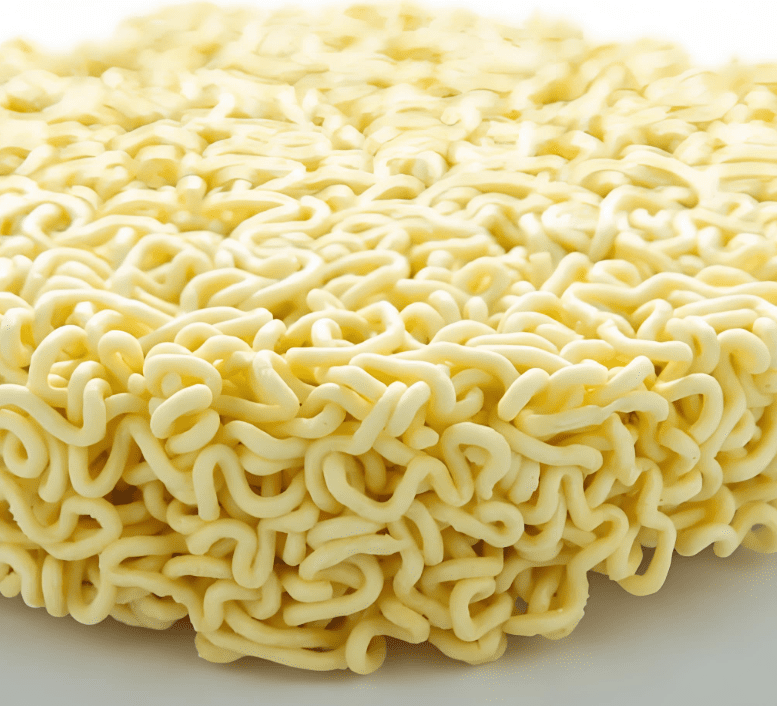
The global instant noodle market, valued at over $50 billion, continues to demonstrate resilience, driven by its core value propositions: extreme affordability, long shelf life, quick preparation, and consistent taste. Emerging economies in Southeast Asia and Africa remain strong growth engines, where urbanization, rising disposable incomes, and busy lifestyles fuel demand for convenient staples. In established markets like Japan and South Korea, instant noodles are deeply embedded in food culture. However, growth in many regions is slowing, indicating market maturity and signaling that future expansion requires innovation beyond the traditional model.
2. The Primary Challenge: The Health and Wellness Megatrend
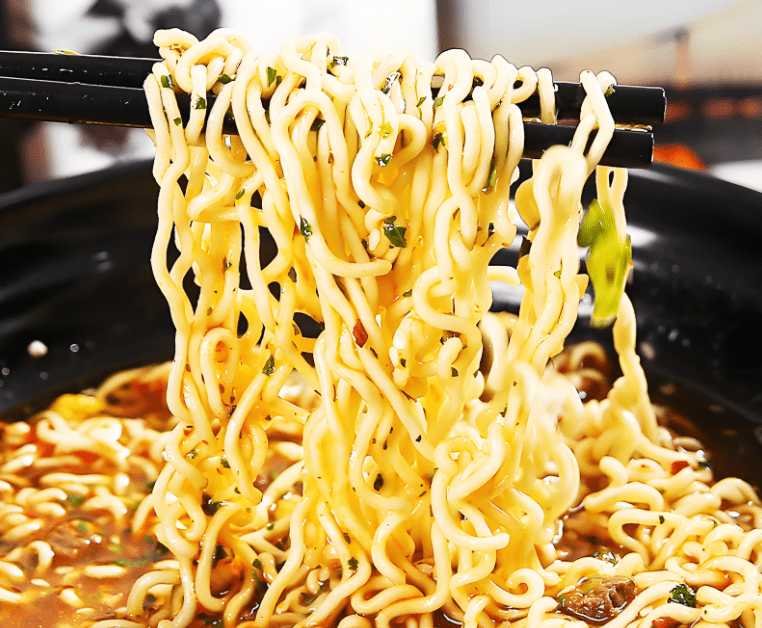
This is the single most significant factor reshaping the market. Consumers globally are increasingly seeking “better-for-you” options, scrutinizing ingredients and nutritional profiles. The traditional instant fried noodle faces intense scrutiny over its:
- High Sodium Content: Linked to hypertension.
- Graisses saturées : From the palm oil used in frying.
- Perception of “Empty Calories”: Lack of protein, fiber, and micronutrients.
- Use of Additives: Such as MSG and tertiary-butylhydroquinone (TBHQ).
Failure to address these concerns poses a major long-term risk. The industry’s response will define its future relevance.

3. Key Opportunities for Growth and Reinvention
Progressive manufacturers are pivoting to capture new opportunities, segmenting the market into premium and health-conscious tiers:
- Product Innovation & Premiumization:
- Health-Focused Formulations: Launching baked, air-dried, or non-fried variants to reduce fat content. Developing low-sodium seasoning packets, using natural flavor enhancers like mushrooms or seaweed, and fortifying noodles with protein, fiber, or vitamins.
- Gourmet and Specialty Lines: Introducing upscale flavors (e.g., tom yum, laksa, ramen broths), using higher-quality ingredients like whole-grain noodles, real vegetable/dehydrated meat inclusions, and restaurant-style soup bases.
- Functional Benefits: Incorporating ingredients that offer added benefits, such as collagen for beauty, probiotics for gut health, or adaptogens for stress relief.
- Sustainability as a Competitive Edge:
- Eco-Conscious Packaging: Shifting from traditional polystyrene cups to biodegradable, recyclable, or paper-based materials. Reducing single-use plastic in seasoning packets.
- Responsible Sourcing: Promoting sustainable palm oil and ethically sourced ingredients to appeal to environmentally aware consumers, particularly Gen Z and Millennials.
- Digital Integration and Experience:
- E-commerce and Direct-to-Consumer (DTC): Leveraging online platforms for subscription boxes, limited-edition flavors, and direct engagement with consumers.
- Enhanced Convenience: Developing packaging optimized for on-the-go consumption and microwave preparation. Exploring integration with food delivery apps for “instant meal” solutions.
4. Regional Diversification of Demand
- Asia-Pacific: Will remain the dominant market, with innovation focused on premiumization, regional flavors, and health-oriented variants.
- North America & Europe: Growth depends heavily on successful repositioning. Demand will be driven by ethnic cuisine exploration, plant-based/vegan options, and clean-label products. The “instant ramen” segment has successfully rebranded as a versatile, trendy base for customized meals.
- Africa and Middle East: Present the highest volume growth potential for traditional products, but also an opportunity to introduce improved nutritional standards from the outset.
The market for instant fried noodles is not fading; it is segmentation. The low-cost, traditional segment will persist in price-sensitive markets. However, the significant growth and profitability will come from the premium, health-conscious, and sustainable segments.
Companies that invest in R&D for healthier recipes, transparent sourcing, and environmentally friendly operations will capture the next generation of consumers. The future belongs not to the “instant fried noodle” of the past, but to a new category of “convenient, nutritious, and global noodles” that retains the core virtue of convenience while decisively addressing modern dietary and planetary concerns. The market’s future is bright, but it will look and taste decidedly different.