
Renforcer les Piliers : Stratégies Clés pour Fortifier l'Industrie du Riz Moulu
Rice, a staple food for over half the world’s population, is more than just a crop; it is a critical component of global food security and economic stability. The rice milling industry, which transforms paddy rice into edible grains, stands at the heart of this system. To meet the challenges of a growing population, climate change, and market volatility, strengthening this sector is imperative. Here are the key pillars for fortifying rice milling operations worldwide.
1. Modernization of Milling Technology
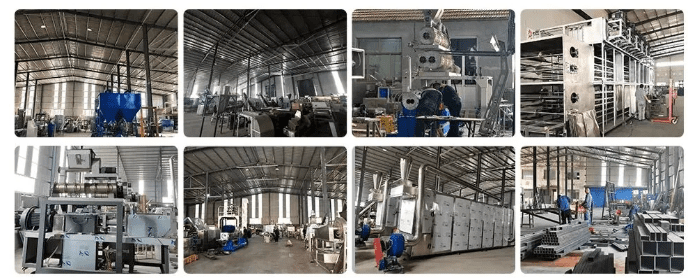
The adoption of modern, efficient milling machinery is foundational. Traditional mills often suffer from high broken grain rates (20-30% or more) and low overall recovery. Modern integrated milling systems, equipped with precision hullers, polishers, color sorters, and automated bagging, can significantly increase head rice yield—sometimes by 10% or more. Implementing technology like laser sorters and optical scanners enhances the removal of impurities, damaged grains, and contaminants, ensuring superior food safety and quality. This not only reduces post-harvest losses but also boosts the market value of the final product, making businesses more profitable and competitive.
2. Enhancement of Supply Chain Integration
A resilient supply chain is vital. Strengthening linkages between farmers, millers, and markets through contract farming, farmer cooperatives, and digital platforms can ensure a consistent supply of high-quality paddy. Investing in modern drying and storage facilities at the village or milling cluster level is crucial. Proper drying (to optimal 14% moisture content) and hermetic storage prevent spoilage from mold, pests, and mycotoxins, which can devastate both quantity and food safety. Efficient logistics, from paddy procurement to distribution of milled rice, minimize delays and cost inefficiencies.
3. Focus on Quality, Standards, and Value Addition
The global market increasingly demands rice that is not only safe but also graded, traceable, and nutritious. Millers must adhere to international food safety standards (like Codex Alimentarius) and certification schemes. Moving beyond basic white rice, value addition is a powerful strategy. This includes:
- Production of specialty rice: Parboiled rice, aromatic varieties (Basmati, Jasmine), and pigmented rice (red or black rice).
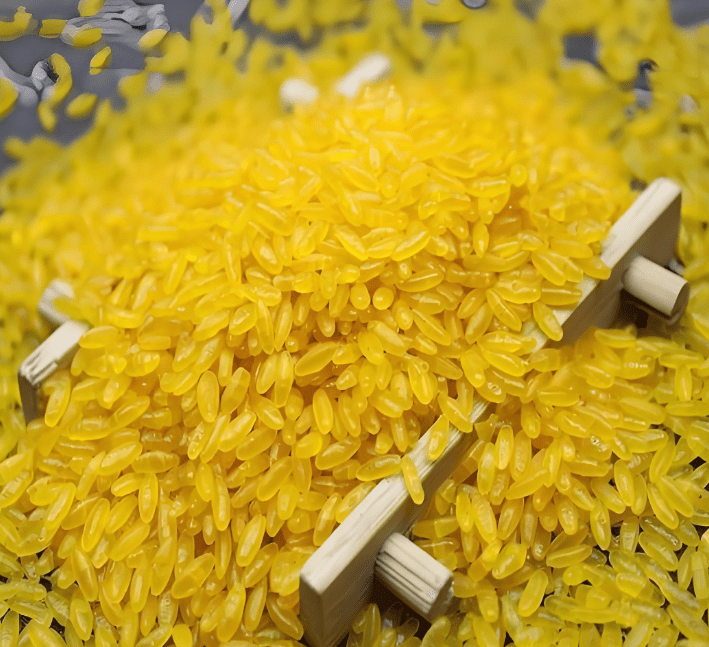
- Nutrient fortification: Enriching rice with essential micronutrients like iron, folic acid, and Vitamin A to combat malnutrition.
- By-product utilization: Transforming rice bran into high-value edible oil, and using husks for bioenergy or industrial applications. This creates new revenue streams and promotes a circular economy.
4. Commitment to Energy Efficiency and Sustainability
Rice milling is energy-intensive. Transitioning to energy-efficient motors, solar power, and biomass gasifiers (using rice husk) can drastically reduce operational costs and carbon footprint. Sustainable water management in parboiling processes and waste treatment systems are equally important. Embracing sustainable and climate-smart practices throughout the chain, from paddy sourcing to milling, future-proofs the business against regulatory changes and appeals to environmentally conscious consumers.

5. Investment in Human Capital and Digitalization
A skilled workforce is essential to operate and maintain advanced technology. Regular training programs for technicians, quality controllers, and managers on best practices, machinery upkeep, and food safety protocols are a must. Furthermore, digitalization is a game-changer. Using IoT sensors for equipment monitoring, data analytics for process optimization, and blockchain for traceability can revolutionize operations. Digital tools provide real-time insights into machine performance, inventory levels, and market trends, enabling proactive decision-making.
6. Supportive Policy and Financial Ecosystems
Governments and financial institutions play a pivotal role. Supportive policies can include subsidies for upgrading machinery, establishing quality testing labs, and facilitating export clearances. Access to affordable credit allows millers, especially small and medium enterprises (SMEs), to invest in modernization. Public-private partnerships can drive the development of integrated milling clusters with shared infrastructure, fostering economies of scale.
Strengthening the rice milling sector is a multidimensional endeavor that goes beyond mere processing. It is about building a more efficient, resilient, and value-driven system that connects sustainable farming with nutritious food on the table. By focusing on technological modernization, supply chain robustness, quality enhancement, sustainability, skilled workforce development, and supportive policies, we can transform rice milling into a powerhouse for food security, economic growth, and nutritional well-being. The future of this vital industry lies not just in producing more rice, but in producing it smarter, better, and more sustainably for all.