
Inside the Processing of Small-Scale Fried Instant Noodles
Fried instant noodles are a popular convenience food worldwide, valued for their low cost, long shelf life, and quick preparation. While large manufacturers often operate under strict industrial standards, the production process in some small-scale facilities is far less transparent. Understanding how these noodles are commonly made helps reveal potential quality and safety concerns.
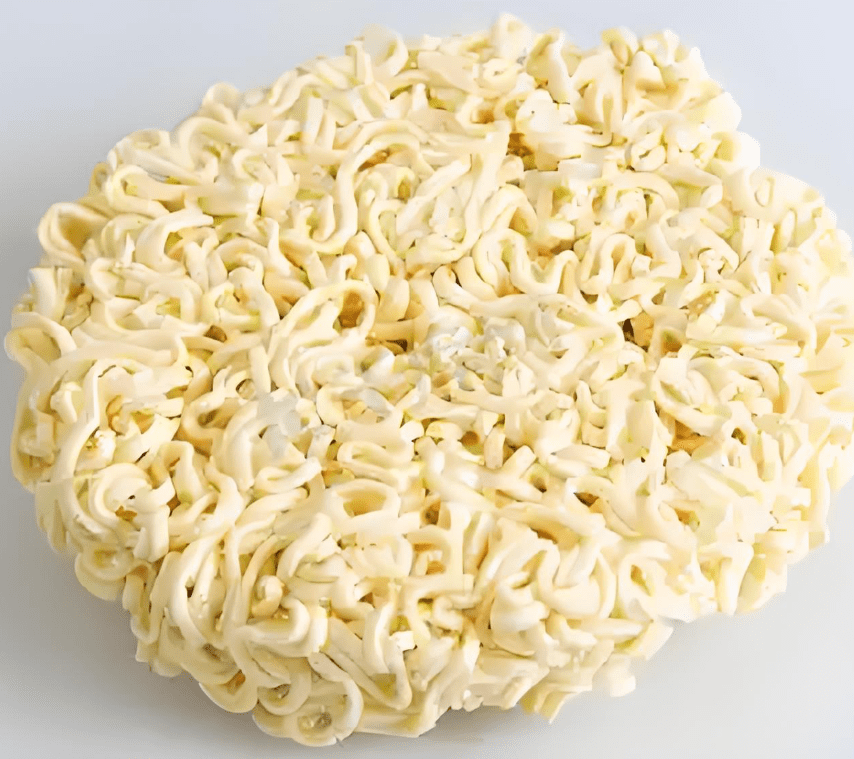
1. Dough Preparation with Low-Cost Ingredients
In small workshops, wheat flour of varying quality is mixed with water, salt, and alkaline agents to form dough. To reduce costs, some producers may use lower-grade flour or add excessive alkaline compounds to improve texture and color. Precise measurement is often lacking, leading to inconsistent product quality.
2. Rolling and Cutting Without Standardized Control
The dough is repeatedly rolled into thin sheets and cut into noodle strands. Unlike automated factories, small operations may rely on old or poorly maintained machines. Hygiene during this stage depends heavily on manual handling, and cross-contamination risks increase when cleaning protocols are weak or irregular.

3. Steaming as a Partial Cooking Step
Before frying, the noodles are briefly steamed to gelatinize the starch. In small-scale processing, steaming time and temperature are often estimated by experience rather than controlled instruments. Insufficient or uneven steaming can affect texture and shelf stability.
4. Deep Frying in Reused Oil
Deep frying is the key step that dehydrates the noodles and gives them their characteristic porous structure. In many small facilities, frying oil is reused repeatedly to save money. Overused oil can oxidize and degrade, producing unpleasant flavors and potentially harmful by-products.
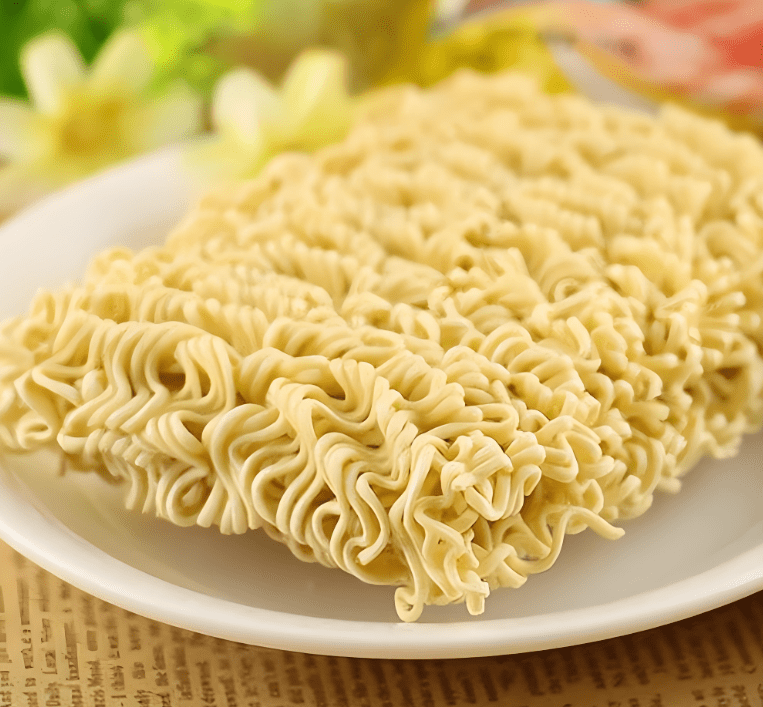
5. Cooling and Manual Packaging
After frying, noodles are cooled in open environments, sometimes exposed to dust and insects. Packaging is frequently done by hand, increasing the risk of contamination. Seasoning packets may be produced or stored under similar conditions, with limited quality checks.
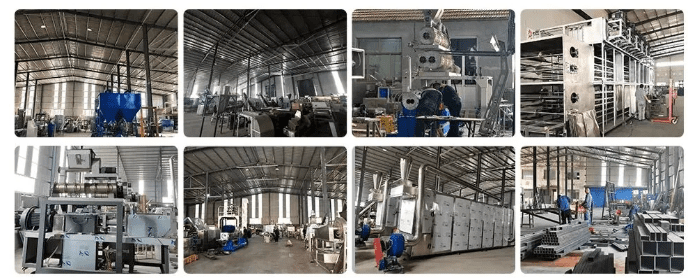
6. Lack of Quality and Safety Oversight
Small producers often operate with minimal regulatory supervision. Testing for oil quality, moisture content, or microbial safety may be absent. As a result, the final product’s safety and nutritional value can vary significantly from batch to batch.
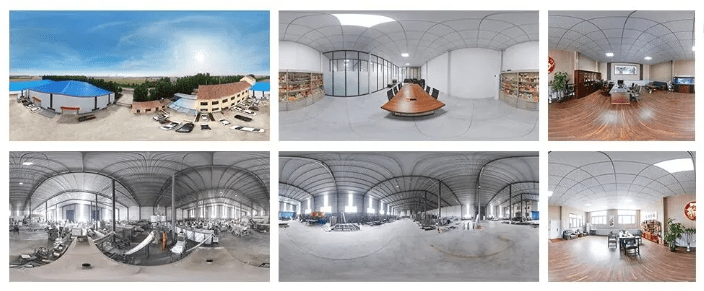
Conclusion
The small-scale production of fried instant noodles prioritizes low cost and speed over consistency and safety. While not all small producers operate irresponsibly, the lack of standardized controls and oversight can pose risks to consumers. Greater transparency, stricter regulation, and consumer awareness are essential to improving the safety of these widely consumed products.
。