
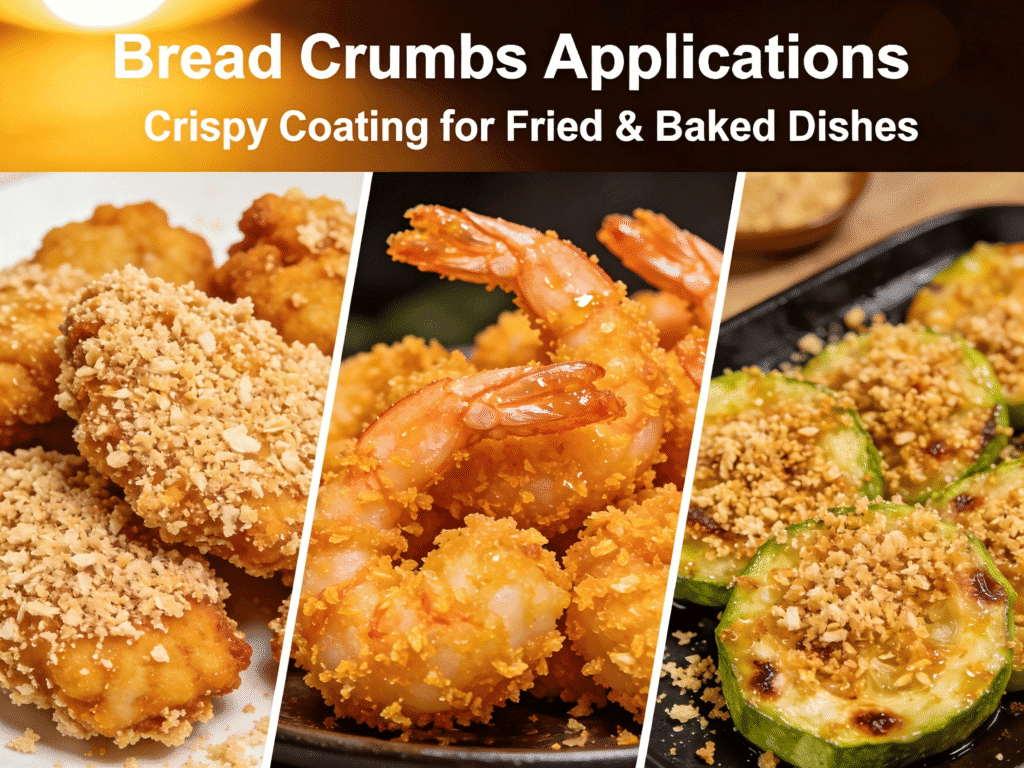
Breadcrumbs are a ubiquitous ingredient in modern kitchens and food processing plants, serving as a crispy coating for fried foods (like schnitzels, nuggets, and fish sticks), a binder for meatballs and stuffings, or a crunchy topping for casseroles. bread crumbs making machine While the concept of dried, ground bread is ancient, its large-scale industrial production is a precise and highly controlled process. This article explores the step-by-step technology used to manufacture two primary types of breadcrumbs: Japanese-style Panko et traditional Western (or American-style) breadcrumbs.
1. Raw Material Preparation: The Foundation
The process begins not with stale leftovers, but with purpose-made bread. Quality control starts here, as the type of flour (hard wheat for structure, soft wheat for tenderness), yeast, water, salt, and sugar directly influence the final crumb’s color, texture, and absorption capacity. Industrial bakers use specialized recipes to create a consistent “crumb loaf” without the thick, hard crust found on consumer bread, as excessive crust leads to dark, hard particles.
2. Bread Baking: Creating the Structure
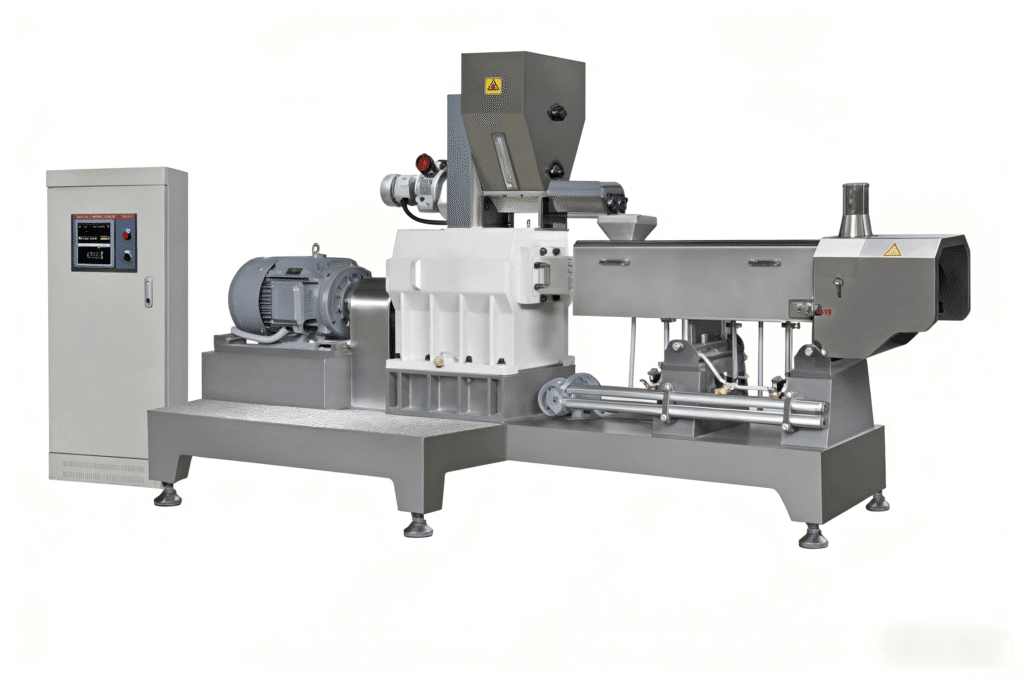
The dough is mixed, proofed, and baked in large, tunnel ovens. The key difference from standard bread baking lies in the crust-to-crumb ratio. For Panko, the bread is baked in an electric current-conducting oven, which heats the dough from the inside out. bread crumbs making machine This produces a loaf with a very thin, almost non-existent crust and a highly aerated, tender crumb. Traditional breadcrumbs use conventionally baked loaves with a slightly firmer structure.
3. Conditioning (Aging/Cooling)
After baking, the loaves are not immediately ground. They pass through a cooling tunnel where temperature and humidity are carefully controlled. This step, known as conditioning, allows the internal moisture to equilibrate. Proper cooling ensures the crumb becomes firm enough to withstand grinding without becoming gummy, yet retains enough moisture for subsequent processing.
4. Crumbing & Grinding: The Core Process
This is where the two main product paths diverge:
- Traditional Breadcrumbs (Grinding): The cooled loaves are fed into a hammer mill ou rotary grinder. These machines use high-speed rotating blades or hammers to pulverize the bread into uniform, granular particles. bread crumbs making machine The size of the screen determines the final crumb classification (e.g., fine, medium, coarse). This process yields dense, rounded, or irregular particles that absorb more oil and moisture.
- Panko Breadcrumbs (Shredding): Instead of grinding, the crustless loaves are fed into a unique shredding machine equipped with rollers that tear the bread along its grain. This produces the characteristic elongated, needle-like or flaky slivers of Panko. The gentle, tearing action preserves the airy structure, creating a crumb that remains light, crispy, and less oily after frying.
5. Drying: Preserving and Texturizing
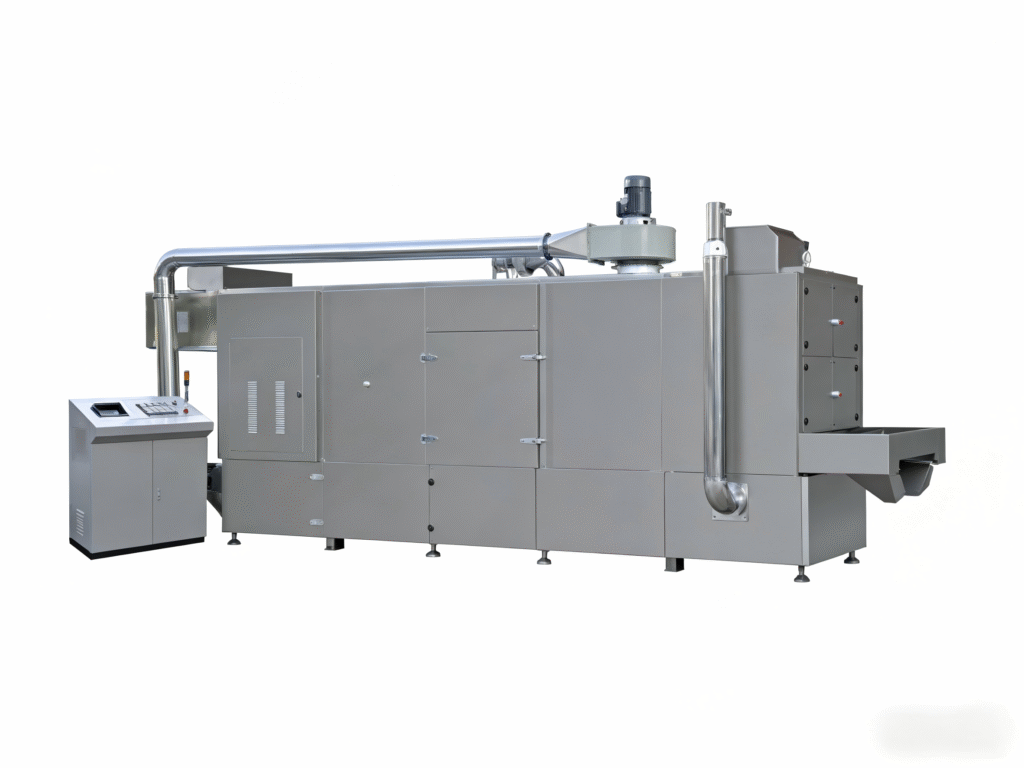
The fresh, moist crumbs are still perishable and lack their final crunch. They are conveyed into a large, multi-stage rotary or fluid bed dryer. Hot air (typically 100-150°C) is circulated to reduce the moisture content from roughly 35-40% down to 6-10%.
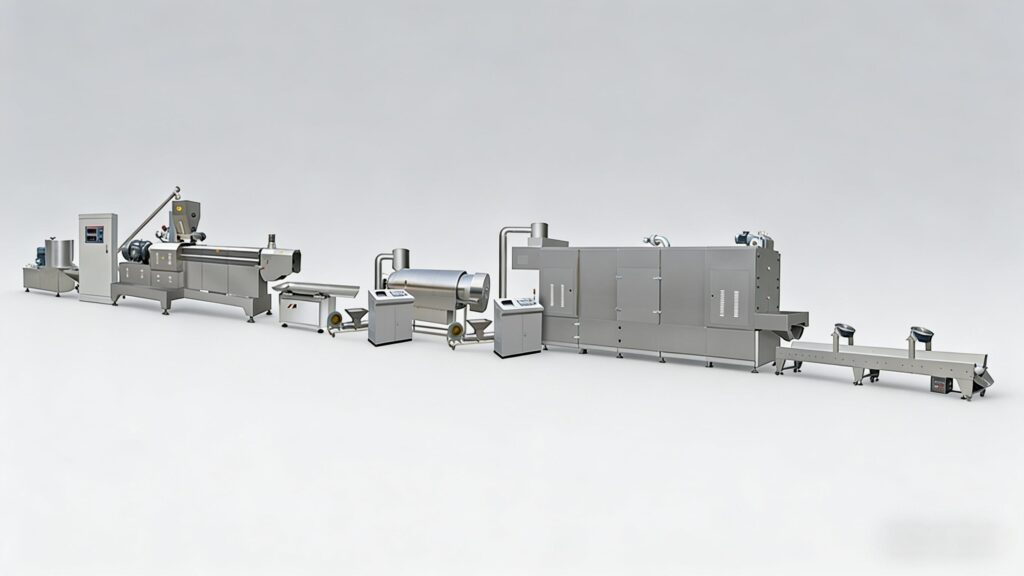
- Pour Panko, drying is precise. Too fast, and the delicate slivers break; too slow, and they don’t develop their signature “shatteringly crisp” texture.
- Pour traditional crumbs, drying also sets the final color. A longer, hotter dry can produce golden-toasted breadcrumbs, while a shorter, cooler dry yields plain white crumbs.
6. Sieving & Classification
After drying, the crumbs pass through a series of vibrating screens or sieves to separate them into precise particle size grades. Oversized pieces are sent back for regrinding, while “fines” (dust) are removed for use in other applications like batters or pet food. Common grades include:
- Coarse: For thick, crunchy coatings on seafood or onion rings.
- Medium: The all-purpose standard for cutlets and nuggets.
- Fine: For stuffings, meatballs, and breading for delicate items like shrimp.
7. Quality Control & Packaging
The final product undergoes rigorous testing:
- Particle size distribution (using sieve analysis).
- Moisture content (using loss-on-drying analyzers).
- Water absorption & oil pickup (measured in a test fry).
- Couleur (measured with a colorimeter to ensure batch-to-batch consistency).
- Microbiological safety (ensuring low water activity prevents mold).
Finally, the breadcrumbs are packaged in multi-layer bags (often with a nitrogen flush to prevent oxidation) and sealed. Depending on the end-use, they may be shipped as-is to food service companies or sent to a coating line where they are immediately applied to raw proteins or vegetables.
Conclusion
The humble breadcrumb is a testament to modern food engineering. Whether it’s the sharp, airy sliver of Panko or the dense, granular texture of a traditional Western crumb, each type is the result of a carefully choreographed process—from baking a custom loaf to the precise application of grinding or shredding, drying, and classification. This technology ensures that every time a consumer bites into a crispy chicken tender or a golden-baked mac and cheese topping, the texture is perfect, consistent, and safe.