
The global aquaculture industry continues to expand, necessitating the optimization of every aspect of the production cycle, with nutrition and feeding being paramount. Fish feed making machine Central to this optimization is the fundamental choice between two primary types of pelleted aquafeeds: floating (buoyant) and sinking (slowly settling or rapid-descending) feeds. This article provides a comprehensive comparative analysis of these two feed types, examining their physical and chemical characteristics, manufacturing processes, and implications for different aquaculture species. It delves into the biological and behavioral responses of fish, including feed intake, feed conversion ratios (FCR), and specific growth rates (SGR), supported by a review of key scientific studies on species such as turbot, catfish, carp, and tilapia. Furthermore, it evaluates the significant economic and management considerations, including feed costs, profit indices, water quality management, and disease control. By synthesizing research from diverse geographical and aquacultural contexts, this analysis demonstrates that the choice between floating and sinking feed is not universal but is contingent upon a complex interplay of species-specific feeding behavior, farming system type (ponds, cages, RAS), and economic objectives. Fish feed making machine While floating feeds often offer superior management control and growth for certain species, sinking feeds frequently present a cost-effective alternative for others without compromising production efficiency, challenging the notion of inherent superiority of one form over the other.
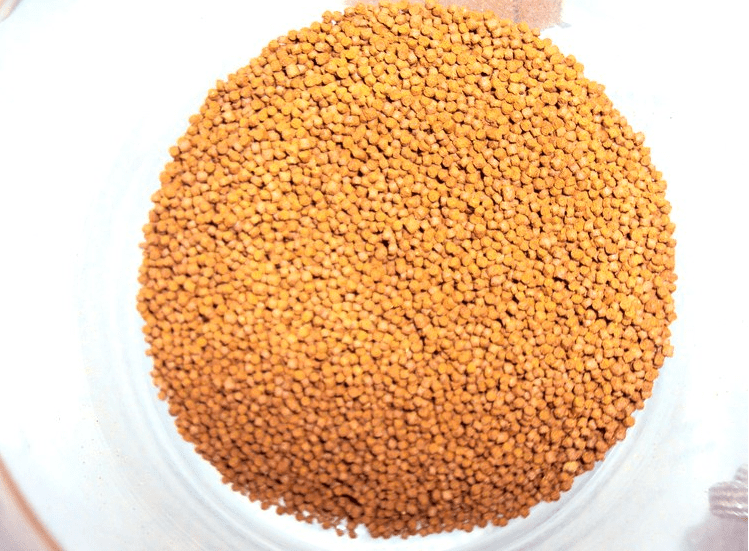
1. Introduction
Aquaculture has become the fastest-growing food production sector globally, playing a critical role in food security and protein supply for a burgeoning world population. Fish feed making machine As capture fisheries plateau, the burden of meeting the global demand for seafood falls increasingly on farming operations. A pivotal factor determining the success, sustainability, and profitability of any aquaculture venture is feed. Feed typically constitutes the largest variable operating cost, often accounting for 50% to 70% of total production expenses . Therefore, the selection of an appropriate feed type and an effective feeding strategy is arguably the most critical management decision a farmer can make.
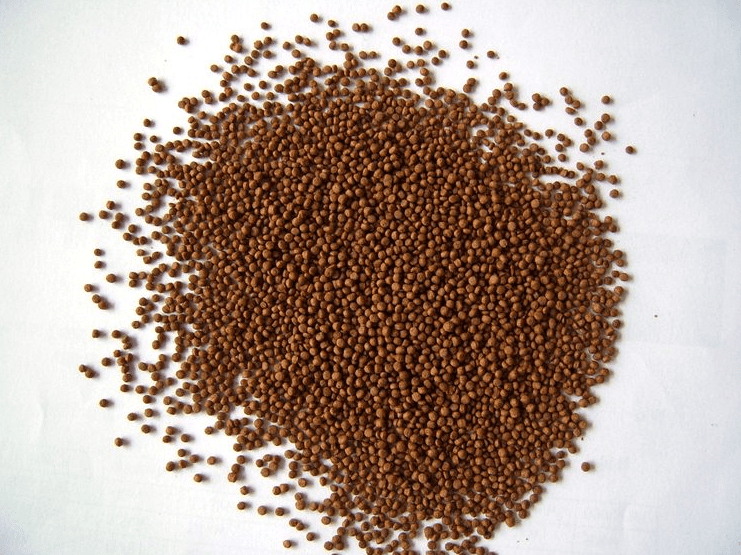
Among the most fundamental distinctions in pelleted aquafeeds is their physical behavior in water: whether they float, sink rapidly, or sink slowly. This single characteristic—buoyancy—initiates a cascade of consequences that affect everything from fish physiology and behavior to farm management routines and financial outcomes. For decades, the debate between the merits of floating (often extruded) and sinking (often pelleted) feeds has persisted, with proponents on both sides citing advantages ranging from improved feed conversion to reduced cost.
The choice is not merely academic. Inappropriate feed selection can lead to poor growth, elevated mortality, wasted feed, deteriorated water quality, and reduced profits. For instance, feeding a fast-sinking pellet to a surface-oriented fish like tilapia might result in significant feed loss before the fish can consume it. Conversely, feeding a floating pellet to a strict bottom-dweller like shrimp could require behavioral adaptation that expends energy and reduces growth efficiency .
This article aims to provide a comprehensive, evidence-based comparison of floating and sinking fish feeds. It will explore the technological underpinnings of their production, analyze their biological effects on a range of species through the lens of peer-reviewed studies, and dissect the economic and management implications for farmers. Fish feed making machine By synthesizing findings from diverse research conducted across the globe—from European turbot farms to African catfish ponds and Asian carp polycultures—this analysis will equip aquaculturists, students, and researchers with a nuanced understanding necessary to make informed decisions tailored to their specific circumstances. The central thesis is that the “best” feed is not a universal constant but a variable dependent on the target species, the culture system, and the economic goals of the operation.
2. Physical and Chemical Foundations: The Science of Buoyancy
Before examining the biological and economic impacts, it is essential to understand the physical and chemical properties that dictate whether a feed pellet floats or sinks. These properties are primarily engineered during the manufacturing process and are intrinsic to the feed”s composition and structure.
2.1 Density and the Role of the Manufacturing Process
The single most important factor determining a feed pellet”s buoyancy is its density relative to water (approximately 1 g/cm³). Fish feed making machine Pellets with a density less than 1 g/cm³ will float, while those with a density greater than 1 g/cm³ will sink . This density is a direct result of the feed manufacturing technology.
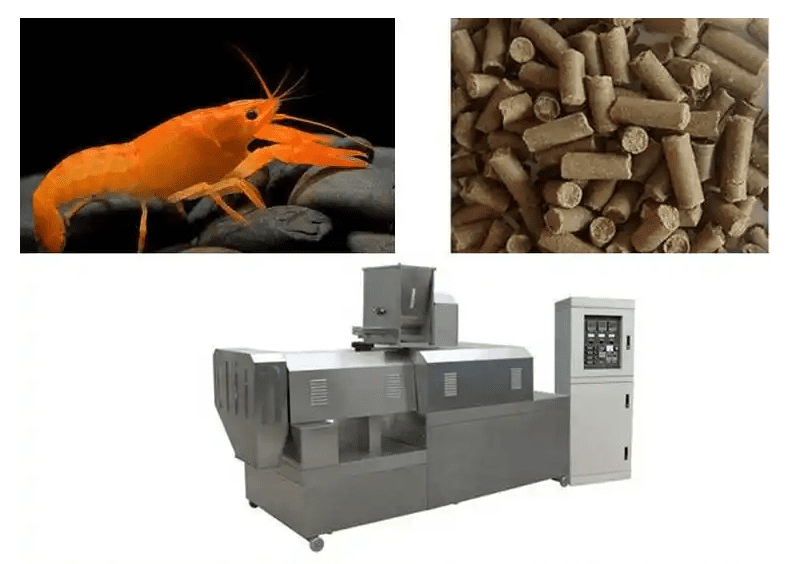
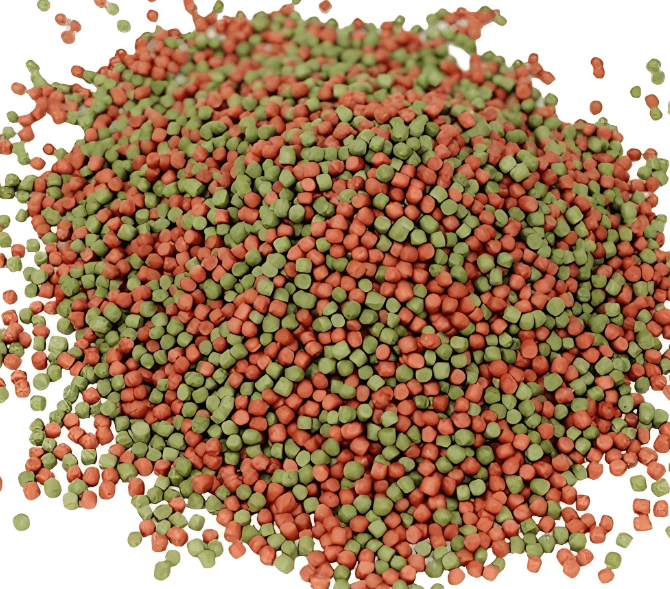
- Extrusion (Floating Feeds): Floating feeds are almost exclusively produced using a process called extrusion cooking. This is a high-temperature, high-pressure, short-time process. A mixture of ingredients (including starches, proteins, and oils) is preconditioned with steam and water before being fed into a barrel containing a rotating screw. The screw forces the material through the barrel, where it is subjected to intense heat, pressure, and shear. At the end of the barrel, the material is forced through a die. The sudden drop in pressure as the extrudate exits the die causes a significant portion of the superheated water within the material to flash into steam. This rapid expansion creates millions of tiny air pockets within the pellet, giving it a porous, sponge-like structure and a density significantly lower than water . The degree of expansion, and thus buoyancy, can be controlled by adjusting parameters like temperature, pressure, moisture content, and the starch-to-protein ratio. High-starch formulations generally puff up more, enhancing floatability.
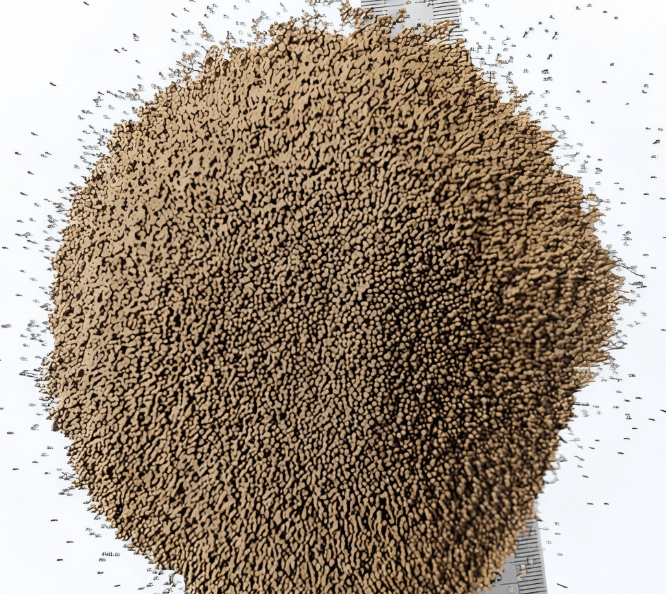
- Pressure Pelleting (Sinking Feeds): Traditional sinking feeds, often referred to as hard pellets or steam-pelleted feeds, are manufactured using a pellet mill. In this process, the conditioned ingredient mixture is forced through a die by rotating rollers. While heat and pressure are involved, they are generally lower than in extrusion. Crucially, there is no significant pressure drop that causes the material to expand. The resulting pellet is dense, compact, and solid, with a density greater than water, causing it to sink . The degree of sink rate can be further manipulated by the pellet”s size and density; some are formulated to sink very rapidly, while others are designed as “slow-sinking” or “semi-floating” feeds that drift slowly through the water column, catering to fish that feed in mid-water.
2.2 Water Stability and Nutrient Leaching
The physical structure imparted by these manufacturing processes also dictates how the feed behaves once submerged.
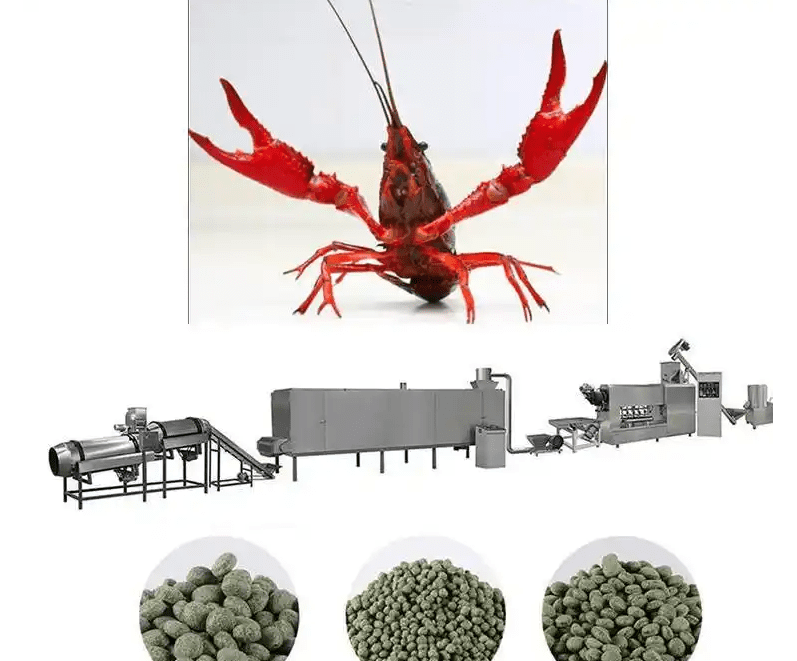
- Water Stability: Extruded floating feeds, due to their porous structure and the gelatinization of starches during cooking, are generally highly stable in water. High-quality floating feeds can maintain their physical integrity for several hours, with some reports indicating stability for up to 12 hours without significant disintegration . This stability is a major advantage, as it allows farmers to observe feeding activity without the pellet immediately dissolving. In contrast, traditional sinking pellets, being denser and often less thoroughly cooked, may disintegrate more quickly if not consumed rapidly. However, modern high-quality sinking feeds, particularly those produced with advanced binders or through specific extrusion processes designed for sinking, can also exhibit excellent water stability . The key is the degree of starch gelatinization and the quality of the binding agents used.
- Nutrient Leaching: The stability of a pellet is directly linked to nutrient leaching—the loss of water-soluble nutrients (vitamins, minerals, and certain proteins) into the surrounding water. A pellet that disintegrates quickly or has a high level of porosity without a stable matrix will leach nutrients more rapidly. This represents a direct economic loss, as the nutrients are not consumed by the fish, and it contributes to water pollution (eutrophication) by fertilizing the water column for algae. Because of their gelatinized starch matrix which “locks in” ingredients, extruded floating feeds are often considered to have lower leaching rates compared to poorly bound sinking meals, provided they are consumed within a reasonable timeframe .
3. Biological and Behavioral Responses in Fish
The physical difference between floating and sinking feed is not merely a matter of physics; it is a signal that interacts with the innate feeding ecology of the cultured species. The biological response of the fish—how they find, consume, and utilize the feed—is the ultimate determinant of growth performance and feed efficiency.
3.1 Species-Specific Feeding Behavior and Niche Partitioning
Fish species have evolved to occupy specific niches within the aquatic environment, and their feeding morphology and behavior are adapted accordingly. This is the most critical biological factor in feed selection.
- Pelagic and Surface-Oriented Feeders: Species like Nile tilapia (Oreochromis niloticus), Asian seabass (Lates calcarifer), and certain carps like Catla catla are naturally adapted to feed in the upper water column or at the surface. For these fish, floating feed is highly visible and accessible, presented directly in their preferred feeding zone. It triggers a strong feeding response, often leading to rapid and efficient consumption .
- Benthic and Bottom-Oriented Feeders: Conversely, species such as African sharptooth catfish (Clarias gariepinus), common carp (Cyprinus carpio), and marine fish like turbot (Scophthalmus maximus) are demersal or benthic feeders, naturally foraging on or near the bottom. For these fish, sinking feed is the more natural presentation. Delivering feed to the bottom aligns with their instinctive foraging behavior .
- Niche Partitioning in Polyculture: The complexity is amplified in polyculture systems, where multiple species with different feeding habits are stocked in the same pond to maximize resource utilization. Research on major Indian and Chinese carps demonstrated this perfectly. In a study by Yaqoob et al. (2010), a polyculture of Labeo rohita (column feeder), Cirrhinus mrigala (bottom feeder), Catla catla (surface feeder), and Hypophthalmichthys molitrix (filter feeder) showed differential growth responses to feed type. While the total weight gain was significantly higher with floating feed, individual species performed differently. The surface-feeding Catla catla thrived on floating feed, while the grass carp (Ctenopharyngodon idella) performed best on the sinking feed . This highlights that the optimal feed choice in a multi-species pond depends on which species the farmer prioritizes.
3.2 Growth Performance and Feed Conversion Ratio (FCR)
The ultimate test of a feed is how efficiently it is converted into harvestable fish biomass. This is measured by key performance indicators like Specific Growth Rate (SGR) and Feed Conversion Ratio (FCR).
Research findings paint a complex picture, suggesting that the effect of feed type on growth is highly species-specific.
- Case Study: Turbot in RAS: A study by Bischoff et al. (2018) on juvenile turbot reared in a Recirculating Aquaculture System (RAS) found that fish fed floating feeds exhibited significantly higher specific growth rates (SGR of 1.25% d⁻¹) and lower FCRs compared to those fed a sinking feed (SGR of 0.92% d⁻¹) . The researchers hypothesized that this difference was not primarily due to nutritional composition (which varied slightly), but rather to the foraging behavior of the fish and the feed characteristics. Turbot, being visual feeders, may have located and consumed the floating pellets more efficiently as they sank through the water column, whereas the sinking pellets may have been harder to find or became trapped in areas of the tank inaccessible to the fish. This study suggests that even for a benthic species, the delivery mechanism can impact accessibility and, consequently, growth.
- Case Study: African Catfish in Ponds: In stark contrast, research on African sharptooth catfish in earthen ponds tells a different story. A study by Madalla et al. (2016) found that feeding C. gariepinus with either floating or sinking diets did not significantly affect growth performance, survival rate, feed conversion efficiency, condition factor, or yield . The fish grew equally well on both feed types. This is likely because catfish are highly adept benthic foragers with excellent chemosensory abilities, allowing them to locate sinking feed efficiently on the pond bottom. This finding was supported by later research in Ukraine, which confirmed that while survival varied between pond and pool systems, both feed types were effective for growing catfish .
- Case Study: Nile Tilapia Fingerlings: Research on Nile tilapia fingerlings by Etoma (2023) also found no significant difference in growth rates or FCR between fish fed a commercial floating diet and a farm-made sinking diet when reared in pond hapas . While the final weight was slightly higher for the floating feed group (36.9g vs. 34.3g), this difference was not statistically significant. This indicates that for tilapia at this early life stage, both feed forms can support comparable growth, provided the fish can access them.
- FCR Values: Across multiple studies, when differences are observed, floating feeds are often associated with better (lower) FCR values. The carp study noted that floating feed had a “much lower value of FCR” than sinking feed . This is often attributed to better management control (see Section 4.1), which reduces waste, and the high digestibility of extruded ingredients. The turbot study similarly found higher FCRs (indicating poorer efficiency) for the sinking diet .
3.3 Health, Digestion, and Physiological Considerations
The physical structure of the feed can also have direct physiological impacts on the fish.
- Digestibility: The extrusion process used for floating feeds involves high-temperature cooking, which gelatinizes starches and denatures proteins. This makes these nutrients more accessible to digestive enzymes in the fish”s gut, potentially improving overall digestibility compared to raw or less-cooked ingredients in some sinking pellets .
- Swim Bladder Disorders (Buoyancy Issues): Anecdotal evidence from the ornamental fish trade raises a potential health concern associated with floating feeds, particularly for species with delicate swim bladder regulation, such as fancy goldfish. The theory is that when fish specialized for bottom-feeding or mid-water feeding repeatedly gulp air from the surface while consuming floating pellets, they can over-inflate their swim bladders, leading to buoyancy disorders where the fish struggles to descend . Furthermore, the expansion of dry floating pellets once inside the fish”s stomach, if they are consumed rapidly before being fully soaked, could potentially cause gastrointestinal issues or contribute to a “floating” sensation . While more rigorous scientific validation is needed, this observation from aquarists serves as a cautionary note, suggesting that for species prone to such issues, pre-soaking floating feed or using a sinking variety might be beneficial .
4. Management, Water Quality, and Disease Control
Beyond the fish itself, the choice of feed has profound implications for the day-to-day management of the farm and the health of the aquatic environment.
4.1 Feeding Management and Observation
One of the most widely cited advantages of floating feed is the level of management control it affords the farmer.
- Feed Observation: Because floating feed remains on the surface for an extended period, the farmer can directly observe the feeding activity. They can see how aggressively the fish are taking the feed, estimate the number of fish feeding, and, crucially, determine when the fish are satiated. This allows for the practice of “hand-feeding to satiation,” where small amounts of feed are offered repeatedly until the fish stop eating. This method is considered the gold standard for achieving optimal FCRs, as it virtually eliminates over-feeding and under-feeding .
- Waste Reduction: The ability to observe feeding in real-time directly translates to reduced feed waste. The farmer can stop feeding the moment activity ceases, ensuring that every pellet is consumed. This is much more difficult with sinking feed, where the pellets disappear into the water column or settle on the pond bottom, leaving the farmer to estimate consumption based on less direct cues.
- No Need for Feeding Trays: Floating feed eliminates the need for underwater feeding trays or specialized feeding stations, simplifying infrastructure, especially in large ponds or cages .
- Challenges with Sinking Feed: Managing sinking feed requires more skill and estimation. Farmers must rely on sample checks with bottom nets, observation of fish behavior at the surface (if they come up to feed), or the presence of fecal matter to gauge appetite. This increases the risk of underfeeding (slowing growth) or overfeeding. Overfeeding with sinking feed is particularly problematic because the farmer cannot see the uneaten pellets accumulating on the bottom .
4.2 Water Quality and Environmental Impact
Water quality is the lifeblood of any aquaculture system, and feed management is its primary driver.
- Pollution from Uneaten Feed: As mentioned, overfeeding sinking feed can lead to a significant accumulation of organic matter on the pond or tank bottom. This decomposing material consumes oxygen (leading to hypoxic or anoxic conditions), releases toxic metabolites like ammonia and hydrogen sulfide, and provides a substrate for pathogenic bacteria. This can create a vicious cycle of poor water quality, fish stress, disease outbreaks, and mortality .
- Physical Integrity and Dissolution: High-quality floating feeds, with their high water stability, are less likely to dissolve and pollute the water even if not eaten immediately. A pellet that remains intact for hours contributes far less to acute water pollution than a sinking pellet that disintegrates into fines within minutes .
- Nutrient Loading from Feces: While feed waste is a major concern, the feces produced by the fish also contribute to nutrient loading. Fish feed making machine Because extruded floating feeds are often more digestible, they result in less fecal waste production per unit of growth. This reduces the overall organic load on the system, which is a critical consideration for environmentally sensitive operations or farms using water reuse technologies like RAS.
4.3 Disease Surveillance
The daily feeding period is the best opportunity for a farmer to inspect their stock. Floating feed brings the fish to the surface, allowing for a close visual inspection. Farmers can look for signs of disease, such as erratic swimming, external parasites (e.g., Ichthyophthirius), lesions, or abnormal coloration. This early warning system is vital for implementing rapid treatment responses. With sinking feed, fish may remain deeper in the water column, and signs of disease can go unnoticed until mortality rates spike .
5. Economic Analysis: Costs, Benefits, and Profitability
The decision between floating and sinking feed is ultimately an economic one. While floating feeds offer significant management advantages, they come at a premium price. The key question for any farmer is whether the benefits justify the higher cost.
5.1 Feed Cost and Production Cost
- Manufacturing Cost: Floating (extruded) feeds are more expensive to produce. The extrusion equipment is more capital-intensive, and the process consumes more energy (electricity and sometimes steam) compared to a simple pellet mill . The higher technological input translates to a higher price per ton for the farmer. Price estimates suggest floating feeds can be significantly more expensive, with one source citing a range of $6800-$9500 per ton for floating freshwater feed compared to a lower range for non-extruded alternatives .
- Cost per Unit of Fish Produced: The higher price of floating feed does not automatically make it less profitable. A more expensive feed that results in a significantly better FCR can actually lower the cost per kilogram of fish produced. The turbot study provides a clear example: despite the higher cost of the floating feeds, the superior growth and FCR meant that the feed cost per kg of fish produced was 9.3% to 20.2% lower than when using the cheaper sinking feed . The cheaper feed was, in fact, the most expensive option in terms of production efficiency.
- The Catfish Counter-Example: However, this is not a universal rule. The study on African catfish by Madalla et al. (2016) found the opposite. While growth was the same, the incidence cost (a measure of cost-effectiveness) was a staggering 33% higher for fish fed the floating diet. Furthermore, the profit index for the floating diet was 35% lower than for the sinking diet . In this specific context, using the cheaper sinking feed directly translated to higher profits because it produced the same amount of fish for a much lower input cost. The tilapia fingerling study similarly found that feeding the commercial floating diet had a 39.8% higher incidence cost, concluding it was more cost-effective to use the farm-made sinking feed .
5.2 Farm-Specific Economic Modeling
These contrasting results underscore that an economic analysis must be farm-specific. It needs to integrate:
- The price difference between the available floating and sinking feeds.
- The expected growth performance and FCR for the target species on each feed type, based on local research or experience.
- The value of improved management. How much is it worth to a farmer to reduce labor costs associated with feeding or to have better observation capabilities? In a large cage operation with hired labor, the labor savings from easy-to-use floating feed can be substantial. In a small family-owned pond, the extra labor for managing sinking feed may be readily available and not a significant cost.
6. Species-Synthesis: A Guide to Feed Selection
Based on the evidence presented, the choice between floating and sinking feed can be synthesized into practical guidelines for key aquaculture species.
- For Nile Tilapia (Oreochromis niloticus): The research suggests flexibility. For large-scale commercial operations where labor saving and precise management are paramount, floating feed is an excellent choice to maximize control and achieve optimal growth. For small-holder farmers in semi-intensive systems where cost minimization is the primary goal, high-quality sinking feed can produce comparable growth results at a significantly lower cost, making it the more profitable option .
- For African Sharptooth Catfish (Clarias gariepinus): The evidence strongly favors sinking feed. Multiple studies confirm that this efficient benthic feeder performs equally well on sinking feed, and the economic advantage of using the cheaper sinking option is so pronounced (over 30% cost savings) that it is difficult to justify using expensive floating feed unless specific management conditions (like feeding in deep concrete tanks with poor water exchange) necessitate it .
- For Carps in Polyculture (e.g., Rohu, Catla, Mrigal): This is the most complex scenario. If the goal is to maximize production of surface and column-feeding species like Catla and Rohu, floating feed is superior. If the focus is on bottom feeders like Mrigal o Grass Carp, sinking feed may be more appropriate . Many farmers using a “cafeteria” approach may opt for a mix, using some floating feed to assess appetite and attract fish, while ensuring a portion of the diet sinks to cater to all species in the pond.
- For Turbot and other Benthic Marine Fish in RAS/Cages: The research indicates that a well-formulated floating or slow-sinking extruded feed can lead to superior growth and FCR compared to traditional sinking pellets. The key is that the feed must be accessible to the fish as it sinks through the water column, and must not get lost in the system . High-performance extruded feeds, even if they sink slowly, often incorporate the digestibility benefits of extrusion.
- For Ornamental Fish (e.g., Goldfish): Caution is advised with floating feeds. While convenient, there is a strong body of anecdotal evidence linking them to swim bladder disorders in susceptible breeds. For fancy goldfish, a high-quality sinking or slowly sinking pellet is generally recommended to prevent them from gulping air and to promote a more natural feeding posture .
7. Conclusion and Future Perspectives
The comparative analysis of floating and sinking fish feeds reveals a landscape far more nuanced than a simple binary choice. Floating feeds, born from advanced extrusion technology, offer undeniable advantages in terms of management control, observation, water stability, and, for many species, superior digestibility and growth performance. They act as a powerful tool for the farmer, turning feeding time into a critical data-gathering exercise.
However, these benefits come at a cost. Sinking feeds, particularly traditional steam-pelleted varieties, represent a more economical option. Their value is most apparent when culturing efficient benthic feeders like catfish, where they can deliver identical production results at a fraction of the cost, dramatically improving profitability.
The scientific literature provides compelling evidence for both sides, but the overarching conclusion is that context is king. The optimal feed choice is a function of a tripartite relationship:
- The Biology of the Species: What is its natural feeding niche?
- The Farming System: Is it a pond, a cage, or a high-technology RAS? What are the water quality dynamics and the level of management intensity?
- The Economic Equation: What is the cost differential between feeds, and how does the expected performance difference impact the final cost per kilogram of fish produced?
Looking to the future, the line between these two categories is blurring. The development of “slow-sinking” extruded feeds combines the digestibility and stability benefits of extrusion with a sinking characteristic that appeals to a wider range of species. Furthermore, the industry is moving towards more precision feeding technologies, including automated feeders and sonar-based systems that can monitor feed consumption in real-time, even for sinking pellets. This may eventually mitigate some of the management disadvantages of sinking feed.
Ultimately, the successful aquaculturist is not one who dogmatically adheres to one feed type, but one who understands the underlying principles, critically evaluates the available research, and makes a strategic choice tailored to the unique demands of their farm, their fish, and their market. The debate between floating and sinking feed is not about declaring a winner, but about identifying the right tool for the right job in the complex and vital endeavor of farming the waters.
8. Frequently Asked Questions
- Q1: Is floating feed more expensive than sinking feed?Yes, slightly, but it reduces waste and improves digestibility.
- Q2: Can I use floating feed for all fish?No. Surface feeders benefit most. Bottom feeders prefer sinking pellets.
- Q3: Can floating feed be made with a pellet mill?No. Pellet mills produce sinking pellets. Floating feed requires extrusion.
- Q4: Can I mix floating and sinking feed?Yes. Many farmers combine both to suit mixed-species ponds.
- Q5: Which feed is better for juvenile fish?Floating feed is preferred for fry due to longer float time and visibility.