Revelando el proceso: La intrincada ciencia y tecnología detrás del cereal de arroz para bebés
Introducción
Infant rice cereal is a ubiquitous first food for babies across the globe. A simple, fine powder that mixes easily with breast milk, formula, or water, it represents a monumental step in a child’s nutritional journey. To most parents, it appears to be a straightforward product: rice, ground up. baby food making machine However, the journey from a raw paddy field grain to the safe, nutritious, and easily digestible powder found in a meticulously sealed container is a feat of modern food science and precision engineering. It is a process shrouded in layers of quality control, sophisticated technology, and stringent regulatory oversight, all designed to protect the most vulnerable consumers.
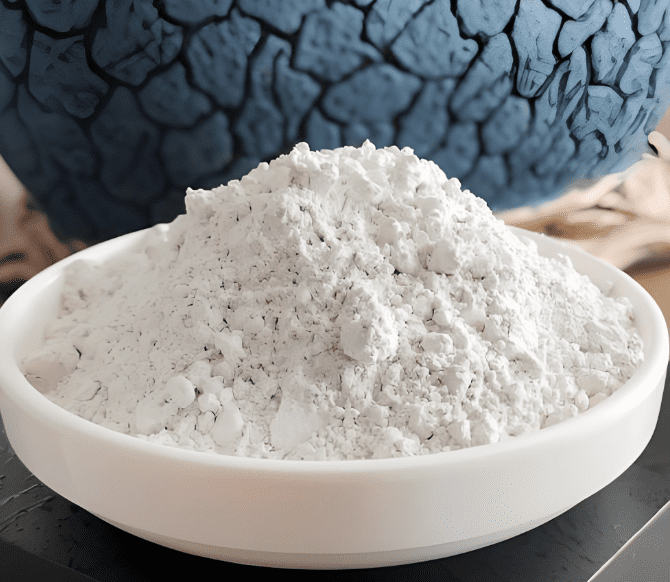
This article aims to pull back the curtain on this critical infant food product. We will embark on a detailed exploration of the entire manufacturing process of infant rice cereal, baby food making machine from the selection of the seed to the sealing of the package. We will delve into the “why” behind each step, examining the scientific principles that ensure safety, enhance nutrition, and guarantee quality. Furthermore, we will address the controversies and challenges surrounding this staple, including the issue of heavy metals, the debate over whole grains versus refined grains, and the role of fortification. This is not just a story of grinding rice; it is a narrative of safety, nutrition, and the immense responsibility of feeding the next generation.
Part 1: The Raw Material – A Foundation of Purity and Safety
The axiom “garbage in, garbage out” is never more pertinent than in the context of infant food. The quality of the final product is irrevocably tied to the quality of the raw materials. Therefore, the process begins long before the rice reaches the factory gates.
1.1. Rice Variety Selection: Not All Rice is Created Equal
While hundreds of rice varieties exist, not all are suitable for infant cereal. Manufacturers typically select varieties based on several key criteria:
- Low Allergenicity: Rice is naturally hypoallergenic, which is the primary reason it is recommended as a first food. This characteristic is paramount.
- Mild Flavor and Aroma: A neutral taste and smell are essential to ensure baby acceptance and to allow for easy mixing with other foods later.
- Processing Yield: Varieties that yield a high amount of fine, white endosperm after milling are preferred for economic and textural reasons.
- Nutritional Profile (Baseline): While most micronutrients are added later via fortification, the baseline levels of protein and carbohydrates are considered.
Long-grain white rice varieties, such as those from the indica subspecies, are often favored over the stickier short-grain japonica varieties because they produce a less gummy texture when reconstituted.
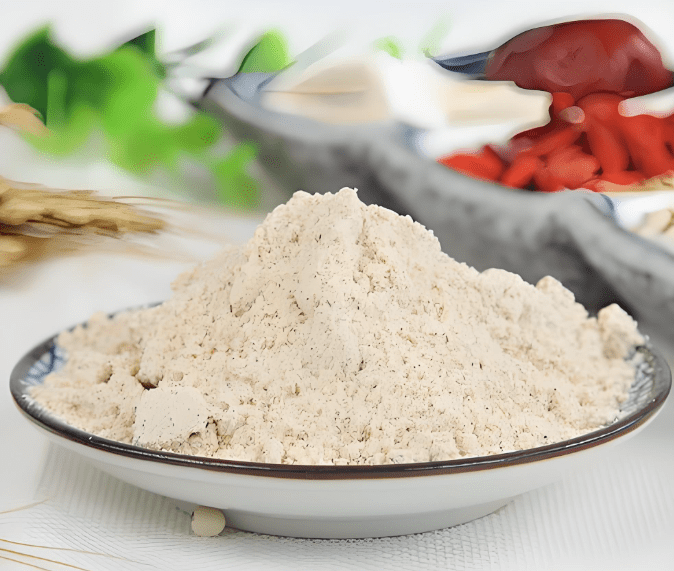
1.2. Sourcing and Agricultural Practices: Tracing the Grain to its Roots
Responsible manufacturers do not simply buy rice from commodity markets. They establish rigorous agricultural programs and work directly with certified growers. baby food making machine This controlled sourcing is the first and most crucial line of defense against contaminants.
- Contract Farming: Companies often contract with farms that agree to follow specific Good Agricultural Practices (GAPs). These protocols dictate everything from seed selection and water management to pesticide use (or non-use) and harvest methods.
- Geographic Considerations: The growing region is critically important. Fields are often selected based on historical data, ensuring they have not been used for industrial purposes or have not been subjected to heavy metal contamination from soil or irrigation water. This is a primary strategy in mitigating the arsenic issue, which we will discuss in detail later.
- Documentation and Traceability: Every batch of rice must be fully traceable back to the specific field and harvest date. This “farm-to-fork” traceability is essential for any potential recall and for continuous quality improvement.
1.3. Incoming Quality Assurance: The Vigilant Gatekeeper
Before a single truckload of rice is accepted into the processing facility, it undergoes a battery of tests. This is where the concept of a Hazard Analysis and Critical Control Point (HACCP) system begins.
- Visual and Physical Inspection: Samples are taken to check for foreign materials like stones, stalks, seeds from other plants, or insect damage.
- Laboratory Analysis: Samples are sent to an on-site or third-party laboratory for a range of analyses:
- Contenido de humedad: High moisture can lead to mold growth and spoilage during storage. It is typically required to be below a strict threshold (e.g., 14%).
- Pruebas microbiológicas: Tests for total plate count, yeast, mold, and specific pathogens like Salmonella and E. coli are conducted. For infant food, the tolerance for these is effectively zero.
- Mycotoxins: These are toxic compounds produced by fungi, such as aflatoxin. Testing is essential as they can survive processing and are harmful to infants.
- Metales pesados: This is a non-negotiable test. Levels of inorganic arsenic, lead, cadmium, and mercury are meticulously measured against the company’s internal standards, which are often stricter than governmental regulations.
Only after the rice has passed all these checks is it allowed to enter the production stream.
Part 2: The Core Processing Line – Transformation and Purification
Once the raw rice is approved, it begins a multi-stage journey of transformation. The goal is to take the whole brown rice grain and isolate the starchy endosperm, baby food making machine which will then be modified for infant digestion.
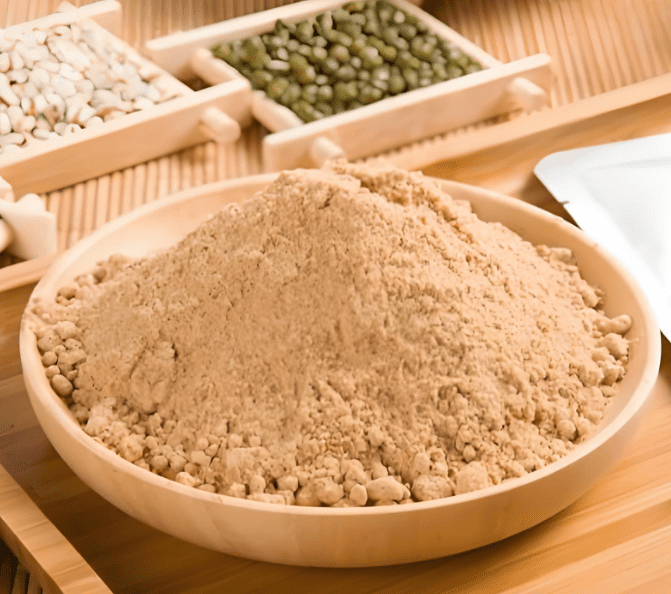
2.1. Pre-Cleaning and Destoning: Removing the Unwanted
The rice first enters a series of cleaning machines.
- Sieves and Screens: Oscillating screens with specific mesh sizes remove larger and smaller impurities like dust, straw, and sand.
- Aspirators: Using controlled air currents, these machines lift off lighter impurities like husk fragments and empty grains.
- Destoners: These clever machines use vibration and air flow to separate rice from stones and other heavy materials of similar size. The vibration causes the denser stones to move to the top of the grain bed, where they are separated out.
2.2. Dehulling/Hulling: Shedding the Outer Shell
The cleaned rice, now known as paddy rice, has a tough, inedible outer hull. This hull is removed in a machine called a huller or sheller, which applies mechanical friction or pressure. The result is brown rice—the whole grain, containing the bran, germ, and endosperm.
2.3. The Great Debate: Whole Grain Brown Rice vs. Refined White Rice
This is a critical juncture with significant nutritional implications. Brown rice is nutritionally superior, containing fiber, vitamins, minerals, and healthy fats located in the bran and germ. However, for infant cereal, there are compelling reasons why it is often not used in its whole form:
- Heavy Metal Accumulation: Unfortunately, arsenic and other heavy metals tend to concentrate in the outer bran layers of the rice grain. Using whole grain brown rice can result in a final product with significantly higher levels of inorganic arsenic compared to cereal made from polished white rice.
- Digestibility and Texture: The high fiber content in brown rice can be harsh on an infant’s immature digestive system, potentially causing gas or discomfort. The resulting cereal also has a grittier texture and a stronger, nuttier flavor that some babies may reject.
- Rancidity: The oils in the rice germ are highly unsaturated and prone to oxidation, leading to rancidity and a shortened shelf life.
Therefore, in a trade-off between nutrition and safety/digestibility, most conventional infant rice cereals are made from polished white rice. The subsequent steps involve removing the bran and germ.
2.4. Polishing/Milling: Creating White Rice
The brown rice passes through milling machines, often abrasive rollers or friction polishers, which scrape away the bran and germ. What remains is the starchy, baby food making machine white endosperm. The removed material, known as rice bran, is a valuable by-product sold for other food or feed applications.
2.5. Grinding: The First Size Reduction
The polished white rice is now too coarse for infant cereal. It undergoes an initial grinding process, often using hammer mills or pin mills, to break it down into a coarse rice flour. This step prepares it for the subsequent, more critical thermal processing.
Part 3: The Heart of the Process – Thermal Treatment and Hydrothermal Modification
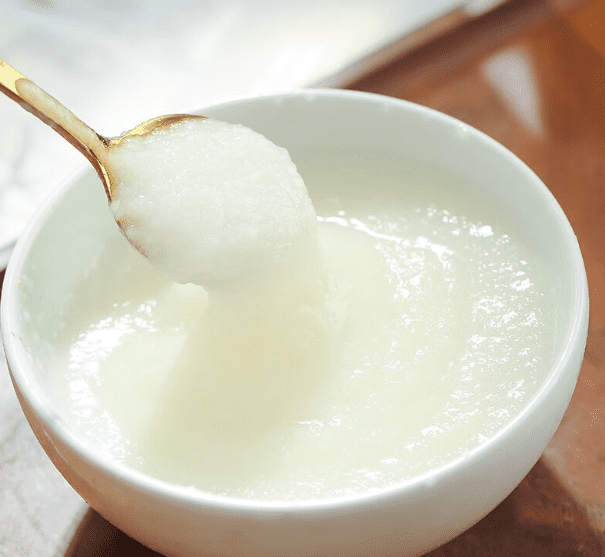
This is the technological core of infant cereal production. Simply grinding raw rice flour and packaging it would result in a product that is indigestible, unpalatable, and unsafe. The starch in raw rice is tightly packed in crystalline structures that are resistant to the digestive enzymes of an infant. Thermal processing is essential to gelatinize this starch.
3.1. The Science of Starch Gelatinization
Starch exists in granules composed of two glucose polymers: amylose and amylopectin. In their native state, these molecules are organized and inaccessible. Gelatinization is the process of breaking down this structure. When starch is heated in the presence of water, it absorbs the water, swells, and loses its crystallinity. The granules burst, releasing the amylose and amylopectin molecules into a gel. This process:
- Dramatically improves digestibility. The gelatinized starch is easily broken down by amylase enzymes in the baby’s saliva and pancreas into simple sugars like maltose and glucose, providing ready energy.
- Creates the desired smooth, semi-liquid texture.
- Imparts a pleasant, slightly sweet flavor as the starch chains begin to break down.
- Reduces microbial load through the application of heat.
There are two primary industrial methods to achieve this: the traditional “pre-cooked” or “hot-air” method and the more modern “hydrothermal” or “instant” method.
3.2. The “Pre-cooked” or Drum-Drying Method
This is one of the oldest and most straightforward methods.
- Slurry Preparation: The coarse rice flour is mixed with water to create a thin slurry or paste. At this stage, any added vitamins and minerals for fortification can be blended in.
- Cooking: The slurry is pumped through a heat exchanger or into a cooking extruder where it is heated under pressure to temperatures above the gelatinization point (typically 80-120°C or 176-248°F). This fully cooks and gelatinizes the starch.
- Drum Drying: The cooked slurry is then applied onto the surface of one or two large, steam-heated, rotating metal drums. As the drums turn, a thin film of the slurry adheres to the hot surface.
- Drying and Flaking: The intense heat from the drums instantly flashes off the moisture, drying the slurry into a thin sheet. This sheet is then scraped off the drum by a stationary blade, breaking it into irregular flakes.
- Rectificado: The dried flakes are then milled again into a very fine powder.
The final product is a “pre-cooked” cereal that simply requires mixing with a liquid to reconstitute. The downside of this method is that the high, direct heat can sometimes create a slightly “cooked” or toasted flavor and can lead to some loss of heat-sensitive vitamins.
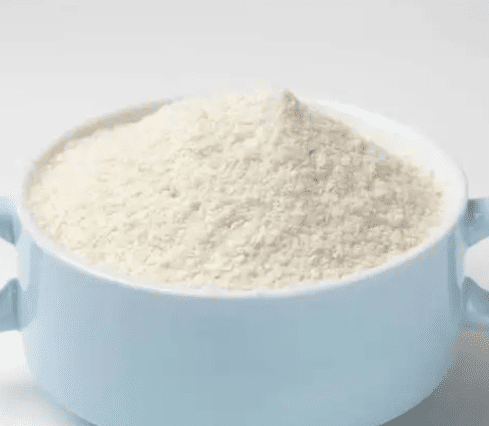
3.3. The “Hydrothermal” or “Instant” Method (Gelatinization via Extrusion)
This is a more advanced and widely used technique that offers greater control.
- Acondicionamiento: The coarse rice flour is first preconditioned with a precise amount of steam and water in a mixing chamber. This hydrates the starch granules without fully cooking them.
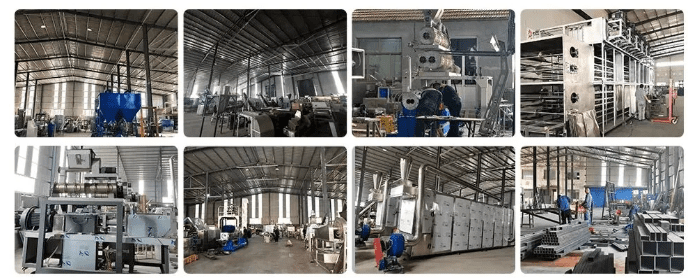
- Extrusion Cooking: The conditioned flour is then fed into an extruder. An extruder is a barrel with a rotating screw inside. baby food making machine The screw conveys the material forward under high pressure and shear. The combination of mechanical shear from the screw, pressure, and additional injected steam rapidly heats the flour to gelatinization temperatures.
- The Die and Expansion: The cooked, plasticized dough is forced through a small opening at the end of the barrel called a die. As the material exits the die into ambient pressure, the superheated water instantly flashes into steam, causing the product to expand dramatically. This creates a puffed, porous structure.
- Drying and Milling: The puffed rice strands or pellets are then dried in a hot-air dryer to a very low moisture content and subsequently milled into a fine powder.
Advantages of Extrusion:
- Superior Functionality: The product has a lower density and a more porous structure, leading to instant solubility with no lumps—a highly desirable “instant” property.
- Nutrient Retention: The process, while high-temperature, is very short-time (HTST), which can better preserve heat-labile nutrients compared to prolonged drum drying.
- Versatility: Extruders can easily be used to produce a variety of shapes and textures for other baby food products.
3.4. Enzymatic Hydrolysis: A Step Further for Digestibility
Some manufacturers take digestibility a step further by using enzymatic hydrolysis. After the starch is gelatinized, specific enzymes (amylases) are added to partially break down the long starch chains into shorter chains and sugars like maltodextrin and glucose. This process:
- Creates an even smoother texture.
- Can reduce potential allergenicity further.
- Provides a slightly sweeter taste without adding sugar, which can be appealing to babies.
- Is carefully controlled to avoid making the product overly sweet or syrupy.
Part 4: Fortification – The Nutritional Balancing Act
A jar of pure, polished white rice endosperm would be a very poor source of nutrition, consisting almost entirely of carbohydrates. This is where fortification becomes not just an enhancement, but a necessity.
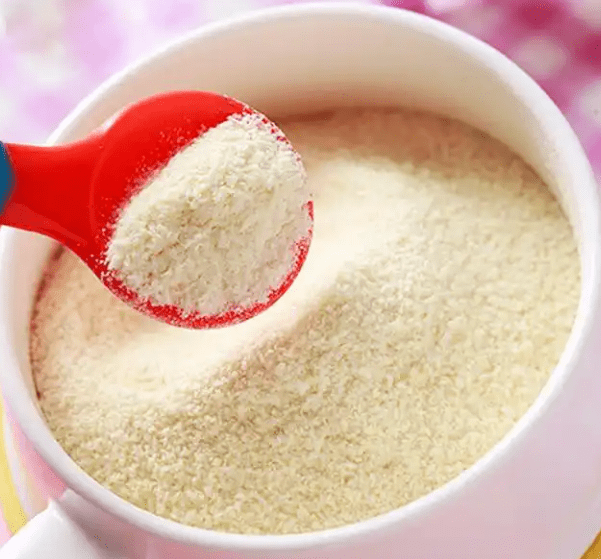
4.1. The “Why” of Fortification
Infants around 6 months of age begin to require external sources of key nutrients that breast milk or formula alone may not provide in sufficient quantities. The two most critical are:
- Iron: Iron stores a baby is born with are depleted by around 6 months. Iron is crucial for brain development and preventing iron-deficiency anemia. Infant rice cereal is the primary vehicle for iron fortification in many countries.
- Zinc: Essential for immune function and growth.
Additionally, B-vitamins like Thiamine (B1), Riboflavin (B2), and Niacin (B3), which are stripped away during the polishing of brown rice, are added back.
4.2. The Fortification Blend
Nutrients are not added individually but as a custom-made “premix” – a uniform blend of vitamins and minerals diluted in a carrier like rice maltodextrin to ensure even distribution. The selection and levels of these nutrients are strictly regulated by bodies like the U.S. Food and Drug Administration (FDA) or the European Food Safety Authority (EFSA).
A typical fortification premix for infant rice cereal includes:
- Iron: Usually in the form of electrolytic iron, ferrous fumarate, or ferrous sulfate. The bioavailability (how well the body can absorb it) varies between forms.
- Zinc: As zinc sulfate or zinc oxide.
- Calcium: As calcium carbonate.
- Vitamins: B1 (Thiamine Mononitrate), B2 (Riboflavin), B3 (Niacinamide), B6 (Pyridoxine Hydrochloride), and sometimes Vitamin C (Ascorbic Acid), which can also help with iron absorption.
- Folic Acid: Crucial for cell growth and development.
4.3. The Fortification Process
The premix must be added with extreme precision and uniformity. This is typically done at the slurry stage in drum drying or just before the conditioner in extrusion. High-shear mixers are used to ensure the micronutrients are homogeneously distributed throughout the rice mass. Even a slight inconsistency could mean one spoonful has no iron while another has a double dose.
Part 5: Quality Control and Packaging – The Final Guardians
After processing and fortification, the product is nearly complete, but it must pass through its most rigorous checks yet.
5.1. Final Product Testing
Samples of the finished cereal powder are taken for a final battery of tests:
- Análisis nutricional: To verify that the declared levels of vitamins and minerals are present within the specified ranges.
- Pruebas microbiológicas: A final check for pathogens and spoilage organisms to ensure the product is commercially sterile.
- Physical Tests: Analysis of particle size, moisture content, and water activity (a_w). A low water activity (below 0.6) is critical to prevent microbial growth and ensure shelf stability.
- Evaluación sensorial: Trained panels may assess the product for color, aroma, and flavor to ensure it meets quality standards.
5.2. Packaging: The Last Line of Defense
Infant cereal is highly hygroscopic (water-attracting) and the fortified nutrients, especially iron, are susceptible to oxidation. Packaging is therefore a critical barrier.
- The Canister: The most common package is a multi-layer composite canister. It typically consists of:
- An outer layer of paperboard for rigidity and printing.
- A middle layer of foil, which acts as a complete barrier to moisture, oxygen, and light.
- An inner food-grade plastic liner, often polyethylene.
- The Filling Process: The filling room is a highly controlled environment, often with low humidity. The powder is filled into canisters using automated filling machines that measure the weight with extreme accuracy.
- Modified Atmosphere Packaging (MAP): To further protect the product, some manufacturers flush the canister with an inert gas like nitrogen just before sealing. This displaces the oxygen-rich air, drastically slowing down oxidation and preserving the product’s freshness and nutritional value.
- Sellado: The lid, which also has a foil seal, is applied. The integrity of this seal is paramount. Many packages include a “freshness” button that pops when first opened, indicating the vacuum or positive pressure from nitrogen flushing was intact.
Part 6: The Elephant in the Room – Heavy Metals in Infant Rice Cereal
No discussion of infant rice cereal is complete without addressing the well-documented issue of heavy metals, particularly inorganic arsenic.
6.1. The Source of the Contamination
Arsenic is a naturally occurring element in the Earth’s crust. It finds its way into rice through a unique combination of factors:
- Soil and Water: Rice is often grown in paddies flooded with water. If the irrigation water or the soil itself contains arsenic (from natural deposits or historical pesticide use), the rice plant is particularly efficient at absorbing it through its roots. The flooded conditions mobilize arsenic, making it more available for uptake.
- Plant Physiology: Rice plants have silicon transporters in their roots that, due to chemical similarity, also unintentionally take up arsenic.
6.2. Industry and Regulatory Response
The discovery of arsenic in rice cereal sparked consumer alarm and regulatory action. The industry has responded with multi-pronged strategies:
- Sourcing from Low-Arsenic Regions: Shifting sourcing to regions known to have lower natural arsenic levels in soil and water, such as certain parts of California, rather than the traditional rice-growing states in the south-central U.S.
- Agricultural Mitigation: Working with farmers to implement alternative wetting and drying irrigation techniques, which can reduce arsenic uptake without sacrificing yield.
- Selective Breeding: Investing in research to develop rice varieties that are less efficient at accumulating arsenic.
- Processing Adjustments: As mentioned, using polished white rice over brown rice significantly reduces the arsenic content.
- Testing and Stricter Standards: Implementing even more rigorous internal testing standards. In 2020, the FDA issued a final guidance establishing an action level of 100 parts per billion (ppb) for inorganic arsenic in infant rice cereal, a level that most major manufacturers already meet or exceed.
6.3. The Parent’s Perspective
While the industry works on the problem, parents are rightfully concerned. Experts and pediatricians advise:
- Feed a Variety of Grains: Do not rely solely on rice cereal. Offer a variety of iron-fortified infant cereals made from oats, barley, quinoa, or multigrain blends.
- It’s About Relative Risk: The known risks of iron-deficiency anemia in infants are significant and well-established. The potential long-term risk from the low levels of arsenic in cereal is a theoretical population-level risk. The benefits of an iron-fortified first food currently outweigh the potential downsides for most infants.
- Trust in Regulation: The regulatory environment is now intensely focused on this issue, leading to safer products today than a decade ago.
Conclusion: A Product of Profound Responsibility
The journey of infant rice cereal from paddy to spoon is a testament to the sophistication of modern food technology. It is far from a simple product. It is the result of a meticulously controlled, multi-stage process designed to transform a raw agricultural commodity into a safe, baby food making machine digestible, and nutrient-fortified food that meets the exacting needs of an infant.
Every step—from selective sourcing and rigorous testing to hydrothermal processing, precise fortification, and hermetic packaging—is governed by a single, overriding principle: the absolute safety and well-being of the child. While challenges like heavy metal contamination highlight the complex interplay between our food system and the environment, they also demonstrate the industry’s and regulators’ capacity to respond with science, innovation, and heightened vigilance.
The next time a parent spoon-feeds this seemingly simple cereal to their baby, they can be assured that they are offering a product that has been shaped by decades of nutritional science and food engineering, all dedicated to supporting a healthy start to life. The story of infant rice cereal is a powerful reminder that in the world of food production, simplicity for the consumer is often achieved through profound complexity behind the scenes.