
Introducción
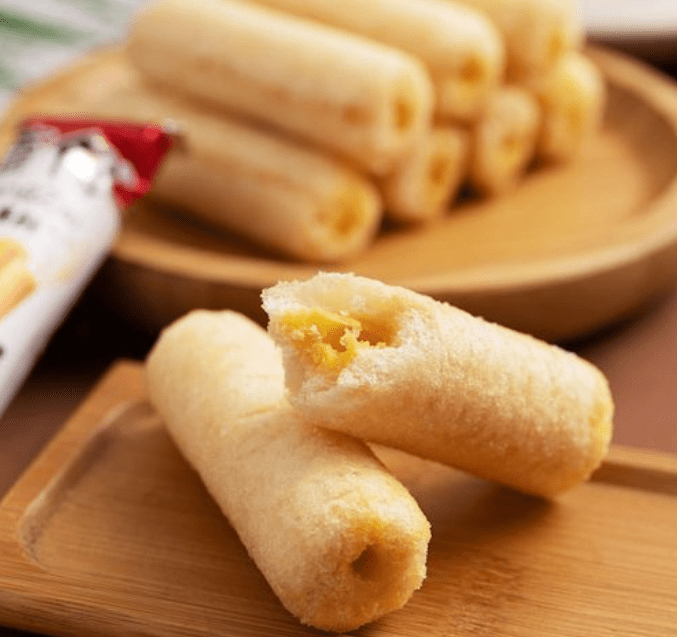
“Sandwich” rice puffs, popular for their crispy texture and sweet or savory fillings, are presented as light snacks. However, the industrial manufacturing process involves several concerning practices often undisclosed to consumers.
The Core Processing Steps
1. Raw Material Selection & Preparation
- Rice Quality: Manufacturers typically use broken rice fragments or lower-grade rice, often treated with moisture regulators and anti-caking agents.
- Filling Components: Cream centers frequently contain:
- Highly processed vegetable oils (often palm oil derivatives)
- High-fructose corn syrup or refined sugars as primary ingredients
- Artificial flavor enhancers (MSG variants, diacetyl, etc.)
- Synthetic colors and preservatives (TBHQ, BHA/BHT)
2. Extrusion & Shaping Process
- High-Temperature Extrusion: Rice flour undergoes extreme thermal-mechanical treatment at 150-180°C, causing:
- Natural nutrient degradation
- Formation of advanced glycation end-products (AGEs)
- Possible acrylamide formation in starchy components
- Shape Formation: Puffs are molded using ammonium bicarbonate as a leavening agent, which decomposes to ammonia and carbon dioxide.
3. Filling Injection & Composition
- Automated Injection Systems: Machines inject fillings at high pressure, achieving up to 40% filling by weight.
- Filling Formulation Secrets:
- Air is intentionally whipped into fillings (30-50% aeration) to increase volume without adding ingredients
- Emulsifiers (mono- and diglycerides, polysorbate 80) prevent separation
- Anti-melting agents maintain shape during packaging and transport
4. Coating & Flavor Application
- Double-Coating Technique:
- Primary layer: Sugar syrup or oil-based adhesive
- Secondary layer: Flavor powder containing salt, flavor enhancers, and anti-sticking agents
- Flavor Engineering: “Natural flavors” often refer to chemically extracted compounds rather than whole food ingredients.
5. Drying & Stabilization
- Rapid Dehydration: Products undergo quick drying at 80-100°C, potentially creating surface cracks later sealed with edible waxes or oils.
- Control de la humedad: Desiccants in packaging maintain crispness but accelerate staling if packages are opened and resealed.
Hidden Manufacturing Realities
Ingredient Obfuscation
- “Rice” content may be as low as 35-40%, with the remainder comprising fillers (tapioca starch, wheat flour)
- “Cheese” or “chocolate” fillings often contain less than 5% actual cheese or cocoa solids
- “Fruit” flavors typically contain 0% fruit, using ester compounds instead
Quality Compromises
- Texture Preservation: Some manufacturers use small amounts of glycerin or propylene glycol to maintain moisture balance
- Shelf Life Extension: Antioxidants like tertiary butylhydroquinone (TBHQ) preserve fats but may cause sensitivity reactions
- Cost-Reduction Measures: Rejected batches are often ground and incorporated into new production runs at 5-10% inclusion rates
Nutritional Deception
- Serving Size Manipulation: Packages list unrealistic serving sizes (often 3-4 pieces) to underreport calorie and sugar content
- “Whole Grain” Claims: May refer to rice that was whole before extensive processing destroyed fiber structure
- Vitamin Fortification: Synthetic vitamins added post-processing have lower bioavailability than naturally occurring nutrients
Environmental & Ethical Considerations
Resource Intensity
- Water usage: Approximately 3-4 liters per kilogram of final product
- Energy consumption: High-temperature processes require significant fossil fuel or electricity input
- Packaging waste: Multi-layer plastic packaging is rarely recyclable
Labor Practices
- Automation has reduced direct labor, but remaining positions often involve:
- Repetitive motion risks in manual quality inspection lines
- Exposure to fine particulate matter (rice dust, flavor powders)
- High-temperature working environments near drying ovens
Health Implications
Metabolic Impact
- Rapidly digestible carbohydrates cause sharp blood sugar spikes
- High glycemic index (typically 70-85) unsuitable for diabetic individuals
- Trans fats may still be present in some international formulations despite restrictions
Addictive Formulation
- Deliberate “bliss point” engineering maximizes craveability
- Contrasting textures (crispy exterior, creamy interior) enhance consumption drive
- Flavor layering encourages overconsumption beyond satiety signals
Regulatory Gaps & Industry Practices
Labeling Limitations
- “Natural” claims are largely unregulated in many markets
- Processing aids (enzymes, solvents) need not be declared on final labels
- Country of origin may differ from country of processing
Quality Variations
- Significant differences exist between premium and economy lines, though marketing emphasizes similarity
- Export products sometimes contain different formulations than domestic versions
- Batch consistency varies, with rejected material often redirected to lower-priced markets
Conclusion: The Reality Behind the Snack
While sandwich rice puffs offer convenience and sensory appeal, their manufacturing involves:

- Extensive processing that transforms simple ingredients into highly refined products
- Strategic formulation prioritizing shelf life and cost over nutritional value
- Marketing narratives that emphasize positive attributes while minimizing processing realities
- Environmental costs disproportionate to nutritional benefits
Informed consumers should recognize these products as occasional treats rather than dietary staples, understanding that their appeal results more from food engineering than traditional culinary craftsmanship. The industry’s challenge remains balancing commercial viability with genuine transparency about how these popular snacks are actually made.