
Dog food comes in a wide variety of shapes, from simple round kibbles to stars, bones, hearts, and complex geometric forms. The shape of dog food is not just for appearance—it also affects palatability, chewing behavior, drying efficiency, and packaging. This article explains the main methods and key factors involved in producing dog food in different shapes.
1. The Role of the Extrusion Die
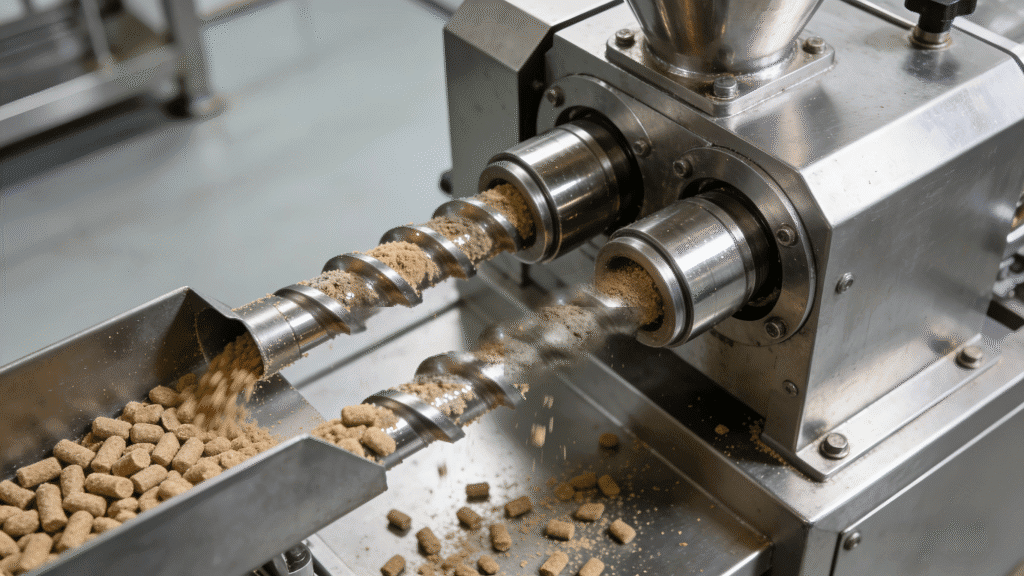
In extruded (puffed) dog food production, the shape of the final product is primarily determined by the morir—the metal plate at the end of the extruder through which the dough is forced. The die contains one or more openings, and the shape of these openings dictates the cross-sectional profile of the kibble.
Common die designs include:
- Round or circular holes – produce classic round kibbles.
- Bone-shaped holes – create the popular bone-shaped kibble.
- Star-shaped holes – produce star-shaped pieces.
- Heart, fish, cross, ring, and triangle shapes – achieved with specially machined dies.
- Custom logos or letters – possible with precision-made dies for branded products.
The die must be made from durable, food-grade stainless steel to withstand high pressure, temperature, and abrasion.
2. Extrusion and Cutting
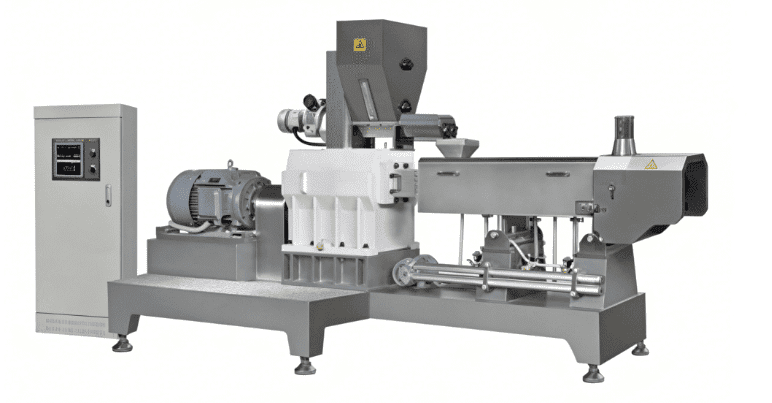
Once the dough is forced through the die, a rotary knife positioned at the die face cuts the extrudate into individual pieces. The knife speed, blade configuration, and cutting angle influence the length and edge quality of the kibble. By adjusting these parameters, manufacturers can produce:
- Short, round pieces – by fast cutting.
- Longer, cylindrical pieces – by slower cutting.
- Irregular or textured shapes – by using special blade designs.
After cutting, the sudden release of pressure causes the kibble to expand, which can slightly round off sharp edges and affect the final appearance.
3. Molding and Shaping Methods
Besides extrusion, other methods can create different shapes:
- Moldeado: Soft or semi-moist dog food can be pressed into molds to form specific shapes, such as hearts, bones, or stars. This method is common for treats and premium products.
- Pressing and tableting: Some dry foods and treats are formed by compression in tablet presses, similar to pharmaceutical tablets.
- Casting and baking: Baked dog biscuits are often shaped by cutting dough with shaped cutters or by depositing dough onto baking trays in specific patterns.
- 3D printing: Emerging technology allows customized shapes and even personalized nutrition, though it is not yet widely used in mass production.
4. Factors Affecting Shape Quality
Producing consistent, well-formed shapes requires control of several variables:
- Dough moisture and composition: The ratio of starch, protein, fat, and water affects how well the dough holds its shape.
- Extrusion temperature and pressure: These influence expansion and the sharpness of the shape.
- Die design and wear: Worn or poorly designed dies lead to deformed or inconsistent pieces.
- Knife speed and sharpness: Dull blades cause ragged edges or irregular lengths.
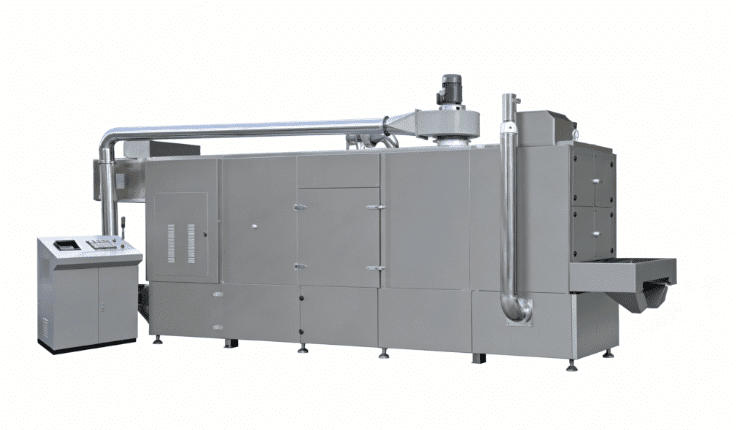
- Drying conditions: Improper drying can cause warping, cracking, or shrinkage that distorts the shape.
5. Shape and Function
Different shapes serve different purposes:
- Bone and star shapes appeal to pet owners and suggest fun or reward.
- Round kibbles are easy to chew and suitable for all dog sizes.
- Large, complex shapes slow down fast eaters and promote dental health.
- Small, dense shapes are ideal for training treats.
- Textured or ridged shapes can help clean teeth and massage gums.
6. Quality Control
To ensure consistent shapes, manufacturers use:
- Visual inspection systems and cameras to detect misshapen pieces.
- Sieve and sorting equipment to separate different sizes.
- Regular die and knife maintenance to maintain precision.
- Standardized recipes and process parameters to reduce variation.
In Summary
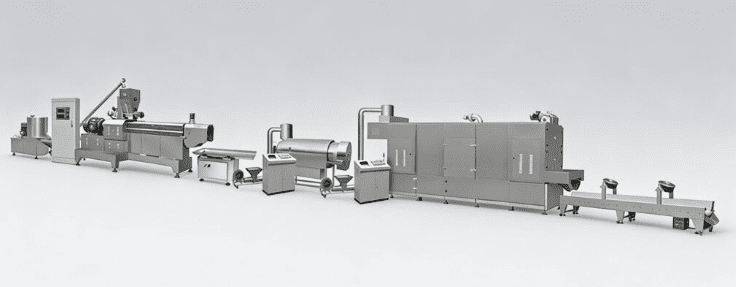
Making dog food in different shapes is mainly achieved through die design in extrusion, combined with precise cutting, molding, or pressing methods. By selecting the right die, adjusting process parameters, and controlling dough properties and drying conditions, manufacturers can produce a wide range of shapes—from simple rounds and bones to stars, hearts, and custom designs. Shape is not only a marketing feature but also influences chewing, drying, and the overall quality of the final product.