
1. Introduction
Fish feed is an essential component of modern aquaculture. As global demand for fish and seafood continues to grow, high-quality commercial fish feed plays an increasingly important role in improving fish growth, feed conversion ratios, disease resistance, and overall farming profitability.
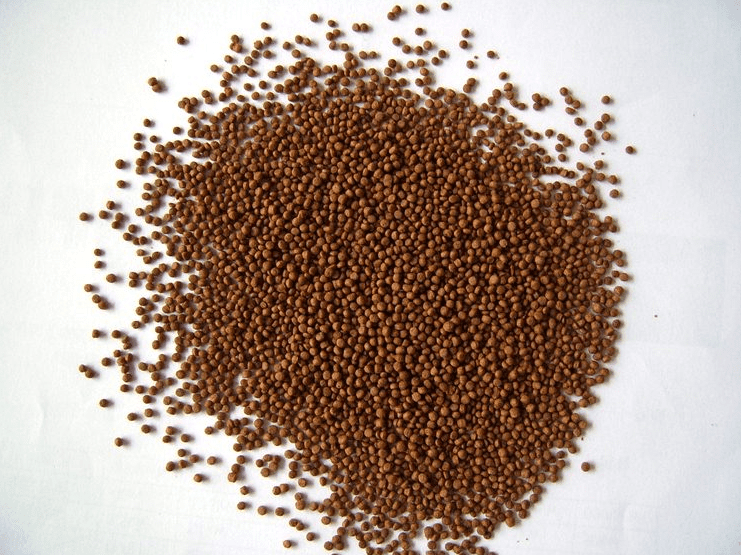
Fish feed processing involves a series of steps, including raw material selection, grinding, mixing, extrusion or pelleting, drying, cooling, coating, and packaging. Each stage affects the nutritional value, physical quality, water stability, and digestibility of the final product.
Depending on the fish species, farming environment, and feeding habits, manufacturers can produce floating fish feed, slow-sinking feed, or sinking fish feed. Understanding the complete processing workflow is essential for establishing an efficient fish feed production line.
2. Raw Material Selection and Preparation
The first step in fish feed production is selecting suitable raw materials. The quality and nutritional composition of these ingredients directly influence the performance of the finished feed.
Common raw materials include:
- Fishmeal: A high-quality protein source containing essential amino acids.
- Soybean meal: A widely used plant-based protein ingredient.
- Corn and wheat: Provide energy and help improve processing characteristics.
- Wheat flour: Acts as a binder and contributes to pellet structure.
- Fish oil and vegetable oils: Supply energy and essential fatty acids.
- Vitamins and minerals: Support fish growth, immunity, and normal physiological functions.
- Other protein ingredients: Depending on the formulation, manufacturers may use poultry by-product meal, insect meal, or other approved protein sources.
The formulation should be designed according to the nutritional requirements of the target fish species and its growth stage.
Before processing, raw materials should be inspected for moisture content, freshness, nutritional composition, contamination, and storage conditions. Materials containing excessive moisture, mold, rancidity, or other contaminants should not be used.
3. Raw Material Grinding
Grinding is an important step that reduces raw materials to a suitable particle size for mixing and extrusion or pelleting.
Large particles can cause uneven mixing, poor pellet formation, and inconsistent feed quality. Fine grinding helps improve ingredient uniformity, starch gelatinization, and the physical strength of the finished pellets.
Common equipment includes hammer mills and fine grinders.
The required particle size depends on the fish species, feed pellet diameter, and processing technology. Smaller fish generally require finer feed particles and smaller pellets, while larger fish can consume larger pellets.
During grinding, manufacturers should pay attention to screen selection, equipment wear, dust control, and material temperature. Excessive grinding heat can affect sensitive nutrients and increase energy consumption.
4. Ingredient Batching and Mixing
After grinding, the raw materials are weighed according to the feed formulation and transferred to a mixing machine.
Accurate batching is essential because an incorrect ingredient ratio can reduce nutritional value and increase production costs. Micro-ingredients, such as vitamins, minerals, and certain additives, should be measured carefully and distributed evenly throughout the mixture.
A typical mixing process includes:
- Weighing the major ingredients.
- Preparing and accurately measuring micro-ingredients.
- Loading the ingredients into the mixer in the appropriate sequence.
- Mixing until a uniform distribution is achieved.
- Checking the consistency of the mixed material.
The mixing time should be determined through equipment testing and uniformity analysis rather than relying on a fixed duration for every formulation.
A uniform mixture helps ensure that each pellet contains the intended proportion of protein, energy, vitamins, minerals, and other nutrients.
5. Conditioning and Moisture Adjustment
Before extrusion or pelleting, the mixed ingredients may undergo conditioning.
During conditioning, water and steam are added to adjust moisture content and temperature. This process helps soften the material, improve starch gelatinization, and prepare the mixture for forming.
Proper conditioning can improve pellet strength, processing efficiency, and nutrient digestibility. However, the ideal conditions depend on the formulation, equipment configuration, and desired feed characteristics.
For floating fish feed, conditioning is particularly important because starch gelatinization and subsequent expansion contribute to the feed’s buoyancy.
Manufacturers must control moisture, temperature, residence time, and steam distribution. Excessive moisture or insufficient conditioning can lead to unstable extrusion, poor pellet formation, or increased drying requirements.
6. Extrusion or Pelletizing
The forming stage is one of the most important steps in fish feed production. Manufacturers generally choose between extrusion and conventional pelletizing, depending on the product requirements.
6.1 Extrusion Processing
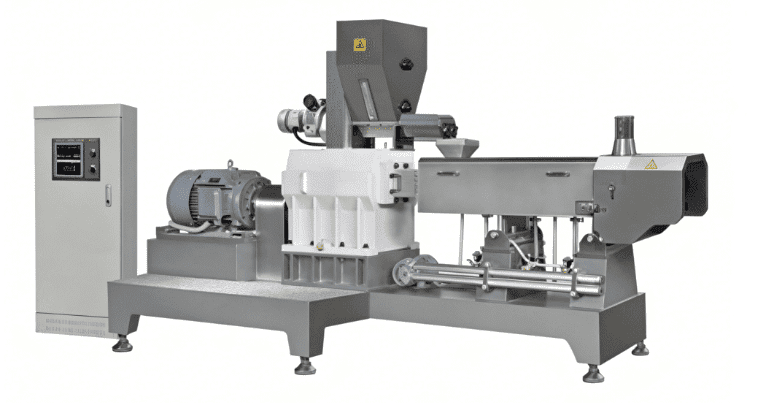
Extrusion is widely used to produce floating fish feed and many types of slow-sinking or sinking aquafeed.
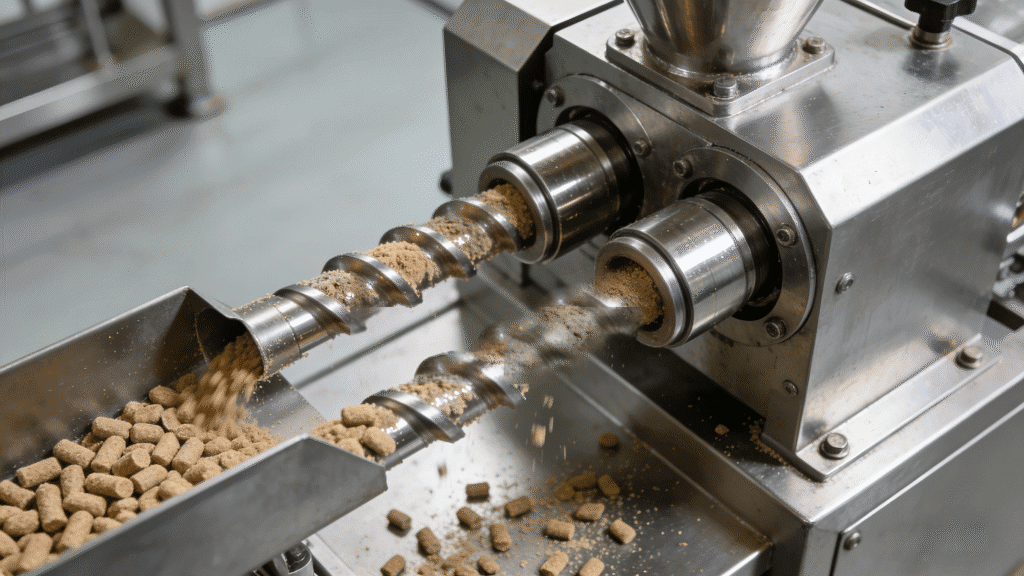
The conditioned mixture enters an extruder, where screws convey, compress, mix, and heat the material under controlled conditions. Pressure, temperature, moisture, and mechanical energy help transform the ingredients into a uniform mass.
When the material exits through the die, the pressure drops rapidly. Part of the water vaporizes, and the material may expand to form porous pellets.
The expansion level depends on the formulation, starch content, moisture, screw configuration, die design, and operating conditions.
Extrusion offers several advantages:
- Production of floating, slow-sinking, or sinking feed.
- Good control over pellet size and shape.
- Improved starch gelatinization.
- Potential improvement in the digestibility of certain ingredients.
- Flexibility in developing different feed formulations.
The finished pellets are cut to the required length by a cutting mechanism installed near the die.
6.2 Conventional Pelletizing
Conventional pelletizing is another method used to produce sinking fish feed.
In this process, conditioned material is forced through die openings by rollers. The compressed material forms cylindrical pellets, which are then cut to the desired length.
Compared with extrusion, conventional pelletizing generally produces denser pellets with less expansion. It can be suitable for certain sinking-feed applications and production systems where high expansion is unnecessary.
However, conventional pelletizing and extrusion are not interchangeable in every application. The appropriate technology depends on the target species, feed performance requirements, formulation, and investment budget.
7. Drying
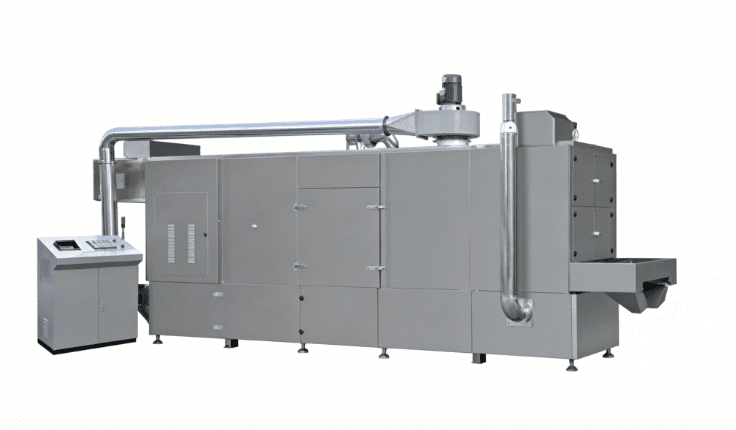
Freshly extruded fish feed usually contains more moisture than is suitable for long-term storage. Drying is therefore necessary to reduce moisture to an appropriate level and improve product stability.
A fish feed dryer typically uses controlled hot air to remove moisture from the pellets. Depending on production capacity and plant design, manufacturers may use single-layer, multi-layer, or other continuous drying systems.
The drying process should be controlled according to pellet size, initial moisture, airflow, temperature, and residence time.
Overdrying may increase energy consumption and cause excessive brittleness. Insufficient drying can leave the pellets vulnerable to mold growth, deterioration, and reduced shelf life.
Many commercial feeds are dried to approximately 8–12% moisture, although the appropriate target depends on the formulation, packaging system, storage environment, and applicable quality requirements.
Moisture should be measured regularly, and the dryer should be adjusted to maintain consistent results throughout the production run.
8. Cooling
After drying, the feed pellets are still warm and should be cooled before coating and packaging.
A counterflow cooler or another suitable cooling system can gradually reduce pellet temperature using ambient air.
Proper cooling helps prevent condensation inside packaging, reduces the risk of moisture accumulation, and improves handling stability.
Packaging feed while it is still too hot may cause condensation, particularly when the surrounding environment is humid. This can encourage mold growth and reduce product quality.
Manufacturers should ensure that the pellets are cooled sufficiently and that the cooling system does not introduce excessive moisture or contaminants.
9. Oil Coating and Nutrient Addition
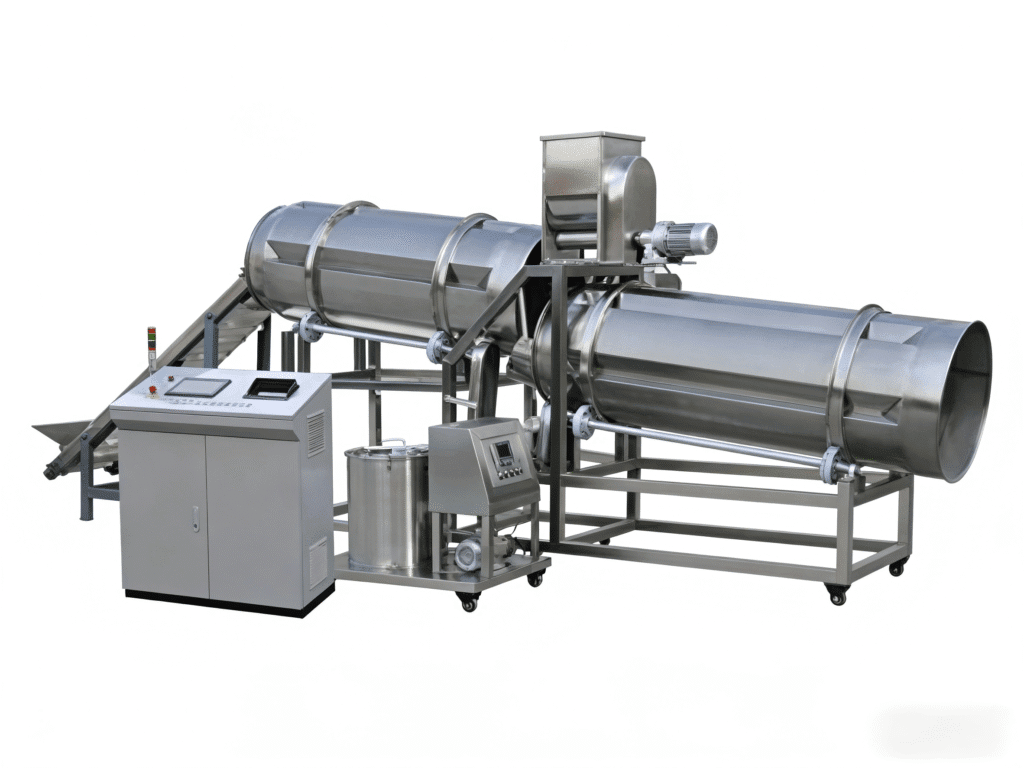
After cooling, the pellets may enter a coating system where fish oil, vegetable oil, or other suitable liquid ingredients are applied.
Oil coating increases the energy density of the feed and can improve palatability. It also provides an opportunity to incorporate certain heat-sensitive nutrients that should not be exposed to the high temperatures of extrusion.
A vacuum coating system can help liquid ingredients penetrate porous pellets more effectively. Alternatively, manufacturers may use spray coating equipment, depending on the feed type and production requirements.
The coating process should provide uniform coverage while avoiding excessive oil application, which may cause surface stickiness, oil leakage, or packaging problems.
Heat-sensitive additives should be selected and applied according to their stability, dosage requirements, and compatibility with the feed formulation.
10. Screening and Quality Inspection
Before packaging, the finished feed should pass through screening equipment to remove excessive fines, broken pellets, and unwanted particles.
Screening improves product appearance and helps ensure that customers receive feed with consistent pellet dimensions.
Quality inspection should cover several important parameters:
- Moisture content: Helps assess storage stability.
- Pellet size and uniformity: Ensures suitability for the target fish.
- Bulk density: Useful for monitoring consistency and, in relevant products, buoyancy-related performance.
- Water stability: Measures how well pellets retain their structure in water.
- Floatability or sinking behavior: Confirms that the feed performs as intended.
- Nutritional composition: Verifies protein, fat, fiber, ash, and other relevant values.
- Durability and fines: Indicates resistance to breakage during handling.
- Microbiological and contaminant safety: Helps verify compliance with applicable feed regulations.
Quality testing should be performed using suitable sampling methods and validated procedures.
For floating feed, manufacturers should also evaluate expansion, floating time, and the amount of material lost during immersion. For sinking feed, sinking speed and water stability may be more relevant.
11. Packaging and Storage
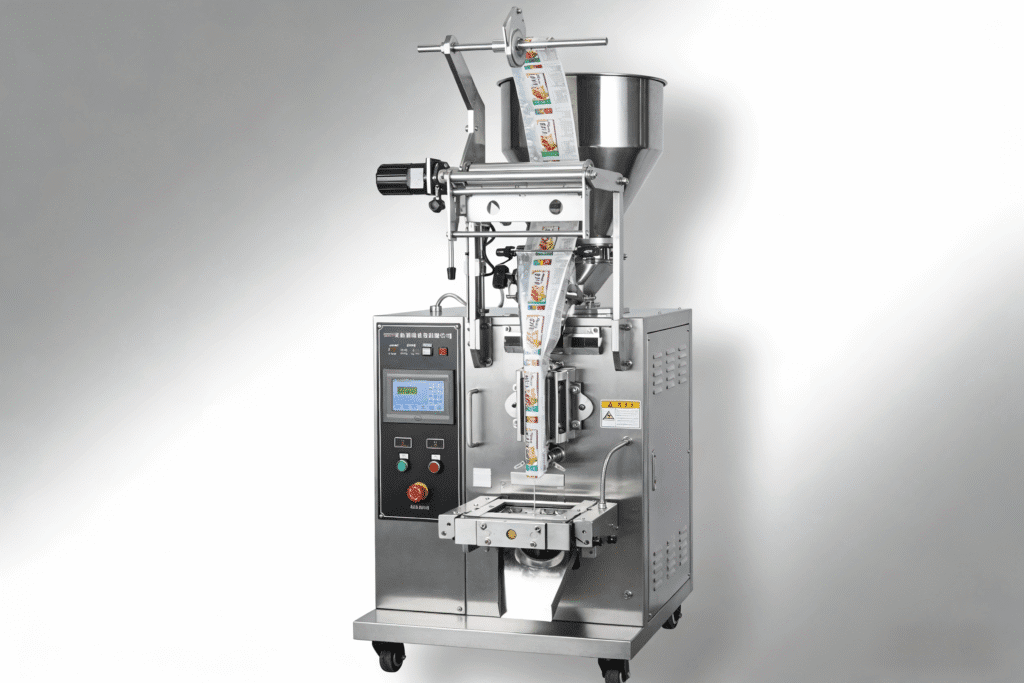
After quality inspection, the finished fish feed is weighed and packed using an appropriate packaging system.
Common packaging options include woven polypropylene bags with suitable liners, moisture-resistant bags, and bulk packaging for large commercial fish farms.
Packaging should protect the feed from moisture, oxygen exposure, contamination, and physical damage. Products containing oils or sensitive nutrients may require additional protection to maintain quality during storage.
The packaging process generally includes:
- Accurate weighing.
- Filling the packaging bags.
- Sealing or stitching.
- Printing batch numbers and production information.
- Inspecting package integrity.
- Stacking and transferring products to the warehouse.
Finished products should be stored in a cool, dry, clean, and well-ventilated area. Bags should be kept off the floor and away from walls where moisture may accumulate.
A first-in, first-out inventory system helps reduce the risk of storing feed beyond its recommended shelf life.
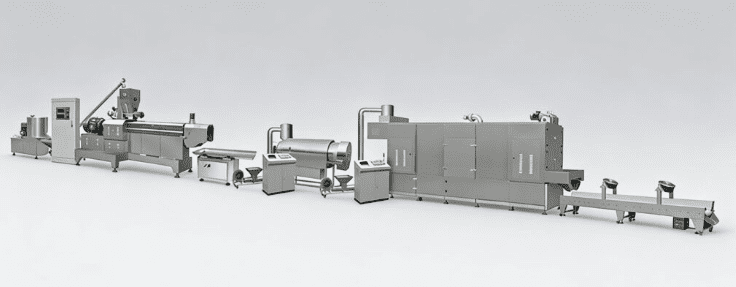
12. Complete Fish Feed Production Process
A typical extrusion-based fish feed production line follows this workflow:
Raw Material Receiving → Cleaning and Screening → Grinding → Batching and Mixing → Conditioning → Extrusion → Cutting → Drying → Cooling → Oil Coating → Screening → Packaging → Finished Product Storage
For conventional sinking feed, the extrusion stage may be replaced by pelletizing, with conditioning and subsequent drying and cooling adjusted to the selected process.
The exact configuration depends on production capacity, raw materials, feed specifications, and the required level of automation.
13. Main Equipment Required for a Fish Feed Production Line
A commercial fish feed processing plant may include the following equipment:
| Equipment | Main Function |
|---|---|
| Raw material cleaning system | Removes foreign materials and impurities |
| Hammer mill or fine grinder | Reduces ingredient particle size |
| Batching system | Measures ingredients accurately |
| Feed mixer | Distributes ingredients uniformly |
| Conditioner | Adjusts moisture and temperature |
| Fish feed extruder | Produces expanded floating or other extruded feed |
| Pellet mill | Produces conventional compressed pellets |
| Pellet cutter | Controls pellet length |
| Fish feed dryer | Reduces moisture content |
| Cooler | Reduces pellet temperature |
| Oil coating machine | Applies oil and suitable liquid additives |
| Vibrating screen | Removes fines and broken pellets |
| Automatic packaging machine | Weighs and packs finished feed |
Not every plant requires both an extruder and a conventional pellet mill. Equipment selection should follow the product specification rather than simply including every machine.
14. Key Factors Affecting Fish Feed Quality
Several factors determine the quality and commercial performance of finished fish feed.
Raw Material Quality
Ingredients must meet the required nutritional and safety specifications. Variations in protein content, moisture, fat quality, and particle size can affect processing stability and final feed performance.
Formulation Accuracy
The formulation must meet the nutritional requirements of the target species and growth stage. Poor formulation can reduce growth performance even when the physical quality of the pellets is excellent.
Processing Parameters
Grinding fineness, mixing uniformity, conditioning conditions, extrusion settings, and drying performance all affect pellet quality.
Water Stability
Fish feed should maintain its structure long enough for the target fish to consume it. Excessive disintegration can cause nutrient losses and water pollution.
Condiciones de almacenamiento
Moisture, temperature, oxygen exposure, and storage duration affect feed quality. Appropriate packaging and warehouse management help preserve nutritional value.
Process Control
Regular sampling, equipment maintenance, and documented quality checks help maintain consistent production and reduce waste.
15. How to Improve Fish Feed Production Efficiency
Manufacturers can improve production efficiency by focusing on several practical measures.
First, optimize the formulation and grinding process to achieve a suitable particle size without unnecessary energy consumption.
Second, calibrate the batching system and regularly verify mixing uniformity to reduce formulation errors.
Third, optimize conditioning and extrusion parameters to improve throughput, pellet consistency, and energy efficiency.
Fourth, monitor dryer performance and adjust airflow, temperature, and residence time to achieve the required final moisture content without overdrying.
Fifth, maintain the extruder, pellet mill, dies, cutters, and conveying systems to prevent unplanned downtime.
Finally, establish a quality management system covering raw material inspection, in-process monitoring, finished-product testing, traceability, and sanitation.
16. Conclusion
Fish feed processing is a systematic manufacturing process that combines nutritional formulation, mechanical processing, thermal treatment, moisture control, and quality inspection.
From raw material preparation and grinding to extrusion or pelletizing, drying, cooling, coating, and packaging, every stage contributes to the quality and performance of the finished product.
For manufacturers planning to establish a fish feed factory, selecting the right processing technology is essential. Extrusion is particularly suitable for producing floating and specialized aquafeeds, while conventional pelletizing can be appropriate for many sinking-feed applications.
By choosing suitable equipment, optimizing operating parameters, maintaining strict quality control, and protecting the finished product during storage, manufacturers can produce nutritious, durable, and consistent fish feed while improving production efficiency and supporting sustainable aquaculture.
Add a concise process-flow summaryClarify extrusion versus pelletizing choices


