
Drying Methods for Macaroni
Drying is a crucial step in macaroni production, as it determines the product’s shelf life, structural integrity, and cooking quality. Proper drying reduces moisture content while preventing cracks, deformation, and quality loss. The process requires careful control of temperature, humidity, and time.
1. Purpose of Macaroni Drying
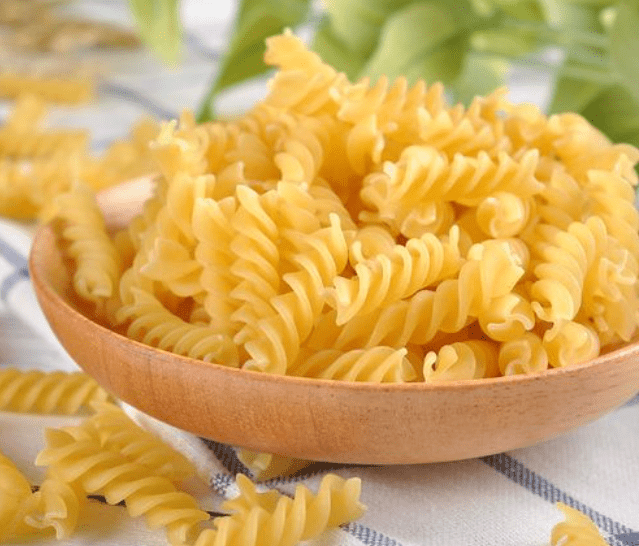
Freshly extruded macaroni contains a high moisture content, typically around 28–32%. If not dried correctly, the product is prone to microbial growth, sticking, and breakage. The main objectives of drying are:
- To reduce moisture content to approximately 12–13%
- To stabilize the shape and structure of the pasta
- To ensure safe storage and long shelf life
- To maintain desirable cooking properties, such as firmness and elasticity
2. Pre-Drying Stage
Pre-drying is the initial step carried out immediately after extrusion and cutting. At this stage, surface moisture is gently removed to prevent pieces from sticking together or losing their shape.
Pre-drying is usually performed at moderate temperatures (around 40–55°C) with relatively high humidity. This controlled environment allows gradual moisture removal from the surface without creating stress inside the pasta, which could cause cracking.

3. Main Drying Stage
The main drying stage is the most critical part of the process. During this phase, moisture is slowly removed from the interior of the macaroni. Drying is typically conducted in multiple stages, with alternating temperature and humidity conditions.
Low-temperature drying (below 60°C) takes a longer time but helps preserve traditional flavor and color. High-temperature drying (70–90°C) significantly reduces drying time and improves microbial safety. However, excessive temperature or rapid moisture loss may lead to internal stress, resulting in cracks or brittleness.
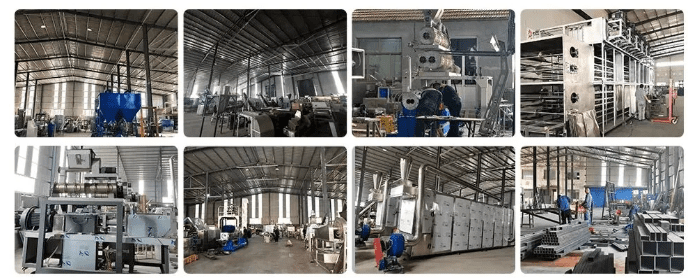
Modern industrial dryers use precise air circulation systems to ensure uniform drying. Continuous monitoring of moisture content and product temperature is essential for consistent quality.
4. Equalization and Conditioning
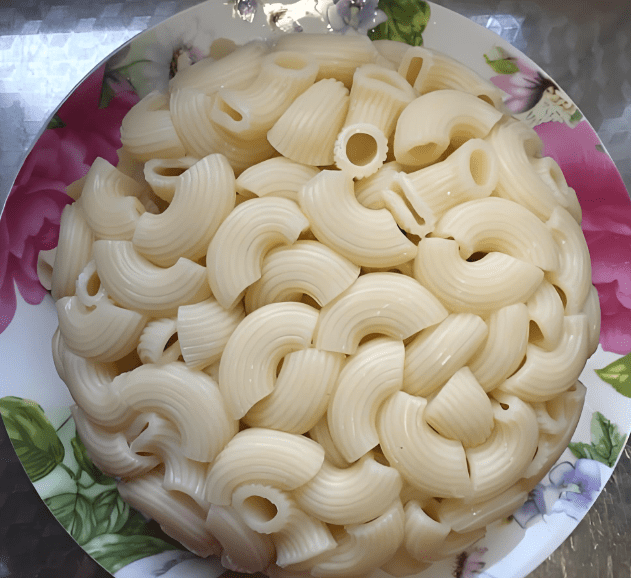
After the main drying stage, macaroni undergoes an equalization or conditioning period. During this phase, moisture is allowed to redistribute evenly throughout the product. This step reduces internal moisture gradients and minimizes the risk of cracking during storage and transportation.
Conditioning is usually performed at lower temperatures with controlled humidity for several hours, depending on the macaroni size and shape.
5. Cooling
Once the target moisture level is reached, macaroni must be gradually cooled to ambient temperature. Rapid cooling can cause condensation on the product surface, leading to moisture reabsorption and potential quality defects.
Proper cooling stabilizes the product and prepares it for safe packaging.
6. Quality Control During Drying
Throughout the drying process, several quality parameters are monitored, including:
- Moisture content
- Product temperature
- Structural integrity (absence of cracks or breaks)
- Color and surface appearance
Strict control of these factors ensures that the dried macaroni meets commercial and food safety standards.
Drying is a delicate and essential process in macaroni production. By carefully controlling temperature, humidity, airflow, and drying time, manufacturers can produce macaroni with excellent texture, stability, and cooking performance. Well-designed drying procedures not only improve product quality but also enhance efficiency and consistency in industrial pasta production.