
The global love affair with instant noodles shows no signs of cooling down. With over 120 billion servings consumed annually, the market offers a tempting entry point for entrepreneurs . Investing in a small-scale instant noodle production line can be a lucrative venture, but it requires meticulous planning and a thorough understanding of the process. This article outlines the essential steps and preparations needed to transform this business idea into a successful reality.
1. Market Research and Business Planning
Before purchasing a single piece of machinery, you must understand the landscape you are entering. This foundational step will inform every subsequent decision, from your production capacity to your marketing strategy.
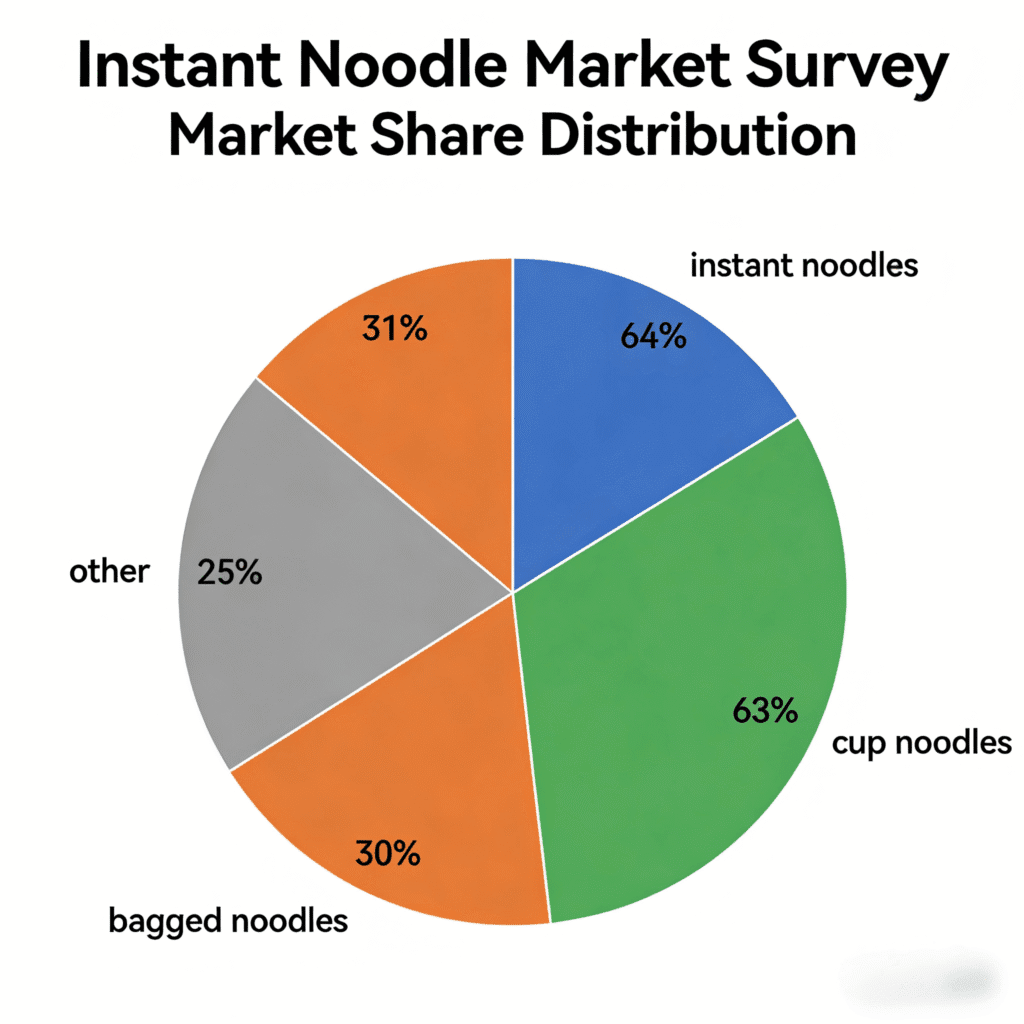
- Market Analysis: Begin by assessing the demand in your target area. Study consumer preferences—do they favor fried or non-fried noodles, cup or bagged varieties, and what flavors are most popular? Identify your potential competitors, analyze their product offerings, pricing, and distribution networks to find a gap your brand can fill .
- Feasibility Study: Determine if the venture is financially viable. This involves estimating production costs, projecting sales volumes, and analyzing potential profit margins. This study will help you decide on the scale of your operation .
- Business Plan: Develop a comprehensive business plan that outlines your mission, vision, target market, and financial goals. This document is crucial for securing financing from banks or investors and will serve as your roadmap .
2. Legal and Regulatory Compliance
The food industry is heavily regulated to ensure consumer safety. Securing the necessary approvals early is critical to avoid costly delays or shutdowns.
- Business Registration: Formally register your business according to local laws.
- Food Safety Licenses and Certifications: You must obtain the necessary permits from the food safety authority in your region (e.g., FDA in the US, FSSAI in India). Compliance with standards like HACCP (Hazard Analysis Critical Control Point) or ISO 22000 is often mandatory and demonstrates your commitment to safety .
- Environmental and Zoning Permits: Ensure your chosen location complies with local zoning laws. You may also need environmental clearances related to waste disposal, water usage, and emissions .
A failure to comply with food safety regulations can have serious consequences. A 2023 FDA warning letter to a noodle manufacturer cited “serious violations” of current Good Manufacturing Practices, including poor sanitation and inadequate hazard analysis, which led to their products being deemed adulterated . This underscores the non-negotiable nature of regulatory compliance.
3. Site Selection and Plant Layout
The physical location and design of your factory are key to operational efficiency and food safety.
- Location: Choose a site with convenient access to reliable utilities (water, electricity), a stable supply of raw materials, and efficient transportation links for distribution .
- Space Requirements: For a small-scale operation, you will need approximately 500 to 800 square meters. This space must accommodate raw material storage, the production line, a packaging area, a quality control lab, and a finished goods warehouse .
- Factory Layout: Design a logical, linear production flow that prevents cross-contamination between raw materials and finished products . The plant should be divided into distinct functional zones, including:
- Raw Material Storage Area
- Mixing & Dough Room
- Steaming & Frying Area (with proper ventilation/exhaust systems)
- Cooling & Packaging Area
- Quality Control Laboratory
- Finished Product Warehouse
4. Raw Material Procurement
The quality of your noodles depends entirely on the quality of your ingredients. Establishing a reliable supply chain is essential.
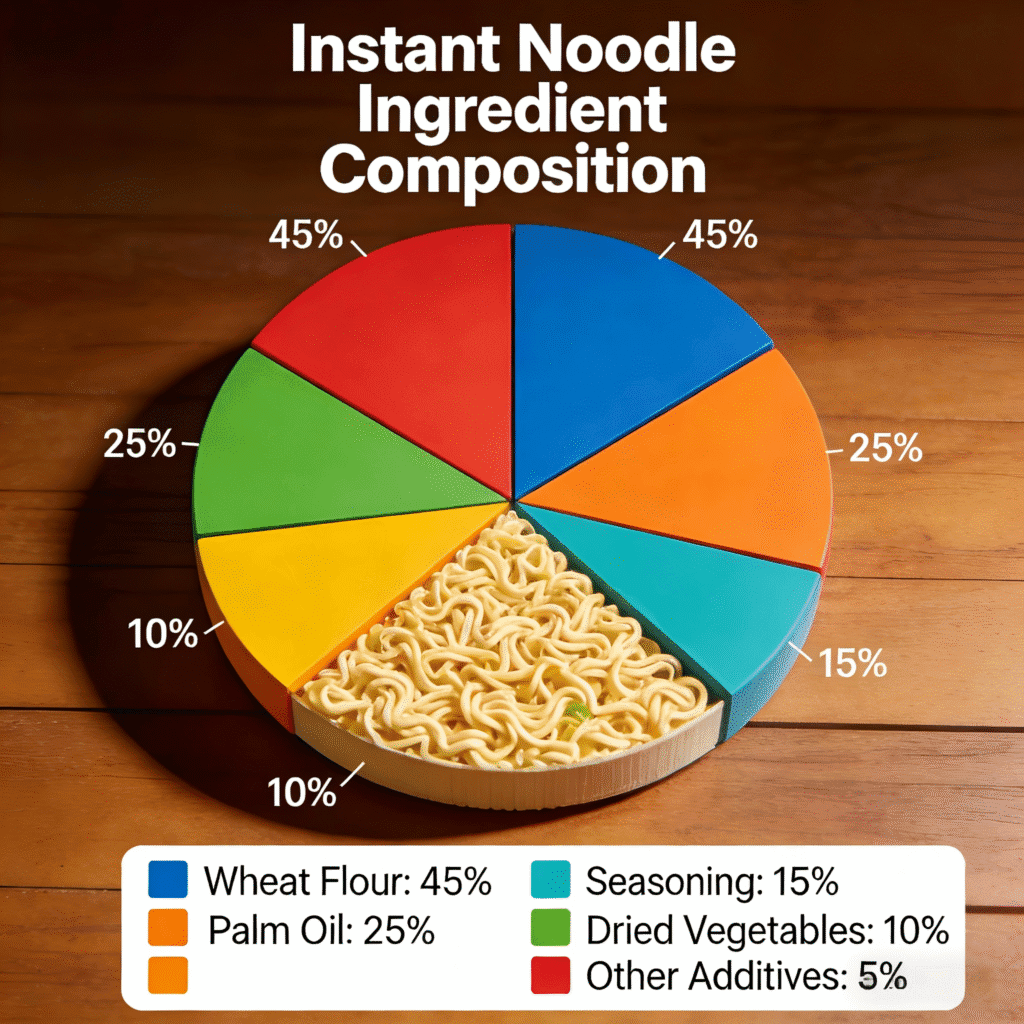
- Key Ingredients: The primary raw material is wheat flour. Other essential components include water, salt, edible oil (like palm oil for frying), and additives such as alkaline water (kansui) for texture and elasticity . For flavored noodles, you will need spices, seasonings, and dehydrated vegetables .
- Calificación de proveedores: Partner with reputable suppliers who can provide high-quality, food-grade ingredients consistently. It is crucial to establish a raw material inspection system to verify that all incoming supplies meet your quality specifications . For example, a key control point is verifying that wheat flour is free from contaminants like mycotoxins .
5. Equipment and Machinery Selection
Choosing the right machinery is the most significant technical decision you will make. For a small-scale line, you must balance cost, automation, and capacity.
Instant Noodles Production Flowchart (Horizontal Version) Raw Material Preparation
Dough Mixing → Dough Aging → Dough Sheeting & Rolling → Slitting & Cutting → Steaming → Shaping & Forming → Frying / Air Drying → Cooling → Seasoning Packet Preparation → Packaging → Metal Detection & Quality Control → Cartoning → Warehousing & Distribution
- Determining Capacity and Automation: Small-scale lines typically produce between 1,000 and 10,000 packs per day . You can opt for a semi-automatic line, which has a lower initial investment but requires more labor, or a fully automatic line, which is more efficient but comes with a higher upfront cost .
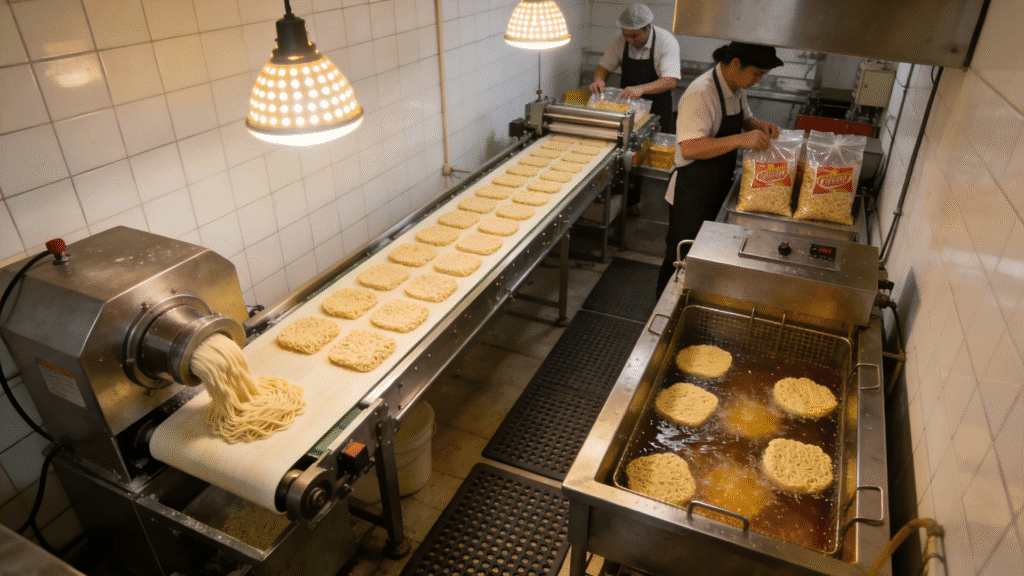
- Core Machinery: A complete instant noodle production line consists of several integrated machines. The image below illustrates a typical small-scale line setup.
This diagram shows the typical flow of a small-scale instant noodle production line, from mixing to cooling . A typical line will include:
1. Flour Mixer: To mix flour, water, and other ingredients into a uniform dough.
2. Rolling and Pressing Machine: To compress the dough into thin sheets.
3. Slitter Cutter: To cut the sheets into noodle strands.
4. Túnel de vapor: To gelatinize the starch by steaming the noodles.
5. Cutting and Folding Machine: To portion and shape the noodle blocks.
6. Frying Machine or Hot-Air Dryer: To remove moisture. Fryers are faster and create a distinct texture, while hot-air dryers cater to the health-conscious “non-fried” market segment .
7. Transportador de refrigeración: To reduce the product temperature before packaging.
8. Máquina de embalaje: To seal the noodles in bags or cups, often with seasoning packets .
- Quality and Durability: Invest in machines made of food-grade stainless steel (like 304 grade). They are more durable, resistant to corrosion, and easier to clean, ensuring compliance with hygiene standards .
6. Financial Planning and Cost Analysis
A detailed financial model is crucial for understanding your investment needs and potential returns.
- Initial Investment (CAPEX): For a small-scale semi-automatic line, the initial capital expenditure can range from $100,000 to $200,000 . This cost covers:
- Machinery and equipment purchase.
- Land lease or acquisition and site development.
- Plant construction and civil work.
- Licensing and permit fees.
- Operating Costs (OPEX): Ongoing expenses include:
- Raw Materials: This is the largest cost, typically accounting for 50-60% of the total .
- Labor: Salaries for machine operators, quality control staff, and administrative personnel.
- Utilities: Electricity, water, and fuel for the steam boiler.
- Maintenance and Packaging: Regular machine servicing and the cost of packaging materials .
- Profitability Projections: While margins vary by market, the gross margin on instant noodles can be between 50-60%. A thorough financial analysis should calculate your break-even point, projected revenue, and return on investment (ROI) .
7. Quality Control and Food Safety Systems
Implementing a robust food safety plan is not just a regulatory requirement; it is the cornerstone of a trusted brand. A HACCP system is the industry standard for identifying and controlling hazards .
- In-Process Control: Continuously monitor critical points like dough moisture, steaming temperature, and frying oil quality .
- Finished Product Testing: Regularly test finished products to ensure they meet specifications for:
- Contenido de humedad: Should be below 10% to ensure a long shelf life .
- Contenido de aceite: For fried noodles, this is typically 18-24% .
- Cooking Time: Usually 3-5 minutes.
- Microbiological Safety: Test for pathogens like Salmonella and Staphylococcus aureus, which can pose a risk if time/temperature abuse occurs during production .
- Physical Hazard Control: Implement critical control points (CCPs) such as metal detectors to prevent physical contamination from broken machinery parts. Regular calibration and verification of these detectors are essential .
- Allergen Management: If your products contain allergens like wheat, egg, or soy, you must have strict procedures for labeling and sanitation to prevent cross-contact and ensure proper allergen declarations on your packaging .
Investing in a small-scale instant noodle factory is a significant but potentially rewarding undertaking. Success lies in a balanced approach that gives equal weight to business strategy, financial rigor, and technical expertise. By meticulously planning each phase—from market research and site selection to equipment procurement and quality control—you can build a production line that not only meets the global demand for this convenient food but also stands as a model of efficiency, safety, and quality. Starting with a scalable, well-planned operation will position your business for sustainable growth in this dynamic and ever-expanding market .