
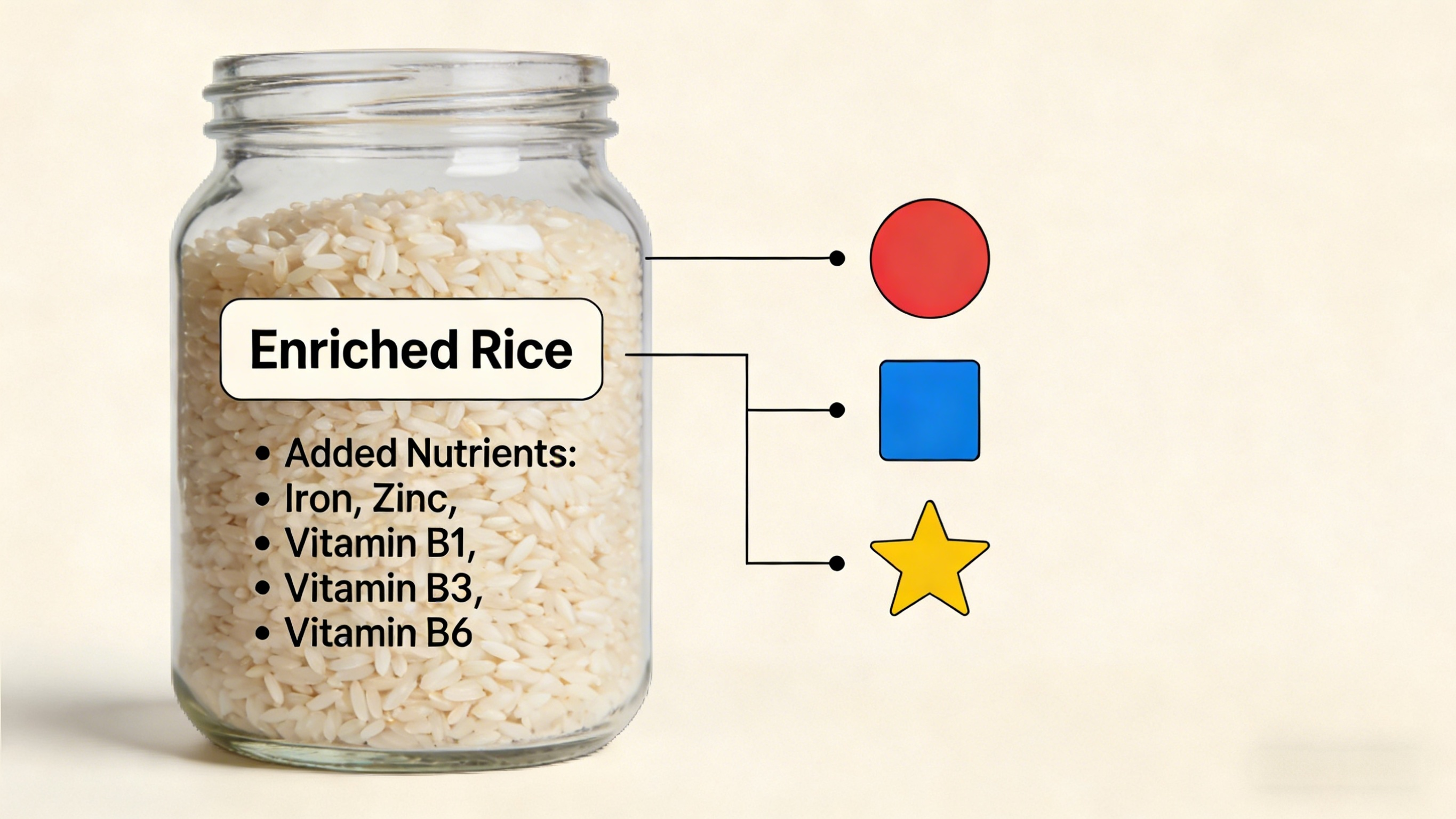
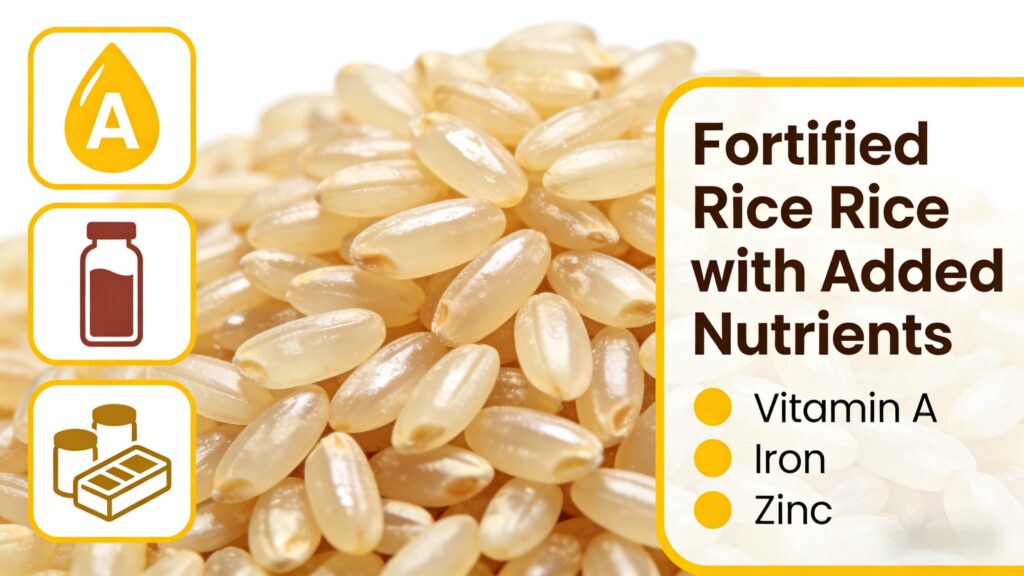
Walk down the aisle of any grocery store in the developing world, and you will see it: rice. For over half the global population, this humble grain is the cornerstone of every meal. But in recent years, a new player has quietly joined the ranks of staple foods: fortified rice. To the untrained eye, it looks identical to regular rice. But look closer, and you might notice a grain that is slightly off, perhaps a shade more opaque or perfectly uniform. These are Fortified Rice Kernels (FRKs), and their different shapes are the direct result of sophisticated processing technologies designed to combat global malnutrition, also known as “hidden hunger” .
Far from being a single process, the creation of fortified rice is a fascinating feat of food engineering. Depending on the technology used—Hot Extrusion, Cold Extrusion, or Coating—the resulting kernel can be a translucent imitation of nature or a clearly manufactured, opaque bead of nutrition .

The Alchemy of Extrusion: Rebuilding the Grain
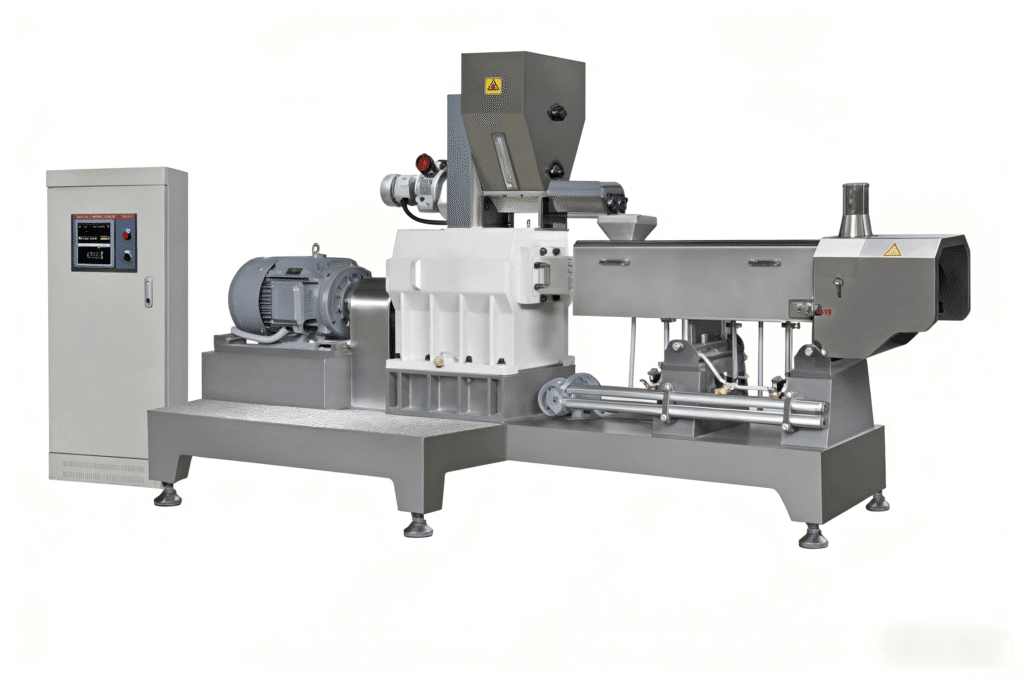
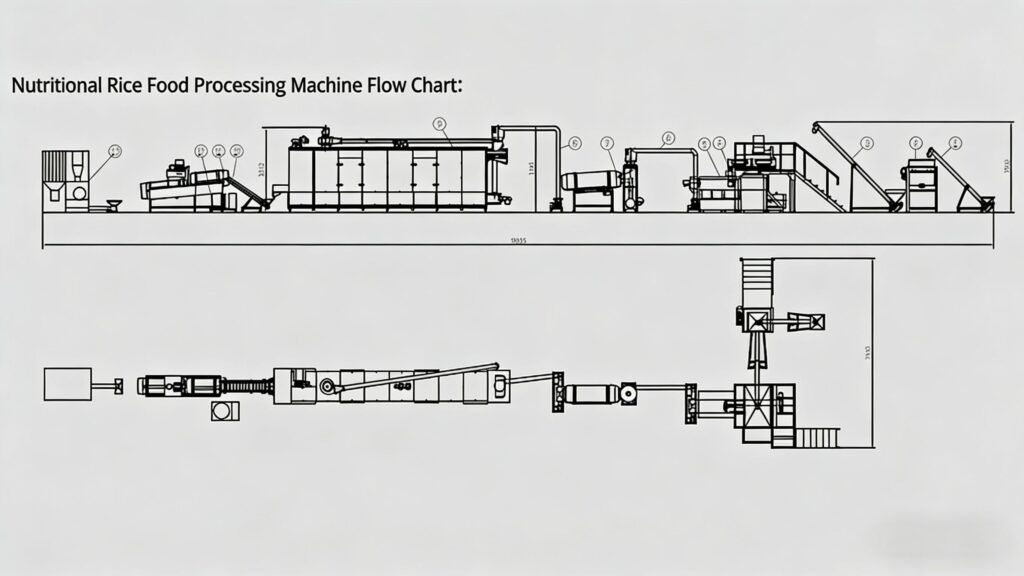
The most common method for creating FRKs is extrusion, a process that essentially deconstructs rice and rebuilds it with added nutrients. It begins not with whole grains, but with broken rice flour. This is a key point of sustainability: extrusion utilizes the fragments broken during the milling process, giving value to what was once a low-value byproduct . This flour is then mixed with a precise premix of heat-stable vitamins and minerals, such as iron, folic acid, and zinc . Water is added to create a dough, and this mixture is fed into an extruder—a machine that forces the dough through tiny dies to create kernel-shaped strands that are then cut to size .
It is within the extruder that the magic—and the differentiation in shape—happens.
Hot Extrusion: The Art of Imitation
If the goal is to create a fortified kernel that is virtually indistinguishable from natural rice, Hot Extrusion is the technology of choice. As the name implies, this process involves heat.fortified rice making machine Inside the extruder barrel, the dough is subjected to high temperatures, typically between 70°C and 110°C . This thermal energy is generated by steam-heated jackets around the barrel or by the intense friction of the screws themselves.
This high heat triggers a critical reaction known as starch gelatinization. The starch granules in the rice flour absorb water, swell, and lose their crystalline structure. The hot, cooked dough becomes a thermoplastic, viscous melt. As it is forced through the die and cut, the drop in pressure and temperature causes it to set into a translucent, glassy matrix. The result is a fortified kernel that is fully or partially pre-cooked, possessing the sheen and semi-transparency of a natural milled rice grain .
Research continuously refines this process. Studies on dietary fiber fortification have shown that manipulating parameters like temperature (e.g., 90°C), screw speed (e.g., 120 rpm), and moisture content (e.g., 20%) can significantly impact the texture and nutritional retention of the final kernel . Once dried and cooled, these FRKs are virtually indistinguishable from their natural counterparts, making them ideal for blending with regular rice at ratios like 1:100 or 1:200, where they disappear into the mix .
Cold Extrusion: The “Pasta” Approach
In contrast, Cold Extrusion creates a kernel that wears its identity on its sleeve. This process is akin to a simple pasta press. While the friction of the screws generates some heat, the temperature is strictly maintained below 70°C, and no external heat is applied .
Because the temperature remains low, the starch in the dough does not gelatinize. It is a simple forming process. The dough is forced through the die, but the resulting kernel remains raw, dense, and uncooked. Without the glassy transformation of hot extrusion, these grains are opaque, chalky white, and have a matte finish . They are structurally weaker and easier to spot in a bowl of rice. While this makes them less aesthetically pleasing to some consumers, it is a simpler and more economical technology. To improve the texture and nutritional profile of such products, food scientists are exploring the addition of functional ingredients, such as Pickering emulsions and gels containing beta-carotene, which can also help the extruded rice better mimic the physical properties of varieties like Hashemi rice .
Coating and Dusting: Surface-Level Solutions
Beyond extrusion, which builds a new grain from the inside out, other technologies work from the outside in.
The Coating method involves building up layers of nutrients on the surface of ordinary rice grains. A solution containing vitamins, minerals, and binding agents like waxes or gums is sprayed onto the rice in several passes, often inside a rotating drum . This builds up a protective, nutrient-rich shell around the grain. This method is popular in parts of the Americas but requires care to ensure the coating adheres well and doesn’t wash off too easily.
The simplest, and most economical, method is Dusting. This technique, primarily used in the United States, involves dusting polished rice grains with a fine powder of micronutrients . The powder adheres to the surface of the grains thanks to electrostatic forces. It is by far the cheapest method, but it is also the least robust. Because the nutrients are merely clinging to the surface, they are easily washed away. This is why rice fortified using this method must carry a clear warning on the label: “Do not rinse before or drain after cooking” .
The New Frontier: Fortifying the Whole Grain
While extrusion is effective, it can sometimes carry a stigma. In some regions, consumers suspicious of the perfectly uniform, extruded kernels have dubbed them “plastic rice” . This has driven innovation toward technologies that fortify the grain without breaking it down and reforming it.
A promising new method is Gelatinization-Induced Whole Grain Rice Fortification (GIWGRF) . This process starts with whole paddy rice that has been partially parboiled to achieve a specific Degree of Gelatinization (DG) . The rice is then soaked in a nutrient solution. The partial gelatinization creates a more amorphous starch structure, allowing the nutrients to migrate deep into the grain without causing the cracks and fissures that typically occur when dry rice is soaked.
After soaking, the rice is briefly steamed to further lock the nutrients inside the “ghost-structured starch matrix” and then dried. The result? A whole grain that is fortified from within, retaining its original shape, physicochemical properties, and up to 84% of its iron content even after cooking . This technology offers a way to deliver nutrition without changing the grain’s appearance, directly addressing the consumer suspicion faced by some extruded products.
Conclusion
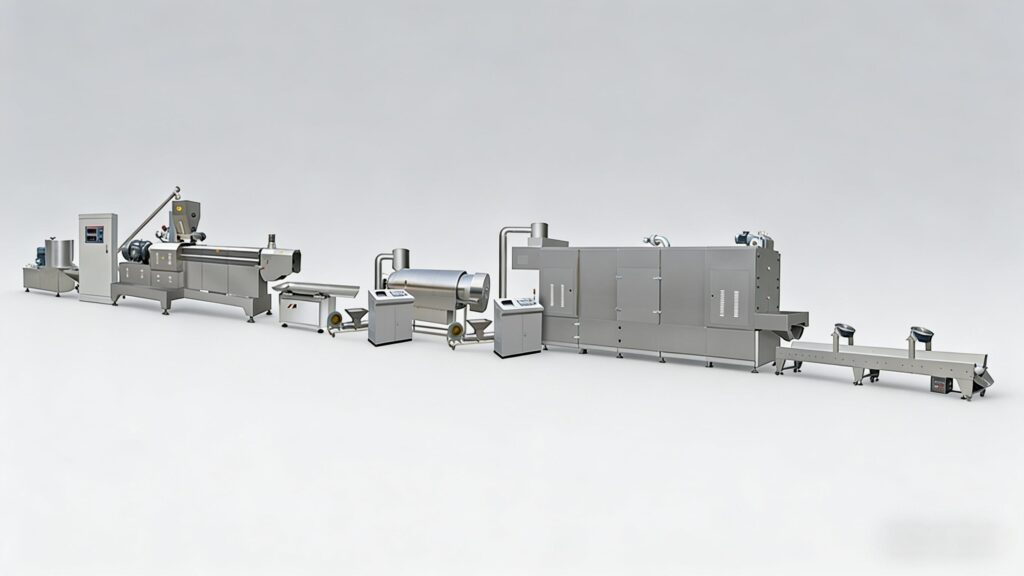
The different shapes of fortified rice are not manufacturing errors; they are the fingerprints of the technology used to create them. Whether it’s the translucent, perfect copy produced by hot extrusion, the opaque and honest kernel from cold extrusion, the layered grain from coating, or the naturally shaped grain from the new GIWGRF process, each shape tells a story of engineering choices. These choices balance cost, complexity, consumer acceptance, and nutritional goals, all in an effort to deliver essential nutrients in one of the world’s most important meals.If you are interested fortified rice making machine , please contact us .
1.Will you help us with the installation ?
Yes , We will send engineers to install and debug the equipment, and assist in training your staff.
2.Are you a factory or trading company?
We are a factory.
3.What certificate do you have?
We have ISO and CE certificate.
4.How long is the warranty period?
All of our machines have one year warranty.
5.What’s the main market of your company?
Our customers all over the world.
6.How much production capacity of your company one year?
This depends on your needs.