
The Pinnacle of Piscine Nutrition: A Deep Dive into the Six Essential Elements of Superior Fish Feed Formulation and Manufacturing
The act of feeding aquatic life, whether in a home aquarium, a commercial aquaculture farm, or a public aquarium, is often perceived as a simple transaction.fish feed production line A handful of pellets or flakes is scattered into the water, and the fish consume it. This simplistic view, however, belies an incredibly complex and sophisticated science. Creating high-quality fish feed is a multidisciplinary endeavor, a precise alchemy of nutritional biochemistry, mechanical engineering, food science,fish feed production line and veterinary medicine. It is not merely about providing sustenance; it is about promoting vibrant health, robust growth, brilliant coloration, and ensuring the overall well-being of creatures that live in an environment entirely alien to our own.
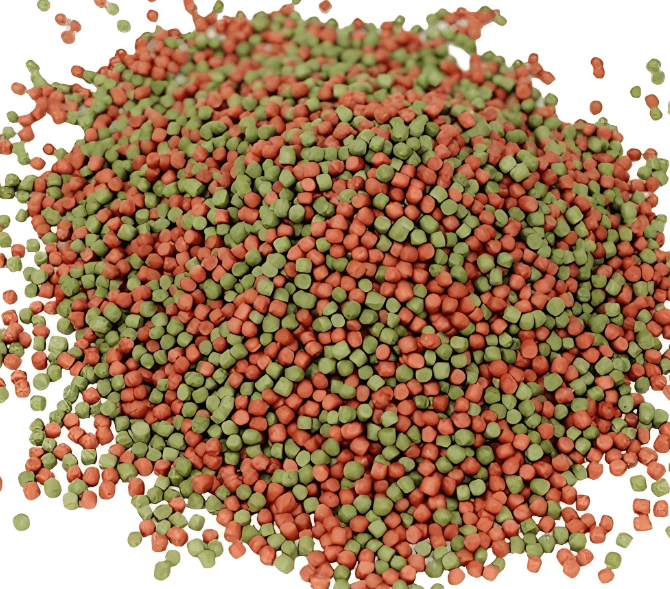
The challenges are profound. Unlike terrestrial animals, fish live in a medium that actively works against the feed. Water leaches out essential nutrients, dissolves attractants, and tests the physical integrity of every pellet. The digestive systems of fish, fish feed production line particularly cold-water species, are often short and inefficient, demanding highly digestible ingredients. Furthermore, the vast diversity of species—from the carnivorous Amazonian Oscar to the herbivorous Pacific Whiteleg shrimp—requires an equally diverse array of nutritional strategies.
In this extensive exploration, we will dissect the six fundamental pillars that separate mediocre fish feed from exceptional, life-sustaining nourishment. These elements are not standalone; they are deeply interconnected, each one influencing and relying upon the others to create a final product that is more than the sum of its parts.
- The Foundation: Precision Nutritional Formulation
- The Vessel: Ingredient Quality and Sourcing
- The Alchemy: Advanced Manufacturing and Processing
- The Armor: Pellet Integrity and Stability
- The Guardian: Quality Control and Safety Protocols
- The Conscience: Sustainability and Environmental Impact
By understanding these six elements in detail, we can appreciate the remarkable technology contained within every gram of well-crafted fish feed.
Element 1: The Foundation – Precision Nutritional Formulation
The journey to an exceptional fish feed begins not in a factory, but on a computer screen, with a formulation spreadsheet that is as complex as any recipe for a pharmaceutical. fish feed production line Precision nutritional formulation is the intellectual blueprint, the master plan that dictates everything that follows. It is the process of translating the known biological requirements of a target species into a precise list of ingredients and their proportions. This is far more complex than simply hitting a target protein percentage.
1.1 Understanding Species-Specific Requirements (The “Who”)
The first and most critical step is to answer the question: “Who are we feeding?” The concept of a “one-size-fits-all” fish feed is a recipe for failure. The nutritional needs of a fish are dictated by its evolutionary history, its physiology, and its life stage.
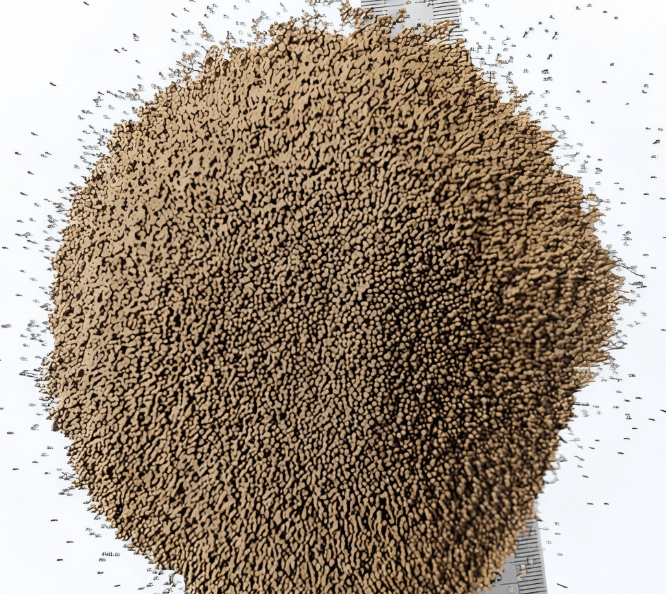
- Carnivores vs. Herbivores vs. Omnivores: This is the most fundamental distinction.
- Carnivorous Fish (e.g., Salmon, Trout, Groupers, Cichlids like Oscars): These species have evolved to consume other animals. Their diets are naturally high in protein (40-55%) and fat (15-25%), with a very low carbohydrate requirement. They possess short digestive tracts optimized for digesting protein and fat, not complex plant fibers. Their feeds must be rich in specific amino acids like methionine and lysine, which are abundantly available in animal-based proteins like fishmeal. A feed high in carbohydrates for a carnivore can lead to poor growth, fatty liver disease, and metabolic disorders.
- Herbivorous Fish (e.g., Tilapia, Pacu, certain Catfish): These fish are adapted to consume algae and aquatic plants. Their diets are lower in protein (25-35%) and higher in carbohydrates, which they can efficiently digest, often with the help of elongated digestive tracts and gut microflora. Their formulations can leverage more plant-based proteins and energy sources.
- Omnivorous Fish (e.g., Common Carp, Goldfish, many tropical community fish): As opportunists, they can utilize a wide range of food sources. Their formulations are the most flexible, but still require a careful balance of protein, carbohydrates, and fats to optimize health and prevent obesity.
- Life Stage Requirements (The “When”): A fish’s nutritional needs change dramatically throughout its life.
- Larval & Fry Feeds: This is the most sensitive and demanding stage. The feed must be microscopically small, yet incredibly energy-dense and highly digestible. At this stage, the developing immune and skeletal systems have an exceptionally high demand for specific nutrients like phospholipids (for brain and cell membrane development), highly unsaturated fatty acids (HUFAs), and free amino acids, which are more easily absorbed than complex proteins. The formulation is often a “milk formula” for fish.
- Grow-Out Feeds: For the majority of a farmed fish’s life, the goal is rapid, efficient growth. The formulation is optimized for protein retention and feed conversion ratio (FCR)—the amount of feed needed to produce one unit of fish weight. Energy density is key to ensuring the fish consumes enough calories to utilize the protein for growth, not for energy.
- Broodstock Feeds: For fish being raised for reproduction, the focus shifts from growth to gonad development and egg/sperm quality. Formulations are enriched with specific nutrients like Vitamin E, selenium, and astaxanthin, which are crucial for fertility, egg viability, and larval survival.
- Maintenance Feeds: For ornamental fish in aquaria, the goal may not be rapid growth but long-term health, vibrant coloration, and minimal waste production. These feeds are typically lower in protein and phosphorus to reduce metabolic waste.
1.2 The Science of Nutrient Balance (The “What” and “How Much”)
Once the target species and life stage are defined, fish feed production line the formulator must balance over 40 essential nutrients. It is a complex puzzle where every piece must fit perfectly.
- The Amino Acid Orchestra: Protein is not a single nutrient but a chain of amino acids. Fish require ten “essential” amino acids (EAAs) that they cannot synthesize themselves. The goal is not just total protein, but a “balanced amino acid profile.” The most limiting EAA (often methionine or lysine) will dictate how effectively the entire protein portion is utilized. This is where the concept of the “Ideal Protein” comes in—a model that matches the dietary amino acid pattern precisely to the fish’s requirements, minimizing waste and maximizing growth. Formulators use crystalline amino acids (synthetic, pure amino acids) to fine-tune this profile, especially when using plant proteins which are naturally deficient in certain EAAs.
- The Lipid Matrix: Energy and Essential Fatty Acids: Fats are the primary energy source in fish feed. However, their role is far more profound. They are crucial for:
- Essential Fatty Acids (EFAs): Fish, particularly marine species, require long-chain omega-3 fatty acids—Eicosapentaenoic Acid (EPA) and Docosahexaenoic Acid (DHA). These are not just “good fats”; they are fundamental components of cell membranes, crucial for brain function, vision, and immune response. Freshwater fish can often convert shorter-chain omega-3s (ALA from flaxseed) to a degree, but marine fish have a very limited ability to do so. The ratio of omega-3 to omega-6 is also critical, as an imbalance can promote inflammation.
- Fat-Soluble Vitamin Carrier: Vitamins A, D, E, and K require fat for absorption.
- Palatability: Fats, especially those from marine sources, are powerful feeding stimulants.
- The Carbohydrate Conundrum: Fish have a limited ability to digest complex carbohydrates. While they can be a cheap source of energy and act as binders in the manufacturing process, their over-inclusion can be detrimental. Formulators must choose highly digestible carbohydrate sources (like cooked starches from wheat or tapioca) and carefully limit their inclusion to avoid depressing growth and causing health issues.
- The Micro-Nutrient Miracle: Vitamins and minerals, though required in tiny amounts, are the catalysts for virtually every metabolic process.
- الفيتامينات: Vitamin C is perhaps the most critical and unstable. It is essential for collagen formation (wound healing, skeletal integrity), immune function, and as an antioxidant. Because it is easily destroyed by heat, oxygen, and light, it must be protected through specialized coated forms (e.g., ethyl cellulose-coated or phosphated forms). The entire vitamin premix is a delicate balance, as some vitamins can interact (e.g., high levels of Vitamin A can be antagonistic to Vitamin D).
- Minerals: Calcium and phosphorus are the building blocks of the skeleton. The bioavailability of phosphorus is a major focus; much of the phosphorus in plant ingredients is in the form of phytate, which is largely unavailable to fish. Formulators add inorganic phosphorus or the enzyme phytase to break down phytate and release the bound phosphorus, which both improves skeletal health and reduces phosphorus pollution in the water.
1.3 The Art of Palatability
A nutritionally perfect feed is useless if the fish refuse to eat it. Palatability is engineered into the formulation through the use of “attractants.” These are not masking agents for poor ingredients but powerful stimulants that trigger feeding behavior. Key attractants include:
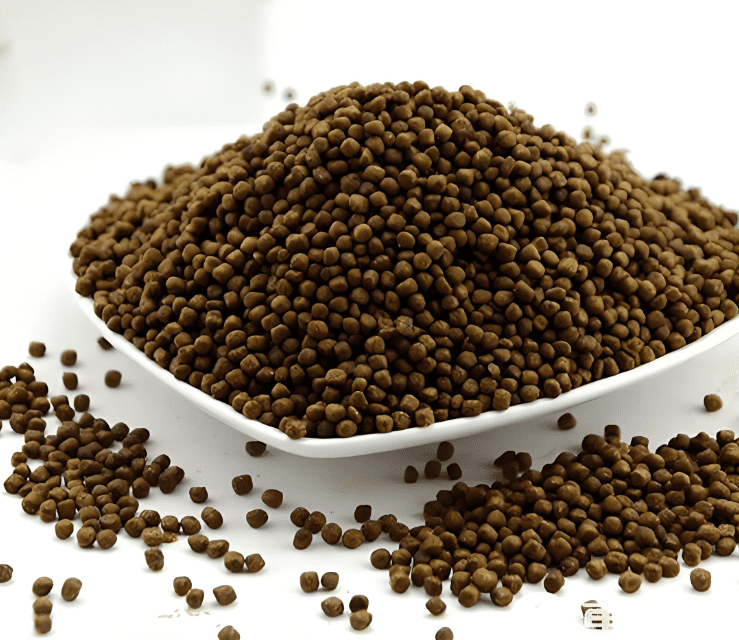
- Amino Acids: Betaine, glycine, and alanine are known to be potent feeding stimulants for many species.
- Nucleotides: Breakdown products of DNA and RNA that signal the presence of food.
- Marine Hydrolysates: Concentrated, partially digested proteins from fish or crustaceans that release a cocktail of attractive peptides and amino acids.
In summary, precision formulation is a dynamic, data-driven process that requires a deep understanding of fish biology, nutrient chemistry, and the constant interplay between dozens of dietary components. It is the indispensable intellectual framework upon which all other elements are built.
Element 2: The Vessel – Ingredient Quality and Sourcing
If the formulation is the blueprint, then the ingredients are the building materials. fish feed production line The highest-quality architectural design will fail if constructed with substandard bricks and mortar. In fish feed, the quality, digestibility, and safety of the raw materials are paramount. The sourcing of these ingredients is a strategic decision with implications for nutrition, sustainability, and supply chain stability.
2.1 The Protein Pantry: From the Sea to the Land
- Fishmeal: The Gold Standard Under Scrutiny: For decades, fishmeal has been the cornerstone of high-performance aquafeeds, particularly for carnivorous species. Its value lies in its excellent amino acid profile, high digestibility, rich content of EPA and DHA, and abundance of palatability factors and essential minerals. However, not all fishmeal is created equal. Its quality is graded based on protein content (ranging from 60% to over 72%) and freshness, measured by its level of biogenic amines (like histamine) and volatile nitrogen. High-quality, “special grade” fishmeal from fresh, whole fish (e.g., from Peru or Chile) is superior to feed-grade meal from fish trimmings. The industry’s challenge is to use this precious resource responsibly, reducing dependence on wild-caught stocks.
- The Plant Protein Revolution: The drive for sustainability has propelled plant proteins to the forefront.
- Soybean Meal: The dominant plant protein, prized for its consistent quality and good amino acid profile. However, it contains anti-nutritional factors (ANFs) like trypsin inhibitors and lectins, which can impair digestion and nutrient absorption. High-quality feed uses soybean meal that has been properly processed (toasted) to deactivate these ANFs. More refined products like soy protein concentrate have most of the ANFs and carbohydrates removed, offering a highly digestible protein source.
- Other Plant Meals: Corn gluten meal, wheat gluten, rapeseed (canola) meal, and pea protein are all valuable contributors. Each has a distinct amino acid profile and ANF content that must be accounted for in the formulation.
- The Novel Protein Vanguard: The future of protein sourcing is being written in labs and insect farms.
- Insect Meal: Larvae of the Black Soldier Fly (Hermetia illucens) are being reared on organic waste streams and processed into a highly palatable, nutritious meal. It has an excellent amino acid profile, is rich in antimicrobial peptides, and has a much lower environmental footprint than traditional sources.
- Single-Cell Proteins: Bacteria, yeasts, and microalgae can be cultivated in fermenters to produce protein-rich biomass. These are not dependent on arable land or climate and can have nutritional profiles tailored through their growth medium.
- Algal Meals: Certain microalgae strains are being produced specifically for their protein content, offering a sustainable, marine-based alternative to fishmeal.
2.2 The Oil Reserve: Fuelling Health and Growth
- Fish Oil: The traditional and richest source of the essential long-chain omega-3s, EPA and DHA. Its quality is determined by its freshness (peroxide and anisidine values) and its concentration of these valuable fatty acids. The same sustainability pressures apply as with fishmeal.
- الزيوت النباتية: Oils from soy, rapeseed, and palm are widely used as energy sources. However, they fundamentally alter the fatty acid profile of the fish, being rich in omega-6 and lacking in EPA and DHA. This can be a concern for consumers seeking the health benefits of omega-3s from farmed fish.
- Schizochytrium Algae Oil: A groundbreaking innovation, this oil is derived from a marine microalgae that naturally produces high levels of DHA and EPA. It allows for the direct inclusion of these essential fatty acids without relying on the marine food chain, enabling the production of salmon with high omega-3 levels even on a largely plant-based diet.
2.3 The Micro-Ingredient Arsenal
The quality of vitamin and mineral premixes is non-negotiable. Reputable suppliers provide certificates of analysis guaranteeing the potency of every batch. The stability of these micro-ingredients is a major concern. As mentioned, the use of stabilized forms of Vitamin C is standard in high-quality feeds. Similarly, organic forms of trace minerals (e.g., selenium yeast, zinc proteinate) are often more bioavailable and less reactive than their inorganic counterparts (e.g., zinc sulfate).
2.4 Sourcing and Supply Chain Integrity
A premium feed manufacturer must have full traceability and rigorous quality assurance protocols for its ingredient supply chain. This involves:
- Supplier Audits: Regularly assessing the facilities and practices of ingredient suppliers.
- التفتيش الوارد: Every batch of raw material should be sampled and tested for key nutritional parameters (protein, fat, moisture) and for contaminants like aflatoxins (in grains), dioxins, PCBs, and heavy metals (in marine ingredients).
- Sustainability Certifications: Sourcing from suppliers certified by organizations like the Marine Stewardship Council (MSC) for fishmeal/oil or others for soy and other commodities adds a layer of environmental and social responsibility.
In essence, superior ingredient sourcing is about selecting the most digestible, safe, and sustainable raw materials that faithfully deliver the nutrients specified in the precision formulation. It is the foundation of trust and efficacy in the final product.
Element 3: The Alchemy – Advanced Manufacturing and Processing
This is where the blueprint and the raw materials are transformed into a functional, physical pellet. The manufacturing process is not a passive mixing operation; it is an active, thermo-mechanical alchemy that determines the final feed’s physical structure, nutrient availability, and stability in water. The dominant technology for high-quality feeds is بثق الطهي.
3.1 The Pre-Processing: Preparation for Transformation
- الطحن: All solid ingredients are first ground into a fine, uniform powder (mash). This is critical for two reasons: it increases the surface area for water and heat penetration, and it ensures a homogenous mixture, preventing nutrient segregation. A consistent particle size is vital for the stability of the final pellet.
- الخلط: The ground macro-ingredients are blended with the micro-ingredient premixes (vitamins, minerals, etc.) in large, horizontal ribbon mixers. This must be done with precision to achieve a perfectly uniform distribution; a single miscue can create pockets of nutrient deficiency or toxicity.
3.2 The Heart of the Matter: The Extruder
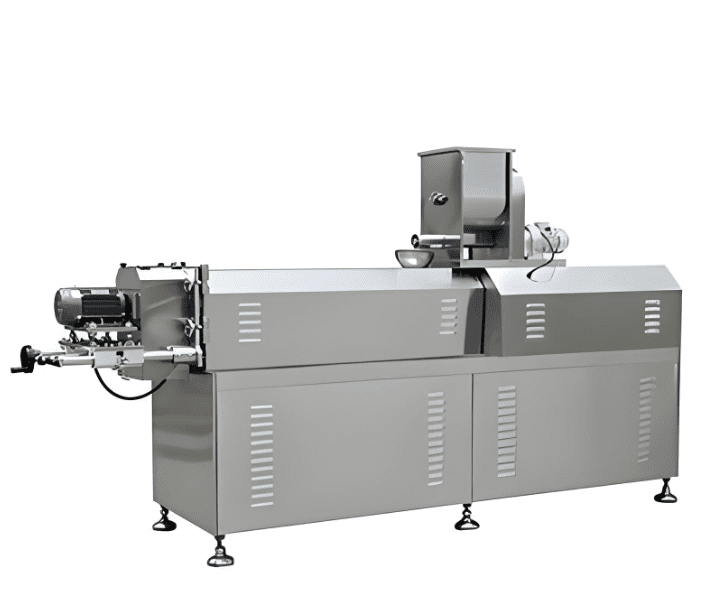
The conditioned mash is fed into the extruder, a machine that is part pressure cooker, part dough mixer, and part shaping tool. It consists of a barrel containing a single or twin screw that rotates, conveying, mixing, shearing, and cooking the material under high pressure and temperature.
The process inside the extruder can be broken into zones:
- The Feed Zone: The dry mash enters.
- The Compression & Cooking Zone: Here, the magic happens. The screw design compresses the material. Live steam and/or water are injected. The combination of intense mechanical shear from the screws and high temperature (90-150°C / 194-302°F) causes profound physical and chemical changes:
- Starch Gelatinization: The starch granules swell, rupture, and lose their crystalline structure, becoming a viscous gel. This gelatinized starch is highly digestible and acts as a powerful binder, giving the pellet its structure.
- Protein Denaturation: The complex three-dimensional structures of proteins unfold, making them more accessible to digestive enzymes and thus improving digestibility.
- The Melting Zone: The fully cooked mixture becomes a plasticized, amorphous dough.
- The Die Zone: This molten dough is forced under immense pressure (20-40 atmospheres) through a die plate at the end of the barrel. The die has precisely machined holes that give the pellet its shape and size.
3.3 The Moment of Truth: Expansion and Drying
As the superheated, pressurized dough exits the die into ambient air pressure, the trapped water instantly flashes into steam, causing the pellet to expand dramatically, like popcorn. This expansion is the primary determinant of the pellet’s density.
- Controlling Buoyancy: This is a key technological advantage of extrusion.
- Floating Feeds: High expansion, low density. Achieved with high starch content and high thermal/mechanical energy.
- Sinking Feeds: Low expansion, high density. Achieved by reducing starch, adding more fat or fiber, and using a cutter that compresses the pellet as it exits the die.
- Slow-Sinking Feeds: Precisely controlled density for species that feed in the water column.
The newly extruded pellets are soft, moist (~25% moisture), and fragile. They must be dried in multi-pass, hot-air dryers to a moisture content of below 10% to achieve shelf-stability and the necessary hardness. Drying must be controlled to avoid “case-hardening,” where a hard shell forms, trapping moisture inside and leading to mold.
3.4 The Final Infusion: Post-Extrusion Fat Coating
After drying, the pellets are porous. This porosity is exploited in a crucial step: vacuum or atmospheric fat coating. The dried pellets are tumbled in a drum, and liquid oils (fish oil, algal oil, etc.) are sprayed onto them. The pellets act like sponges, absorbing the oil.
This is a masterstroke of feed engineering for several reasons:
- It allows for high fat levels (>20%) without compromising the pellet’s structure during extrusion (internal fat acts as a lubricant and prevents proper starch binding).
- It protects the sensitive omega-3 fatty acids and fat-soluble vitamins from the destructive heat and shear of the extruder barrel, dramatically improving their retention in the final product.
- It significantly enhances the energy density and palatability of the feed.
Finally, the pellets are cooled to ambient temperature to prevent spoilage and screened to remove fines (small particles) before being packaged.
In summary, advanced manufacturing is not just about shaping ingredients; fish feed production line it is about transforming them into a highly digestible, physically robust, and nutritionally stable form that is perfectly adapted for life in water.

Element 4: The Armor – Pellet Integrity and Stability
A pellet’s journey is a harsh one. It is poured from bags, conveyed pneumatically through pipes in a farm, and thrown by feeders. Upon hitting the water, it faces its greatest challenge: immersion. The physical integrity and stability of the pellet are what protect the valuable nutrition contained within until the very moment it is consumed by the fish.
4.1 The Leaching Race
Leaching is the process where water-soluble nutrients—vitamins, minerals, attractants—dissolve out of the pellet and into the surrounding water. A poor-quality pellet can lose over 50% of its water-soluble vitamins within the first few minutes. For a fish that nibbles slowly or in a system with high water flow, this can mean it is eating little more than an empty carbohydrate shell.
Superior feeds are engineered to minimize leaching through:
- Optimal Starch Gelatinization: A fully gelatinized starch matrix forms a tight, continuous gel that acts as a barrier, slowing the diffusion of water and water-soluble molecules.
- Use of Binders: While gelatinization is the primary binder, some feeds include specialized binding agents like lignosulfonates or gums to further enhance water stability, especially for species like shrimp that are slow feeders.
- Low Porosity: A dense pellet with small, closed pores (achieved by controlling expansion during extrusion) offers less path for water to penetrate.
4.2 The Durability Index
The pellet must be able to withstand mechanical handling without breaking down into fines. Fines are a direct economic loss, but more importantly, they pollute the water, consuming oxygen as they decompose and potentially harboring pathogens. Durability is tested using standardized equipment like a “Holmen tester” or “tumbling can,” which simulates the abrasion of pneumatic transport. A high-quality pellet will have a durability of over 95-98%.
4.3 The Hardness vs. Palatability Balance
The pellet must be hard enough to survive handling, but not so hard that the fish cannot easily break it apart. For species with small mouths or weak jaw strength, an overly hard pellet can lead to feed refusal or require excessive energy to consume. The manufacturing process, particularly the conditioning and drying stages, is carefully controlled to achieve the ideal hardness for the target species.
4.4 Rancidity Prevention: The Enemy Within
Perhaps the most insidious threat to feed quality is lipid oxidation, or rancidity. The highly unsaturated fats that are so beneficial to fish (EPA, DHA) are also extremely vulnerable to attack by oxygen. Rancidity destroys fat-soluble vitamins, reduces the energy value of the feed, and produces aldehydes and ketones that are not only unpalatable but also toxic.
The “armor” against rancidity is multi-layered:
- Antioxidants in the Oil: The added fats are pre-stabilized with antioxidants.
- Dietary Antioxidants: The formulation includes powerful antioxidants, both synthetic (e.g., ethoxyquin, though its use is declining, BHT, BHA) and natural (e.g., Vitamin E – tocopherols, Vitamin C, rosemary extract). These compounds sacrificially react with free radicals, preventing them from attacking the fatty acids.
- التعبئة والتغليف: The final bag is a barrier, often made from multiple layers of plastic with foil liners to block oxygen and light. Some high-end feeds are even packaged with an inert gas (like nitrogen) flushing to remove oxygen from the bag entirely.
In essence, the pellet’s integrity is its first and last line of defense. It ensures that the carefully formulated and manufactured nutrition actually reaches the fish, rather than being lost to the water or air.
Element 5: The Guardian – Quality Control and Safety Protocols
Quality cannot be inspected into a product; it must be built into every step of the process. A relentless, science-based Quality Control (QC) and Assurance (QA) system is the guardian of the entire operation, from the receiving dock to the final bag. It is the system that ensures consistency, safety, and efficacy, batch after batch.
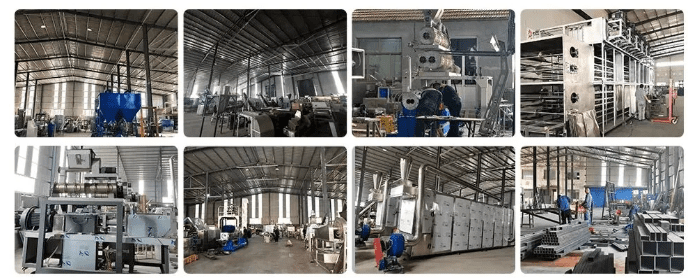
5.1 Incoming Raw Material Inspection
This is the first gate. No raw material enters production without being tested. A representative sample from each batch is taken and analyzed, often using Near-Infrared Spectroscopy (NIRS) for rapid results on protein, moisture, and fat. More detailed wet chemistry analysis is used to confirm NIRS calibrations and to check for contaminants like aflatoxins, heavy metals, and pesticides.
5.2 In-Process Control: Monitoring the Transformation
QC does not stop after ingredients are approved. It is embedded in the manufacturing line.
- Mash: Particle size analysis ensures the grind is optimal for extrusion.
- Extrusion: Operators constantly monitor and log key parameters: conditioner temperature, extruder barrel temperature, motor amperage (indicating shear and load), and die pressure. Deviations trigger immediate adjustments.
- Pellet Checks: Freshly extruded pellets are constantly checked for sink/float characteristics, size, and shape. A simple beaker of water is one of the most important QC tools on the production floor.
5.3 Finished Product Analysis: The Final Verdict
Samples from every production batch are taken for comprehensive laboratory analysis. This “proximate analysis” verifies that the feed meets its guaranteed analysis for:
- Crude Protein
- Crude Fat
- Crude Fiber
- Moisture
- Ash
Beyond this, advanced labs will run periodic checks on:
- Amino Acid Profile: To ensure the formulated protein quality has been achieved.
- Vitamin and Mineral Levels: To confirm the premix was added correctly and that the nutrients survived processing.
- Fat Stability: Peroxide Value (PV) and Anisidine Value (AV) are measured to ensure the fats are fresh and stable.
- Durability and Leaching: Physical tests to confirm pellet integrity.
5.4 Pathogen and Contaminant Control
Feed can be a vector for disease and toxins. A robust QC program includes:
- الاختبار الميكروبيولوجي: Screening for Salmonella, E. coli, and total viable bacteria count.
- Mycotoxin Testing: Ensuring grains are free from fungal toxins.
- Heavy Metal and Dioxin Screening: Particularly important for ingredients of marine origin.
This unyielding commitment to QC is what builds trust. It is the guarantee that the feed is not only nutritious but also safe for the fish and, ultimately, for the human consumer in the case of farmed seafood.
Element 6: The Conscience – Sustainability and Environmental Impact
In the 21st century, a fish feed cannot be considered “high-quality” if its production is environmentally destructive or socially irresponsible. The aquaculture industry is acutely aware of its footprint, and feed is the single largest contributor to it. Therefore, the sixth and final element of superior feed is a built-in conscience—a commitment to sustainability.
6.1 The Fish-In-Fish-Out (FIFO) Ratio
This is a key metric, particularly for carnivorous species. It measures how many kilograms of wild-caught fish are needed to produce one kilogram of farmed fish, via the fishmeal and oil in the feed. Decades ago, the FIFO ratio for salmon was over 3:1. Today, through the strategies discussed, it has fallen below 1:1 for many producers, meaning farmed salmon is a net producer of marine protein. This reduction is the single greatest achievement of sustainable feed formulation.
6.2 Responsible Ingredient Sourcing
This extends beyond quality to encompass the ethics and environmental impact of the supply chain.
- Deforestation-Free Soy: Sourcing soy from regions not associated with deforestation of critical biomes like the Amazon or Cerrado.
- Certified Marine Ingredients: Using fishmeal and oil from fisheries that are independently certified as well-managed and sustainable (e.g., by the IFFO’s Marine Ingredients Standard or the MSC).
- Traceability: Knowing the exact origin of ingredients to ensure they were produced under acceptable social and environmental conditions.
6.3 Nutrient Pollution Mitigation
Poorly digested feed leads to nutrient pollution (eutrophication) from fish farms. The waste products—nitrogen and phosphorus—can fertilize algal blooms and degrade water quality. Superior feeds combat this through:
- High Digestibility: The very purpose of precision formulation and advanced processing is to maximize the proportion of nutrients that are retained by the fish and minimize those excreted.
- Phosphorus Management: Using highly available phosphorus sources and the enzyme phytase ensures that phosphorus is utilized for growth, not excreted into the water.
6.4 The Circular Economy
The future of feed lies in closing nutrient loops. This involves:
- Using By-Products: Incorporating trimmings from seafood processing, livestock slaughter, and other food industries into feed, upgrading waste into valuable nutrition.
- Insect Farming: As mentioned, insects can be reared on organic waste streams, creating a virtuous cycle.
- Single-Cell Proteins: These can be produced using methane, CO2, or other waste gases as a carbon source.
A feed manufacturer that leads in sustainability is not just responding to market pressure; it is ensuring the long-term viability of the entire aquaculture industry and fulfilling its role as a steward of the planet’s resources.
Conclusion: The Symphony of Six
Creating the perfect fish feed is not a linear process but a dynamic symphony, where six essential elements must play in perfect harmony.
- Precision Formulation is the composer’s score, detailing every note of nutrition.
- Ingredient Quality is the skill of the musicians, the raw talent that brings the score to life.
- Advanced Manufacturing is the conductor’s interpretation, transforming notes on a page into a powerful performance.
- Pellet Integrity is the acoustics of the concert hall, ensuring the music reaches the audience without distortion.
- Quality Control is the critical ear of the producer, ensuring every performance is flawless.
- Sustainability is the ethos of the ensemble, ensuring the music can be enjoyed for generations to come.
When these elements align, the result is more than just fish feed.fish feed production line It is a tool for health, a driver of sustainable food production, and a testament to our ability to understand and nurture the life within our waters. The next time you feed your fish, consider the immense journey and profound science contained within each pellet—a tiny marvel of modern technology, designed for life.