
1. Introduction
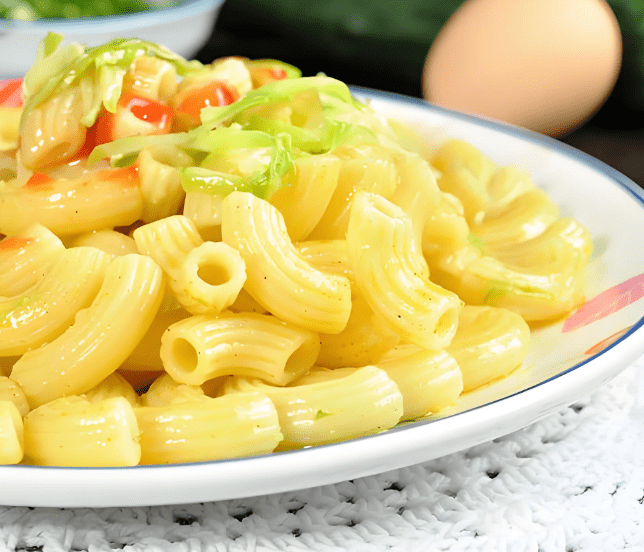
Macaroni, a beloved type of dry pasta characterized by its short, tubular shape, undergoes a precise industrial transformation from simple ingredients to a versatile staple. Unlike fresh pasta, its production is optimized for long shelf life and consistent cooking quality.
2. Core Ingredients & Quality Control
The foundation of traditional macaroni is durum wheat semolina, chosen for its high protein (gluten) content, distinctive yellow hue, and superior cooking tolerance. Water is the only other essential ingredient, though some varieties may include optional additives:
- Egg solids (for enriched pasta)
- Vitamins & minerals (iron, B-vitamins for fortification)
- Vegetable derivatives (spinach, tomato for color)
Critical quality checks include semolina granulation size, moisture content (< 14.5%), and absence of impurities. The gluten quality directly impacts the final texture.
3. The Modern Manufacturing Process
3.1 Mixing & Hydration
Semolina is fed into a continuous, high-speed mixer where it’s blended with warm water (typically 30-40°C/86-104°F). The hydration rate is precisely controlled (around 30% water by weight) to form a crumbly, uniform mixture called pasta grist. This stage must achieve even moisture distribution without activating gluten development prematurely.
3.2 Kneading & Extrusion
The grist enters a vacuum extruder, the heart of the process:
- It is compressed by a single or twin-screw mechanism through a barrel, generating friction heat (max 50-55°C/122-131°F) and working the dough into a homogeneous, plastic mass.
- The vacuum system removes air bubbles, ensuring a dense, translucent structure and preventing oxidation (which preserves color and cooking quality).
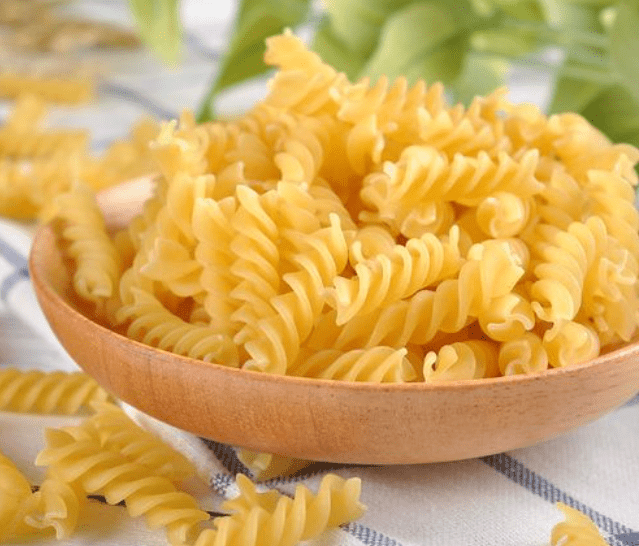
- The dough is forced through a bronze or Teflon-coated die. The die’s design, with a central pin, creates the characteristic hollow tubular shape. Different die designs produce elbow macaroni, penne, or ziti.
3.3 Pre-Drying & Shaping
As strands emerge, automated cutters slice them to precise lengths. For shapes like elbow macaroni, specialized equipment (like air suction or mechanical guides) curves the tubes before they set.
3.4 The Critical Drying Phase
This is the most technically sensitive stage, where improper drying causes cracking, checking (internal fractures), or microbial growth. Modern plants use multi-stage dryers with precisely controlled temperature, humidity, and airflow profiles.
- Pre-Drying (40-50°C/104-122°F): A high-humidity environment gently removes surface moisture without creating a hard shell that traps internal moisture.
- Resting: Allows internal moisture to migrate to the surface.
- Final Drying (60-75°C/140-167°F): Gradually reduces moisture to the legal standard for dry pasta (≤ 12.5%, typically 10-12%). The slow, controlled process ensures stress-free stabilization of the protein-starch matrix.
- التبريد: Brings the pasta to room temperature in conditioned air to prevent condensation before packaging.
4. Quality Assurance & Packaging
Finished macaroni is inspected via optical sorters for color consistency and shape defects, and may be mechanically sieved to remove broken pieces (grists). It is then packaged in protective, moisture-resistant bags, often with modified atmospheres (nitrogen flushing) to prevent oxidation and pest infestation. Metal detection is a final, mandatory safety step.
5. The Final Transformation: Cooking Quality
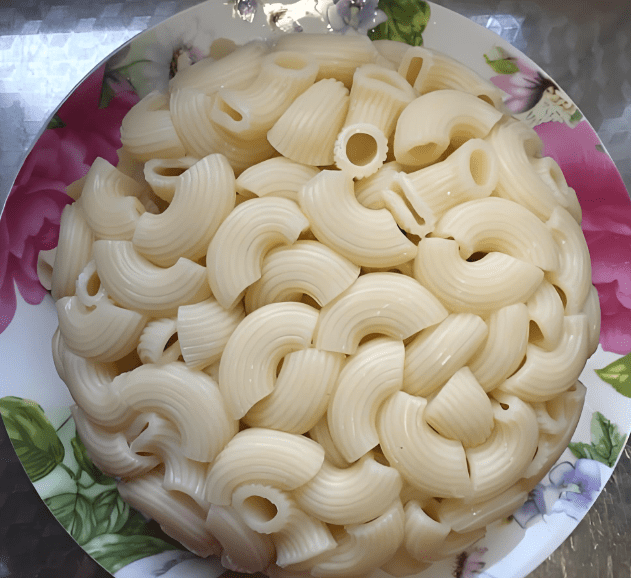
The ideal industrial process produces macaroni with:
- Optimum Cooking Time: Firm yet tender texture (al dente).
- Minimal Cooking Loss: Starch retained, not excessively released into water.
- Good Swelling Index: Maintains shape without becoming mushy.
- Bright, Stable Color.
Conclusion
Macaroni manufacturing is a masterful balance of tradition and food engineering. By meticulously controlling every variable—from the purity of durum semolina to the gentle kinetics of the drying curve—producers transform two humble ingredients into a durable, nutritious, and consistently perfect canvas for countless culinary creations. The process underscores how industrial precision can deliver a staple food of remarkable quality and shelf stability.