
Precision in a Packet: Key Considerations for Processing Small-Portion Instant Noodles
The global instant noodle market is a testament to the demand for convenience, affordability, and taste. While family-sized packs have their place, the small-portion, single-serve instant noodle packet is a ubiquitous staple in offices, dorm rooms, and pantries worldwide.Instant noodle making machine The processing of these small portions presents a unique set of challenges and opportunities that differ significantly from larger formats. Achieving a consistent, high-quality product in a small package requires meticulous attention to every stage of production, from raw material selection to final packaging. This article delves into the critical considerations for successfully manufacturing small-portion instant noodles.
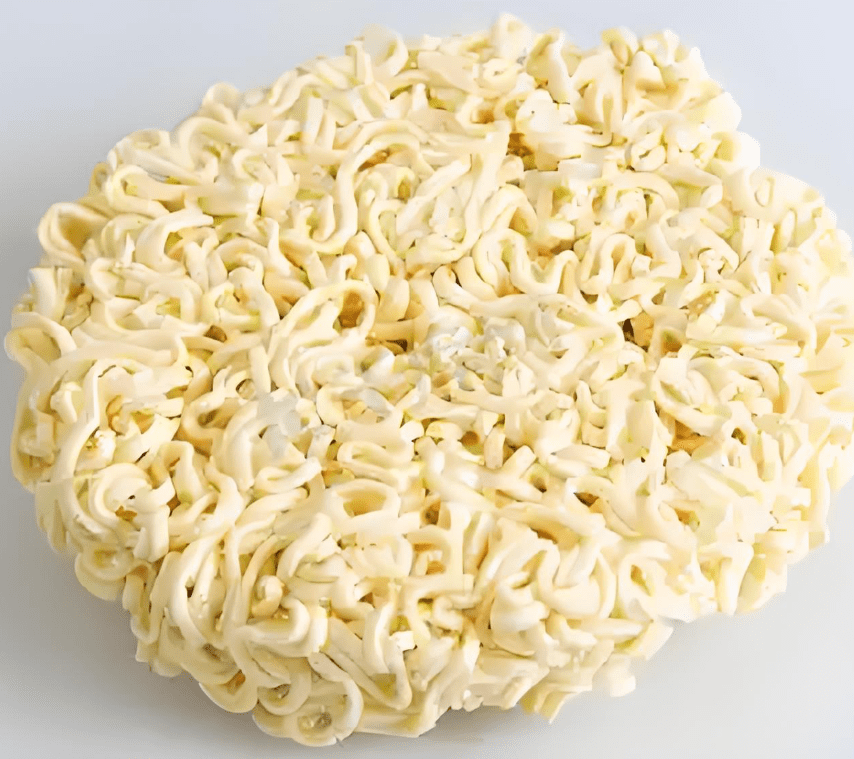
1. Raw Material Specification: The Foundation of Miniaturization
The journey to a perfect small-portion noodle begins with the precise specification of raw materials. Instant noodle making machine What works for a large block may not scale down effectively.
- Flour Protein and Ash Content: The wheat flour used must have a carefully balanced protein content (typically between 9-12%). Too much protein can make the noodles too tough and chewy for a delicate small block, while too little results in a weak, crumbly texture that cannot withstand processing. The ash content, indicating mineral residue, must be low to ensure a bright, appealing color in the final noodle strand.
- Starch Selection: The addition of specific starches (e.g., tapioca, potato) is crucial for achieving the desired quick re-hydration and slightly elastic texture. For small portions, the starch must form a strong yet porous matrix that allows hot water to penetrate rapidly without causing the noodles to become mushy.
- Water Quality and Hardness: The mineral content of the water used in kneading can significantly impact gluten development. Consistent, demineralized or soft water is ideal to ensure uniform dough rheology batch after batch.
- Small-Batch Seasoning Precision: The seasoning packet, while small, must deliver an intense and balanced flavor burst. The grind size of powders (salt, MSG, spices) must be ultra-fine to prevent segregation in the small packet and to ensure it dissolves instantly. The ratio of oil/fat to powders in liquid seasonings must be perfect to avoid leakage or clumping.
2. Dough Mixing and Kneading: Achieving Micro-Structural Integrity
The mixing stage is where the noodle’s fundamental structure is created. For a small block, consistency is paramount.
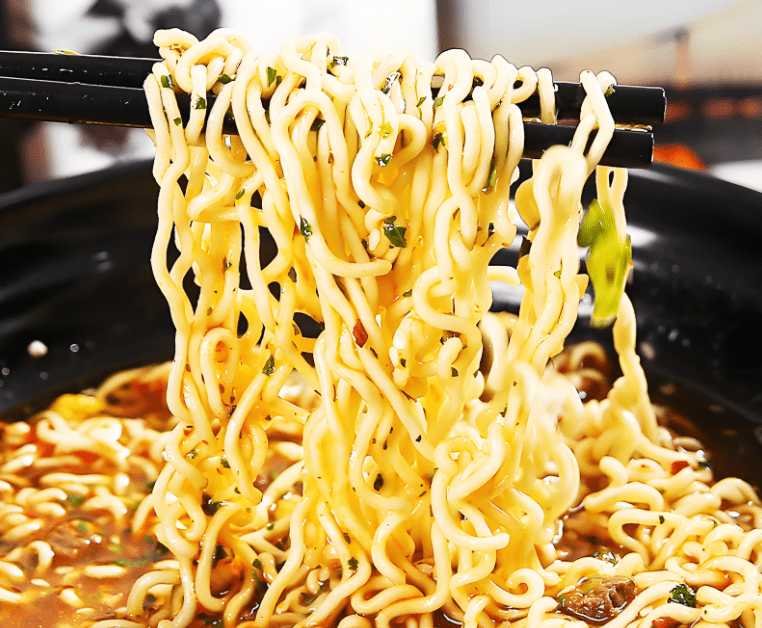
- Uniform Hydration: Unlike larger batches where slight inconsistencies can average out, any variation in a small batch is immediately apparent. Instant noodle making machine High-shear mixers must ensure that every gram of flour is equally hydrated. The goal is a crumbly, uniform mixture that will feed consistently into the subsequent sheeting rolls.
- Controlled Gluten Development: The kneading process must develop the gluten network just enough to provide strength but not so much that the noodle becomes dense and slow to cook. Over-kneading is a common pitfall that can ruin the delicate texture required for a quick-prep small noodle.
3. Composite Sheeting and Slitting: The Art of Thinness and Strength
This is perhaps the most critical mechanical stage for defining the noodle’s eating quality.
- Progressive Reduction Rolls: The dough is passed through a series of rollers with progressively smaller gaps. For small noodles, the final sheeting thickness is crucial. The noodle must be thin enough to rehydrate quickly (often targeting 1.0 to 1.2 mm) but possess enough structural integrity to avoid disintegrating during frying or in hot water.
- Slitter Blade Sharpness and Alignment: The slitter blades that cut the sheets into individual noodle strands must be razor-sharp and perfectly aligned. Dull blades can press and seal the edges of the strands, creating a barrier that impedes water penetration and leads to a hard, uncooked core. Consistent strand thickness is non-negotiable for even cooking.
4. Steaming: The Crucial Gelatinization Step
Steaming is the stage where the starch in the flour granules gelatinizes, and the protein sets, transforming the raw dough into an edible noodle.
- Precise Steam Saturation and Time: The noodle strands must be subjected to saturated steam at a specific temperature (typically 100-105°C) for a precise amount of time (60-120 seconds). Under-steaming results in a white, raw core and a brittle final product. Over-steaming causes surface blisters, excessive stickiness, and a poor texture. For the continuous, high-speed production of small noodles, the conveyor speed and steam flow must be in perfect harmony.
5. Quick-Drying or Frying: Creating the Porous Structure
This step is the defining characteristic of instant noodles, creating the porous, dry structure that allows for rapid rehydration.
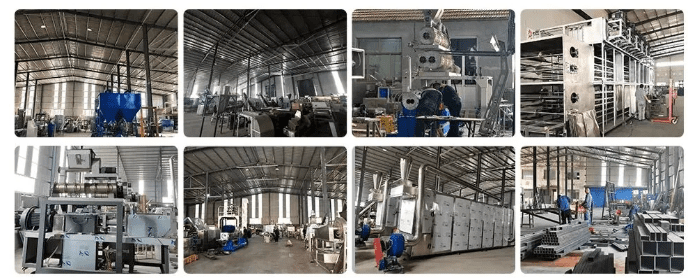
- Low-Pressure Frying for Small Portions: For fried noodles, the small noodle block must be fried in oil at a controlled temperature (typically 140-160°C). The key here is the “puffing” effect. The residual moisture in the steamed noodles rapidly vaporizes, creating a fine, porous network of micro-tunnels throughout the block.
- Oil Temperature Control: If the oil is too hot, the outside seals too quickly, trapping moisture inside and resulting in a greasy, soft noodle. If it’s too cool, the noodle absorbs excessive oil, becoming rancid quickly and having a greasy mouthfeel. For small portions, the fry time is short, making temperature stability absolutely critical.
- Oil Turnover and Filtration: Small batches moving through a large fryer can lead to poor oil turnover, causing degradation. Continuous filtration and frequent oil replenishment are essential to maintain oil quality, prevent off-flavors, and control Acrylamide formation.
- Air Drying (Non-Fried): For air-dried noodles, the challenge is different. Hot air must circulate evenly around each small block to remove moisture without case-hardening (drying the outside too fast). This process takes longer but results in a less oily product. Precise control of air temperature, humidity, and velocity is required to achieve the desired shelf-stable moisture content (typically below 12%) while maintaining a quick-cook time.
6. Cooling and Block Weighing: Ensuring Stability and Accuracy
Post-frying or drying, the noodles are hot and fragile.
- Forced-Air Cooling: The noodles must be cooled rapidly and uniformly to ambient temperature before packaging. This stops the cooking process, Instant noodle making machine prevents condensation in the package (which leads to mold and sogginess), and makes the blocks robust enough for handling.
- High-Precision Weighing: In single-serve products, weight accuracy is a critical quality and cost-control measure. Multi-head weighers or precision scales must ensure that every packet contains the exact net weight, accounting for the small weight variations in individual noodle blocks and the seasoning packets. Under-weight packets lead to customer complaints, while over-weight packets erode profit margins at a massive scale.
7. Packaging: The Final Barrier
The packaging is not just a container; it is an active component in preserving the product’s quality.
- Bowl vs. Packet Material: For cup/bowl noodles, the container must be heat-resistant and provide a barrier against moisture, oxygen, and light. For packet noodles, the laminated film (often PET/AL/PE or PET/MPET/PE) must have excellent seal integrity and barrier properties.
- Gas Flushing: To extend shelf life and prevent oxidative rancidity (especially for fried noodles), the package is often flushed with an inert gas like nitrogen before sealing. This displaces oxygen, which is the primary enemy of shelf-stable fried foods. The efficiency of this gas flush is vital.
- Seal Integrity: Every seal must be perfect. A microscopic leak can allow moisture and oxygen to enter, leading to spoilage, texture loss, and customer returns. Automated vision systems and regular destructive testing of seals are mandatory quality control procedures.
8. Seasoning Packet Integration: A Symphony of Flavors in Miniature
The small-portion model often includes one or more small seasoning packets.
- Powder Flowability and Dispensing: The machinery that portions the powder must handle it without bridging or clumping. Anti-static treatments and precise vibratory feeders are used to ensure each packet gets the correct amount.
- Liquid Seasoning Accuracy: Liquid seasonings, often containing oil, soy sauce, and chili, are even more challenging. Drip-less nozzles and piston fillers must deliver micro-volumes with high accuracy to prevent mess and ensure consistent flavor.
- Packet Integrity: The individual seasoning packets themselves must be perfectly sealed. A leaky oil packet can ruin the entire product, staining the noodle block and the outer packaging.
Processing small-portion instant noodles is a discipline of precision engineering, food science, and meticulous quality control. Instant noodle making machine It is a process where macro-scale principles are applied to a micro-scale product, demanding a higher degree of accuracy at every single step. The margin for error is slim, and the consumer’s expectation for a perfect, consistent experience with every single packet is high. From the protein content of the flour to the sharpness of the slitter blades and the integrity of the final seal, every detail is a key problem that must be solved with expertise and care. The success of a small-portion instant noodle lies in mastering this intricate balance, delivering a moment of reliable satisfaction in a conveniently small package.