
1. Introduction to Mimi Shrimp Snacks
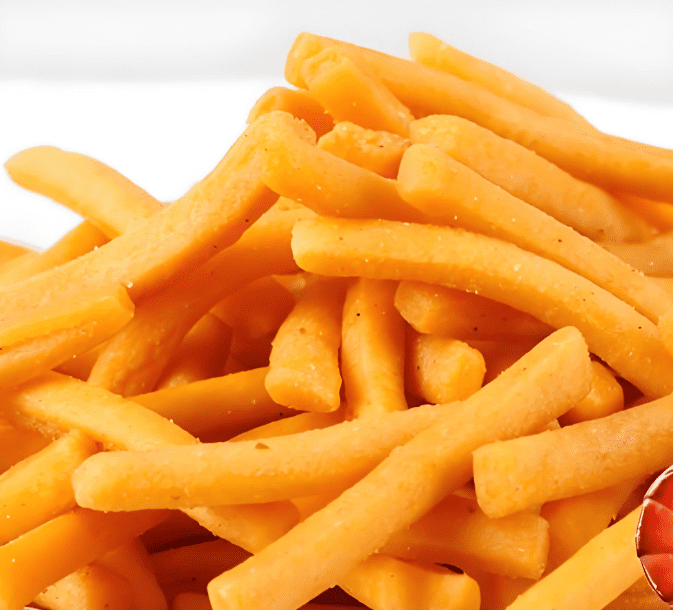
Mimi shrimp snacks are popular extruded snacks known for their distinctive shrimp flavor, crispy texture, attractive appearance, and convenient packaging. They are widely enjoyed by children and adults and are commonly sold in supermarkets, convenience stores, and snack shops.
The production of Mimi shrimp snacks mainly involves raw material preparation, mixing, extrusion, shaping, drying, frying or baking, seasoning, cooling, and packaging. Among these processes, extrusion is particularly important because it determines the product’s shape, internal structure, expansion rate, and final texture.
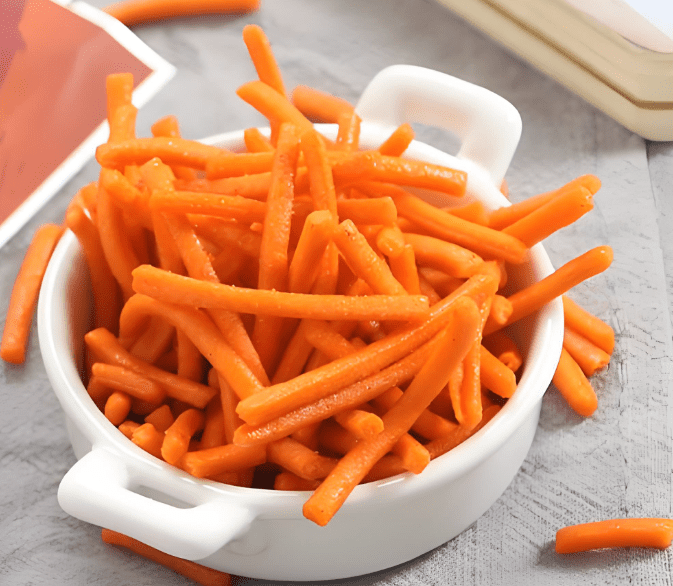
For food manufacturers planning to enter the snack industry, understanding the complete Mimi shrimp snack processing technology is essential for producing consistent, high-quality products.
2. Main Raw Materials for Mimi Shrimp Snacks
The quality of raw materials directly affects the taste, texture, appearance, and nutritional value of Mimi shrimp snacks.
Common ingredients include:
- Wheat flour: Provides the basic structure and helps form the dough.
- Corn starch: Improves expansion performance and creates a crispy texture.
- Potato starch or tapioca starch: Helps improve product crispness and texture.
- Shrimp powder: Provides the characteristic shrimp flavor and aroma.
- Seasoning ingredients: Salt, sugar, monosodium glutamate, and other flavoring ingredients enhance the taste.
- Vegetable oil: Used in frying or seasoning, depending on the production process.
- Water: Adjusts the moisture content of the raw material mixture.
Manufacturers can adjust the ingredient proportions according to their product positioning, target market, and desired flavor.
It is also important to ensure that all raw materials meet food safety standards and are properly stored before production.
3. Complete Mimi Shrimp Snack Processing Flow
A typical production process can be summarized as follows:
Raw Material Preparation → Mixing → Extrusion → Cutting and Shaping → Drying → Frying or Baking → Seasoning → Cooling → Packaging
Different manufacturers may adjust this process according to their equipment configuration and product requirements.
4. Detailed Mimi Shrimp Snack Production Process
Step 1: Raw Material Preparation
Before production begins, manufacturers need to inspect and prepare all raw materials.
Wheat flour, starch, shrimp powder, and seasoning ingredients should be weighed accurately according to the product formula.
Powdered ingredients may need to be sieved to remove impurities and break up lumps. This helps ensure uniform mixing and prevents foreign materials from entering the production line.
The moisture content and quality of the raw materials should also be checked before processing.
Step 2: Mixing
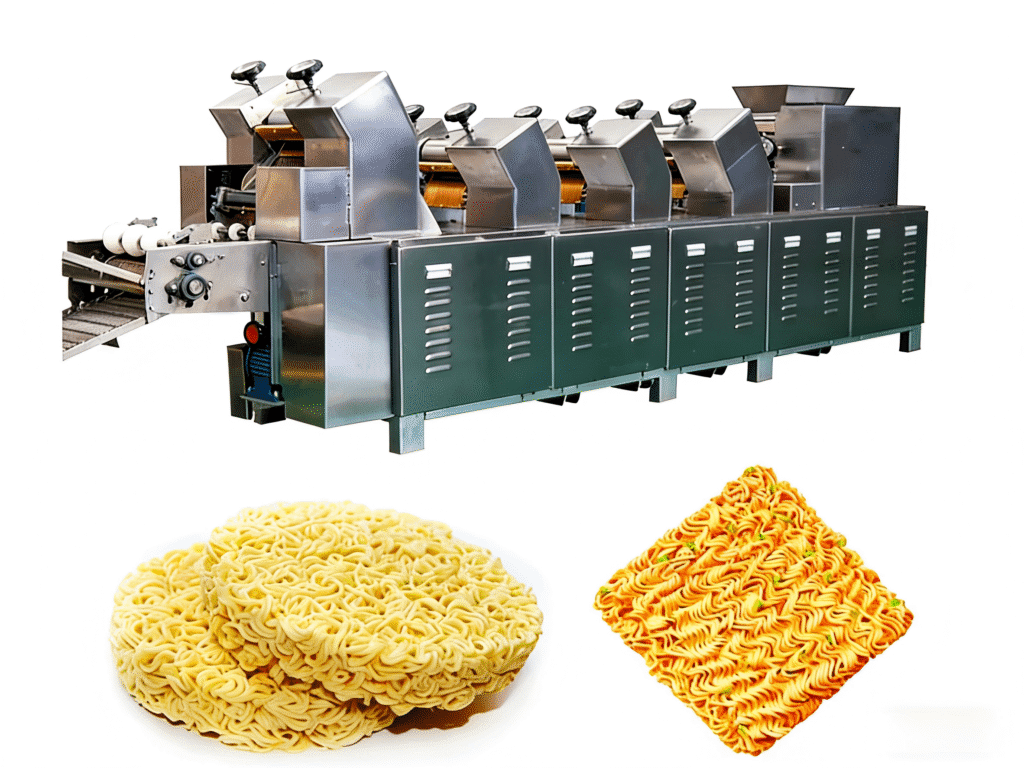
The prepared ingredients are transferred into a mixing machine.
During this stage, flour, starch, shrimp powder, salt, and other dry ingredients are blended thoroughly. Water is then added gradually to achieve the required moisture content.
Uniform mixing is essential because uneven ingredient distribution can cause inconsistent expansion, flavor differences, and unstable product quality.
Manufacturers should pay particular attention to water addition. Excessive moisture may affect extrusion performance, while insufficient moisture can make the material difficult to process.
Step 3: Extrusion
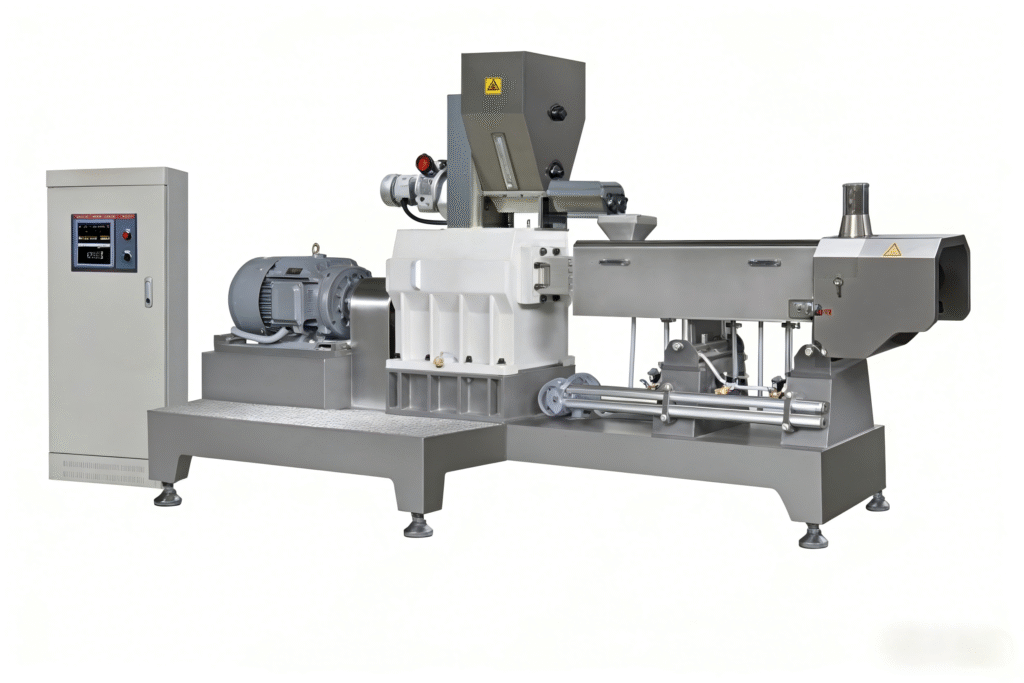
Extrusion is one of the most important stages in Mimi shrimp snack production.
The mixed materials are fed into an extruder, where they are conveyed, compressed, heated, and processed under controlled mechanical and thermal conditions.
Inside the extruder, the screw pushes the material forward while friction and external heating help form a plasticized mass.
The material is then forced through a specially designed die to obtain the required shape.
The extrusion process affects several important product characteristics, including:
- Product expansion rate
- Internal pore structure
- Shape and dimensions
- Texture and crispness
- Production efficiency
Manufacturers need to select suitable screw configurations, die designs, temperatures, and screw speeds according to the product formula.
Step 4: Cutting and Shaping
After extrusion, the product is cut into the required lengths and shapes.
A rotary cutter or other cutting device can be used depending on the production line design.
The cutting system should operate smoothly to ensure consistent product dimensions.
Accurate cutting not only improves the appearance of Mimi shrimp snacks but also makes subsequent drying and frying more uniform.
Step 5: Drying
Freshly extruded products usually contain considerable moisture and therefore need to be dried before further processing.
A continuous belt dryer is commonly used in industrial snack production.
During drying, hot air passes through the product layer to remove excess moisture. Temperature, drying time, air circulation, and material thickness all influence the final result.
Proper drying helps:
- Reduce moisture content.
- Improve product stability.
- Prevent deformation during subsequent processing.
- Promote consistent frying or baking.
- Improve final product crispness.
It is important to avoid excessive drying, which may cause cracking or negatively affect the final texture.
Step 6: Frying or Baking
Depending on the product design, dried Mimi shrimp snack pieces can be fried or baked.
Frying process:
Frying in vegetable oil allows the snack pieces to expand further and develop a crispy texture. Oil temperature, frying time, and product moisture content must be carefully controlled.
If the oil temperature is too low, the products may absorb excessive oil. If it is too high, the surface may become overly dark before the inside reaches the desired condition.
Baking process:
Some manufacturers choose hot-air baking as an alternative to frying. This method can reduce the amount of added oil and produce a different texture.
The appropriate processing method depends on the desired flavor, product positioning, and market demand.
Step 7: Seasoning
Seasoning gives Mimi shrimp snacks their distinctive taste.
After frying or baking, the products are transferred into a seasoning machine, such as a rotary seasoning drum.
Flavoring powder is evenly distributed over the snack surface through continuous rotation and mixing.
Common seasoning options include:
- Original shrimp flavor
- Spicy shrimp flavor
- Barbecue flavor
- Cheese flavor
- Tomato flavor
- Garlic flavor
The amount of seasoning, spraying rate of oil or liquid flavoring, and mixing time should be controlled carefully.
Uniform seasoning improves product consistency and consumer acceptance.
Step 8: Cooling
After seasoning, the snacks should be cooled to room temperature before packaging.
A cooling conveyor can help remove residual heat and stabilize the product texture.
Packaging products while they are still hot may cause condensation inside the package, increasing moisture content and reducing crispness.
Therefore, sufficient cooling is essential for maintaining product quality and shelf life.
Step 9: Packaging
The cooled Mimi shrimp snacks are transferred to an automatic weighing and packaging machine.
Common packaging formats include small individual bags, medium-sized retail packages, and large family packs.
Packaging materials should provide effective moisture and oxygen barriers to help preserve freshness, flavor, and crispness.
Manufacturers should also ensure that each package has an accurate net weight and clear product labeling.
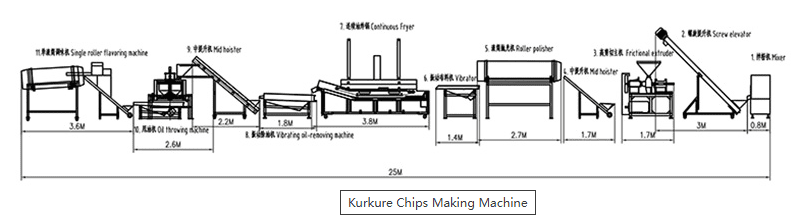
5. Main Equipment Required for Mimi Shrimp Snack Production
A commercial Mimi shrimp snack production line generally includes the following equipment:
| Equipment | Main Function |
|---|---|
| Raw material mixer | Blends flour, starch, shrimp powder, and other ingredients |
| ناقل المسمار | Transfers raw materials |
| الطارد | Processes and shapes the mixed materials |
| Cutting machine | Cuts products into required sizes |
| Conveyor system | Transfers products between processing stages |
| Continuous dryer | Reduces product moisture |
| Frying machine or baking oven | Develops the final texture |
| De-oiling machine | Removes excess surface oil after frying |
| ماكينة توابل | Applies flavoring ingredients |
| Cooling conveyor | Cools finished snacks |
| Packaging machine | Weighs and packages finished products |
The specific equipment configuration depends on production capacity, product design, processing methods, and investment budget.
For small manufacturers, a compact production line may be sufficient. Larger factories may require automated conveying, centralized control systems, and higher-capacity processing equipment.
6. Important Factors Affecting Mimi Shrimp Snack Quality
To produce high-quality Mimi shrimp snacks, manufacturers should pay attention to several key factors.
6.1 Raw Material Formula
The ratio of wheat flour, starch, shrimp powder, and water influences dough properties, expansion, flavor, and texture.
An appropriate formula should provide good extrusion performance while maintaining the desired shrimp flavor.
6.2 Moisture Content
Moisture affects material flow, extrusion pressure, product expansion, and drying efficiency.
Too much or too little moisture can result in inconsistent product quality. Manufacturers should establish suitable moisture specifications through production trials.
6.3 Extrusion Temperature
Temperature influences starch gelatinization, material plasticization, and product expansion.
Different formulations require different temperature settings. Excessive temperatures may cause undesirable color changes or affect flavor, while insufficient temperatures may lead to poor processing and inadequate expansion.
6.4 Extrusion Pressure and Screw Speed
Screw speed and extrusion pressure influence material residence time, shearing action, and product structure.
These parameters should be adjusted together rather than independently to maintain stable production.
6.5 Drying Conditions
Uneven drying may cause inconsistent moisture levels, deformation, or differences in final texture.
Proper air circulation, temperature control, and drying time are necessary to achieve uniform results.
6.6 Frying Temperature
For fried Mimi shrimp snacks, oil temperature and frying time directly affect expansion, color, crispness, and oil absorption.
Regularly monitoring oil quality and replacing degraded frying oil are also important.
7. How to Improve the Production Efficiency of Mimi Shrimp Snacks
Improving production efficiency is important for reducing manufacturing costs and increasing profitability.
Manufacturers can consider the following measures:
- Choose suitable production equipment: Select an extruder and auxiliary equipment that match the expected production capacity.
- Optimize the raw material formula: A stable formula helps reduce processing fluctuations and product defects.
- Use continuous processing equipment: Automated conveying, drying, and seasoning systems can reduce manual operations.
- Control processing parameters: Establish standardized operating procedures for mixing, extrusion, drying, and frying.
- Perform regular equipment maintenance: Clean the extruder, inspect the cutting system, and maintain the drying and frying equipment.
- Improve production monitoring: Monitor product moisture, dimensions, expansion, color, and finished-product quality throughout production.
These measures help manufacturers achieve more consistent production and reduce unnecessary material waste.
8. Food Safety and Quality Control
Food safety should be considered throughout the entire Mimi shrimp snack production process.
Manufacturers should establish a comprehensive quality management system covering raw material inspection, processing hygiene, equipment sanitation, and finished-product testing.
Important control measures include:
- Purchase ingredients from qualified suppliers.
- Check incoming materials for quality and contamination.
- Maintain hygienic production environments.
- Prevent cross-contamination between raw materials and finished products.
- Monitor frying oil quality when frying is used.
- Control final product moisture and water activity.
- Conduct appropriate microbiological and physical inspections.
- Use food-grade packaging materials.
- Establish batch records and product traceability procedures.
Because shrimp is a crustacean allergen, manufacturers must also ensure proper allergen management and labeling according to the regulations of their target markets.
9. Conclusion
The production of Mimi shrimp snacks involves several interconnected processing stages, including raw material preparation, mixing, extrusion, cutting, drying, frying or baking, seasoning, cooling, and packaging.
Each stage plays an important role in determining the final product’s appearance, flavor, texture, and quality.
For manufacturers planning to establish a Mimi shrimp snack production business, selecting suitable equipment, developing a stable formula, optimizing extrusion and drying parameters, and implementing strict quality control are essential.
With an appropriately designed production line and standardized processing procedures, manufacturers can produce crispy, flavorful, and consistently high-quality Mimi shrimp snacks while improving production efficiency and market competitiveness.


