
1. Executive Summary
The global cat food market is experiencing robust growth, driven by increasing pet ownership, humanization trends, and rising demand for premium and specialized nutrition. Valued at approximately USD 35-40 billion in 2023, the market is projected to grow at a CAGR of 5-6% through 2028, with premium and functional segments expanding even faster. Key drivers include urbanization, rising disposable incomes, and heightened awareness of feline health and wellness.
2. Market Size and Growth Drivers
- Current Valuation: Global cat food sales reached USD 38.2 billion in 2023, with dry kibble dominating volume but wet/functional foods growing faster in value.
- Primary Growth Drivers:
- Pet Humanization: 65% of cat owners consider pets “family members,” driving demand for higher-quality, human-grade ingredients.
- Urbanization & Smaller Households: Cats are increasingly preferred in cities due to lower space requirements.
- E-commerce Expansion: Online sales grew by 18% annually (2020-2023), making up ~35% of total market sales.
- Health & Wellness Trends: 70% of owners seek foods addressing specific health needs (weight management, urinary/dental health, allergies).
3. Segmentation and Key Trends
By Product Type:
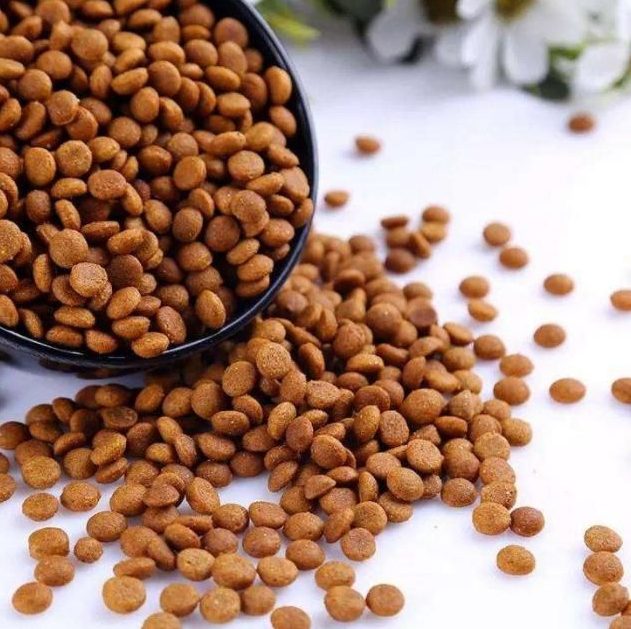
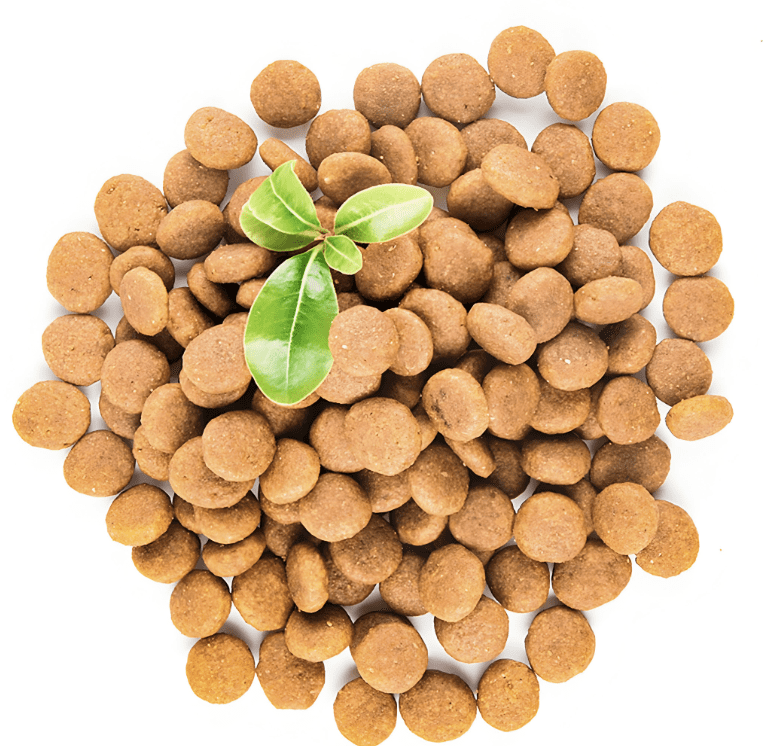
- Dry Food: Holds ~50% market share but growth is slowing (2-3% CAGR).
- Wet Food: Growing at 6-7% CAGR due to perceived hydration and palatability benefits.
- Treats & Functional Snacks: The fastest-growing segment (8-9% CAGR), especially dental treats and supplements.
- Freeze-Dried/Raw: Niche but high-growth (10-12% CAGR) among premium buyers.
By Health Focus:
- Weight Management: 30% of cats are overweight/obese, creating sustained demand for light/balanced formulas.
- Indoor Cat Formulas: Tailored to lower activity levels and hairball control.
- Age-Specific Nutrition: Senior cat foods (>11 years) growing rapidly as feline longevity increases.
- Hypoallergenic & Limited-Ingredient Diets: Addressing rising food sensitivity diagnoses.
4. Regional Market Dynamics
- North America: Largest market (~40% share), with premiumization and subscription services leading growth.
- Europe: Focus on sustainability, with insect protein and recyclable packaging gaining traction.
- Asia-Pacific: Fastest-growing region (7-8% CAGR), led by China and Japan’s urban pet boom.
- Latin America/Middle East: Emerging markets with rising middle-class adoption of commercial pet food.
5. Consumer Behavior Shifts
- Transparency Demands: 60% of buyers check ingredient lists; “clean label” claims influence purchases.
- Subscription Models: 25% of cat food is sold via subscription for convenience and regular delivery.
- Sustainability Concerns: 45% of millennials prefer eco-friendly packaging and ethically sourced ingredients.
- Digital Influence: 40% discover brands through social media (Instagram, TikTok) and influencer reviews.
6. Innovation and R&D Focus Areas
- Alternative Proteins: Insect, plant-based, and cultured proteins addressing ethical/environmental concerns.
- Personalized Nutrition: DNA-test-based diets and AI-powered feeding recommendations.
- Functional Additives: Probiotics, omega-3s, CBD (where legal), and joint-support compounds.
- Smart Packaging: Resealable, portion-controlled, and IoT-connected containers.
7. Competitive Landscape
- Major Players: Mars, Nestlé Purina, Hill’s Pet Nutrition, and J.M. Smucker hold ~60% market share.
- Challenger Brands: Direct-to-consumer (e.g., Smalls, Nom Nom) and niche players gaining share via digital marketing.
- Private Label: Retailer brands (e.g., Amazon, Chewy) expanding in mid-tier price segments.
8. Challenges and Barriers
- Supply Chain Volatility: Ingredient shortages and price fluctuations (e.g., poultry, fishmeal).
- Regulatory Scrutiny: Stricter labeling laws and safety standards (e.g., AAFCO, EU regulations).
- Greenwashing Accusations: Brands face skepticism over vague “natural” or “sustainable” claims.
- Economic Sensitivity: Lower-income households may trade down during recessions.
9. Future Projections (2024-2030)
- The market will reach ~USD 55 billion by 2030, with premium segments outpacing economy products.
- Technology Integration: AI-driven feeding systems, smart bowls, and health-monitoring apps will become mainstream.
- Veterinary Collaboration: More partnerships between food brands and vet clinics for prescription/therapeutic diets.
- Sustainability Mandates: Carbon-neutral production and circular packaging will shift from niche to norm.
10. Strategic Recommendations for Stakeholders
- Manufacturers: Invest in sustainable sourcing, functional R&D, and direct-to-consumer channels.
- Retailers: Curate premium assortments, enhance online experiences, and offer subscription flexibility.
- Startups: Focus on personalized nutrition, novel protein sources, and transparent storytelling.
- Investors: Target companies with strong digital presence, vet partnerships, and scalable innovation.
Conclusion: A Health-Conscious, Digital-First Future
The cat food market is evolving from mere sustenance to holistic wellness ecosystems. Success will depend on aligning with consumer values: transparency, sustainability, and science-backed nutrition. Brands that integrate technology, tailor solutions to individual cats, and communicate authentically will lead the next phase of growth in this dynamic, emotionally driven market.