
Drying is one of the most critical stages in dog food production. It directly affects product safety, shelf life, nutritional value, and palatability. dog food extruder Improper drying can lead to microbial growth, nutrient loss, or poor texture. This article outlines the key factors that must be carefully controlled during the drying process.
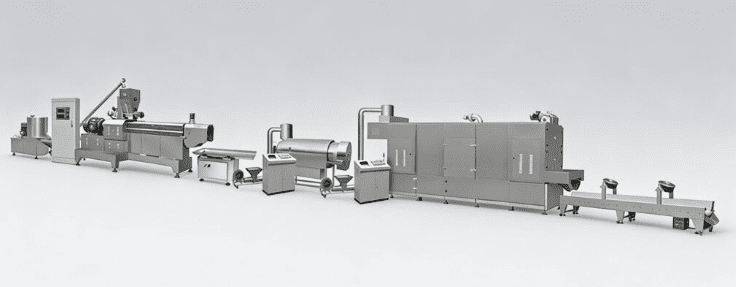
1. Moisture Content Control
The primary goal of drying is to reduce moisture to a safe level:
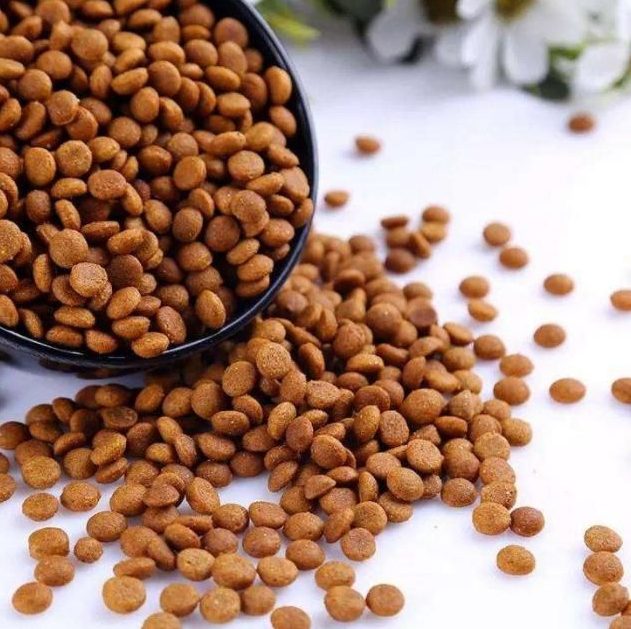
- Typical final moisture content for dry dog food (kibble) is around 8–10%
- Excess moisture can promote mold and bacterial growth
- Over-drying can make the product too hard and reduce palatability
Consistent monitoring using moisture analyzers is essential to ensure uniform results.
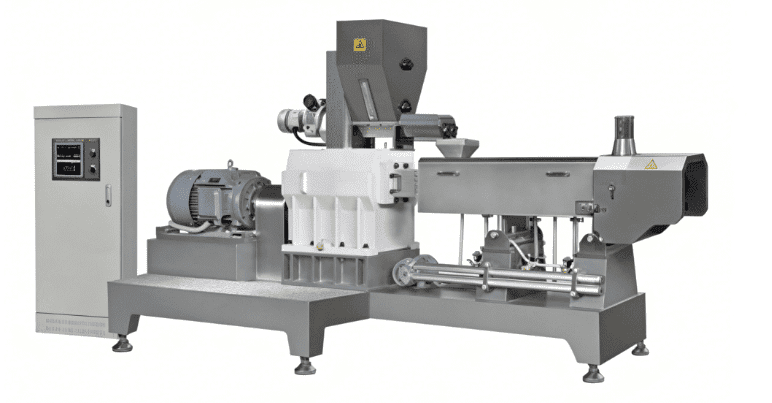
2. Drying Temperature
Temperature must be carefully balanced:
- High temperatures speed up drying but may destroy heat-sensitive nutrients such as vitamins
- Low temperatures preserve nutrients but increase drying time and energy costs
A controlled temperature profile (gradual heating and cooling) is often the best approach.
3. Airflow and Ventilation
Efficient airflow is crucial for removing moisture:
- Proper air circulation ensures even drying across all product layers
- Poor ventilation can cause uneven moisture distribution, leading to quality issues
- Air velocity and humidity must be optimized for consistent results
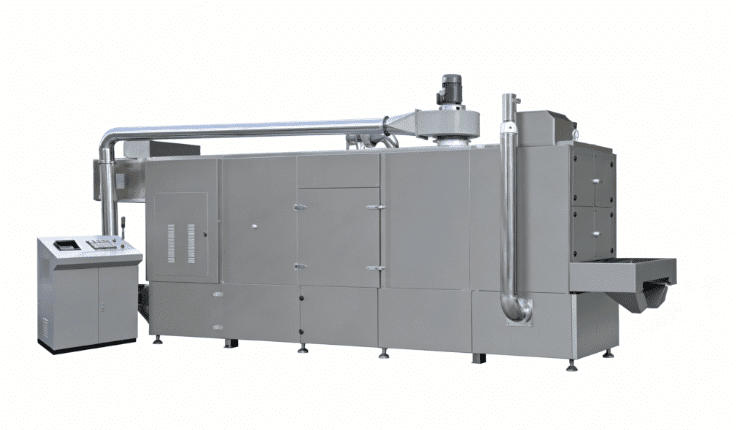
Industrial dryers often use forced-air systems to maintain uniform conditions.
4. Drying Time
Drying time must be optimized:
- Insufficient drying time leaves excess moisture
- Excessive drying time wastes energy and may degrade product quality
The ideal drying time depends on product size, shape, and formulation.
5. Product Thickness and Size
Uniformity matters:
- Smaller and evenly sized kibble dries more consistently
- Variations in size can result in uneven drying, where some pieces are over-dried and others under-dried
Proper extrusion and cutting processes help maintain consistency.
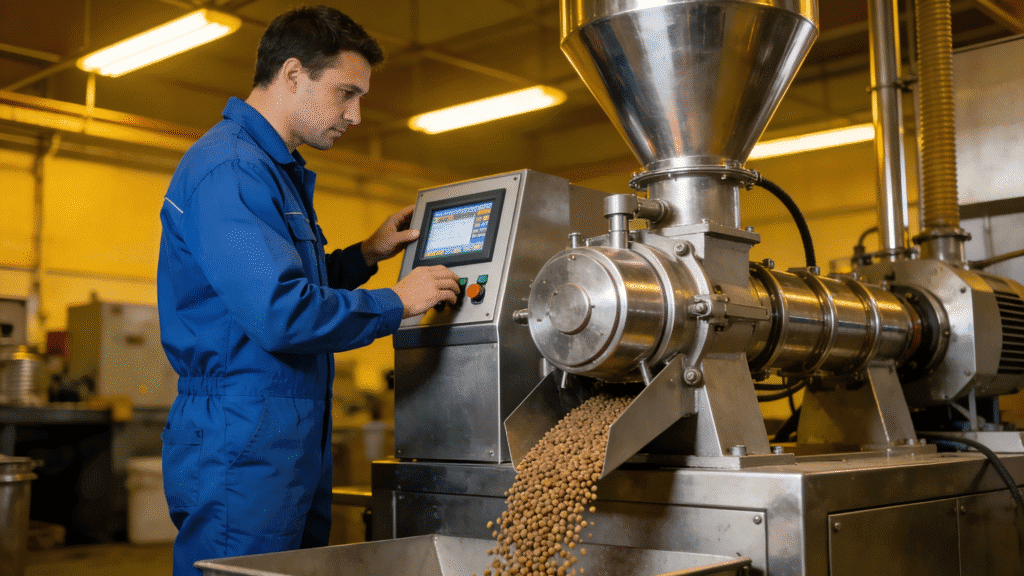
6. Nutrient Retention
Drying can affect nutritional quality:
- Heat-sensitive nutrients (e.g., vitamins A, E, and some amino acids) may degrade
- Protective techniques, such as coating nutrients after drying, can help preserve quality
Balancing safety and nutrition is key.
7. Equipment Selection and Maintenance
The choice of drying equipment impacts efficiency and quality:
- Common types include conveyor dryers, fluidized bed dryers, and oven dryers
- Equipment must be regularly cleaned and maintained to prevent contamination
Reliable equipment ensures consistent production.
8. Energy Efficiency
Drying is energy-intensive:
- Optimize temperature, airflow, and drying time to reduce energy consumption
- Consider heat recovery systems to improve efficiency
Reducing energy use lowers production costs and environmental impact.
9. Hygiene and Food Safety
Maintaining hygiene is essential:
- Prevent cross-contamination during drying
- Regularly sanitize equipment and drying chambers
- Monitor for microbial contamination
Strict hygiene standards ensure product safety and regulatory compliance.
Conclusion
Drying is a delicate balance between removing moisture, preserving nutrients, and maintaining product quality. dog food extruder By carefully controlling factors such as temperature, airflow, moisture content, and drying time, manufacturers can produce safe, nutritious, and high-quality dog food. Mastering these elements is essential for success in the competitive pet food industry.