
Extruded snacks are popular all over the world because of their crispy texture, attractive shapes, and rich flavors. However, the success of an extruded snack does not depend only on the extrusion process itself. Seasoning plays a critical role in determining the final taste, aroma, appearance, and consumer acceptance of the product. A perfectly expanded snack with poor seasoning will still fail in the market, while excellent flavoring can greatly increase product value and brand competitiveness.
This article explains how extruded snacks are seasoned, the main seasoning methods, the equipment involved, and the key factors that influence seasoning quality.
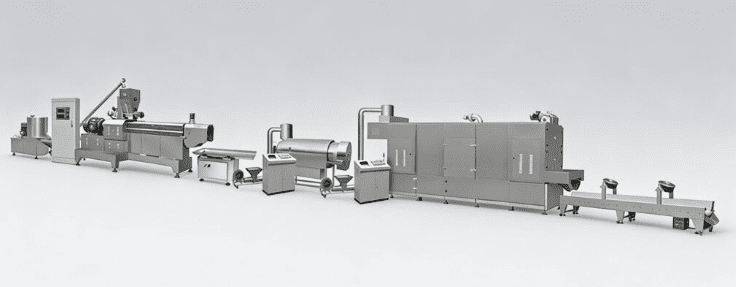
What Is Snack Seasoning?
Seasoning is the process of applying flavors, oils, spices, sweeteners, or functional ingredients onto the surface of extruded snacks after extrusion and drying. The purpose is to create attractive taste profiles such as:
- Cheese
- Barbecue
- Spicy chili
- Tomato
- Sour cream
- Seaweed
- Honey butter
- Chocolate
- Yogurt
- Sweet corn
The seasoning stage transforms a plain puffed product into a flavorful finished snack.
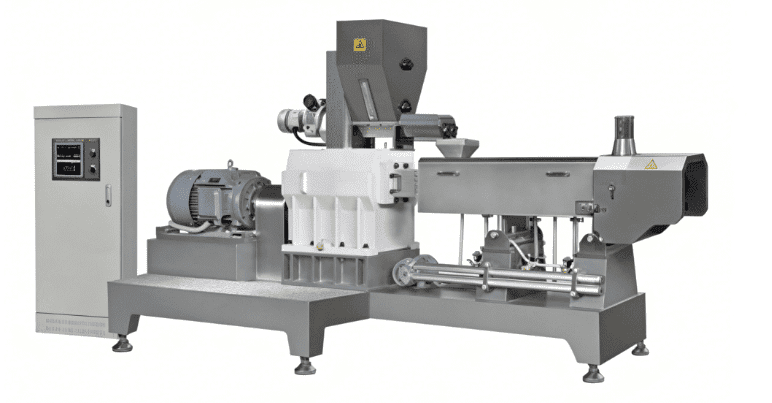
The Basic Seasoning Process
The seasoning process for extruded snacks usually includes four main steps:
- Product cooling
- Oil spraying
- Powder seasoning application
- Mixing and coating
These steps must work together to ensure uniform flavor distribution and stable product quality.
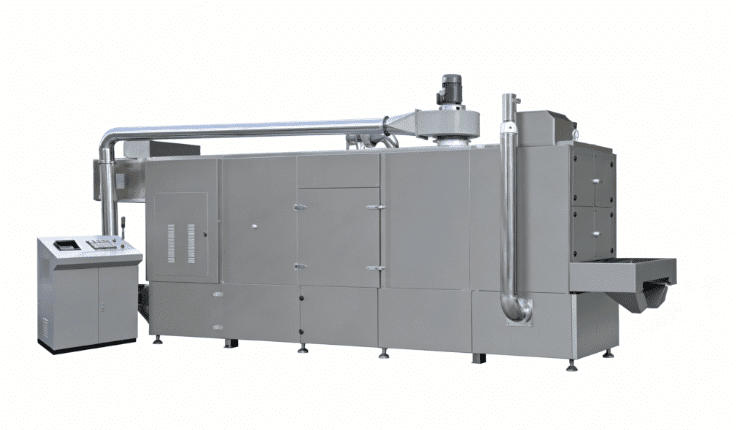
Step 1: Cooling the Extruded Product
After extrusion and drying, snacks are still hot and fragile. Before seasoning, the product must be cooled to a suitable temperature.
Proper cooling is important because:
- Excess heat can damage flavor compounds
- Powder seasoning may melt or clump
- Oil absorption becomes unstable
- Product texture may soften
Most factories use cooling conveyors or vibrating coolers before seasoning.
The ideal product temperature before seasoning is usually between 35°C and 45°C.
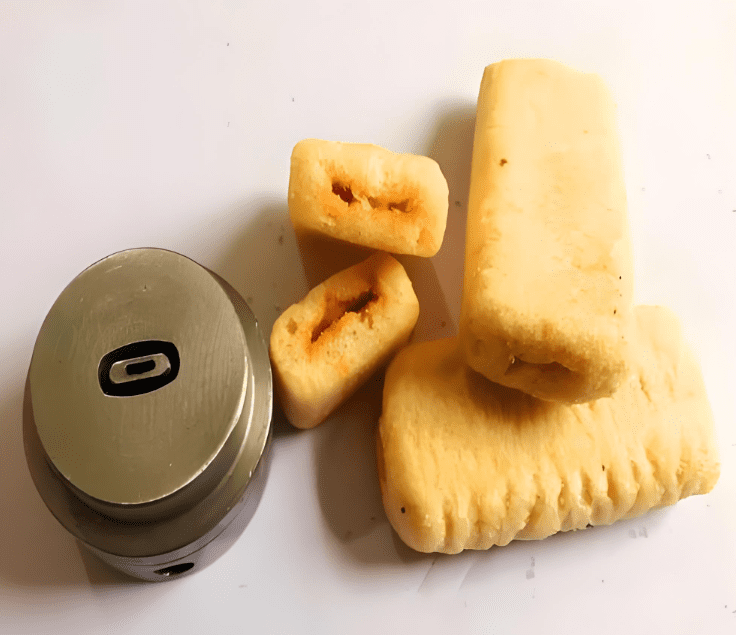
Step 2: Oil Spraying
Oil is extremely important in snack seasoning because it helps flavor powders stick to the product surface.
Common oils include:
- Palm oil
- Sunflower oil
- Corn oil
- Soybean oil
- Coconut oil
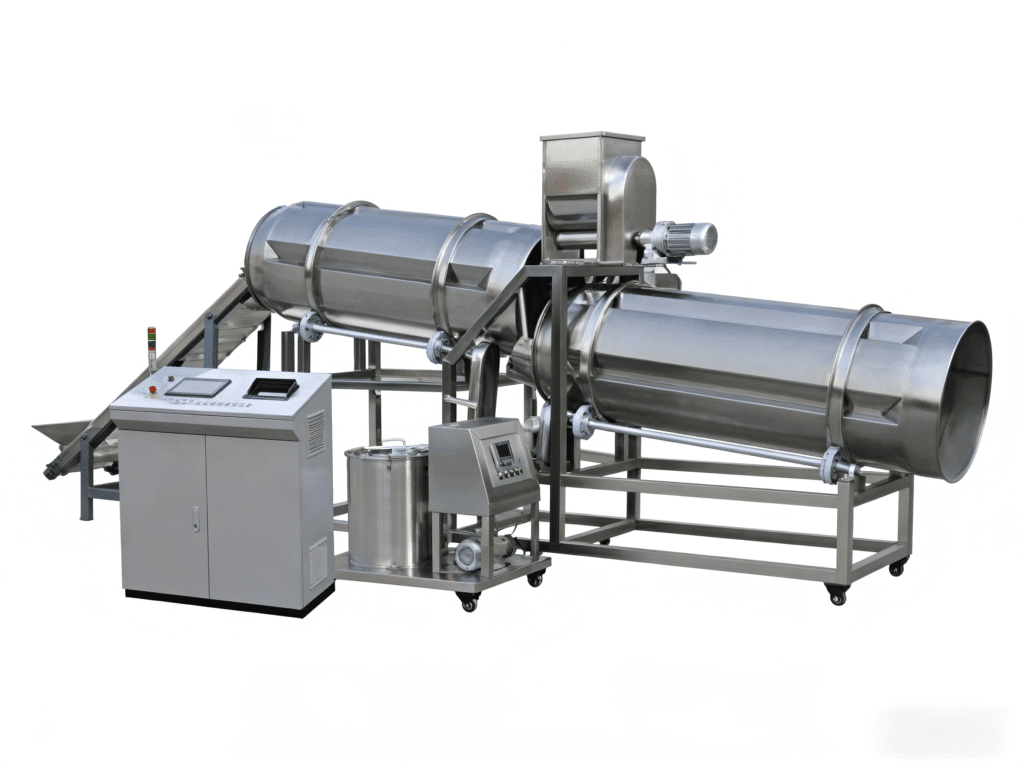
The oil is sprayed evenly onto the snack surface using atomizing nozzles inside a seasoning drum or coating machine.
Functions of Oil
Oil serves several purposes:
1. Adhesion
It allows seasoning powder to attach evenly.
2. Flavor Enhancement
Oil carries aroma compounds and improves mouthfeel.
3. Appearance
It creates gloss and improves visual appeal.
4. Texture Improvement
Proper oil levels can create a smoother and richer eating experience.
Typical oil addition ranges from 5% to 20%, depending on the product type.
Step 3: Applying Powder Seasoning
After oil spraying, flavor powder is added.
Seasoning powders may contain:
- Salt
- Sugar
- MSG
- Cheese powder
- Spice blends
- Herbs
- Acidulants
- Flavor enhancers
- Colorants
The powder is usually dosed automatically into a rotating seasoning drum.
Step 4: Mixing and Coating
Inside the seasoning drum, the product tumbles continuously while oil and powder are distributed evenly.
The rotating motion helps create:
- Uniform flavor coverage
- Consistent appearance
- Stable product quality
- Reduced powder waste
The drum angle and rotation speed are carefully controlled to avoid product breakage.
Common Seasoning Equipment
1. Seasoning Drum
This is the most common machine used for snack flavoring.
Features include:
- Stainless steel construction
- سرعة قابلة للتعديل
- Automatic powder feeder
- Oil spraying system
The drum can be continuous or batch type.
2. Oil Sprayer
Oil spraying systems use pumps and atomizing nozzles to produce fine oil droplets for uniform coating.
Good atomization is critical for consistent seasoning.
3. Powder Feeder
Automatic screw feeders accurately control powder addition rates.
This improves flavor consistency and reduces labor costs.
Types of Seasoning Methods
Dry Seasoning
Only powder flavoring is applied.
Advantages:
- Lower fat content
- Simpler process
- Lower production cost
Disadvantages:
- Poor powder adhesion
- Uneven flavor distribution
Wet Seasoning
Oil or liquid flavoring is applied before powder seasoning.
Advantages:
- Better adhesion
- Stronger flavor
- More uniform coating
Disadvantages:
- Higher fat content
- More equipment required
Slurry Coating
A liquid slurry containing oil, flavors, starches, and seasonings is sprayed onto the product.
This method is commonly used for premium snacks.
Important Factors Affecting Seasoning Quality
1. Product Surface Structure
A rough surface holds seasoning better than a smooth surface.
Extrusion parameters greatly influence surface texture.
2. Moisture Content
If moisture is too high:
- Powder clumps easily
- Crispness decreases
- Shelf life shortens
Most seasoned snacks should have final moisture below 3%.
3. Oil Quantity
Too little oil causes poor powder adhesion.
Too much oil creates greasy products and shortens shelf life.
Proper balance is essential.
4. Drum Speed
If the drum rotates too fast:
- Products break easily
- Seasoning distribution becomes uneven
If too slow:
- Mixing efficiency decreases
5. Seasoning Particle Size
Fine powders coat more evenly, while coarse particles may separate during packaging and transport.
Challenges in Snack Seasoning
Manufacturers often face several problems during seasoning:
Uneven Flavor Distribution
Caused by:
- Poor mixing
- Incorrect oil spraying
- Improper powder feeding
Powder Falling Off
Usually caused by:
- Insufficient oil
- Smooth product surfaces
- Incorrect seasoning sequence
Product Breakage
May result from:
- Excessive drum speed
- Fragile product structure
- Over-drying
Flavor Loss
High temperatures and improper storage can reduce flavor intensity over time.
Advanced Seasoning Technologies
Modern snack factories increasingly use advanced technologies such as:
- Electrostatic seasoning systems
- Precision oil spraying
- Vacuum coating technology
- Automated flavor dosing
- Real-time process monitoring
These technologies improve efficiency, consistency, and product quality.
Conclusion
Seasoning is one of the most important stages in extruded snack production. It directly influences flavor, texture, aroma, and consumer satisfaction. A successful seasoning process requires the correct balance of oil application, powder distribution, mixing efficiency, and product handling.
With proper seasoning technology and process control, manufacturers can produce highly attractive snacks with consistent quality and strong market competitiveness.