
A Connoisseur’s Guide to Breadcrumbs: Understanding the Varieties and Their Culinary Applications
Breadcrumbs are one of the most versatile and fundamental ingredients in the global culinary pantry. Far from being a monolithic product, the world of breadcrumbs is diverse, with each type possessing unique characteristics that make it suited for specific tasks. bread crumbs making machine Understanding the differences between fresh, dry, panko, and other specialty breadcrumbs is the key to elevating a dish from good to exceptional. This guide provides a detailed exploration of the primary categories of breadcrumbs, delving into their production, texture, flavor, and optimal uses in cooking.
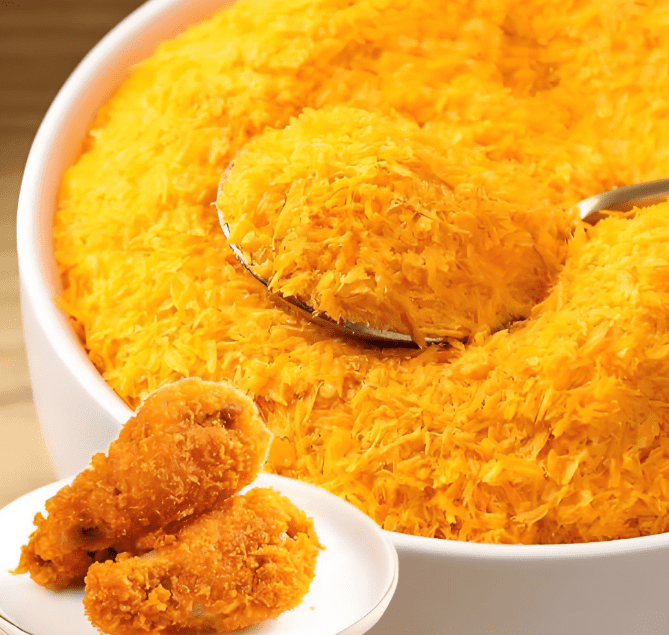
1. Fresh Breadcrumbs: The Soft Touch
What They Are:
Fresh breadcrumbs are made from fresh, soft bread that has not been dried or toasted. They are typically created by pulsing soft, fresh bread (with the crusts often removed for a finer texture) in a food processor or by rubbing it against the small holes of a box grater.
Characteristics:
- Texture: Soft, fluffy, and moist. They have a light, almost spongy quality.
- Moisture Content: High, which gives them a short shelf life. They are best used immediately or frozen for later use.
- Flavor: Mild, with the distinct, gentle flavor of fresh bread.
- Appearance: Soft, uneven, snow-white crumbs.
Ideal Culinary Applications:
Fresh breadcrumbs are prized for their ability to create a tender, integrated texture rather than a crispy crust. Their high absorbency makes them perfect for:
- Stuffings and Dressings: They soak up stocks, butter, and juices beautifully, bread crumbs making machine resulting in a moist and cohesive stuffing.
- Meatballs, Meatloaf, and Burgers: They act as a primary binder, absorbing the juices and fats released during cooking. This prevents the mixture from becoming too dense and ensures a tender, moist final product.
- Toppings for Baked Casseroles: When mixed with melted butter and herbs, they can create a softer, more pudding-like topping compared to the crunchy crust of dry breadcrumbs.
- Panes and Fillings: In various European cuisines, they are used in dishes like panade (a mixture of bread and milk) to add lightness to forcemeats and stuffings.
Key Takeaway: Use fresh breadcrumbs when your goal is moisture absorption, binding, and a soft, tender texture within a dish.
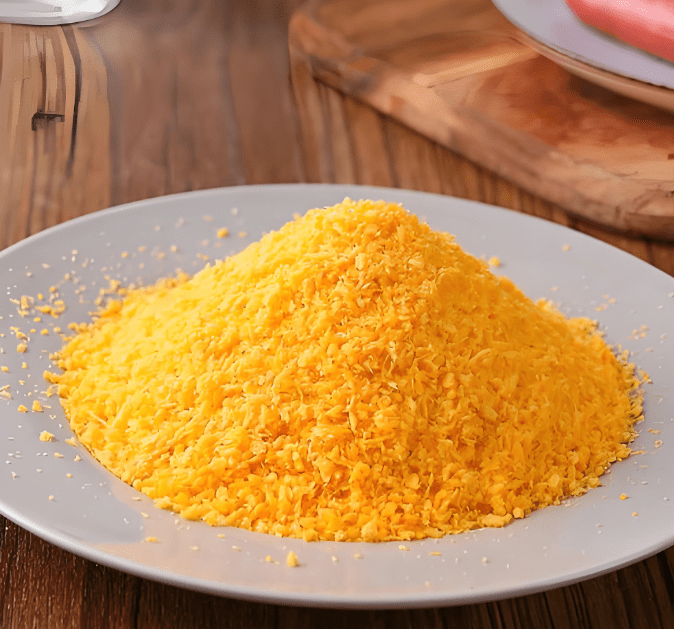
2. Dry Breadcrumbs: The Classic Crisp
What They Are:
Dry breadcrumbs are made from bread that has been thoroughly dried or toasted and then ground into fine or coarse granules. bread crumbs making machine They are avail able commercially but can be easily made at home by drying out leftover bread in a low oven and then processing it.
Characteristics:
- Texture: Hard, gritty, and granular. They provide a distinct, firm crunch.
- Moisture Content: Very low, which gives them a long shelf life.
- Flavor: Neutral to slightly toasty, making them a versatile canvas for other flavors.
- Appearance: Fine, uniform, sandy particles that range in color from pale beige to golden brown.
Ideal Culinary Applications:
Dry breadcrumbs are the workhorse for creating a crispy, defined coating. They are ideal for:
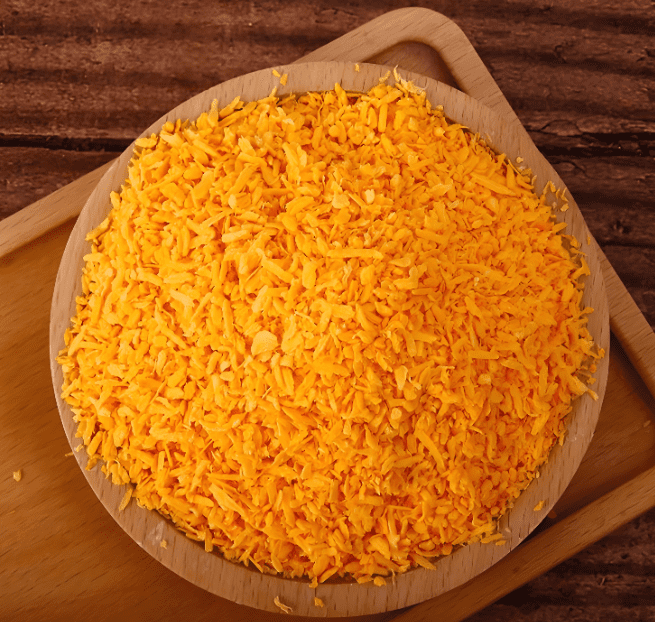
- Standard Breading Procedures: The classic flour-egg-breadcrumb coating for fried foods like chicken cutlets, fish fillets, and mozzarella sticks. They form a solid, sealed barrier that becomes golden and crunchy when fried or baked.
- Baked Toppings: Sprinkled over macaroni and cheese, gratins, or baked pasta dishes, they form a crunchy, golden-brown crust when baked with a little butter or oil.
- Binder for Thicker Mixtures: They can be used as a binder in drier mixtures where additional moisture absorption is not desired.
Subcategories:
- Plain: Unseasoned, offering maximum versatility.
- Seasoned: Pre-mixed with salt, herbs (like oregano, basil), spices, and dried garlic/onion powder. A convenient option for quick flavor enhancement.
Key Takeaway: Use dry breadcrumbs when your primary goal is to create a sturdy, crispy, golden-brown coating or topping.
3. Panko: The Light and Crispy Powerhouse
What They Are:
Panko (from the Japanese pan, meaning bread, and ko, meaning flour) is a Japanese-style breadcrumb with a unique structure. It is made from bread baked by passing an electric current through the dough, which creates a crustless loaf with a uniform, airy crumb. This bread is then coarsely ground into large, flaky shards.
Characteristics:
- Texture: Light, airy, flaky, and shard-like. It produces an exceptionally crisp and crunchy coating that is less dense than that of dry breadcrumbs.
- Moisture Content: Low.
- Flavor: Very neutral and mild, allowing the flavor of the coated food to shine.
- Appearance: Large, white, jagged flakes.
- Key Advantage: Panko’s flaky structure creates more surface area and has sharper edges that crisp up beautifully. It also absorbs significantly less oil during frying, resulting in a lighter, less greasy final product.
Ideal Culinary Applications:
Panko is the superior choice for achieving a light, crispy, and strikingly textured crust. It is perfect for:
- Japanese Dishes: Such as tonkatsu (breaded pork cutlet), ebi furai (fried shrimp), and korokke (croquettes).
- Crispy Fried Seafood and Chicken: Its light texture doesn’t overwhelm delicate proteins like white fish or shrimp.
- Air-Fried Foods: Performs excellently in air fryers, achieving maximum crispiness with minimal oil.
- Textured Toppings: Provides a dramatic, crunchy topping for casseroles and baked seafood dishes.
Key Takeaway: Use panko for the lightest, crispiest, bread crumbs making machineand least oily fried coatings, or when you desire a pronounced, shattering crunch.

4. Regional and Specialty Varieties
Beyond the three main categories, several regional and specialty breadcrumbs offer unique flavors and textures.
- Pangrattato (Italy): Literally meaning “grated bread,” this is the Italian equivalent. Often, it is not just a plain crumb but is transformed by toasting in a pan with olive oil, garlic, herbs, and sometimes anchovies or lemon zest until golden and fragrant. It is used as a flavorful finishing sprinkle for pasta, soups, and vegetables, functioning as a “poor man’s Parmesan” that adds immense flavor and crunch.
- Chapelure (France): The French term for dry breadcrumbs, typically very fine and white. Used in classic preparations like Côtelette de Veau Panée (breaded veal cutlet). French chapelure is known for its fine, sand-like consistency, creating a very even and delicate coating.
- Gluten-Free Breadcrumbs: Made from gluten-free bread, cornmeal, rice, or a blend of alternative flours. They cater to those with celiac disease or gluten intolerance. Their performance can vary, sometimes requiring recipe adjustments due to different absorption rates and textures.
- Whole-Wheat and Multigrain Breadcrumbs: Made from whole-grain bread, these offer a nuttier flavor, denser texture, and higher fiber content. bread crumbs making machine They work well as a binder and can add a heartier crunch to toppings.
Summary and Selection Guide

| Type of Breadcrumb | Texture | Best For | Key Trait |
|---|---|---|---|
| Fresh Breadcrumbs | Soft, fluffy, moist | Stuffings, meatballs, meatloaf | Superior binding & moisture retention |
| Dry Breadcrumbs | Hard, gritty, granular | Classic frying, baked toppings | Sturdy, crispy coating |
| Panko | Light, airy, flaky | Light & crispy frying, air-frying | Less oil absorption, shattering crunch |
| Pangrattato | Crispy, flavorful | Finishing pasta, soups, vegetables | A flavor-infused condiment |
| Gluten-Free | Varies (can be gritty) | Frying, binding (for gluten-free diets) | Dietary necessity |
| Whole-Wheat | Denser, nuttier | Hearty stuffings, healthy toppings | Added fiber & flavor |
In conclusion, the humble breadcrumb is a deceptively complex ingredient. By selecting the correct type—whether it be the tender embrace of fresh crumbs in a meatball, the classic crunch of dry crumbs on a cutlet, or the feather-light crisp of panko on fried shrimp—a cook can precisely control the texture and integrity of a dish, transforming simple ingredients into culinary masterpieces.